


If you’re shopping for a Land Cruiser 100 Series or a Lexus LX 470 in the United States, you’re shopping for a 2UZ-FE. This 4.7-liter V8 was the only engine in U.S.-market 100 Series trucks, and it’s a big part of why these SUVs have such a strong reputation for durability.
This guide covers what the 2UZ-FE is, how it changed over the years, its weak points, how to maintain it, and what to check before you buy.
- Quick Answer: What Is the Toyota 2UZ-FE Engine?
- 2UZ-FE Engine Specs
- Which Land Cruiser and Lexus Models Used the 2UZ-FE?
- Why the 2UZ-FE Has a Strong Reliability Reputation
- Common 2UZ-FE Problems and Weak Points
- 2UZ-FE Maintenance Guide
- 2UZ-FE in the Land Cruiser 100 Series
- 2UZ-FE in the Lexus LX470
- Non-VVT-i vs. VVT-i 2UZ-FE: Which Is Better?
- How Long Does a 2UZ-FE Last?
- 2UZ-FE Fuel Economy and Real-World Ownership Costs
- 2UZ-FE Performance, Tuning, and Supercharger Notes
- Buying Checklist for a 2UZ-FE Land Cruiser or LX470
- FLEX Recommendation: Is the 2UZ-FE the Best Choice for U.S. Buyers?
- FAQ: Toyota 2UZ-FE V8 Engine
- Is the 2UZ-FE reliable?
- How long does a 2UZ-FE last?
- Does the 2UZ-FE have a timing belt or timing chain?
- What is the difference between VVT-i and non-VVT-i 2UZ-FE?
- What are the most common 2UZ-FE problems?
- Is the 2UZ-FE better than the 1HD-FTE?
- Is the Lexus LX470 engine the same as the Land Cruiser 100?
- Is the 2UZ-FE good for overlanding?
- Conclusion: Is the 2UZ-FE Worth It for Land Cruiser 100 and LX470 Buyers?
- Find Your Next Land Cruiser at FLEX
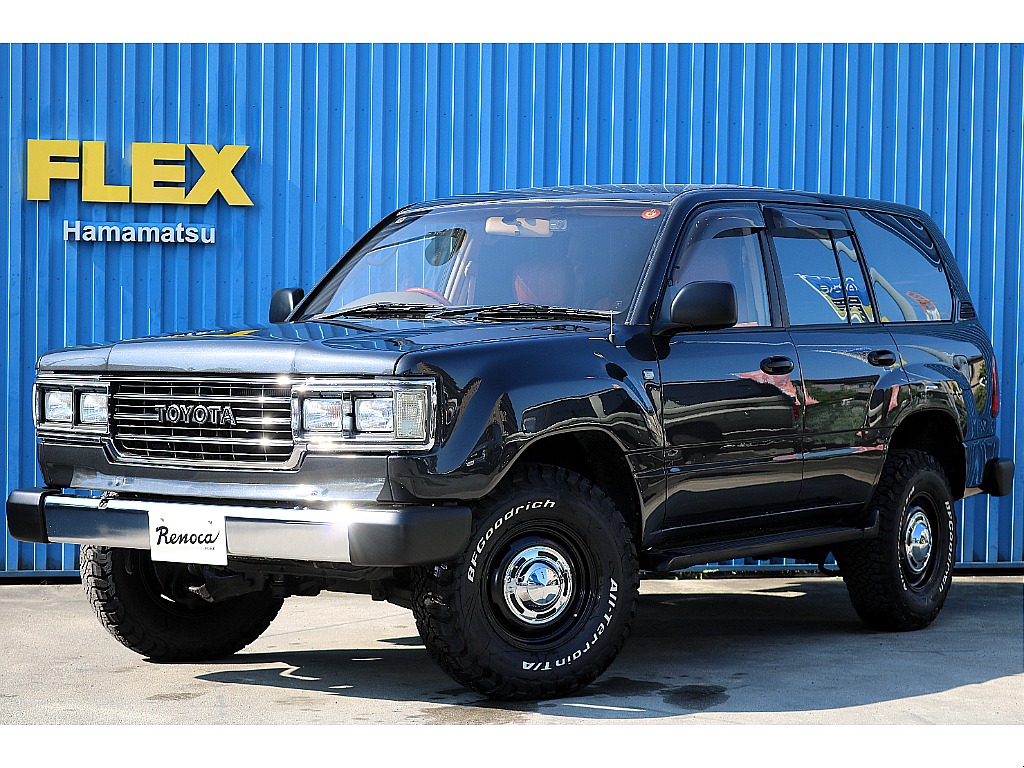
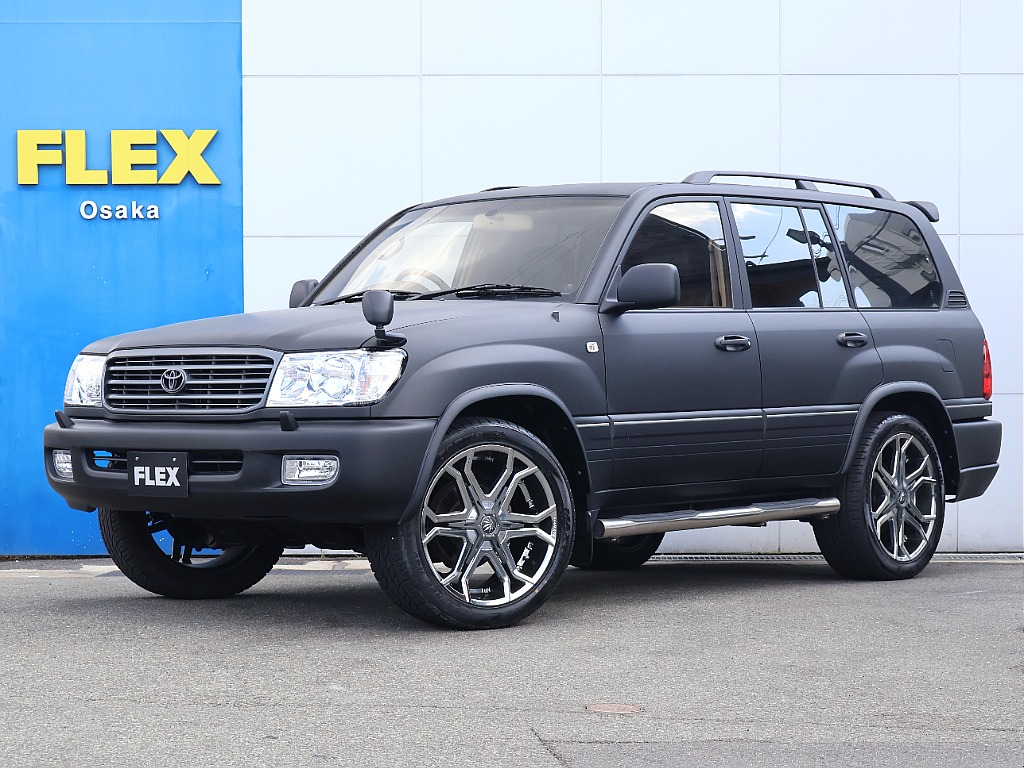
Quick Answer: What Is the Toyota 2UZ-FE Engine?
The 2UZ-FE is a 4.7-liter naturally aspirated V8 that Toyota designed for SUVs and trucks. It powers the U.S. Land Cruiser 100 and Lexus LX 470, along with several other Toyota and Lexus trucks.
2UZ-FE at a Glance
| Item | 2UZ-FE |
|---|---|
| Displacement | 4,663 cc (4.7 L) |
| Layout | V8, naturally aspirated |
| Bore x stroke | 94 mm x 84 mm |
| Block / heads | Cast iron block / aluminum heads |
| Valvetrain | DOHC, 32 valves (4 per cylinder), bucket tappets |
| Fuel injection | Multi-port fuel injection |
| Camshaft drive | Timing belt |
| VVT-i | Added to the U.S. Land Cruiser and LX 470 for 2006 |
| U.S. Land Cruiser output | 230 hp (1998–2002), 235 hp (2003–2005), 275 hp (2006), 265 hp (2007) |
| Main applications | Land Cruiser 100, LX 470, Tundra, Sequoia, 4Runner, GX 470 |
Sources: Wikipedia, Consumer Guide, Toyota’s 2006 Land Cruiser announcement, and Toyota’s 2007 Land Cruiser brochure. Output figures vary by vehicle, model year, and rating method.
Why the 2UZ-FE Matters for Land Cruiser 100 and LX470 Buyers
In the U.S., every Land Cruiser 100 and LX 470 has a 2UZ-FE. Compared with an imported 1HD-FTE diesel, it’s much easier to find parts for, much easier to get serviced, and it avoids the import and state registration steps that come with a 25-year-old import.
Is the 2UZ-FE a Good Engine for U.S. Buyers?
Yes, for most buyers. Parts are easy to find, almost any Toyota shop can work on it, and it has a strong reputation for reliability. The trade-off is fuel economy, which is poor. Factor fuel costs into your budget.
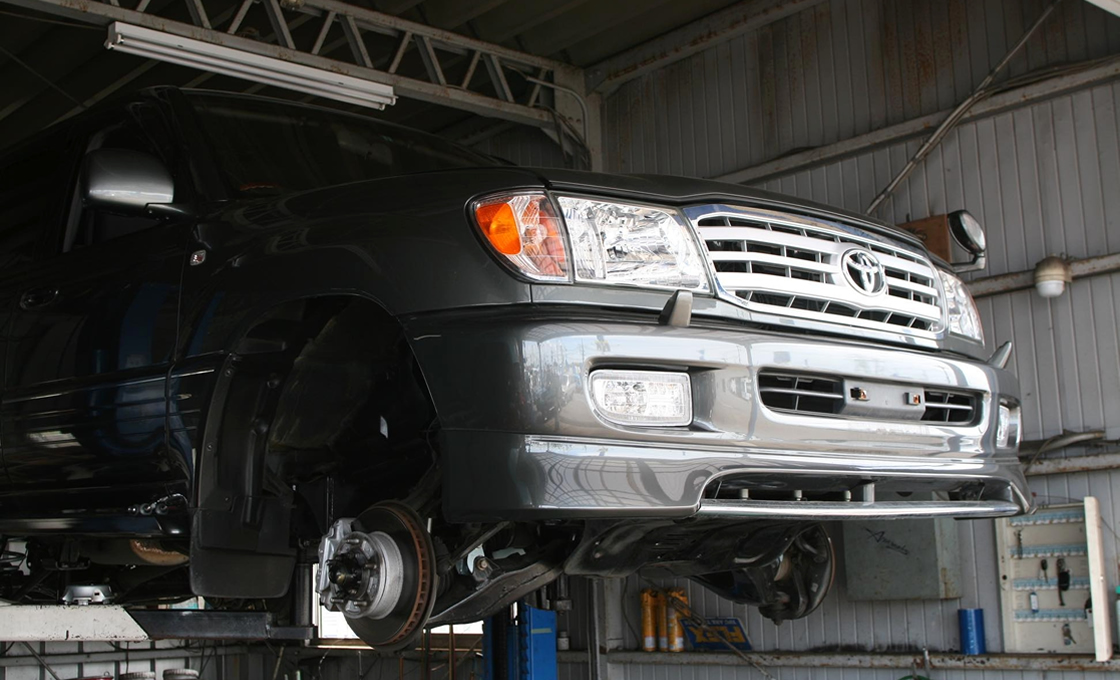
2UZ-FE Engine Specs
Basic Specifications
The 2UZ-FE is a 4.7-liter V8 with no turbo or supercharger. Its main features:
- DOHC, 32 valves: Two camshafts per cylinder head and four valves per cylinder, which helps the engine breathe well
- Multi-port fuel injection: Each cylinder has its own injector in the intake port
- Cast iron block: The engine’s foundation is cast iron for strength
- Aluminum heads: Help save some weight up top
Power and Torque
| U.S. Land Cruiser model years | Power | Torque | Transmission |
|---|---|---|---|
| 1998–2002 | 230 hp | 320 lb-ft | 4-speed automatic |
| 2003–2005 | 235 hp | 320 lb-ft | 5-speed automatic |
| 2006 (VVT-i) | 275 hp | 332 lb-ft | 5-speed automatic |
| 2007 (VVT-i) | 265 hp | 310 lb-ft | 5-speed automatic |
Sources: Consumer Guide for 1998–2005, Toyota’s 2006 announcement for the VVT-i engine, and Toyota’s 2007 brochure. Toyota’s 2007 brochure lists 265 hp and 310 lb-ft for the same engine. We could not find a Toyota document that explains the change. Wikipedia lists one VVT-i variant at 271 hp and 315 lb-ft without naming the vehicle. Numbers also vary across other vehicles that use the 2UZ-FE.
Torque is what makes a heavy Land Cruiser feel effortless. It helps the truck pull away from a stop, climb hills, merge onto the highway, and carry a full load.
Why the 2UZ-FE Uses a Heavy-Duty Cast-Iron Block
Wikipedia notes that the 2UZ-FE uses a cast iron block “to increase durability, as it was designed for low-revving, high-torque pickup and SUV applications.” The block is the foundation of the engine. Cast iron is heavier than aluminum, but it’s very tough, and that’s a big reason owners trust the 2UZ-FE at high mileage. The cylinder heads are aluminum.
Non-VVT-i vs. VVT-i 2UZ-FE
VVT-i (Variable Valve Timing with intelligence) is Toyota’s system for adjusting intake valve timing based on driving conditions. On the Land Cruiser, adding VVT-i for 2006 raised output from 235 hp to 275 hp. When you’re shopping, don’t choose on VVT-i alone. Maintenance history, the cooling system, the timing belt, and overall condition matter more.
Timing Belt, Valve Train, and Fuel Injection
The 2UZ-FE uses a timing belt instead of a chain. Belt replacement is one of the most important items to verify when you buy. The DOHC 32-valve valve train uses bucket tappets, and fuel is delivered by multi-port injection.
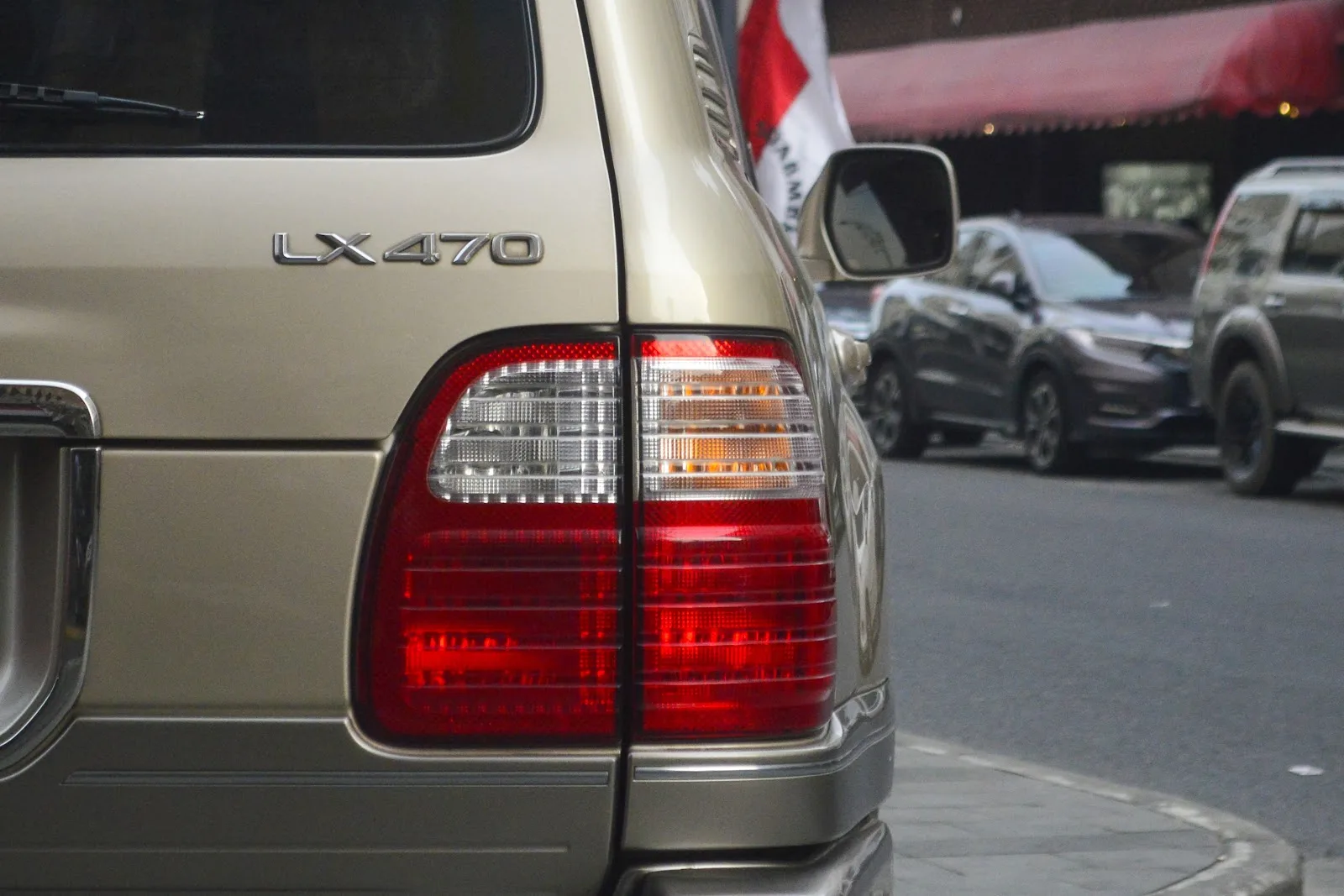
Which Land Cruiser and Lexus Models Used the 2UZ-FE?
2UZ-FE in the Land Cruiser 100 Series
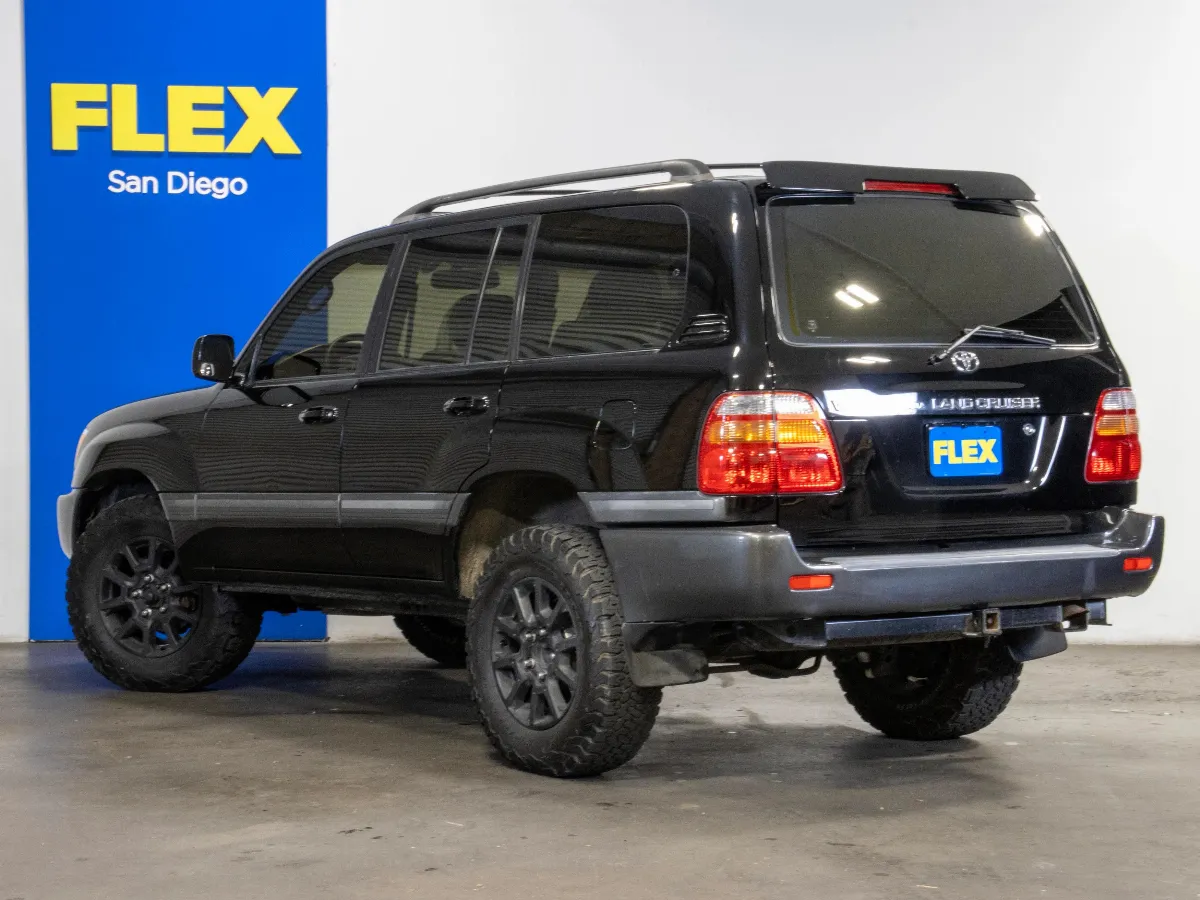
If you’re looking at a U.S.-market Land Cruiser 100, sold for the 1998 through 2007 model years, it has a 2UZ-FE. That’s why the engine’s year-by-year changes, timing belt history, cooling system, and oil leaks are so important to check.
2UZ-FE in the Lexus LX470
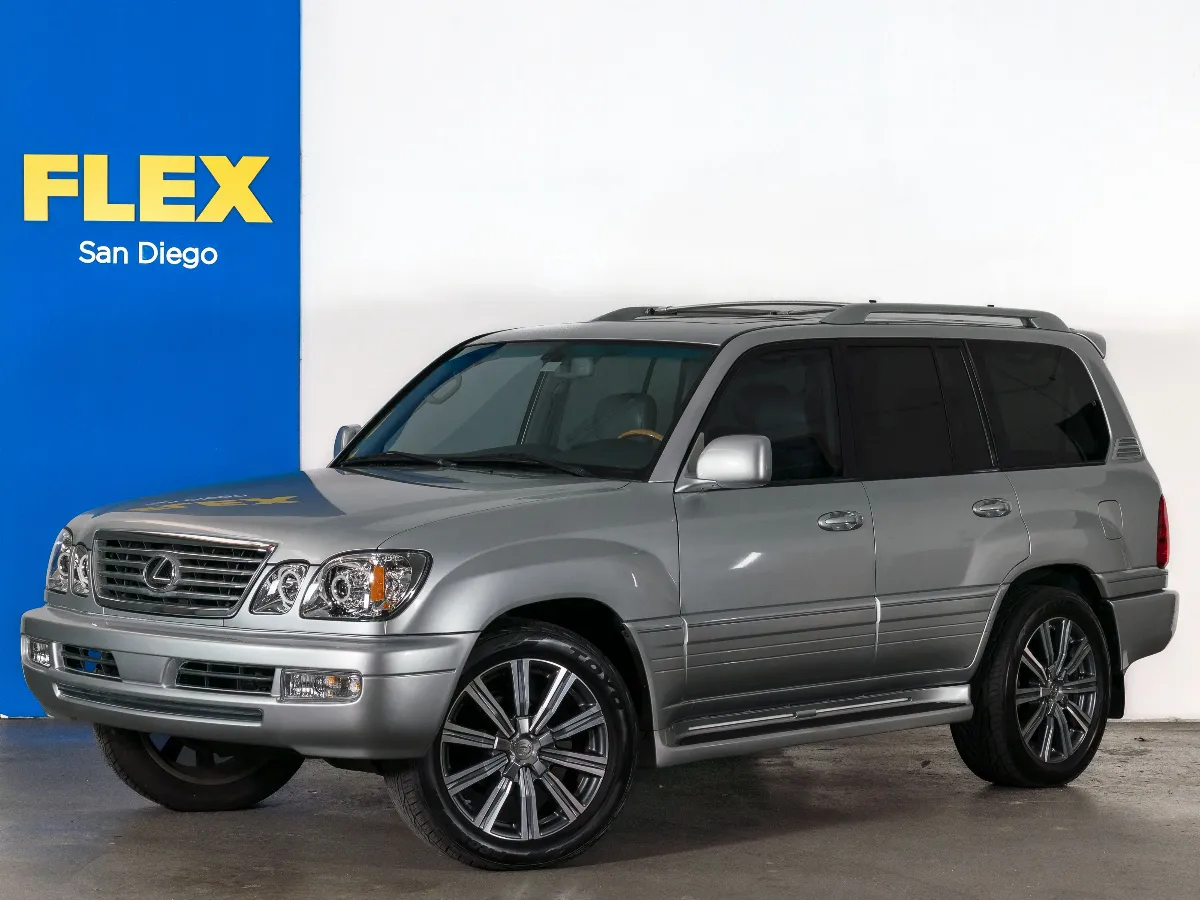
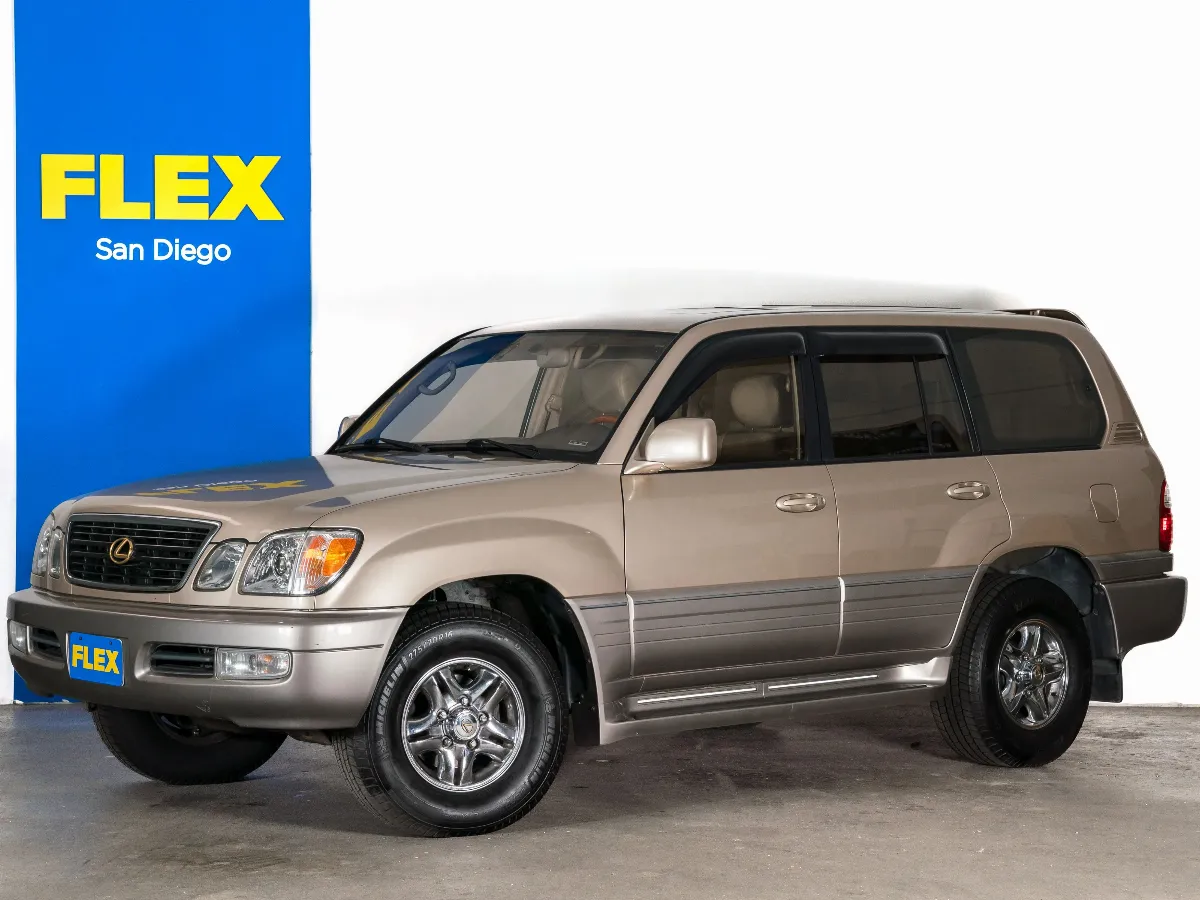
The LX 470 is the Land Cruiser 100’s luxury sibling and uses the same basic engine. Its extra features, especially the AHC (Active Height Control) suspension, add ownership costs the Land Cruiser doesn’t have.
Other Toyota and Lexus Models With the 2UZ-FE
The 2UZ-FE was also used in the Toyota Tundra, Sequoia, and 4Runner, and in the Lexus GX 470. This guide doesn’t cover those trucks in detail.
Why This Article Focuses on the Land Cruiser 100 and LX470
This guide focuses on the Land Cruiser 100 and LX 470 because those are the trucks Land Cruiser buyers actually shop for, and their ownership questions are different from those of a Tundra or a tuning project.
Why the 2UZ-FE Has a Strong Reliability Reputation
Why Toyota Built the 2UZ-FE for SUVs and Trucks
The 2UZ-FE wasn’t built for lightweight sports cars. It was designed for trucks and SUVs, with low-rpm torque and durability as priorities. That makes it a natural fit for a heavy vehicle like the 100 Series.
Long-Term Durability and High-Mileage Ownership
Well-maintained 2UZ-FE engines have a reputation for reaching high mileage. In one IH8MUD thread from 2016, one owner reported 320,000 miles with “no issues” and another said he had “zero issues” at 215,000 miles. A third wrote that the key is following the maintenance schedule. A documented history matters more than the odometer reading.
Low-End Torque and Daily Drivability
Strong low-end torque makes a heavy Land Cruiser or LX 470 easy to drive every day, whether you’re pulling away from a light, climbing a grade, merging onto the highway, or carrying a full load.
Why the 2UZ-FE Fits the Land Cruiser Character
Land Cruiser owners value durability, peace of mind, long-distance comfort, and off-road capability. The 2UZ-FE delivers on those, even if it gives up fuel economy to do it.
Common 2UZ-FE Problems and Weak Points
Even a reliable engine has weak spots. Most of these can be managed with good maintenance.
Timing Belt and Water Pump Service
This is the most important item to verify. Toyota’s 2006 Land Cruiser maintenance guide calls for a new timing belt at 90,000 miles or 108 months, and CARspec, a Toyota and Lexus specialist, gives the same 90,000-mile interval. The belt and water pump are usually replaced together. Check when the job was last done and at what mileage. CARspec also notes the job is moderately complex and that timing must be set carefully to avoid valve damage.
Exhaust Manifold Cracks or Leaks
CARspec, a Toyota and Lexus specialist, calls a ticking noise from a small crack in the driver’s-side exhaust manifold “a fairly common complaint” on 2UZ-FE trucks. Listen for:
- A ticking sound on cold start
- Noise that fades as the engine warms up
Starter Location and Replacement Cost
The starter sits in the engine valley, under the intake manifold. Slee Off-Road notes that the starter contacts can wear out. In one IH8MUD thread from 2003, an owner who did the job himself paid $25 for the contacts and had to remove the intake manifold to reach the starter. Ask a shop for a labor quote before you buy. Check how the engine cranks, listen for noise, and ask whether the starter has been replaced.
Valve Cover Gasket and Oil Leaks
Older and higher-mileage engines can leak oil from the valve cover gaskets and other seals. A light film of oil is often minor. Active drips, or oil on hot exhaust parts, need repair.
Cooling System and Overheating Risks
Check the radiator, hoses, thermostat, water pump, and coolant. On a truck this old, ask whether the radiator has been replaced. Treat any history of overheating as a major risk.
Secondary Air Injection and Emissions-Related Issues
CARspec describes secondary air injection faults on 2006–2007 LX 470s and 2005–2009 GX 470s as rare but not unheard of. When it happens, it can turn on the check engine light, and the truck may be down on power or make a booming sound after it is started. Toyota’s service bulletin T-SB-0230-12 covers the same fault codes on the 2006–2007 Land Cruiser. The system sits under the intake manifold, so repairs are labor-intensive. A check engine light can also cause problems at a state emissions inspection.
Age-Related Sensors, Hoses, and Rubber Parts
On a 20-plus-year-old truck, ownership costs often come from parts around the engine rather than the engine itself:
- Sensors
- Coolant and vacuum hoses
- Drive belts
- Engine mounts
- Rubber bushings and seals
2UZ-FE Maintenance Guide
| Item | What to check or do | Why it matters | Record to look for |
|---|---|---|---|
| Oil and filter | Regular changes with the correct oil | Protects the engine long-term | Dated oil change receipts |
| Timing belt | Replace about every 90,000 miles | A failed belt can damage the engine | Date and mileage of the last replacement |
| Water pump and cooling | Replace the pump with the belt; inspect the radiator and hoses | Prevents overheating | Pump, radiator, hose, and coolant work |
| Spark plugs and coils | Inspect and replace as needed | Prevents misfires and rough running | Ignition service records |
| Valve train | Listen for ticking; check clearances if noisy | Keeps the engine quiet and efficient | Any valve clearance work |
Oil and Filter Service
Regular oil and filter changes are the foundation of a long engine life. On a high-mileage truck, consistent oil service matters even more.
Timing Belt Replacement
Treat this as mandatory. If there’s no record of the last belt change, budget to have it done right after you buy.
Water Pump, Thermostat, and Cooling System Service
Replace the water pump along with the timing belt, and inspect the thermostat, radiator, and hoses at the same time. This is preventive maintenance that pays off.
Spark Plugs, Coils, and Ignition Components
Worn plugs or failing ignition coils can cause misfires, a rough idle, and worse fuel economy.
Valve Adjustment and Engine Noise
The 2UZ-FE uses bucket tappets. If you hear unusual ticking from the top of the engine, have a specialist check it. It could be valve clearance, but an exhaust manifold leak can make a similar ticking noise.
Service Records to Check Before Buying
| Record | What to confirm |
|---|---|
| Oil changes | Regular intervals |
| Timing belt | Date and mileage |
| Water pump | Replaced with the belt |
| Cooling system | Radiator, hoses, thermostat, coolant |
| Ignition | Spark plugs and coils |
| Oil leak repairs | Valve cover gaskets, other seals |
| Emissions repairs | Secondary air injection, sensors |
2UZ-FE in the Land Cruiser 100 Series
Why the 100 Series Works Well With the 2UZ-FE
The 100 Series is heavy, comfortable over long distances, and built around reliability. The 2UZ-FE’s torque and durability suit that character well.
What to Check Before Buying a Land Cruiser 100
| Area | What to check |
|---|---|
| Timing belt | Records showing the last replacement |
| Cooling | Radiator, hoses, water pump, overheating history |
| Exhaust | Ticking on cold start (manifold cracks) |
| Oil leaks | Valve covers and other seals |
| Rust | Frame, underbody |
| Suspension and steering | Steering rack, control arm bushings, ball joints |
| Front differential | Off-road use on 1998–1999 trucks, which have a two-pinion front differential. Slee Off-Road notes the change to a four-pinion unit for 2000, and some IH8MUD owners describe the earlier unit as weaker |
| Records | Complete maintenance history |
How the 2UZ-FE Changed Across 100 Series Model Years
- 1998–2002: 230 hp with a four-speed automatic
- 2003–2005: 235 hp with a five-speed automatic
- 2006–2007: VVT-i raised output to 275 hp for 2006. Toyota’s 2007 brochure lists 265 hp and 310 lb-ft.
Equipment and emissions parts also vary by year. The 2006–2007 Land Cruiser and LX 470, for example, have secondary air injection. Check the specifics for the exact year you’re considering. For the whole truck year by year, see our Land Cruiser 100 Series best years guide.
Japanese-market 100 Series trucks use the same 2UZ-FE with different ratings. Toyota’s 1998 launch release lists 235 PS, about 232 hp, and the five-speed automatic arrived with the August 2002 update. Check the specifications of each Japanese-market truck individually.
2UZ-FE vs. 1HD-FTE in the Land Cruiser 100
The 2UZ-FE is much easier to own in the U.S. The 1HD-FTE diesel offers torque, range, and rarity, but as an import. See our Diesel Land Cruiser Buying Guide for more.
2UZ-FE in the Lexus LX470
Why the LX 470 Matters to 2UZ-FE Shoppers
The LX 470 is the other 100 Series model sold in the U.S., and it uses the same 2UZ-FE. It combines luxury features with the durability of the Land Cruiser.
What to Check Before Buying an LX470
Beyond the engine records, check:
- AHC operation and leaks
- Electronics, including the navigation and entertainment system
- Interior features
- Rust
- Suspension condition
AHC Suspension and Ownership Costs
AHC uses hydraulics to control ride height. CARspec wrote in 2015 that if the system is contaminated and every part needs replacing, the repair can run to five figures, although a reply in the comments on the same post says a failure that makes replacing the whole system necessary is relatively rare and that rust is usually the cause. A healthy engine doesn’t make up for a neglected suspension.
LX470 vs. Land Cruiser 100: Which 2UZ-FE SUV Should You Choose?
| Feature | Land Cruiser 100 | Lexus LX 470 |
|---|---|---|
| Strengths | Conventional suspension on most trucks. Height control was optional for 2006–2007 | More comfort and luxury features |
| Extra costs | Fewer complex systems, unless the truck has the optional height control | AHC and more electronics |
| Best for | Overlanding and simpler ownership | Luxury and comfort |
With either one, choose based on the condition of the whole vehicle, not just the engine.
Non-VVT-i vs. VVT-i 2UZ-FE: Which Is Better?
What Changed With VVT-i
VVT-i adjusts the timing of the intake valves as you drive. On the Land Cruiser, it improved power, torque, and responsiveness.
Power, Torque, and Fuel Economy Differences
| Metric | Non-VVT-i (2003–2005 Land Cruiser) | VVT-i (2006 Land Cruiser) |
|---|---|---|
| Power | 235 hp | 275 hp |
| Torque | 320 lb-ft | 332 lb-ft |
| EPA rating (city / highway / combined) | 12 / 16 / 13 mpg (2003) | 12 / 15 / 13 mpg (2006) |
Sources: Consumer Guide, Toyota, and EPA ratings on fueleconomy.gov for the 2003 and 2006 Land Cruiser. Toyota’s 2007 brochure lists 265 hp and 310 lb-ft. EPA’s updated ratings show essentially no fuel economy difference between the two.
Which Version Is Easier to Own?
The non-VVT-i engine is a little simpler. The VVT-i engine is more powerful. Either way, maintenance history matters most.
Which Version Should You Look For?
Decide based on budget, model year, condition, and records. Don’t pay extra for VVT-i at the expense of a documented timing belt, a healthy cooling system, and a rust-free frame.
How Long Does a 2UZ-FE Last?
Expected Mileage With Proper Maintenance
Toyota doesn’t publish an expected lifespan. Well-maintained 2UZ-FE engines are widely known for reaching high mileage, but the engine’s maintenance history and how it was used matter far more than any number.
What Usually Fails Before the Engine Itself
These items often become the main costs before the engine’s internals wear out:
- Cooling system parts
- The starter
- Sensors
- Hoses
- Gaskets
- Suspension parts
Signs of a Poorly Maintained 2UZ-FE
| Sign | What it may indicate |
|---|---|
| Unusual noises | Exhaust leaks, valve train, or accessory issues |
| Hard starting | Starter or fuel and ignition problems |
| Oil leaks | Aging gaskets and seals |
| Ticking on cold start | Cracked exhaust manifold |
| Dirty or rusty coolant | Neglected cooling system |
| Check engine light | Emissions, sensor, or misfire issues |
| No service records | Unknown timing belt and maintenance history |
2UZ-FE Fuel Economy and Real-World Ownership Costs
Typical Fuel Economy Expectations
The Land Cruiser 100 is not an efficient vehicle. According to EPA ratings on fueleconomy.gov, both the 2000 and 2006 models are rated 12 city, 15 highway, and 13 combined. Real-world mileage depends on the model year, tires, load, and how you drive.
Why the 2UZ-FE Is Not a Fuel-Efficient Engine
Several factors work against fuel economy:
- A 4.7-liter V8
- A heavy vehicle
- Full-time four-wheel drive
- Off-road tires, which add weight and rolling resistance
See our A/T vs R/T vs M/T tire guide for the Land Cruiser for more on how tires affect fuel economy.
Maintenance Cost vs. Reliability Value
Fuel costs are high, but the engine’s durability and easy serviceability give many owners peace of mind that’s worth the trade.
When Fuel Economy Should Not Be the Main Deciding Factor
If you’re buying a Land Cruiser 100 or LX 470, you’re probably prioritizing durability, capability, and long-distance reliability. Weigh fuel costs, but don’t let them be the only factor.

2UZ-FE Performance, Tuning, and Supercharger Notes
Why Most Land Cruiser Owners Should Keep It Simple
For most 100 Series and LX 470 owners, a stock engine with a thorough refresh is the best path. Reliability is worth more than extra horsepower.
TRD Supercharger Context
According to Wikipedia, Toyota Racing Development offered a bolt-on supercharger kit for the 1998–2003 LX 470 and the 2000–2003 Tundra and Sequoia. If you’re looking at a truck with one, check its installation records and condition, and make sure you have a shop that can support it. Don’t add one casually.
Intake, Exhaust, and Mild Upgrades
Mild intake and exhaust changes are best thought of as small improvements in sound and feel, not big power gains.
Why Reliability Matters More Than Horsepower for Overlanding
On an overland trip, what matters is the cooling system, ignition, timing belt, suspension, and how the truck holds up fully loaded, not peak horsepower.
Buying Checklist for a 2UZ-FE Land Cruiser or LX470
Service History
Records are the single most important item. Look for oil changes, timing belt, water pump, cooling system, ignition, and any oil leak repairs.
Timing Belt and Water Pump Records
Confirm when the belt and water pump were replaced and at what mileage. If you can’t confirm it, budget to replace them.
Cold Start, Idle, and Engine Noise
Start the engine cold. Check:
- How easily it starts
- Whether the idle is smooth
- Any unusual noise or vibration
- Ticking that fades as it warms, which suggests an exhaust manifold leak
Oil Leaks and Exhaust Leaks
Check the valve covers, the area around the oil pan, and the exhaust manifolds. Separate minor seepage from leaks that need repair.
Cooling System Condition
Check the radiator, hoses, coolant, thermostat, water pump, and any history of overheating.
Rust, Frame, and Suspension Condition
Look at the whole truck, not just the engine. Rust, frame condition, suspension, and AHC health on an LX 470 all have a big impact on whether it’s a good buy.
FLEX Recommendation: Is the 2UZ-FE the Best Choice for U.S. Buyers?

For most U.S. buyers, a 2UZ-FE Land Cruiser 100 or LX 470 is the most practical way to own a 100 Series.
Who Should Choose a 2UZ-FE Land Cruiser 100
Buyers who want easy ownership in the U.S., with dependable parts supply and service, and who value reliability and practicality. Browse FLEX’s Land Cruiser 100 Series inventory and the Renoca 106 build.
Who Should Choose a Lexus LX470
Buyers who want luxury and comfort along with Land Cruiser durability, and who are ready for the cost of maintaining AHC and the extra electronics.
When a 1HD-FTE Diesel May Be More Appealing
If you want diesel torque, rarity, and JDM character, a 1HD-FTE import is worth a look. See our Diesel Land Cruiser Buying Guide.
When an 80 Series 1FZ-FE May Be Worth Considering
If you prefer the classic 80 Series and the simplicity of a gasoline inline-six, consider an 80 with the 1FZ-FE. See our Land Cruiser 80 engine history.
FAQ: Toyota 2UZ-FE V8 Engine
Is the 2UZ-FE reliable?
Yes. Its reliability depends on the timing belt, cooling system, oil leaks, exhaust leaks, and overall maintenance.
How long does a 2UZ-FE last?
Well-maintained engines are known for reaching high mileage. Maintenance history and how the truck was used matter most.
Does the 2UZ-FE have a timing belt or timing chain?
A timing belt. Toyota’s 2006 maintenance guide calls for replacement at 90,000 miles or 108 months. Always confirm the replacement history.
What is the difference between VVT-i and non-VVT-i 2UZ-FE?
VVT-i adds variable intake valve timing, which raised the Land Cruiser’s output from 235 to 275 hp for 2006. Condition and records still matter more.
What are the most common 2UZ-FE problems?
An overdue timing belt, water pump leaks, cracked exhaust manifolds, starter replacement, oil leaks, cooling system wear, and emissions parts such as secondary air injection on later trucks.
Is the 2UZ-FE better than the 1HD-FTE?
It depends. The 2UZ-FE is easier to own in the U.S. The 1HD-FTE offers diesel torque and rarity.
Is the Lexus LX470 engine the same as the Land Cruiser 100?
Essentially, yes. Both use the 2UZ-FE. Check year-specific details such as VVT-i, equipment, and emissions parts, along with the overall condition of the truck.
Is the 2UZ-FE good for overlanding?
Yes. It offers reliability and strong low-end torque. Plan for fuel use, and make sure the cooling system and suspension are in good shape before loading up.
Conclusion: Is the 2UZ-FE Worth It for Land Cruiser 100 and LX470 Buyers?
Fuel economy is the 2UZ-FE’s weak point, but it’s one of the easiest and most trustworthy ways to own a Land Cruiser 100 or LX 470 in the U.S. Choose a truck with documented maintenance, especially the timing belt and cooling system. If you’re moving up to a newer V8, see our Land Cruiser 200 best years guide.
Find Your Next Land Cruiser at FLEX
FLEX imports and sells JDM Land Cruisers, including:
- Land Cruiser 100 Series
- Land Cruiser 80 Series
- Land Cruiser 70 Series
- The full Land Cruiser lineup
If you want a Land Cruiser that’s been refreshed inside and out, take a look at FLEX’s Renoca builds: 106 on the 100 Series, Wonder and Phoenix on the 80 Series, and the U.S.-only Windansea on the Tacoma.
Have questions about the 2UZ-FE or which Land Cruiser is right for you? Contact our experienced and knowledgeable staff to start your next adventure today.
Looking for a JDM of your dream?
As one of the top Land Cruiser vendors in Japan, our specialists will assist you to acquire your dream vehicles.


