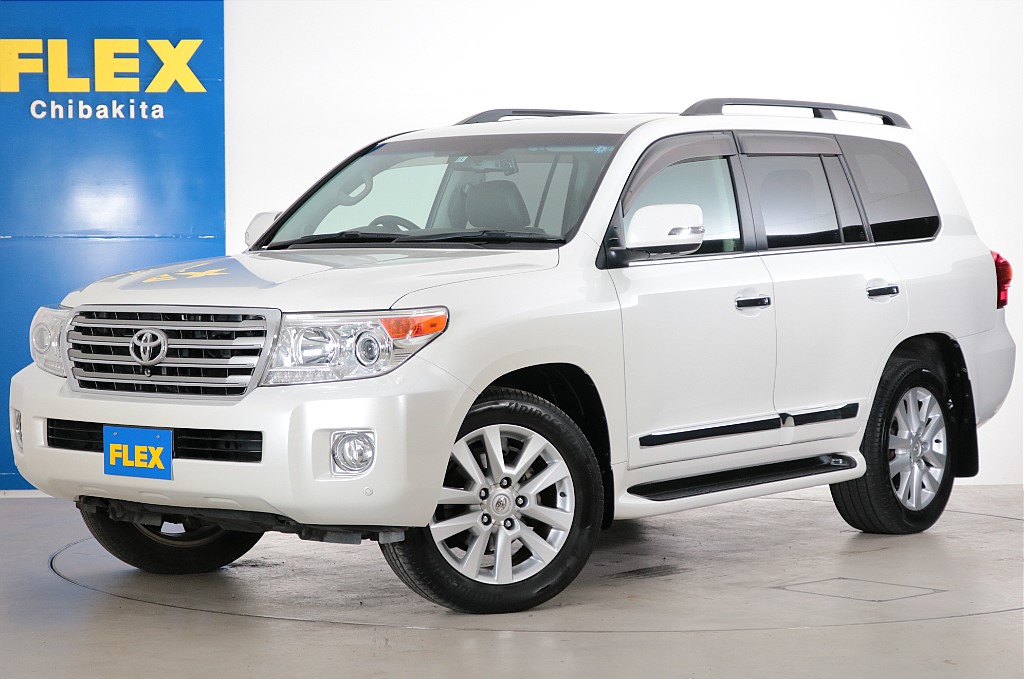
Shopping for a used Toyota Land Cruiser in 2026 means choosing between five very different trucks that happen to share a name. A 1985 FJ60 and a 2021 200 Series are both Land Cruisers, but one is a carbureted classic and the other is a 381-horsepower luxury SUV. Prices run from the low $20,000s to six figures, and the right answer depends on what you want the truck to do.
This guide walks through each series sold or imported in the United States: the 60, the 70, the 80, the 100, and the 200. For each one we cover what you get, what to check before you buy, and what it costs in 2026, using auction data, published Toyota specifications, and the import inventory we handle at FLEX. We then compare them side by side and give our picks by use case.
One quick note on scope. We focus on the station-wagon line (60, 80, 100, 200) plus the heavy-duty 70 Series, because those are the trucks most US buyers mean when they say “Land Cruiser.” The Prado family and the Lexus LX get a shorter section near the end, with links to our dedicated guides.
- Quick Answer: Which Used Land Cruiser Is Right for You?
- Why a Used Land Cruiser Still Makes Sense in 2026
- How the Land Cruiser Lineup Breaks Down
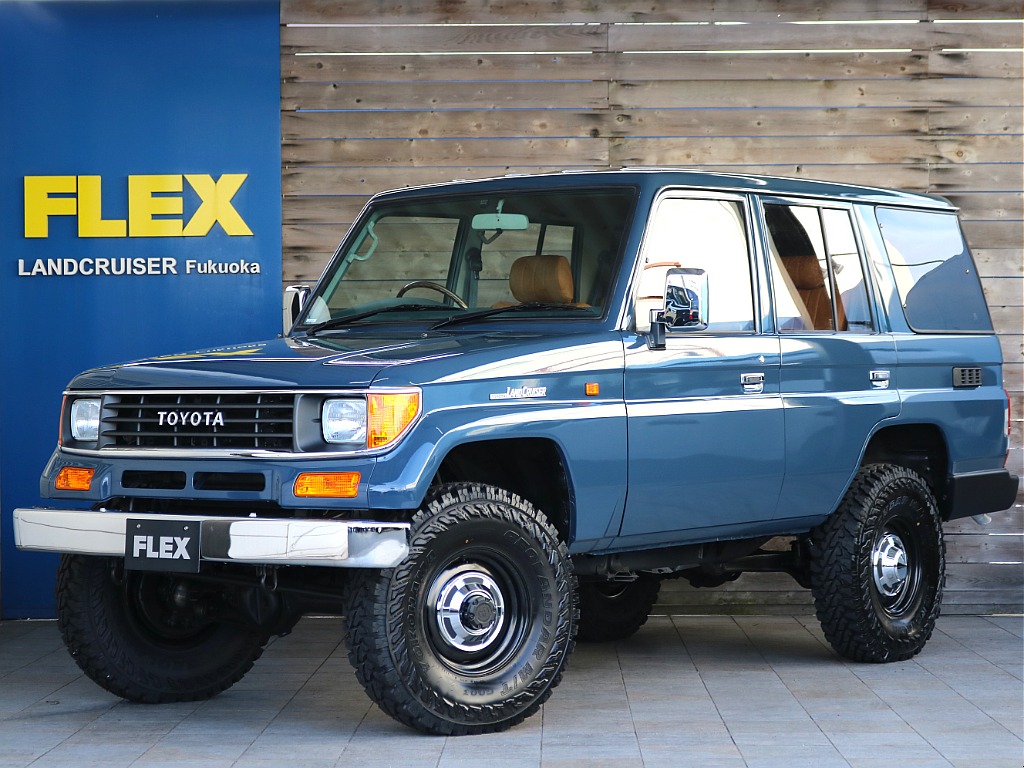
- 60 Series (FJ60 / FJ62, 1980–1990): The Classic
- 70 Series (1984–Present): The Workhorse You Can Import
- 80 Series (FJ80 / FZJ80, 1990–1997): The Sweet Spot
- 100 Series (1998–2007): Best Value Daily Driver
- 200 Series (2008–2021): The Modern Choice
- Side-by-Side: 60 vs. 70 vs. 80 vs. 100 vs. 200
- What About the Prado and the Lexus LX?
- Used Land Cruiser Prices in 2026: What to Expect
- USDM vs. JDM Import: Which Should You Buy?
- Used Land Cruiser Inspection Checklist (All Series)
- Our Picks by Use Case
- How We Put This Guide Together
- Final Thoughts
- FAQs
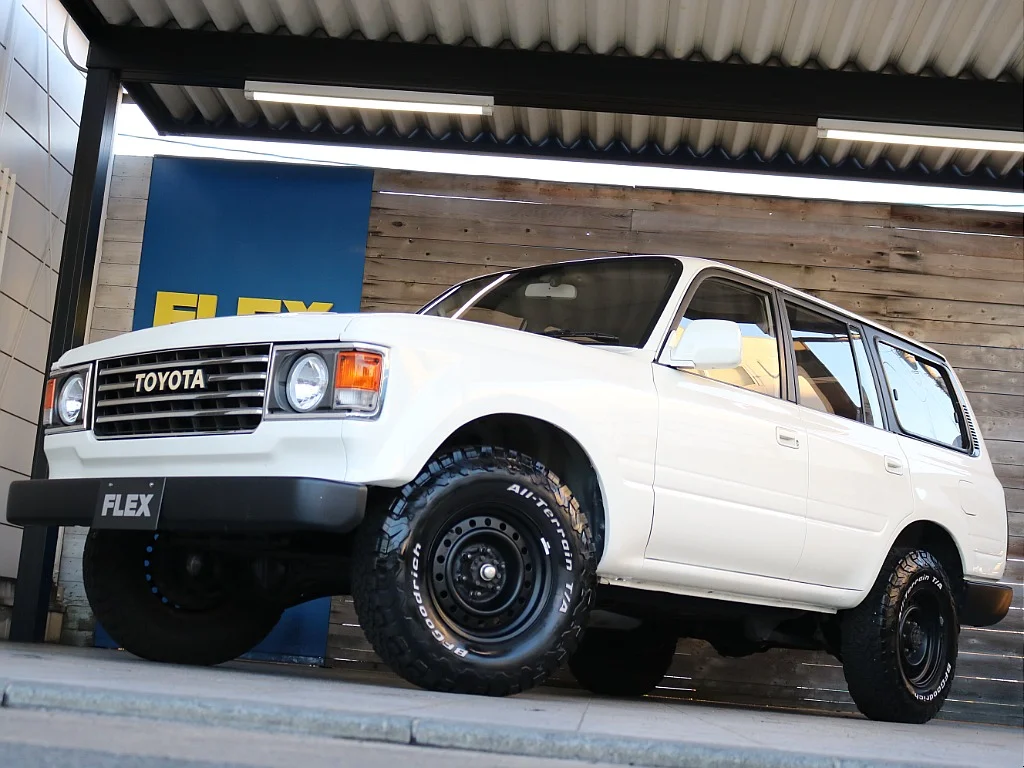
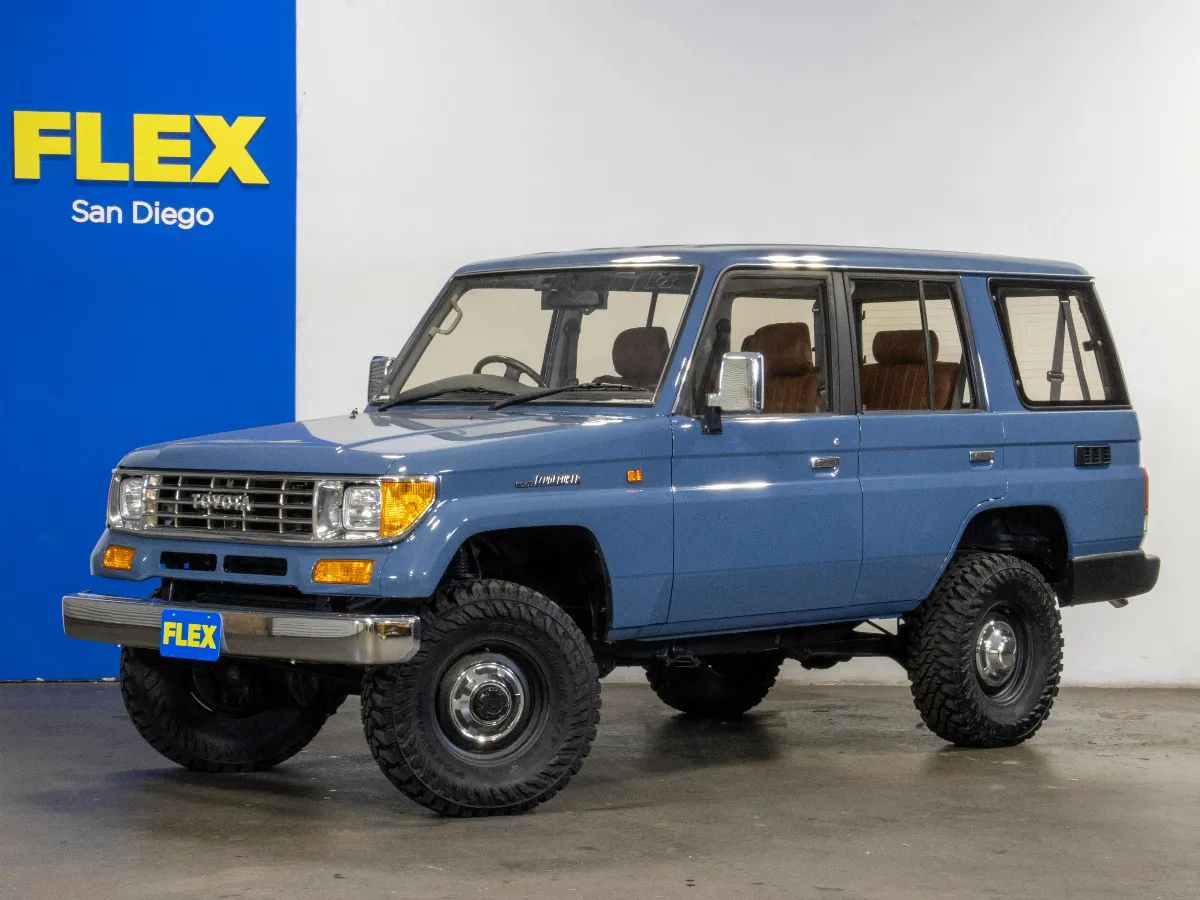
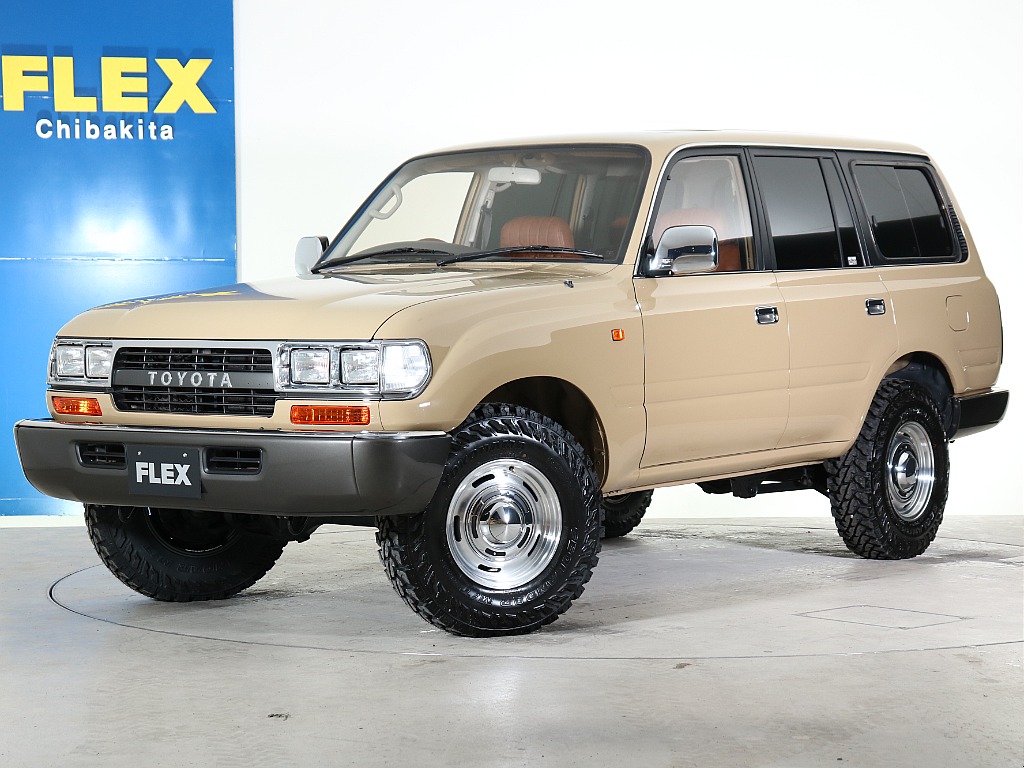
Quick Answer: Which Used Land Cruiser Is Right for You?
If you only read one table, make it this one. Prices are typical 2026 US figures for drivable, unrestored examples; see the price section for sources and ranges. FLEX inventory counts are as of November 2, 2026.
| Series | Years (US / Japan) | Engine | Typical 2026 price | Best for | FLEX inventory |
|---|---|---|---|---|---|
| 60 Series (FJ60 / FJ62 / HJ61) | 1981–1990 US; 1980–1990 Japan | 4.2L 2F or 4.0L 3F-E inline-six; 4.0L turbodiesel (HJ61, Japan) | Mid $20,000s to high $30,000s | Classic looks, weekend driving, collectors | 5 available for import, 1985–1989 (including 2 HJ61 diesels) |
| 70 Series | Never sold new in the US; 1984–present in Japan and other markets | 4.2L 1HZ diesel, 3.5L 1PZ diesel, others | High $20,000s to $40,000s; more for rare or low-mile trucks | Overlanding, utility, diesel fans | 12 available for import, 1991–1999 |
| 80 Series (FJ80 / FZJ80) | 1991–1997 US; 1989–1997 Japan | 4.0L 3F-E (1991–92) or 4.5L 1FZ-FE inline-six (1993–97) | Low $20,000s to low $30,000s; top examples far higher | The all-rounder: trails, road trips, families | 24 available for import, 1991–1996 |
| 100 Series | 1998–2007 US and Japan | 4.7L 2UZ-FE V8 (US); diesel options in Japan | High teens to high $20,000s | Daily driving, towing, best value | 3 available for import, 1998–2000 |
| 200 Series | 2008–2021 US; 2007–2021 Japan | 5.7L 3UR-FE V8 (US) | $30,000s for early trucks to $90,000-plus for Heritage Editions | Modern comfort, highway miles, heavy towing | None in stock; see all Land Cruisers |
💡 The short version
- Want a classic you can still drive every weekend? Look at the 60 Series, or an 80 Series if you want more comfort.
- Want one truck that does everything well? The 80 Series is the sweet spot, and the 100 Series is the better value if you do not need the collectible factor.
- Want modern safety and power? The 200 Series, ideally 2016 or newer.
- Want a diesel, a manual, or something nobody else at the trailhead has? The 70 Series, imported from Japan under the 25-year rule.
Why a Used Land Cruiser Still Makes Sense in 2026
Three things keep used Land Cruiser demand strong in the United States.
First, the current lineup does not replace the old trucks. Toyota brought the Land Cruiser back to the US for the 2024 model year after a two-year hiatus, but the new 250 Series is built on the TNGA-F platform shared with the Tundra, Sequoia, and Tacoma, and it is a lighter vehicle on essentially the same footprint as the 200 Series, with a turbocharged four-cylinder hybrid in place of the V8. The larger 300 Series is not sold in the US. Buyers who want a full-size, body-on-frame Toyota with a V8 still have to shop used.
Second, values have held up. Hagerty reported in late 2025 that Land Cruisers in its price guide had appreciated about 9 percent over five years in “good” condition, from roughly $22,000 to $24,000. Individual segments move differently, and we cover that below, but the broad picture is a vehicle that does not lose value the way a typical 15-year-old SUV does.
Third, these trucks were built to be repaired. Parts support from Toyota is still strong for the 80, 100, and 200, and the enthusiast community around all five series is large enough that almost every common failure has a documented fix.
How the Land Cruiser Lineup Breaks Down
Toyota has built the Land Cruiser in three parallel families since the 1980s, and understanding them makes the used market much easier to read.
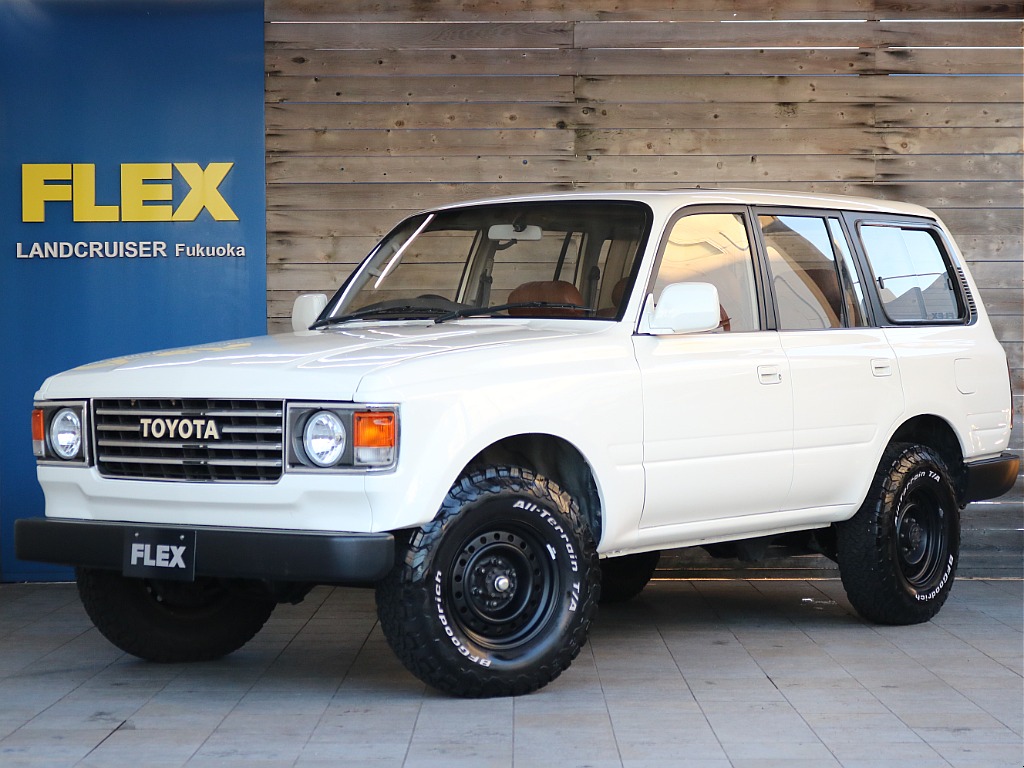
- The station wagon line is the one most Americans know: 60 Series (1980s), 80 Series (1990s), 100 Series (1998–2007), 200 Series (2008–2021), and now the 300 Series outside the US. Each generation got larger, heavier, and more luxurious.
- The heavy-duty line is the 70 Series, launched in November 1984 to replace the FJ40 in many markets, though never in the US. It is still in production today in several countries, which is why a 1990s 70 Series looks so familiar to anyone who has seen a current one.
- The light-duty line is the Prado family: the 70 Prado, 90, 120, 150, and the new 250 that now wears the plain “Land Cruiser” badge in the US.
For a year-by-year chart of every generation, see our Toyota Land Cruiser Generations – Year by Year With Chart. This guide focuses on the buying decision.
60 Series (FJ60 / FJ62, 1980–1990): The Classic
What You Get
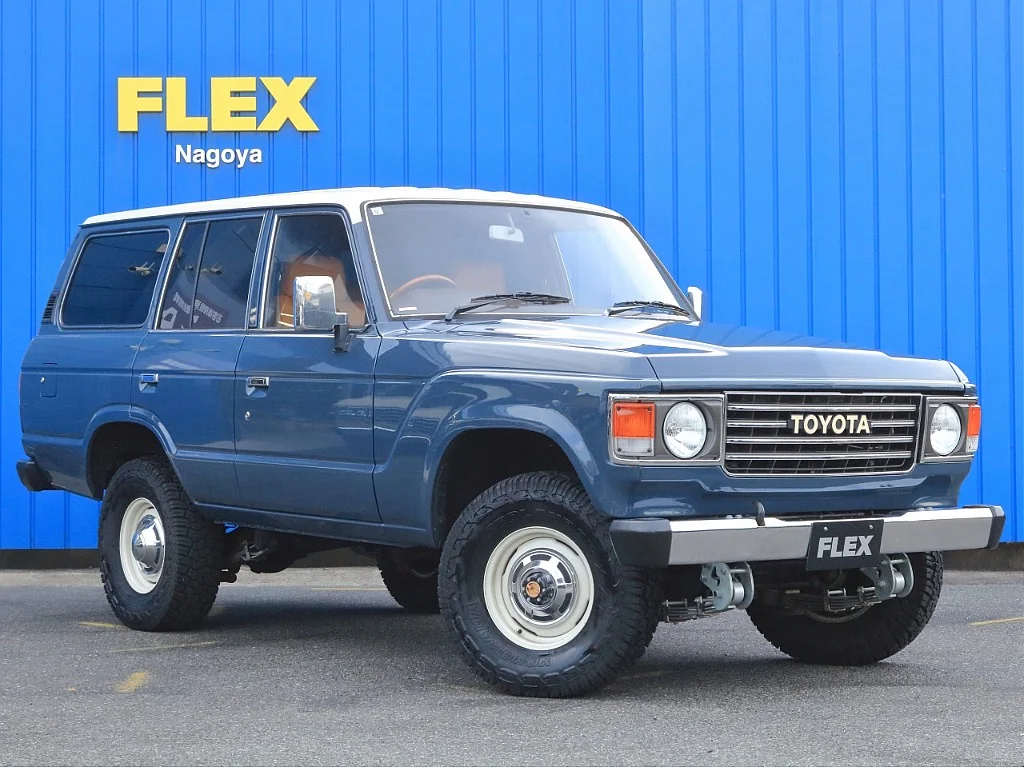
The 60 Series replaced the 55 Series for 1980 and reached US showrooms as the FJ60 for the 1981 model year. It is a solid-axle, leaf-sprung wagon with a 4.2-liter 2F inline-six, a carburetor, and a manual transmission. For 1988 Toyota introduced the FJ62 with a fuel-injected 4.0-liter 3F-E making 155 horsepower, paired with an automatic transmission, both firsts for a US Land Cruiser. The FJ62 ran through 1990.
The Japanese market got more variety. FLEX regularly imports Japan-spec 60 Series trucks, including FJ62 wagons with a five-speed manual and the HJ61 with Toyota’s 4.0-liter turbodiesel, neither of which was offered here; two of the five 60s in our import inventory as of November 2, 2026 are HJ61s. Right-hand drive is the trade-off. For the full model history, see our Toyota Land Cruiser FJ60: History, Specs, and Images, and for the differences between the two US versions, see What Is the Difference Between FJ60 and FJ62?
What to Check Before You Buy
Rust is the deciding factor on any 60 Series. Specialists and long-time owners point to the same spots: the rear frame rails near the spare tire, the tailgate around the hinges, the windshield gasket corners, the roof drip rails, the rear inner wheel wells behind the folding seat, and the front fenders along the lower trim. Run a magnet along the rockers and rear quarters; body filler is common on trucks that look clean from ten feet away.
Mechanically, expect a 2F carburetor to need a rebuild at some point, and inspect the emissions plumbing, which some owners describe as prone to leaks. Check the power-steering box and pump for leaks, look for grease weeping from the front knuckles, and assume that 35-to-45-year-old rubber (seals, bushings, hoses) is due for replacement unless there are receipts. On the 3F-E, owners report that overheating can damage the head or head gasket, so treat any cooling-system neglect as a red flag.
2026 Prices & Who It’s For
The 60 Series market cooled in 2025–2026 after a long climb. Hagerty’s valuation data, as cited by Motorious in September 2026, puts a “good” condition FJ60/FJ62 at roughly $22,900, with a range of about $17,100 to $34,500 depending on condition, down more than 15 percent over the past year. Auction aggregator DriveIndex shows a median sale of $26,500 for the FJ60 and $29,000 for the FJ62 across more than 500 recorded sales. Exceptional, restored, or low-mile trucks still bring $40,000 to $50,000 and up.
Our Japan-sourced 60 Series inventory was priced from $31,179 to $40,063 as of November 2, 2026, before shipping and import fees, for 1985–1989 trucks with 106,000 to 183,000 miles: three FJ62s (two with the five-speed manual) and two HJ61 turbodiesels. Japanese examples tend to have less structural rust, which is the main reason buyers go this route.
Who should buy one: people who want the classic Land Cruiser look and are comfortable with 1980s driving dynamics and maintenance. If you want to use it as a daily driver, keep reading. For more on finding a good one, see our Guide to Finding the Perfect FJ60 for Sale.
70 Series (1984–Present): The Workhorse You Can Import
Why It’s Special in the US
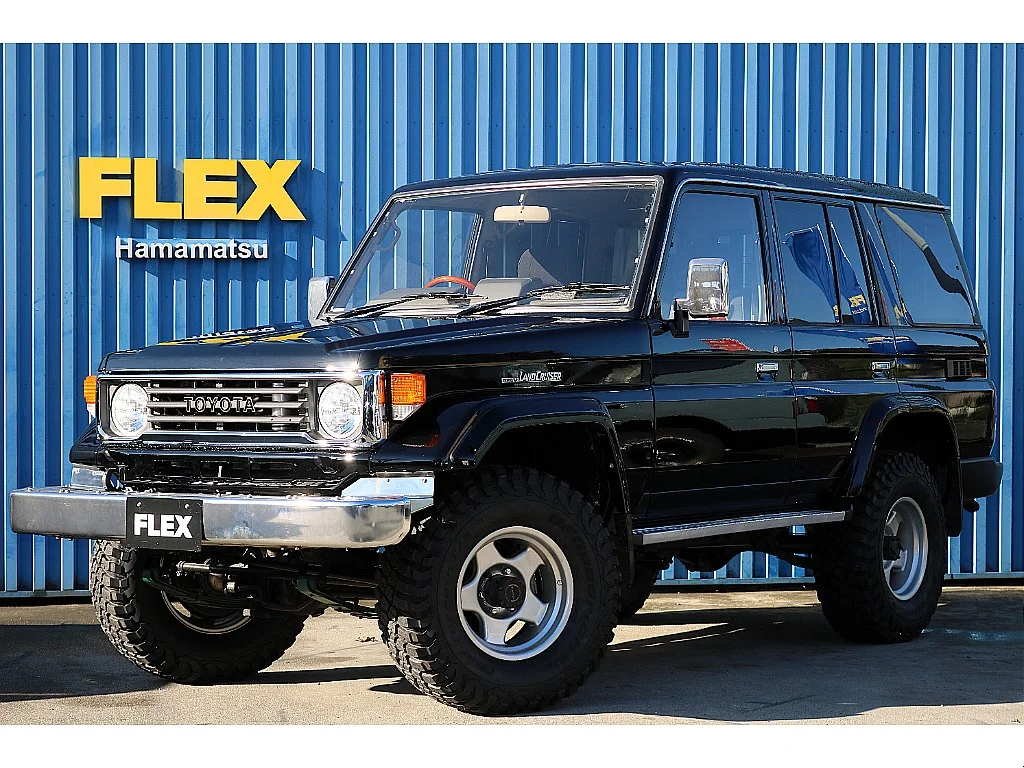
Toyota never sold the 70 Series new in the United States, so every one you see here was imported. Under federal law, a vehicle that is at least 25 years old (counted from its date of manufacture) is exempt from Federal Motor Vehicle Safety Standards, and the EPA exempts vehicles at least 21 years old in original configuration from emissions requirements. As of late 2026, that means 70 Series trucks built in or before November 2001 can be legally imported and titled (the clock runs month by month from the build date).
The 70 Series is also the only way to get a factory diesel Land Cruiser in the US. The most common imports are the HZJ73 and HZJ77 with the 4.2-liter 1HZ naturally aspirated diesel, the PZJ70 series with the 3.5-liter 1PZ diesel, and the earlier BJ74 with the 3.4-liter 13B-T turbodiesel. Most are right-hand drive with a manual transmission, though automatics exist. Body styles range from short-wheelbase soft-tops and FRP-top two-doors to the long-wheelbase HZJ77 wagon.
What to Check Before You Buy
Because these are 25-plus-year-old diesels, condition matters far more than mileage, and many Japanese-market trucks were used lightly. Owners who have shopped the segment recommend a compression test and a close look at service records. On the 1HZ, a leaking injection pump often shows up at the timing cover, and hard cold starts, rough idle until warm, and start-up smoke usually point to glow plugs or the glow relay rather than a worn engine. On the 13B-T, ask when the injectors were last serviced and check the turbo for shaft play.
Rust checks follow the same logic as the 60: rear rocker and pinch weld behind the rear wheels, rear wheel arches, the windshield frame, and the round tubular crossmember. Pull a tail light and look into the body cavity for signs of accident repair. On the electrical side, look for aftermarket wiring taps; 24-volt trucks fitted with 12-volt converters can suffer early battery failure if the load is unbalanced. If the head has been off, confirm an OEM gasket was used.
Finally, check the build plate and the paperwork. The 25-year clock runs from the manufacture date, not the model year, and the import documents (HS-7 and EPA Form 3520-1) should match the VIN on the truck.
2026 Prices & Who It’s For
Published US asking prices for 1990s HZJ77s have clustered around $28,000 to $32,000 over the past two years, and a Virginia importer listed 1994–1995 70 Series trucks at $32,995 in fall 2026. Classic.com’s market benchmark for the 70 Series sits near $28,500, with a 2000 HZJ76 selling for $39,250 in November 2025 and 1980s BJ74s ranging from about $17,000 to $39,000.
FLEX had 12 Land Cruiser 70s available for import as of November 2, 2026, from $24,198 for a 1991 HZJ73 FRP-top with the 1HZ to $61,005 for a 29,800-mile 1998 truck, before shipping and import fees. The median was just under $35,000. We also carry the light-duty 70 Prado (25 units, 1993–1996, from $23,564), which shares the look but rides on a lighter chassis with smaller engines.
Who should buy one: overlanders, diesel enthusiasts, and anyone who wants a truck that is still built new today but can be owned here only as a classic. For the full import process, see our How to Get a Toyota Land Cruiser 70 Series in USA.
80 Series (FJ80 / FZJ80, 1990–1997): The Sweet Spot
3F-E vs. 1FZ-FE and Factory Lockers
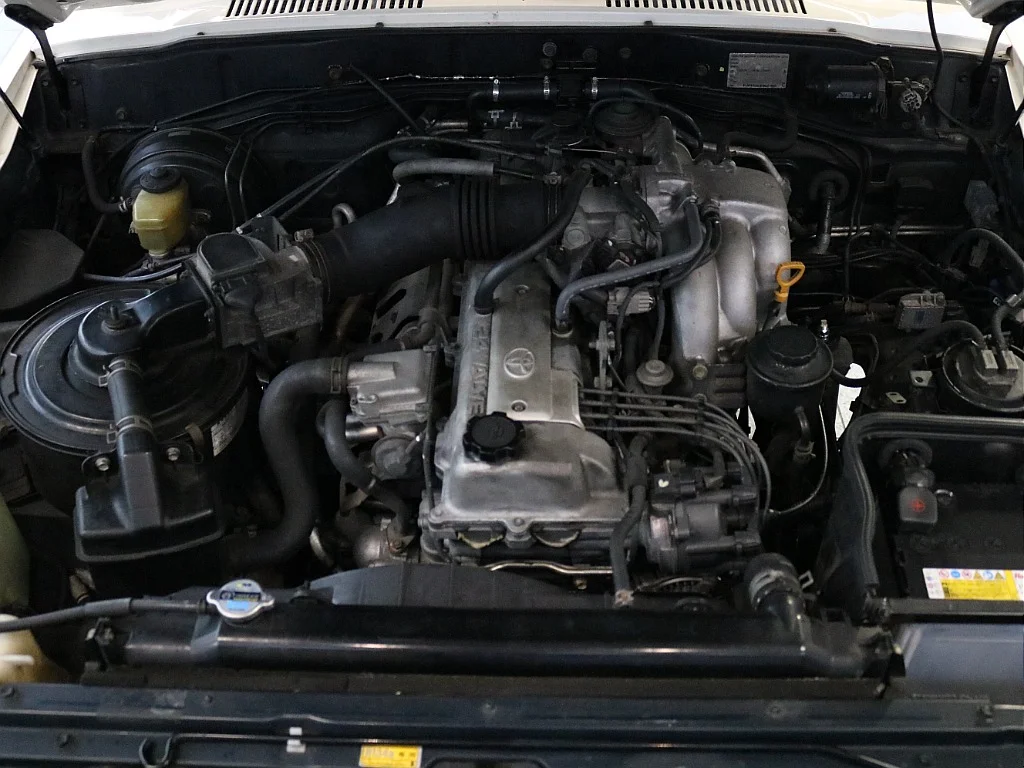
The 80 Series arrived in spring 1990 as a 1991 model and was the first Land Cruiser wagon with coil springs at all four corners, which is why it rides so much better than a 60. The 1991–1992 FJ80 kept the 155-horsepower 3F-E. For 1993 Toyota fitted the all-new 4.5-liter, 24-valve DOHC 1FZ-FE inline-six with 212 horsepower and 275 lb-ft of torque, and the truck became the FZJ80. All US 80s used a four-speed automatic and full-time four-wheel drive.
Front and rear locking differentials were available on US 80 Series trucks, and they are the single most valuable option on the used market. Hagerty estimates that factory lockers add roughly $2,000 to a truck’s value. You can confirm lockers by the switch on the dash and the transfer-case code sticker, and you should test them: in low range on gravel, the dash lights should blink and then go solid when engaged.
Japanese-market 80s add a 4.2-liter 1HD-T and 1HD-FT turbodiesel and a manual transmission option, which is why FLEX’s 80 Series inventory is almost entirely Japan-sourced.
What to Check Before You Buy
The 1FZ-FE head gasket is the issue every 80 Series buyer hears about first. Owners describe it as the biggest single weak point of the engine, usually traced to cooling-system neglect. Look for oil and coolant mixing, ask for compression numbers, and ask whether OEM parts were used if the job has already been done. A truck with a documented head gasket replacement is often the safer buy.
Next is the “PHH,” a short heater hose buried under the intake manifold. When it fails it is a sudden coolant loss, not a slow drip, so ask whether it has been replaced. Check the front knuckles for leaking grease and the hubs for play; a knuckle rebuild with new birfields and wheel bearings is routine maintenance on an 80, but it is not cheap. Inspect the frame around the rear upper shock mounts, the rockers at the wheel wells, and the rear wheel wells near the third-row seat brackets, and look for rusted rear heater hard lines. Sunroof drains and cracked intake boots round out the usual list.
2026 Prices & Who It’s For
The 80 Series is the Land Cruiser that has appreciated the most. DriveIndex records a median auction sale of $25,750 for the FZJ80, with value-by-year figures from about $22,800 (1996) to $30,900 (1997). Classic.com’s benchmark, as of early November 2026, is $26,713 for the FZJ80 and $23,326 for the 80 Series overall. At the top of the market, 1997 Collector’s Edition and 40th Anniversary trucks sold for $34,750 to $54,000 on Bring a Trailer in 2025, and a 1997 FZJ80 sold for $170,000 on Bring a Trailer in 2024, according to The Drive, with five other 80s topping $100,000 on that platform.
Our 80 Series inventory was priced from $24,198 to $33,717 as of November 2, 2026, before shipping and import fees, for 1991–1996 Japan-spec trucks with roughly 93,000 to 150,000 miles. A 1994 FZJ80 VX Limited with 147,886 miles was listed at $26,102, for example.
Who should buy one: almost anyone. The 80 is comfortable enough for a road trip, capable enough for serious trails, and old enough to be a collectible, which is why we call it the sweet spot. Our Toyota Land Cruiser 80 Series Buying Guide goes deeper on model years and trims.
100 Series (1998–2007): Best Value Daily Driver
2UZ-FE V8 and AHC Explained
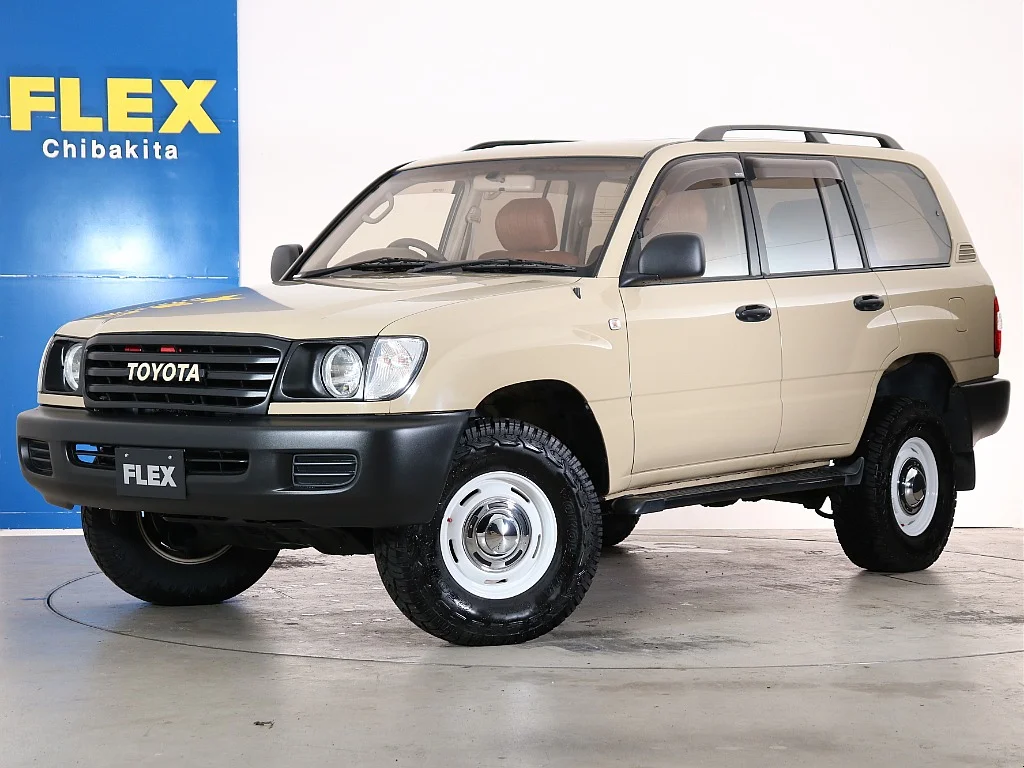
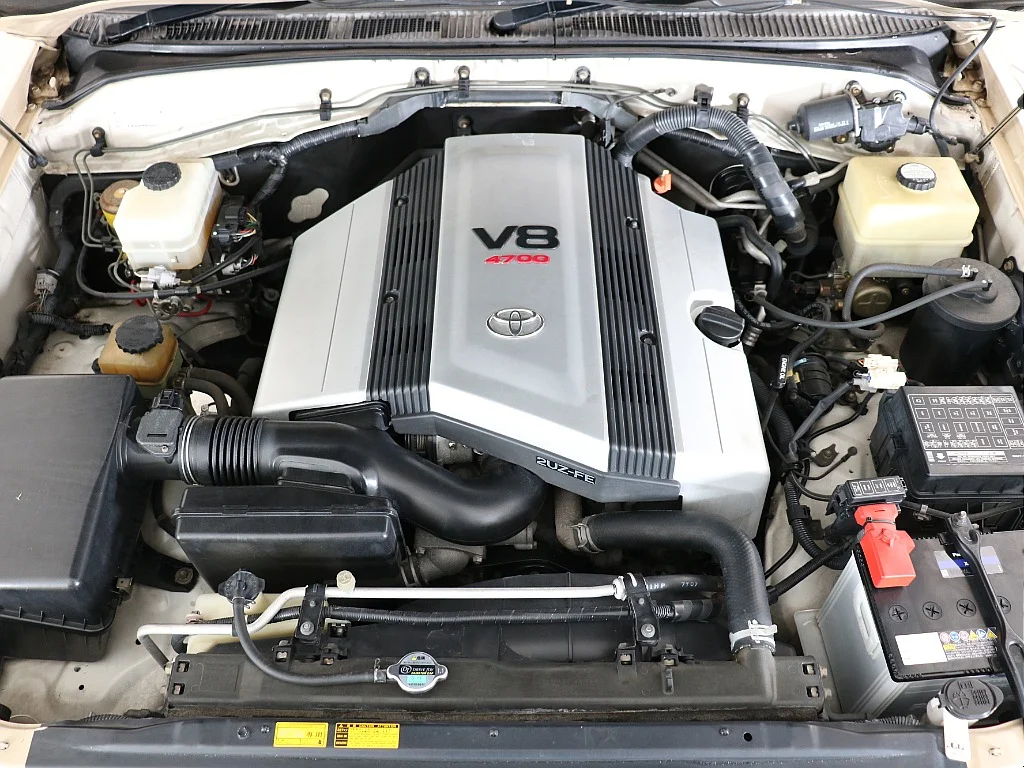
The 100 Series brought the Land Cruiser its first V8, the 4.7-liter 2UZ-FE, rated at 230 horsepower at launch in 1998. A five-speed automatic and a bump to 235 horsepower came for 2003, and variable valve timing raised output to 275 horsepower for 2006–2007. The 100 also switched to independent front suspension with torsion bars, which improved on-road manners while keeping a solid rear axle.
A common misconception is that no US Land Cruiser 100 had Toyota’s hydraulic Adjustable Height Control. In fact, AHC and adaptive variable suspension were optional on the US Land Cruiser for 2006–2007, and they were standard on the Lexus LX 470 from 1998. AHC gives a plush ride and adjustable ride height, but it adds hydraulic globes, a pump, and sensors that need maintenance. If you want the simplest truck, look for a 1998–2005 Land Cruiser or a 2006–2007 without the option.
What to Check Before You Buy
The 2UZ-FE uses a timing belt, and Toyota’s US maintenance schedule, as reproduced by owners, calls for replacement at 90,000 miles, with a time limit of 72 months on 1998–2003 trucks and 108 months on later ones. Ask for proof; a belt job also typically includes the water pump. The starter sits under the intake manifold, so a failing starter is an expensive labor job, and owners report the contacts wear out. On the front end, caked grease around the knuckles means an inner axle seal has failed; pull the knuckle fill plug and if the grease is runny, differential oil has been leaking into the knuckle.
Look for cracked plastic heater T connectors, which are a known weak point, inspect the steering rack bushings and power-steering hoses, and listen for noise lock to lock. Make sure the center differential lock engages and that the dash light works. In the cooling system, a replaced radiator or deposits in the overflow bottle may indicate past overheating. On Rust Belt trucks, check the frame carefully; Japan-sourced 100s typically have less corrosion.
2026 Prices & Who It’s For
The 100 Series is the cheapest way into a V8 Land Cruiser. Classic.com’s benchmark, as of early November 2026, is $22,728, with 1999 examples ranging from about $12,500 to $45,000 over five years of sales. DriveIndex’s median auction sale is $26,048, and Kelley Blue Book’s fair purchase price for a 2005 Land Cruiser was roughly $16,000 to $17,000 depending on region (as of November 2026). Clean, high-mile daily drivers routinely change hands in the high teens.
FLEX had three Japan-spec 100 Series trucks available for import as of November 2, 2026, from $19,756 for a 1998 with 54,059 miles to $29,275 for a 2000 with 96,313 miles, before shipping and import fees.
Who should buy one: anyone who wants a Land Cruiser as transportation first. It tows up to 6,500 pounds, seats eight, and is the least likely of the five to attract a crowd. For more on specific years and trims, see our How to Buy a Used Land Cruiser 100.
200 Series (2008–2021): The Modern Choice
3UR-FE, KDSS and the 2016 Facelift
The 200 Series launched in the US for 2008 with the 5.7-liter 3UR-FE V8 making 381 horsepower and 401 lb-ft of torque, a six-speed automatic, and the Kinetic Dynamic Suspension System (KDSS), which hydraulically relaxes the stabilizer bars off-road for more wheel travel. Towing capacity was 8,500 pounds at launch, 2,000 pounds more than the 100.
The 2016 facelift is the dividing line in the used market. It brought a new front end, an eight-speed automatic, Toyota Safety Sense P (TSS-P) with pre-collision braking and adaptive cruise control, and a towing rating of 8,100 pounds. For 2020 and 2021 Toyota offered the two-row Heritage Edition in limited numbers (reported as 1,200 units for 2020), with bronze BBS wheels and a Yakima roof rack. US sales ended after the 2021 model year.
What to Check Before You Buy
The 3UR-FE is a durable engine, but owners point to a few recurring items. Some owners of early 2008 trucks report water pump failures, and a pump replacement after 100,000 miles is commonly mentioned. Oil seeping from the cam towers, which are sealed with RTV rather than a gasket, is the most discussed leak; it is not visible from underneath, so look inside the front wheel wells and check for a burning-oil smell near the exhaust manifolds. KDSS valves can corrode in salt states, and a rear KDSS unit or valve replacement is a four-figure repair.
Check for a driveline “thunk” on throttle transitions, which some owners trace to the propeller shaft, and confirm that recall work is complete. Toyota’s low-pressure fuel pump recalls covered 2014–2015 Land Cruisers (NHTSA 20V-012) and 2018–2019 Land Cruisers (NHTSA 20V-682), so run the VIN through NHTSA before you buy. Service records from a Toyota or Lexus dealer are easier to find on a 200 than on any older series, so insist on them.
2026 Prices & Who It’s For
The 200 Series has the widest price spread of the five. DriveIndex’s value-by-year figures climb from about $28,000 for a 2008 to $53,000 for a 2014, $58,000 for a 2016, and over $100,000 for 2018–2020 trucks, though they are based on a small sample of 48 auction sales that skew toward low-mile examples. Retail is lower: CarGurus listed a market value of about $53,400 for a 2017 Land Cruiser in fall 2026, and TrueCar’s average listing across all years was about $53,000. Heritage Editions remain the exception, with 2021 examples selling for $93,000 to $95,500 in late 2025 and early 2026.
FLEX did not have a 200 Series in stock as of November 2, 2026. The Japan-market 200 was sold until 2021 but with different equipment, so most US buyers shop domestic. Browse our current Land Cruiser inventory for what is available, and read our Land Cruiser 200 Series: Best Years, Years to Avoid & Used Buying Guide for a year-by-year breakdown.
Who should buy one: buyers who want modern safety equipment, a quiet highway ride, and real towing capacity, and who plan to keep the truck for a decade.
Side-by-Side: 60 vs. 70 vs. 80 vs. 100 vs. 200
Specifications below are for representative models (US-market FJ62, FZJ80, 2007 LC100 and 2021 LC200; Japan-market HZJ77 long-wheelbase wagon) from Toyota press materials and published spec sheets.
| 60 Series (FJ62) | 70 Series (HZJ77) | 80 Series (FZJ80) | 100 Series (2007) | 200 Series (2021) | |
|---|---|---|---|---|---|
| Engine | 4.0L 3F-E I6, 155 hp | 4.2L 1HZ diesel I6 | 4.5L 1FZ-FE I6, 212 hp / 275 lb-ft | 4.7L 2UZ-FE V8, 275 hp | 5.7L 3UR-FE V8, 381 hp / 401 lb-ft |
| Transmission | 4-speed automatic (US) | 5-speed manual (most) | 4-speed automatic | 5-speed automatic | 8-speed automatic |
| Suspension | Leaf springs, solid axles | Solid axles; coil front on later trucks | Coil springs, solid axles | IFS with torsion bars, solid rear | IFS, solid rear, KDSS |
| Length | 184.0 in | 184.8 in (4,695 mm) | 189.8 in | 192.5 in | 194.9 in |
| Curb weight | About 4,480 lb | About 4,450 lb (2,020 kg) | 4,751 lb | 5,425 lb | 5,815 lb |
| Towing (US rating) | Not rated for modern trailers | Not US rated | 5,000 lb | 6,500 lb | 8,100 lb (8,500 lb 2008–2014; 8,200 lb 2015) |
| EPA combined | Not rated under current test | Not US rated | 13 mpg (1997) | 13 mpg (2005) | 14 mpg (2021) |
| Off-road | Excellent, basic | Excellent, purpose-built | Excellent, with lockers | Very good | Very good, most electronic aids |
| Daily comfort | Low | Low | Medium | High | Highest |
| Parts availability | Good, some NLA | Good via Japan and Australia | Excellent | Excellent | Excellent |
| Collectibility | High | High (rarity) | Highest | Low to medium | Low, except Heritage |
A few numbers in that table deserve context. Fuel economy is poor across the board; a 13 to 15 mpg combined rating is normal, and the diesel 70 is the only one that improves on it meaningfully. Length and weight grow about five inches and 1,000 pounds from the 80 to the 200, which matters on tight trails and in garages.
What About the Prado and the Lexus LX?
Two neighbors of the Land Cruiser deserve a mention because they often cost less for similar hardware.
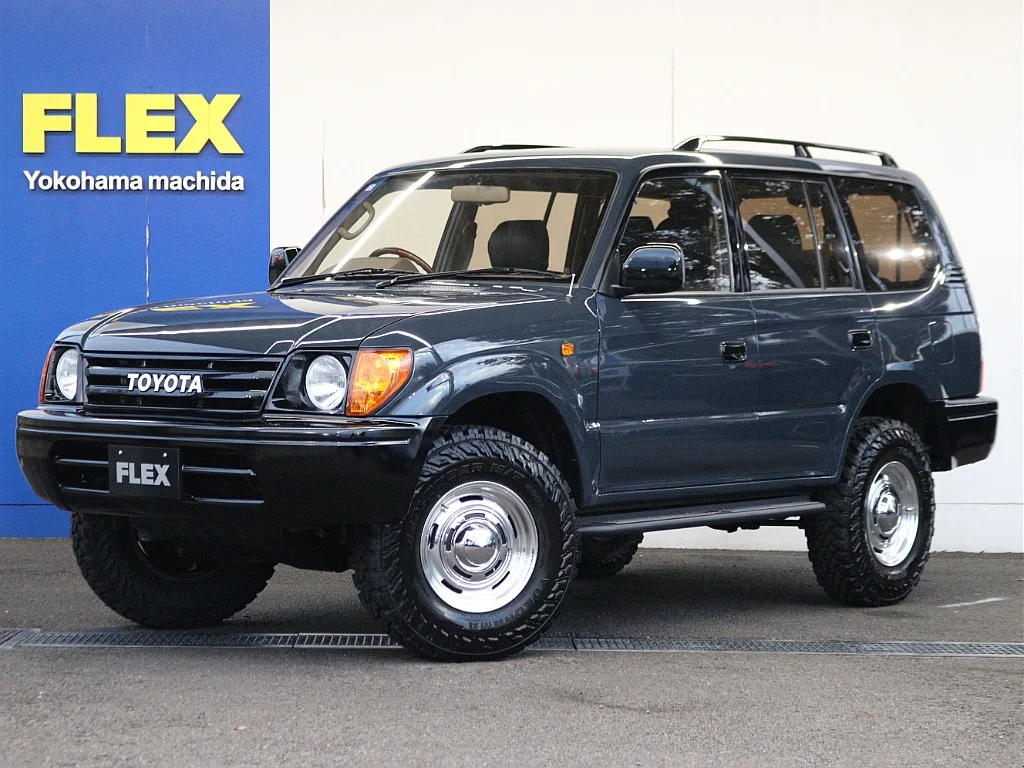
The Land Cruiser Prado is Toyota’s light-duty line and was never sold in the US under that name until the 2024 Land Cruiser, which is a 250 Series Prado underneath. The 70 Prado (1990–1996) and 90 Prado (1996–2002) are now legal to import and make up the largest share of our inventory: 25 and 46 units respectively as of November 2, 2026, from the low $20,000s. The 120 Prado (2002–2009) shares its platform with the Lexus GX 470 and the fourth-generation 4Runner, and the earliest examples will begin crossing the 25-year line in late 2027. See our Complete Guide to Pre-Owned Toyota Land Cruiser 120 Prado and our Prado inventory.
The Lexus LX is a Land Cruiser with a different badge: the LX 450 is an 80 Series, the LX 470 is a 100 Series with AHC, and the LX 570 is a 200 Series. Because Lexus trim is seen as less rugged, LX models often sell for less than the equivalent Land Cruiser despite more equipment. Our Lexus LX 470 For Sale – 5 Tips to Buy One covers the 100-based LX in detail.
Used Land Cruiser Prices in 2026: What to Expect
Here is how the five series compare on price, using auction medians (which skew toward above-average trucks), market benchmarks, and our own import inventory. All FLEX prices are as of November 2, 2026, before shipping and import fees, and are subject to change with tariffs and regulations.
| Series | Auction median (DriveIndex) | Market benchmark (Classic.com / Hagerty) | Typical retail range | FLEX import inventory |
|---|---|---|---|---|
| 60 Series | $26,500 (FJ60), $29,000 (FJ62) | About $22,900 “good” (Hagerty); $32,344 FJ60 benchmark | $17,000–$35,000; restored $40,000+ | $31,179–$40,063 (5 trucks) |
| 70 Series | n/a (few US auctions) | About $28,500 benchmark | $25,000–$40,000 asking | $24,198–$61,005 (12 trucks), median about $35,000 |
| 80 Series | $25,750 (FZJ80) | $26,713 FZJ80; $23,326 all 80s | $18,000–$35,000; special editions $35,000–$55,000 | $24,198–$33,717 (24 trucks) |
| 100 Series | $26,048 | $22,728 | $12,500–$30,000; low-mile late trucks higher | $19,756–$29,275 (3 trucks) |
| 200 Series | $66,600 overall; about $28,000 (2008) to $110,000 (2020) | About $53,000 retail average (CarGurus / TrueCar) | $30,000 (early) to $95,000 (Heritage) | None in stock |
The trends behind the numbers:
- The 80 Series has done the most appreciating, and its best examples now sell for what a new 250 costs. Lockers, low miles, and the 1997 special editions drive the premiums.
- The 60 Series peaked and pulled back. Hagerty data cited by Motorious showed a drop of more than 15 percent in “good” condition values over the year to September 2026. That makes 2026 a reasonable time to buy one if you have been waiting.
- The 100 Series is still undervalued relative to what it does, and it is the series where a careful buyer can find a well-maintained truck under $20,000.
- Japan-sourced trucks carry a premium for condition, not for rarity. Our import prices for 60s and 80s sit toward the upper half of the US retail range because the trucks have typically avoided road salt and were maintained to Japanese inspection standards. Add shipping and import costs and compare against a US truck that may need rust repair.
USDM vs. JDM Import: Which Should You Buy?
For the 60, 80, and 100 Series you have a choice between a US-market truck and one imported from Japan. For the 70 Series, import is the only option. Here is how we think about the decision.
Legal basis. Federal law exempts vehicles that are at least 25 years old, counted from the date of manufacture, from US safety standards, and the EPA exempts vehicles at least 21 years old in original, unmodified configuration from emissions requirements. In late 2026 that covers anything built in or before November 2001, which includes every 60, 70 Prado, 80, and the first years of the 100 and 90 Prado.
Right-hand drive. Japanese-market trucks are right-hand drive. Federal import rules do not restrict steering-wheel position, and right-hand-drive imports are titled and driven across the country, but drive-through windows and left turns across traffic take getting used to. Some states have additional inspection or titling steps for imported vehicles, so check your DMV before you buy.
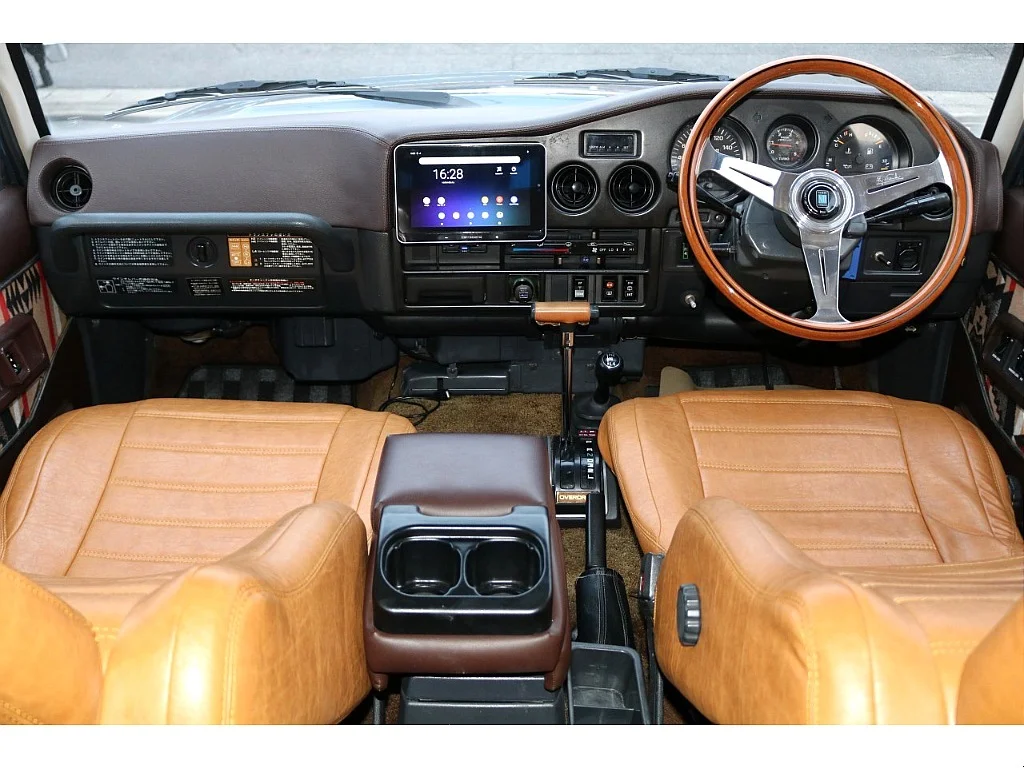
Diesel and manual options. The 1HZ, 1HD-T, and 1HD-FT diesels and the five-speed manuals were never offered in the US. If you want them, you are importing.
Rust. Japan uses far less road salt than the US Snow Belt, and the Japanese inspection system (shaken) discourages running a car with structural corrosion. That is the main reason an imported 80 or 60 often has a cleaner frame than a US truck of the same age. It is not a guarantee, which is why we still recommend the frame checks in each section above.
Price and process. Expect to pay the vehicle price plus shipping, customs duty, port fees, and state registration. At FLEX, the vehicles listed as “Available for Import” on our site are in Japan; we provide a total cost estimate on request, and the final price can change with tariffs, taxes, or import regulations. The trade-off for the longer wait is that you pick the exact truck from a much larger pool than exists in the US.
Used Land Cruiser Inspection Checklist (All Series)
Print this and take it with you. It applies to every series; the earlier sections cover the model-specific items.
✅ Pre-purchase checklist
- Frame and underbody. Look at the rear frame rails, crossmembers, shock and spring mounts, and body mounts. Tap suspect areas with a screwdriver handle. Surface rust is normal; scaling or soft metal is not.
- Body rust. Rear quarters, rockers, tailgate, windshield frame, and under the carpet in the cargo area. Bring a magnet.
- Cooling system. Coolant color and level, radiator condition, signs of past overheating, and on the 80 and 100, evidence of head gasket, PHH, and heater-T work.
- Driveline. Engage four-wheel drive, the center diff lock, and any axle lockers in low range on loose ground. Listen for clunks on throttle transitions.
- Front axle and steering. Grease at the knuckles, play in the hubs, leaks at the steering box or rack, and wander on the test drive.
- Service history. Timing belt (100), head gasket (80), injection pump and glow plugs (70 diesels), water pump and KDSS (200). Receipts matter more than a seller’s memory.
- Title and import paperwork. Clean title in the seller’s name. For imports, the HS-7, EPA 3520-1, and customs entry should match the VIN and build plate, and the manufacture date must support the 25-year exemption.
- Modifications. Lifts, oversized tires, and armor are common. Each one changes what else you need to inspect, from caster correction to driveline angles.
- Vehicle history report. Run the VIN through NHTSA for open recalls and through a history service for accidents and title brands.
Our Picks by Use Case
- Daily driver on a budget: 100 Series, 2003–2005. The five-speed automatic, 235-horsepower engine, and no AHC make it the simplest V8 Land Cruiser to own.
- Overlanding and long trips off pavement: 80 Series FZJ80 with factory lockers, or a 70 Series HZJ77 if you want a diesel and can live with right-hand drive.
- Collector or weekend classic: 60 Series. Buy the cleanest body you can find and accept that the drivetrain will need attention.
- Family hauler and tow vehicle: 200 Series, 2016 or newer, for the eight-speed, the safety suite, and the 8,100-pound rating.
- Something different at the trailhead: 70 Series, full stop. Nothing else on this list is still being built new.
How We Put This Guide Together
Model years, engines, and towing figures come from Toyota’s US press materials and published specification sheets. Fuel economy figures are EPA combined ratings from fueleconomy.gov. Price data comes from auction aggregators DriveIndex and Classic.com, Hagerty’s price guide and market reports (including figures cited by Motorious), The Drive, Kelley Blue Book, CarGurus, and TrueCar, all retrieved in October and November 2026. Inspection points reflect long-running owner forum guides, including ih8mud and Slee Off-Road, and we describe them as owner reports rather than failure rates. FLEX inventory counts and prices are from our own listings as of November 2, 2026, and will change as vehicles sell and new ones arrive. We have not road-tested every configuration described here, and we do not make reliability claims beyond what the sources support.
Final Thoughts
There is no single best used Land Cruiser, but there is a best one for you. If you want the truck that does the most things well and holds its value, buy an 80 Series. If you want the same capability for less money and do not care about collectibility, buy a 100. If you want modern comfort and real towing, buy a 2016 or newer 200. If you want a classic, the 60 Series market has softened enough to make 2026 a good year to shop. And if you want a diesel, a manual, or a truck that is still in production today, the 70 Series is waiting in Japan, 25 years old and ready to import.
Whichever you choose, the inspection matters more than the series. A well-kept example of any of these five will outlast most new SUVs.
FAQs
Which Land Cruiser series is the most reliable?
Owners and market data point to the 100 Series and the 80 Series as the most trouble-free for the money, provided the known items (timing belt on the 100, head gasket and PHH on the 80) have been addressed. The 200 Series is also durable but costs more to repair when something does fail.
What is the best year for a used Land Cruiser?
It depends on the series. For the 80, 1995–1997 trucks with factory lockers are the most sought after. For the 100, 2003–2005 combine the five-speed automatic with the simpler suspension. For the 200, 2016 and newer bring the eight-speed and Toyota Safety Sense P. Our Land Cruiser 200 Series: Best Years, Years to Avoid & Used Buying Guide goes year by year.
How many miles is too many for a used Land Cruiser?
There is no hard limit. Many 80 and 100 Series trucks are driven past 300,000 miles, and well over half of the examples we see have more than 100,000. Service records and rust condition tell you far more than the odometer, especially on an imported truck.
What is the cheapest Land Cruiser to buy and own?
The 100 Series. Clean examples can be found in the high teens, parts are shared with the Tundra and Sequoia of the same era, and it does not need the specialist attention a carbureted 60 or an imported diesel 70 may require.
Can I legally import a 70 Series Land Cruiser to the US?
Yes, once the specific truck is at least 25 years old from its manufacture date. In late 2026 that covers 70 Series trucks built in or before November 2001. It must be imported in original configuration to use the EPA’s 21-year exemption, and some states add their own inspection or titling steps.
Land Cruiser 100 vs. 200: which should I buy?
Buy the 100 if budget matters and you want the simplest mechanical package. Buy the 200 if you tow regularly, want modern safety equipment, or plan to keep the truck another ten years. The 200 costs roughly twice as much for comparable condition, and its repairs cost more, but it is a much more modern vehicle.
Looking for a JDM of your dream?
As one of the top Land Cruiser vendors in Japan, our specialists will assist you to acquire your dream vehicles.