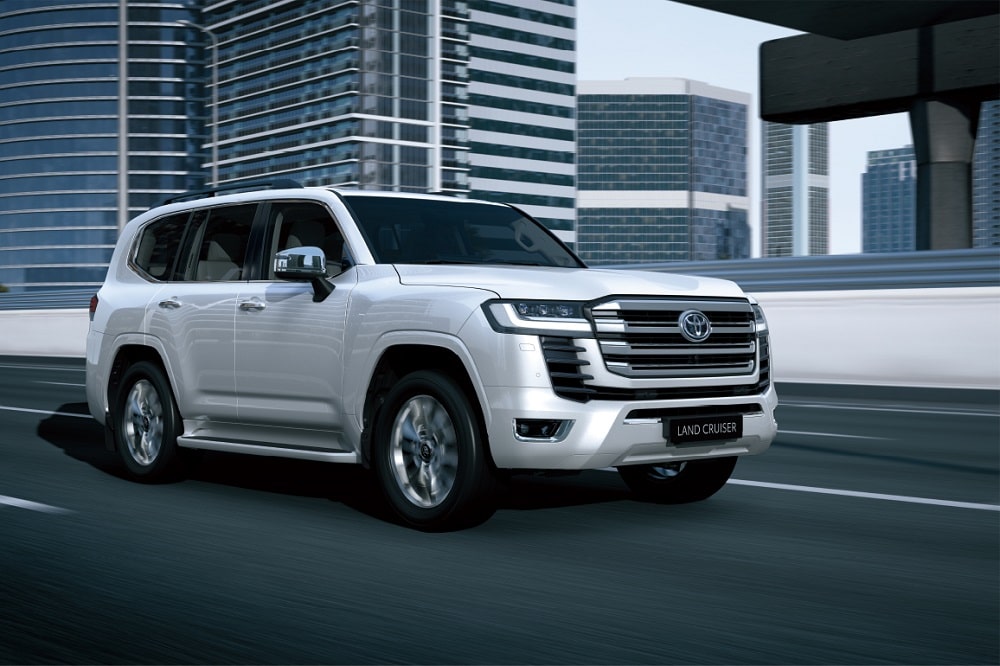


Whether you own a Land Cruiser or are planning to buy one, you’d definitely be interested to know about the Toyota Land Cruiser generations. I can get that excitement, and it’s worth it. With my experience, I can tell you that the Land Cruiser stands out for its unshakable reputation.
In this article, I walk you through the various Toyota Land Cruiser generations, what changed, when, and why it matters today. I’ll explain each generation, highlight the standout features and show you how each one built on the last. Let’s get started on this journey through off-road heritage and real-world capability.
- Toyota Land Cruiser Generations Explained
- 1. First Generation (BJ / FJ / J20, ~1951-1955)
- 2. Second Generation (J20 / J30, ~1955-1960)
- 3. Third Generation (J40 series, 1960-1984)
- 4. Fourth Generation (J50 / 55 / 60 Series, 1967-1980s)
- 5. Fifth Generation (J80 / J100 Series, ~1990-2007)
- 6. Sixth Generation (J200 Series, 2008-2021)
- 7. Seventh Generation (J300 / J250 / 2024-Present)
- Toyota Land Cruiser Generations – Detailed Chart Overview
- Final Thoughts
- Frequently Asked Questions
Toyota Land Cruiser Generations Explained
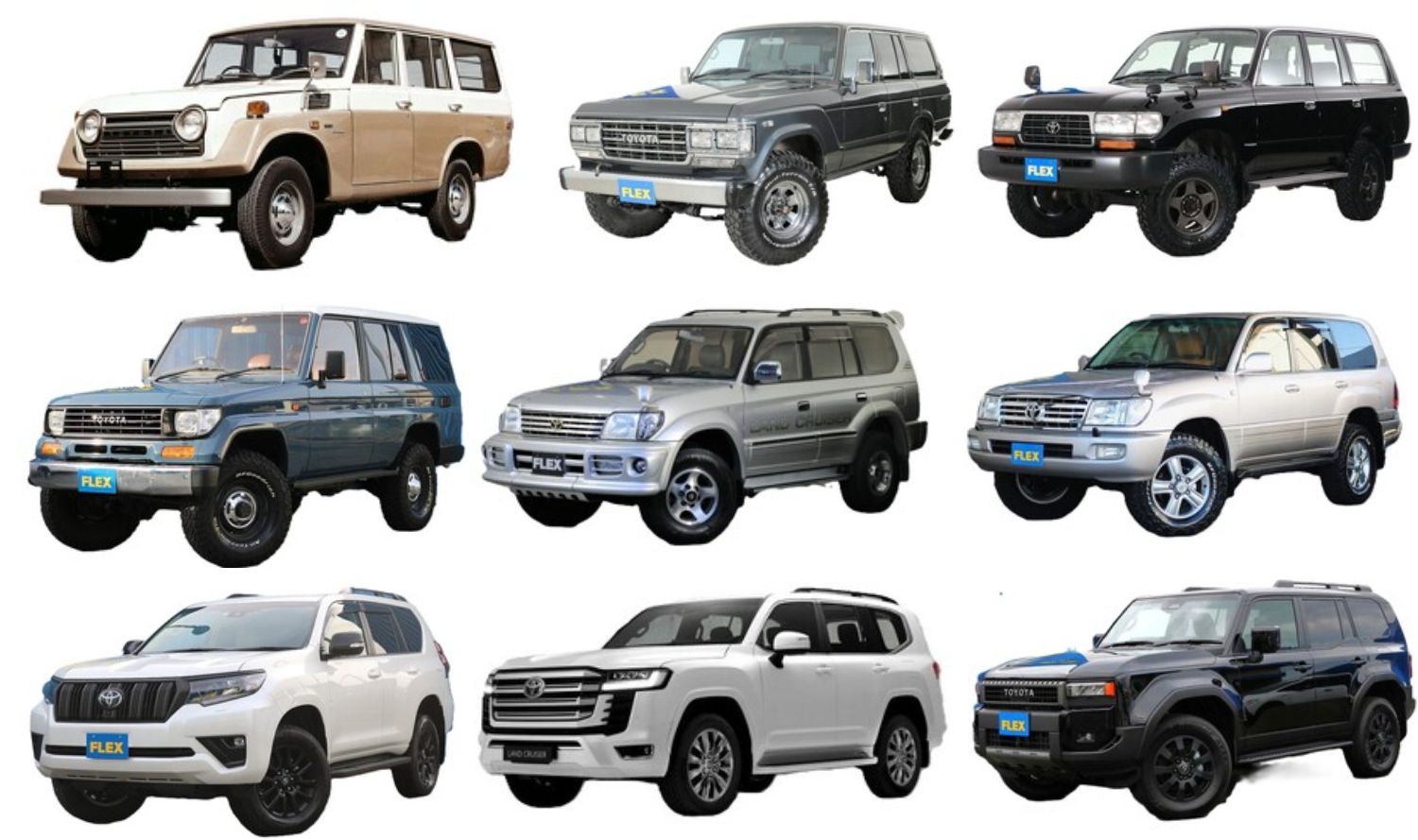
The Land Cruiser has evolved through decades of rugged service, blending military beginnings, overland adventure, premium refinement, and modern hybrid tech. If you’d like a deeper dive into the full historical context of the model, check out my earlier piece on its history. Now, let’s break down each generation:
1. First Generation (BJ / FJ / J20, ~1951-1955)
In 1951, Toyota introduced what would become the Land Cruiser lineage, based on the “BJ” series vehicle that had served in the Korean War era. Its sturdy construction, simple boxy body, and 3.4 L inline-6 engine made it a true workhorse.
As I test-drove later restorations of this era, you instantly sense the minimalism and ruggedness—no luxury extras, just raw capability. This generation set the tone: body-on-frame, full-time or selectable 4WD, and Toyota’s commitment to reliability in harsh conditions.
2. Second Generation (J20 / J30, ~1955-1960)
With the J20 series (from about 1955), Toyota looked to civil-market buyers as well as utilitarian use. Ride comfort improved slightly, the body got a more civilian layout, and the drivetrain remained strong and simple. In my hands, these early models feel more “civilized off-roader” than the very first, yet they hold true to the Land Cruiser DNA: rugged, faithful, and built to last.
3. Third Generation (J40 series, 1960-1984)
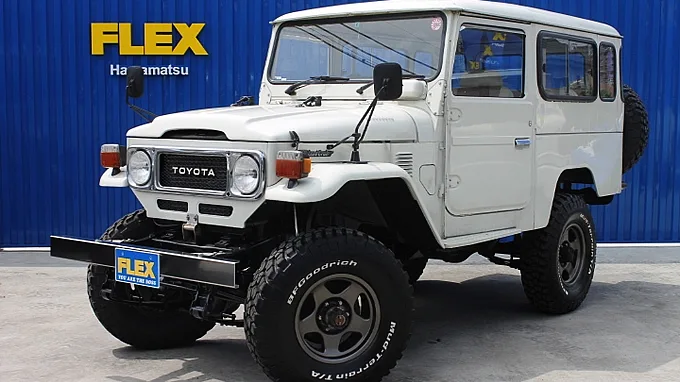
The J40 series became iconic: countless photos, desert treks, and overland expeditions attest to its capability. Underneath, it boasted the 3.9 L F-series petrol engine, selectable low-range gearing, and Toyota’s evolving 4WD mechanics. Driving a restored FJ40 in rough terrain reminded me how pure the experience is—raw steering, mechanical feel, no driver-aids, but utter dependability. This generation cemented the Land Cruiser’s legend.

4. Fourth Generation (J50 / 55 / 60 Series, 1967-1980s)
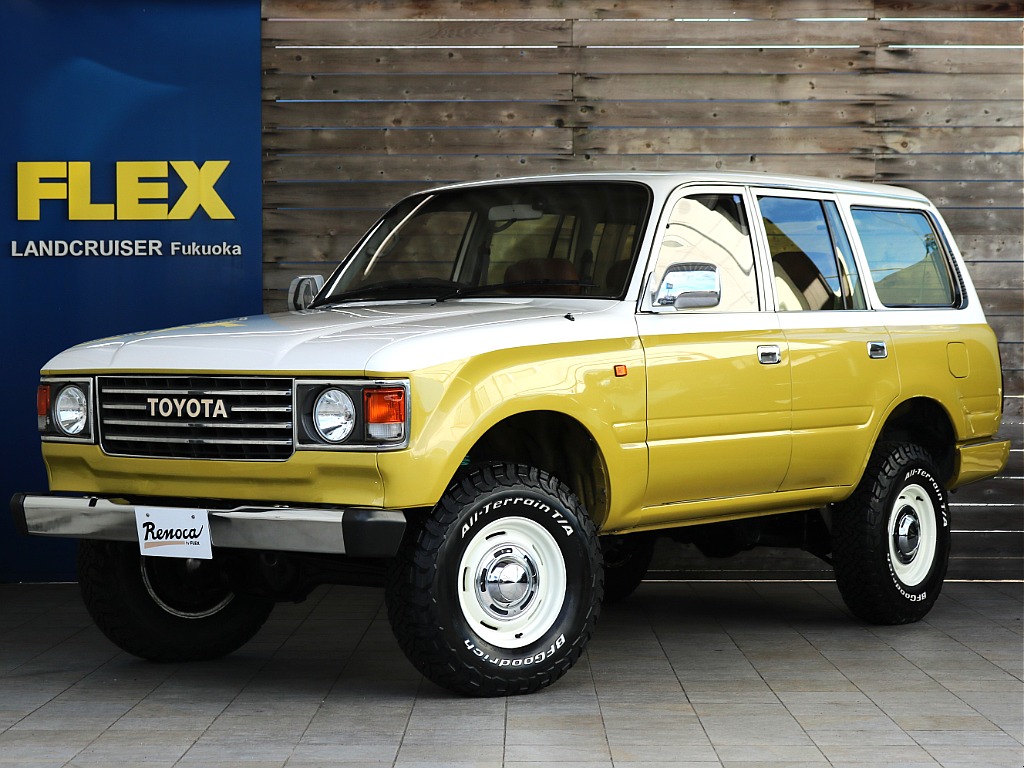
This era marked the shift to station-wagon style Land Cruisers, offering more passenger comfort. While still very off-road capable, you get more space, and Toyota started blending utility with family use.
I remember comparing a Land Cruiser from this period and noting how it began to bridge the gap: strong frame and 4WD heritage, yet more tuned for everyday use.

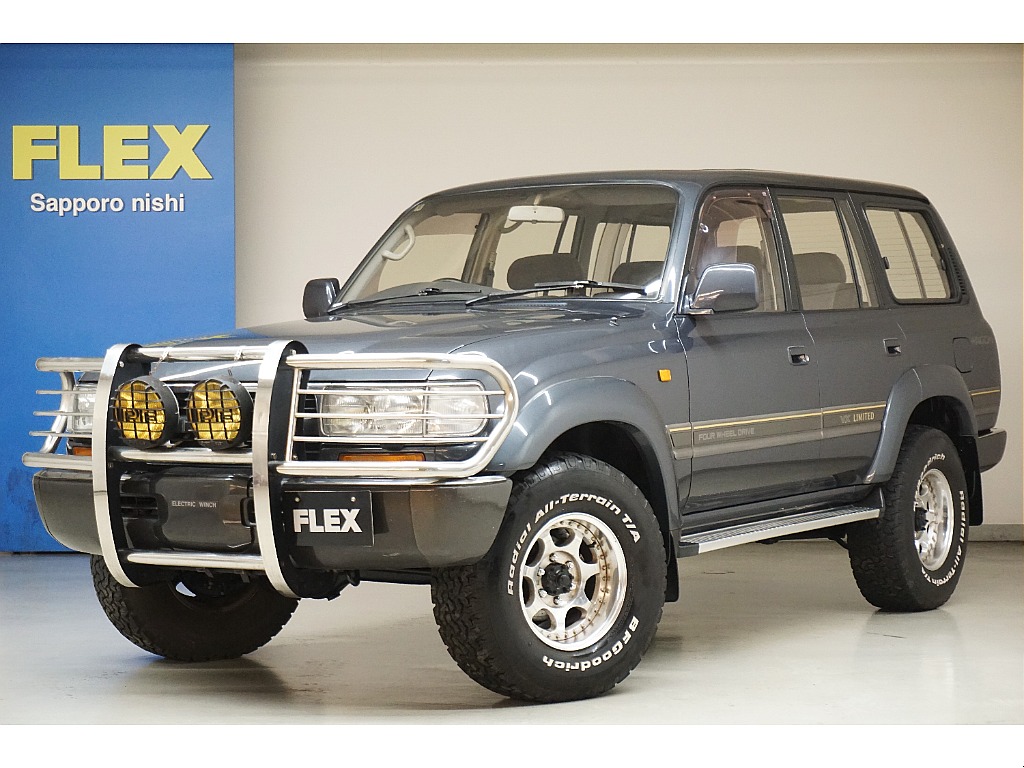
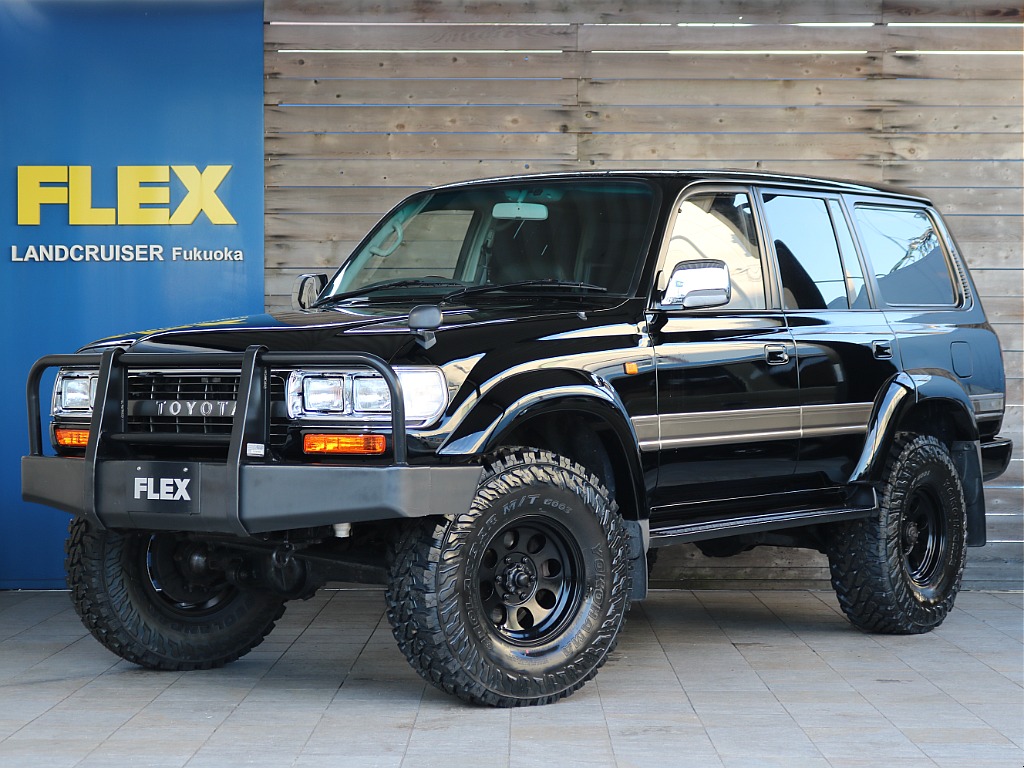
5. Fifth Generation (J80 / J100 Series, ~1990-2007)
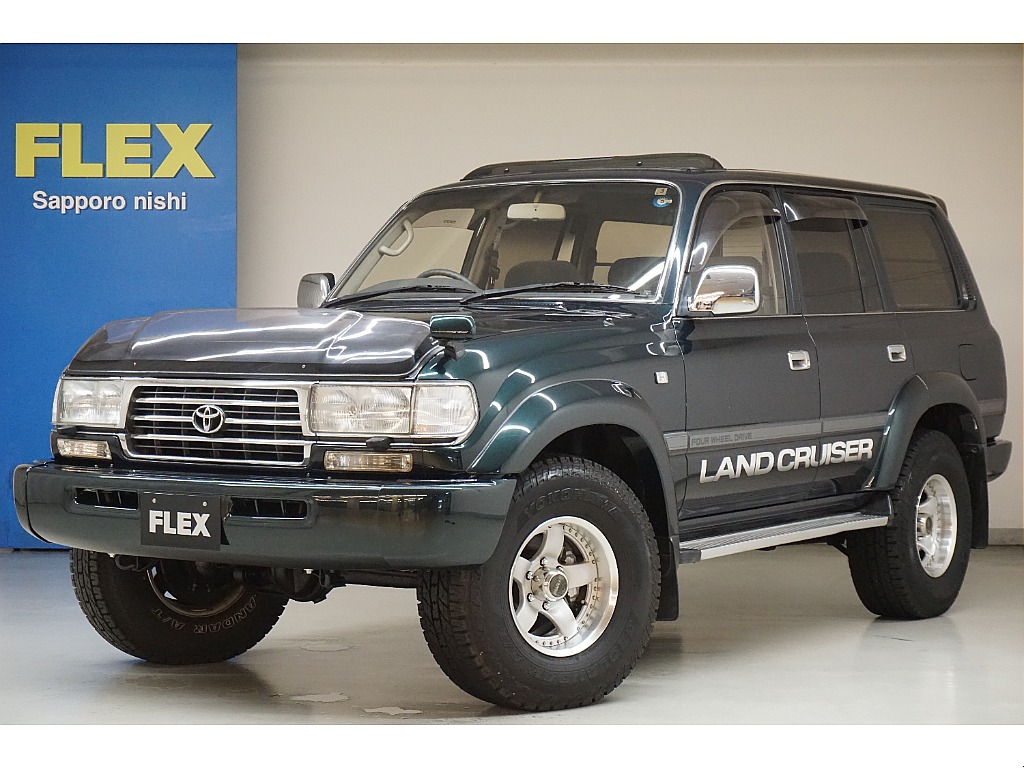
Jumping ahead, the fifth generation brought luxury into the frame. The J80 (launched in 1990) and subsequent J100 (1998-2007) refined the body-on-frame platform with coil-spring suspension, more refined interiors, and powerful engines including the legendary inline-6 and V8s.
From my test drives, the Land Cruiser felt much more at home on paved roads, yet the off-road systems were rock-solid. It was the best of both worlds for those wanting premium SUV comfort without sacrificing capability.
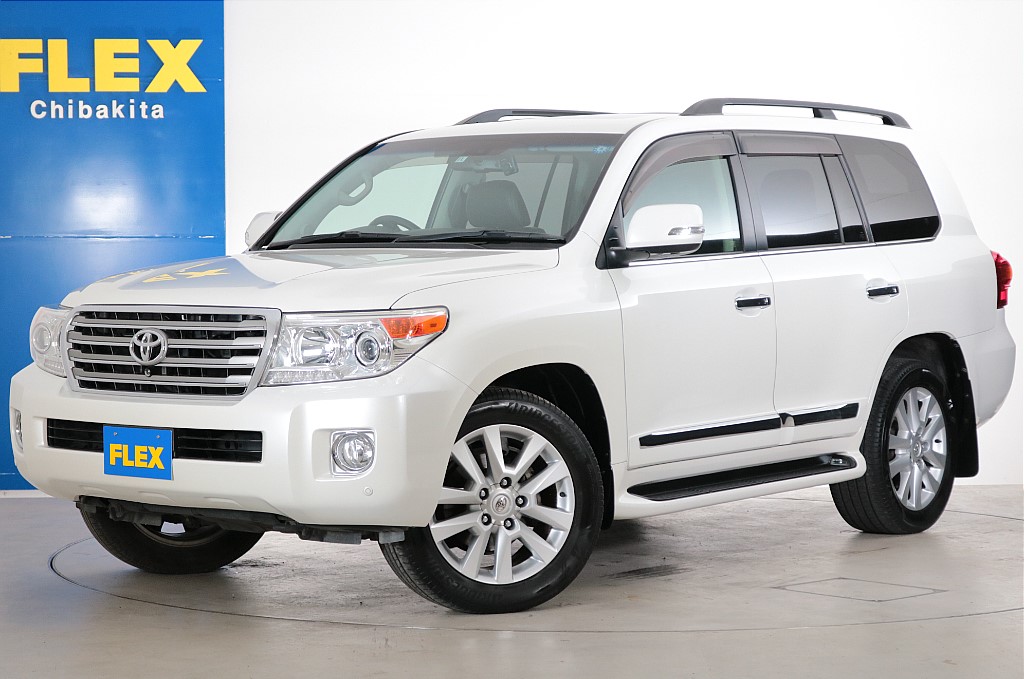
6. Sixth Generation (J200 Series, 2008-2021)
This generation is familiar to many U.S. buyers: the Land Cruiser 200 Series. With a 5.7 L V8 in U.S. spec and a strong full-time 4WD system, it carried on the tradition of luxury and capability.
In one of my test drives, I was impressed by just how refined the ride was, how quiet the cabin, and yet how ready it was when asked to tackle rough terrain. This generation balanced prestige and off-road readiness perfectly.
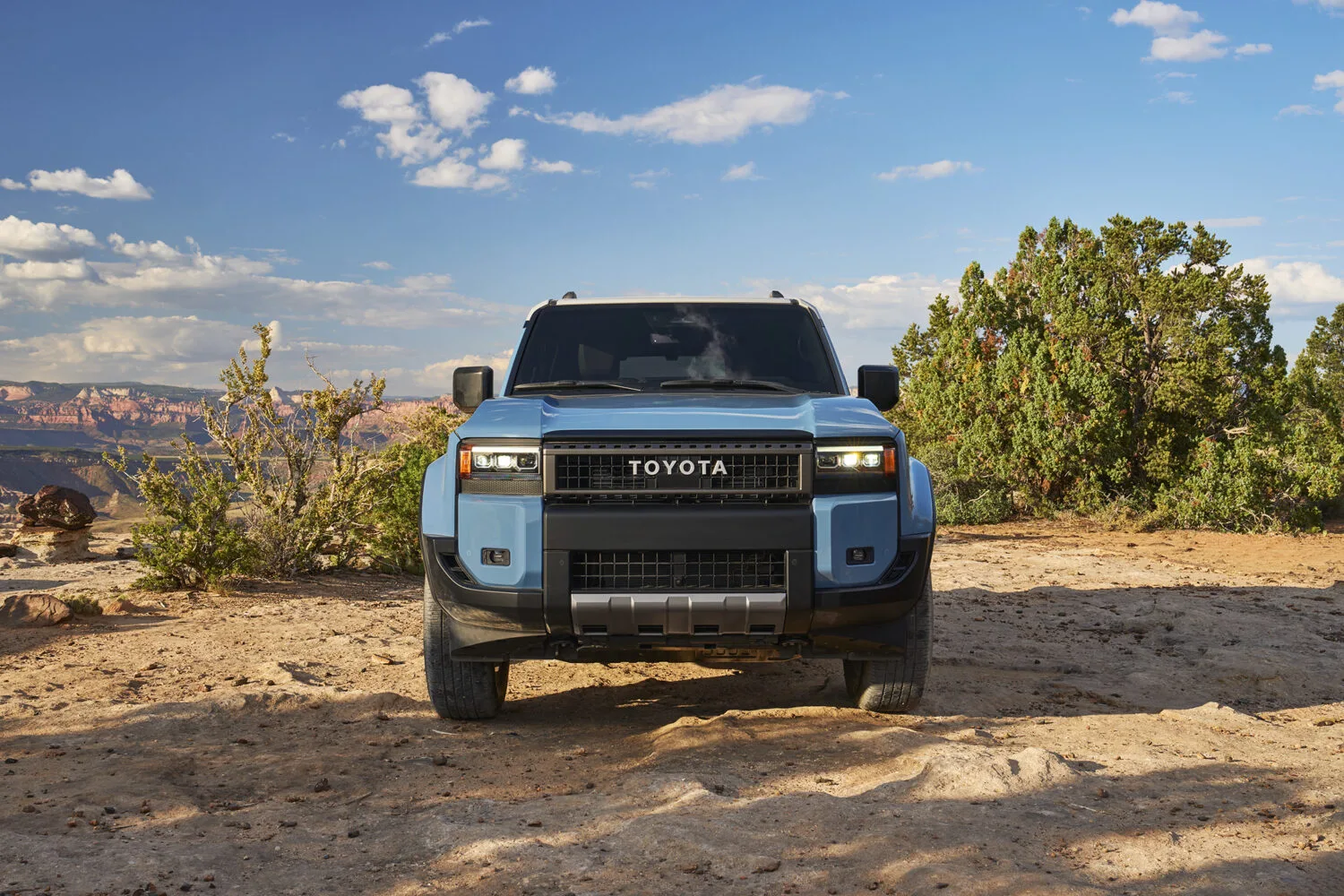
Photo by Toyota
7. Seventh Generation (J300 / J250 / 2024-Present)
Here we are in the present: the Land Cruiser now smartly re-imagined. The 300 Series (available globally) and the 250 Series (the U.S. market Land Cruiser) utilize the modern TNGA-F platform. The U.S. model features a 2.4 L turbo-hybrid engine producing ~326 hp.
In my recent drive of the 2025 model, I found that while it’s slightly smaller than the big V8 models, it is just as much Land Cruiser in essence — and arguably more relevant for modern buyers. Towing capacity is rated around 6,000 lbs in U.S. spec, but the smart powertrain, improved efficiency and modern features make it highly competitive.
Toyota Land Cruiser Generations – Detailed Chart Overview
| Generation | Model / Series | Years (Global/Major Markets) | Powertrain Highlights | Approx Towing Capacity* |
|---|---|---|---|---|
| 1st | BJ / FJ / J20 | ~1951-1955 | 3.4 L inline-6 petrol | — |
| 2nd | J20 / J30 | ~1955-1960 | 3.9 L petrol I6 etc. | — |
| 3rd | J40 Series | 1960-1984 | 3.9 L F-series petrol, diesel options | — |
| 4th | J50 / J55 / J60 | 1967-1980s | I6 petrol/diesel | — |
| 5th | J80 / J100 | ~1990-2007 | I6 petrol/diesel, V8 petrol | 6,000-6,500 lb |
| 6th | J200 Series | 2008-2021 | 5.7 L V8 (US) etc. | ~8,100 lb |
| 7th | J300 / J250 (current) | 2024-Present | 2.4 L turbo-hybrid I4 (US) | ~6,000 lb |
*Towing specs are approximate and market-specific.
Final Thoughts
Walking through the Toyota Land Cruiser generations, I see a constant theme: humble beginnings, evolution into luxury terrain mastery, and now a modern hybrid incarnation that honors the core DNA.
Whether you are drawn to the vintage 1960 Toyota Land Cruiser era or exploring the latest 2025 model, you’re choosing a vehicle with a rich legacy. Whichever generation appeals most to you, you’re tapping into decades of off-road heritage and real-world durability.
Frequently Asked Questions
What is the history of the Toyota Land Cruiser?
The Land Cruiser started in the early 1950s as a rugged utility vehicle (the BJ series) and evolved over the decades into a luxury capable SUV while keeping its off-road roots intact.
When did Land Cruiser change body style?
Over its evolution, the Land Cruiser shifted from purely utility (1950s-60s) to more family-SUV form in the 1960s-70s, then to luxury 4WD SUV in the 1990s, and into the hybrid modern recast in 2024-2025.
What year was the best Toyota Land Cruiser made?
There’s no single “best” year — each generation excelled in its era. If I had to pick one for long-term durability and value, many consider the 100-series (1998-2007) as a sweet spot.
What are the years to avoid for a Toyota Land Cruiser?
In my experience, any generation with documented reliability or parts-availability issues may warrant caution; always check service history. That said, most Land Cruisers regardless of year are strong, thanks to Toyota’s engineering.
Looking for a JDM of your dream?
As one of the top Land Cruiser vendors in Japan, our specialists will assist you to acquire your dream vehicles.