

The third-generation Tacoma has earned a reputation as one of the most dependable midsize trucks on the market. In fact, whenever someone asks me ‘is the 3rd gen Tacoma reliable?’, my answer is usually a confident yes. But like any vehicle produced over an eight-year production run, it’s not completely free from issues.
The good news is that most 3rd gen Tacoma problems aren’t catastrophic engine or transmission failures. Instead, they’re a collection of recurring complaints that owners, mechanics, and Tacoma enthusiasts have identified over years of real-world ownership. Some are minor annoyances. Others are worth inspecting before you hand over your money for a used truck.
I’ve spent plenty of time reading Tacoma forums, owner groups, and maintenance reports, and a clear pattern has emerged regarding the most common concerns. In this guide, I’ll break down the biggest 3rd gen Tacoma issues, explain which model years are affected, discuss potential repair costs, and help you determine whether these 3rd generation Toyota Tacoma problems should influence your buying decision.
- Is the 3rd Gen Tacoma Reliable Overall?
- The 8 Most Reported 3rd Gen Tacoma Problems
- 1. Transmission Hesitation / Rough Shifting
- 2. Infotainment System Freezing / Slow Response
- 3. Driveline Binding on Pavement (4WD Models)
- 4. Paint Issues — Peeling Clear Coat (Specific Colors)
- 5. Rear Leaf Spring Creak / Suspension Noise
- 6. Head Unit / Radio Failure (Older Models)
- 7. Engine Hesitation on Cold Starts (3.5L V6)
- 8. Coolant Leaks on High-Mileage Trucks
- Problems That Were Fixed in Later 3rd Gen Model Years
- Known Recalls on the 3rd Gen Tacoma
- Are There Any Deal-Breaker Problems?
- Best & Worst Years of the 3rd Gen Tacoma
- Frequently Asked Questions
Is the 3rd Gen Tacoma Reliable Overall?
Before I start discussing specific 3rd gen Tacoma problems, I think it’s important to answer the question most buyers are actually asking: Is the 3rd gen Tacoma reliable? In my opinion, absolutely yes.
No vehicle is perfect, and the Tacoma is no exception. However, when you compare the third-generation Tacoma against the broader midsize truck market, it consistently ranks among the most dependable options available. Throughout its production run from 2016 to 2023, the truck earned strong reliability ratings from organizations such as J.D. Power and generally performed well in long-term owner satisfaction surveys.
What’s interesting is that many of the reported 3rd gen Tacoma issues aren’t major mechanical failures. Instead, they’re often drivability complaints, software quirks, transmission tuning concerns, or minor component failures that gained attention because Tacoma owners tend to keep their trucks for a very long time. Context matters. Understanding these issues simply helps you become a more informed buyer. Also, you can check out my detailed guide on buying Tacoma.
Another reason I’m comfortable recommending the third-generation Tacoma is what I see in the used market. It’s not uncommon to find examples with:
- 150,000+ miles
- 200,000+ miles
- Even 250,000+ miles in some cases
Vehicles don’t routinely accumulate that kind of mileage unless the underlying platform is fundamentally solid.
The 8 Most Reported 3rd Gen Tacoma Problems
1. Transmission Hesitation / Rough Shifting (Very Common)
If you’ve spent any time researching 3rd gen Tacoma problems, you’ve probably come across discussions about the transmission. In fact, this is arguably the most frequently reported complaint among third-generation Tacoma owners. The issue typically presents itself as hesitation during acceleration, delayed downshifts, gear hunting, or rough shifts at lower speeds.
The most common symptoms include:
- Hesitation when accelerating
- Gear hunting between 2nd and 3rd gears
- Delayed downshifts and unpredictable shift patterns
- Slight jerking during low-speed driving
The issue is most commonly associated with 2016–2019 models. The good news is that this isn’t typically a mechanical transmission failure. Toyota engineers determined that much of the problem stemmed from transmission programming and shift logic rather than defective hardware. The truck’s Transmission Control Module (TCM) was calibrated to maximize fuel economy, resulting in sluggish shift behavior.
Toyota responded by issuing several Technical Service Bulletins (TSBs) that updated transmission software and revised shift programming. Outside of warranty coverage, owners can generally expect to pay somewhere between $100 and $200 for this software update, depending on the dealer and region. It rarely results in actual mechanical failure, meaning it is a complaint about comfort rather than durability.
2. Infotainment System Freezing / Slow Response
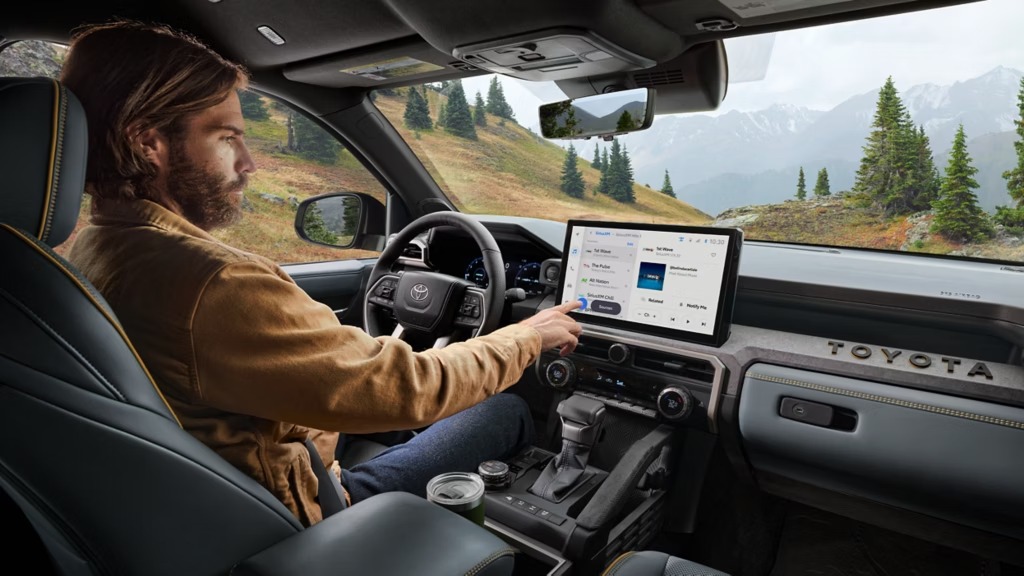
Another one of the frequently discussed 3rd gen Tacoma issues involves the truck’s infotainment system. Owners of certain third-generation Tacomas have reported that the factory Entune infotainment system can occasionally become slow, unresponsive, or freeze altogether. Common complaints include delayed touchscreen responses, Bluetooth connectivity issues, random system restarts, and occasional crashes while using navigation or smartphone integration features.
The issue appears most commonly in 2016–2020 models. Fortunately, this is generally considered a software-related problem rather than a hardware failure. Toyota released multiple software updates over the years that addressed stability issues. For owners seeking a more modern experience, aftermarket head units have become a popular upgrade, typically costing anywhere from $300 to $1,000 depending on features.
3. Driveline Binding on Pavement (4WD Models)
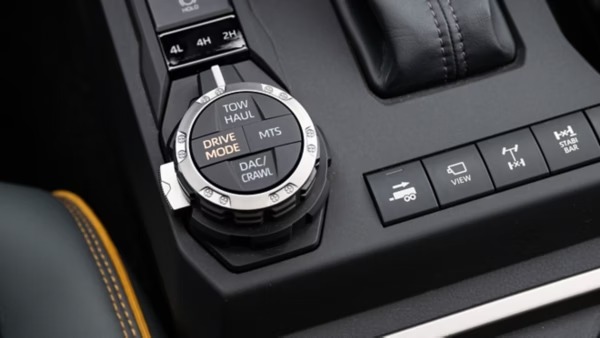
Among the lesser-known 3rd gen Tacoma common issues, some owners report a clicking, hopping, or binding sensation when making tight turns at low speeds on pavement, feeling like the front and rear tires are fighting each other. Many people mistakenly attribute this to old differential fluid or a failing limited-slip differential (LSD).
However, the 3rd Gen Tacoma (especially TRD Off-Road models) uses an open differential with an electronic brake-LSD system or an E-Locker, not a traditional mechanical clutch-type LSD. Therefore, it does not require friction modifiers.
In reality, the root cause of this “binding” is almost always driver error. Because the Tacoma uses a part-time 4WD system, driving on dry pavement with 4WD (4H or 4L) engaged causes a phenomenon known as “tight corner braking.” Since the front and rear axles are locked together in 4WD without a center differential, the tires bind and hop when turning sharply. If you experience this on a test drive, ensure the truck is completely shifted back into 2WD (2H) and test it again.
4. Paint Issues — Peeling Clear Coat (Specific Colors)
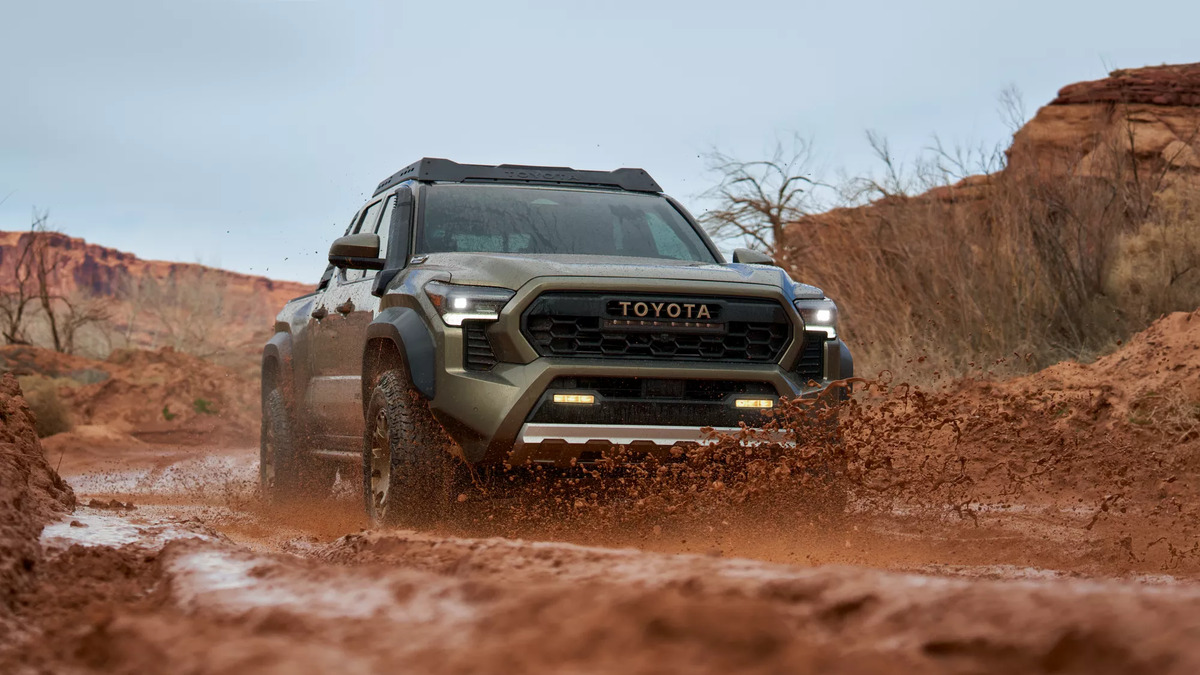
When discussing 3rd gen Tacoma problems, most people focus on mechanical concerns. However, one of the most frustrating owner complaints is actually cosmetic: premature paint and clear coat deterioration. The issue is most commonly reported on Tacomas finished in Super White (color code: 040).
The typical symptoms include fading, chalking, bubbling, and clear coat peeling, particularly on the hood, roof, bed rails, and upper door panels. The problem appears to stem from paint adhesion and UV durability.
The good news? Toyota has officially acknowledged this specific issue. For the Super White (040) color, Toyota issued a Customer Support Program (Warranty Extension). While not a safety recall, this program allows eligible owners to have the peeling paint stripped and repainted entirely at Toyota’s expense (free of charge) if the vehicle meets the program’s age and condition parameters. If you are shopping for a Super White 3rd Gen, check the paint carefully and verify if the vehicle is eligible for this program.
5. Rear Leaf Spring Creak / Suspension Noise
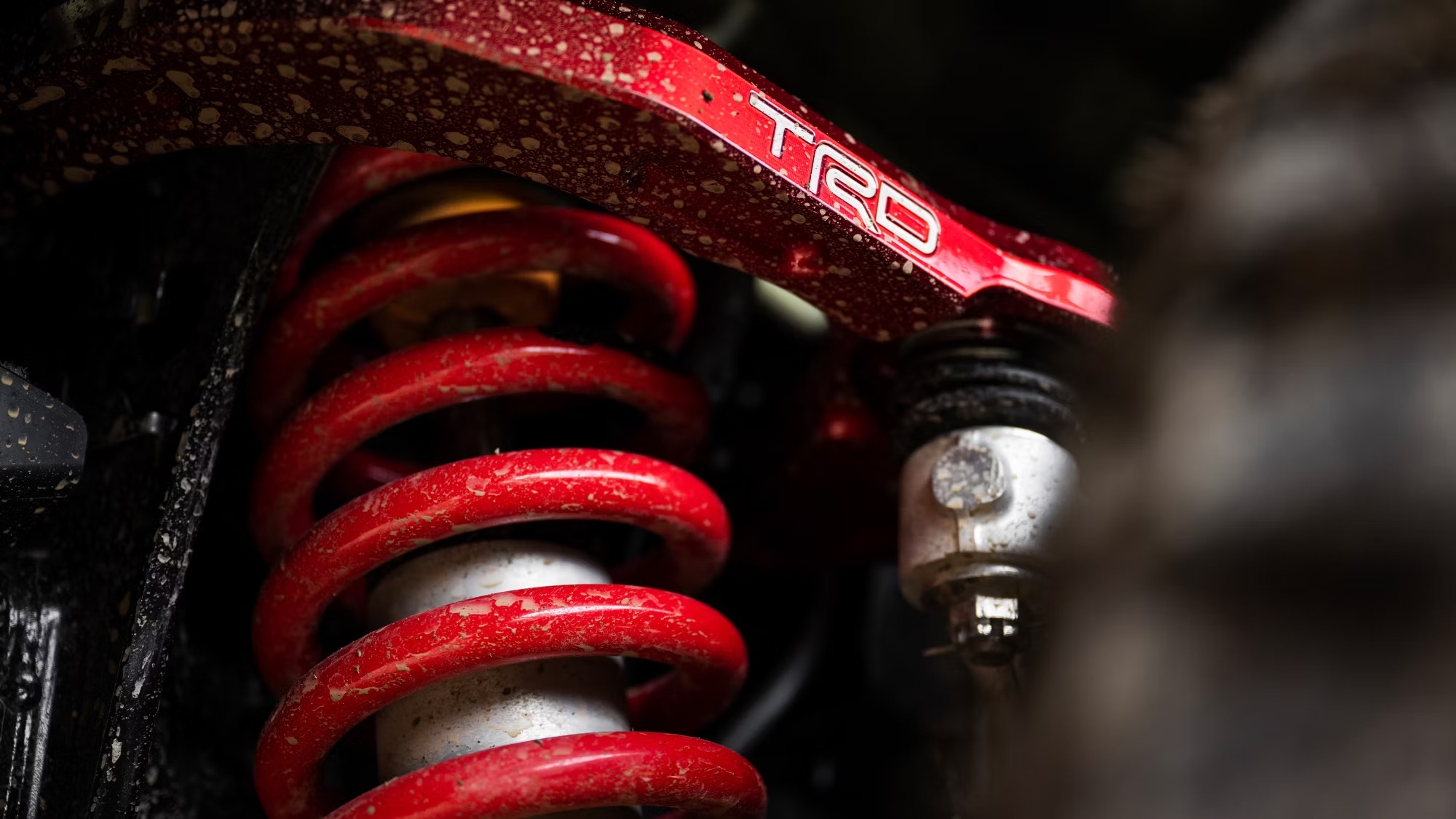
Among the reported 3rd gen Tacoma common issues, rear suspension creaking is frequently mentioned, particularly on 2016–2020 models. Owners often notice an audible squeak or creaking sound coming from the rear of the truck when driving over speed bumps, uneven driveways, or mild off-road terrain. The noise tends to be most noticeable when the truck is lightly loaded and becomes less obvious when carrying cargo or towing.
The culprit is usually not a damaged component. Instead, the noise originates from the leaf spring pads and contact points within the rear suspension assembly as they dry out and experience friction over time. Toyota released a TSB that included an updated leaf spring pad kit to resolve the issue. For owners outside warranty coverage, a temporary fix can be achieved by applying silicone lubricant, while a permanent repair pad kit typically costs between $50 and $200.
6. Head Unit / Radio Failure (Older Models)
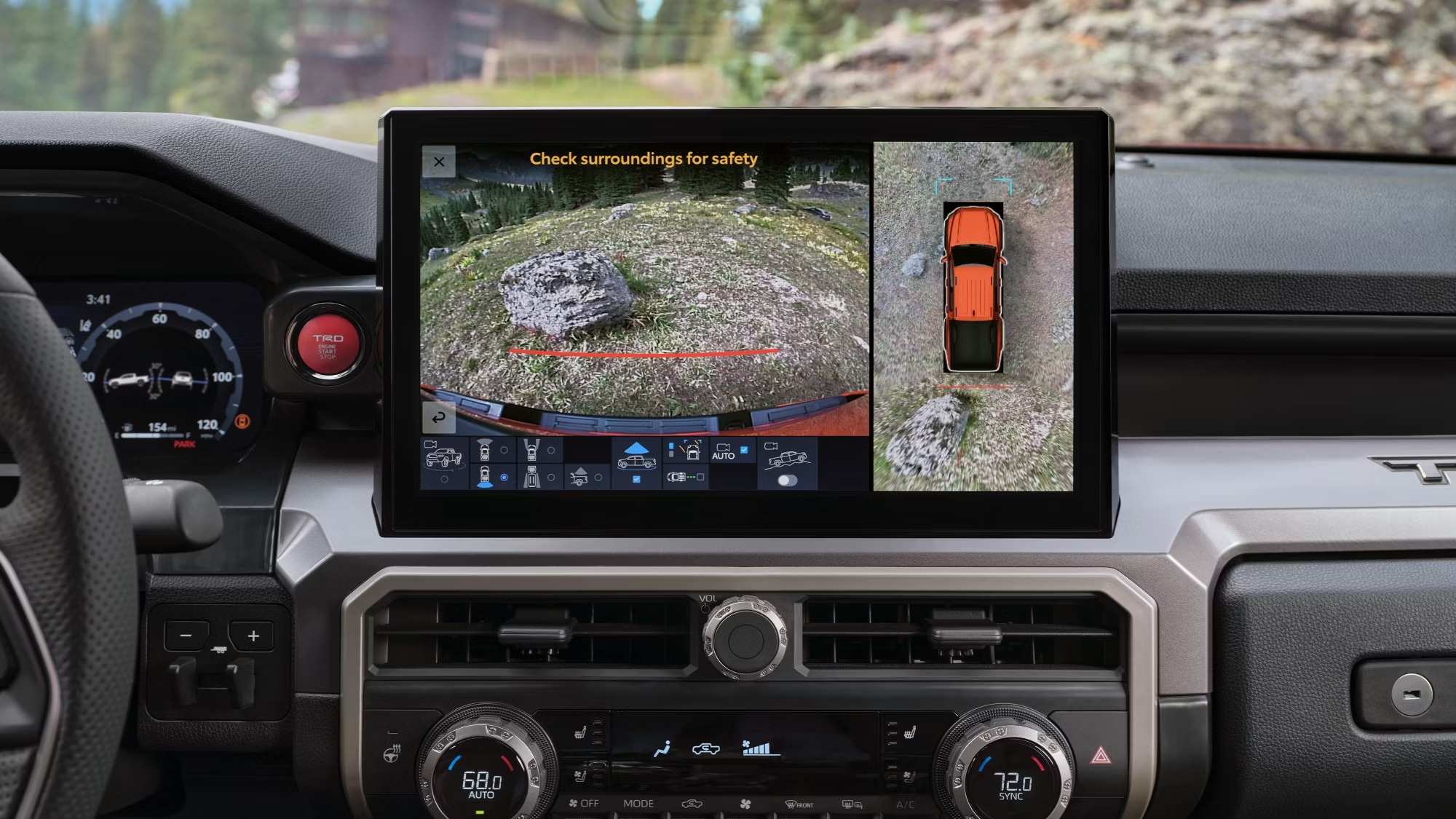
Owners of certain 2016–2017 Tacomas have reported situations where the infotainment system stops functioning altogether. This problem is a complete failure of the first-generation Entune radio hardware unit itself. Common symptoms include the system continuously rebooting (boot loops), a completely black screen, no audio output, or an unresponsive touchscreen.
In most cases, the permanent solution is replacing the head unit entirely. Owners generally have two options:
- OEM Toyota replacement: approximately $600–$1,200
- Aftermarket replacement: approximately $300–$800, depending on features
Because infotainment replacements can become expensive, it’s something I always recommend checking during a test drive on pre-2018 models.
7. Engine Hesitation on Cold Starts (3.5L V6)
Some owners notice a slightly rough idle or mild hesitation during the first 30 to 60 seconds after starting the truck on a cold morning. This behavior is considered completely normal for the Tacoma’s 3.5L (2GR-FKS) engine. Toyota utilizes a highly advanced system that switches between Atkinson-cycle and Otto-cycle, alongside a direct and port injection system (D-4S) to meet strict emissions standards. During cold starts, the system uses specific fuel strategies and a higher idle to warm up the catalytic converters quickly.
Toyota does not consider this a defect, and there is no repair required. Once the engine warms up briefly, normal operation resumes seamlessly. It has not been linked to any long-term durability concerns.
8. Coolant Leaks on High-Mileage Trucks
While the 3.5L V6 is legendary for its durability, it does have one known weakness as the miles pile up. On higher-mileage 3rd Gen Tacomas (typically well past the 100,000-mile mark), owners have reported coolant leaks. The most common culprit is the plastic water bypass pipe located at the rear of the engine, which can become brittle and crack over years of heat cycling. Additionally, the timing cover seal can sometimes develop a slow coolant weep.
While the parts themselves are relatively cheap, replacing the rear crossover pipe or resealing the timing cover is highly labor-intensive, making the repair bill somewhat expensive. If you are looking at a high-mileage Tacoma, always inspect the rear of the engine and the skid plates for pink crust or signs of dried coolant.
Problems That Were Fixed in Later 3rd Gen Model Years
One thing I always tell buyers researching 3rd gen Tacoma issues is not to treat every model year the same. Toyota spent eight years refining this generation, and many of the early complaints became less common as the production run progressed.
| Problem | Fixed By |
|---|---|
| Transmission hesitation | TSBs and transmission software updates; significant improvements from 2017–2019 onward |
| Safety Tech Standardization | Toyota Safety Sense P (TSS-P) became standard across all trims in 2018 |
| Bluetooth connectivity issues | Software revisions; Apple CarPlay & Android Auto became standard starting in 2020 |
| Rear leaf spring creak | Updated leaf spring pad kit released through Toyota TSBs (2018+) |
| Infotainment freezing and lag | Hardware and software improvements introduced heavily in the 2020+ models |
The transmission improvements deserve special mention. Early 2016 models generated the majority of complaints regarding shift logic, but Toyota’s software updates substantially reduced the frequency of those complaints.
Known Recalls on the 3rd Gen Tacoma
A recall doesn’t necessarily mean a vehicle is unreliable—it simply means Toyota identified a potential issue and provided a free remedy. Several highly notable recalls affected portions of the third-generation Tacoma lineup:
- 2016–2017 Crankshaft Position Sensor: A faulty sensor could cause the engine to stall unexpectedly while driving. Toyota issued a formal recall to replace the sensor free of charge.
- 2016–2017 Rear Differential Oil Leak: Certain early models had a defect where the rear differential gasket could leak oil, potentially causing the differential to seize. Toyota recalled these to replace the gasket and tighten the components.
- 2018–2020 Fuel Pump Recall: Part of a massive global recall involving Denso fuel pumps, certain low-pressure fuel pumps could fail and cause engine stalling. Toyota replaced affected components at no cost.
- 2019–2020 Side Airbag Sensor Recall: Affected a limited scope of production batches; inspected and repaired by Toyota as needed.
Most recall repairs have already been completed on trucks currently on the used market. Before purchasing any Tacoma, I strongly recommend running the VIN through the National Highway Traffic Safety Administration (NHTSA) database to confirm completion.
Are There Any Deal-Breaker Problems?
In my opinion, the answer is simple: no. Despite the various 3rd gen Tacoma problems discussed throughout this guide, there are no widespread catastrophic failures that would make me avoid the truck. The 3.5L V6 has proven to be a durable engine over hundreds of thousands of miles, with no consistent pattern of head gasket failures or timing chain problems.
Compared to rivals like the Chevrolet Colorado, Ford Ranger, and Nissan Frontier, the Tacoma’s issues are minor, making it one of the safest used truck purchases available.
Best & Worst Years of the 3rd Gen Tacoma
Toyota continuously refined the truck throughout its production run, addressing many of the early 3rd gen Tacoma issues through software updates and small engineering improvements.
| Year | Notes |
|---|---|
| 2016 | First production year; transmission hesitation and infotainment complaints most pronounced. Check for early recalls (diff leak, crank sensor). |
| 2017 | Benefited from early transmission TSB updates but still considered an early-production truck. |
| 2018 | Safety equipment massively updated (Toyota Safety Sense P added as standard). |
| 2019 | Excellent balance of reliability, refinement, and value. |
| 2020 | Cabin improvements, Apple CarPlay/Android Auto added, updated suspension, quieter cabin, and highly recommended. |
| 2021–2023 | Most refined third-generation Tacomas with the fewest owner-reported issues. |
If you ask me where the sweet spot is, I’d focus on 2019–2021 model years. These trucks benefited from years of Toyota improvements, have already experienced much of their initial depreciation, and avoid many of the early-production quirks. The 2021–2023 trucks are arguably the best, but they typically command higher prices, making 2019–2021 the smartest value buy.
Frequently Asked Questions
1: Is the 3rd gen Tacoma reliable long-term?
Yes. Many owners have surpassed 200,000 miles with only routine maintenance, and some examples have crossed 300,000 miles. The 3.5L V6, durable drivetrain, and proven Toyota engineering make the third-generation Tacoma one of the most dependable midsize trucks available in the used market today.
2: What is the best year of the 3rd gen Tacoma to buy?
Focus on the 2020–2022 model years. These trucks benefited from years of Toyota refinements, Apple CarPlay integration, fewer transmission-related complaints, and updated features, delivering the best balance of value and reliability.
3: Did Toyota fix the 3rd gen transmission problems?
For the most part, yes. The widely discussed 3rd gen Tacoma transmission issues were primarily related to shift programming calibration rather than mechanical hardware defects. Toyota released several software updates and TSBs that improved shift behavior significantly, and 2020+ models show far fewer complaints.
4: Do 3rd gen Tacomas have frame rust problems like 2nd gen?
No. Unlike earlier Tacomas that became known for massive rust-related frame recalls, the third generation received vastly improved corrosion protection and frame coatings from the factory starting in 2016. However, if you live in a harsh winter climate where road salt is heavily used, many enthusiasts still highly recommend applying an aftermarket rust preventative undercoating (like Fluid Film) just to be safe.
5: Is the 3rd gen Tacoma a good used buy right now?
Absolutely. With the fourth-generation Tacoma now fully established in the market, used values for third-generation models have become exceptionally attractive. A well-maintained 2019–2022 Tacoma offers proven reliability, strong resale value, excellent aftermarket support, and relatively few serious problems, making it one of the absolute best used truck values available.
Toyota Tacoma for sale
 Featured Deal
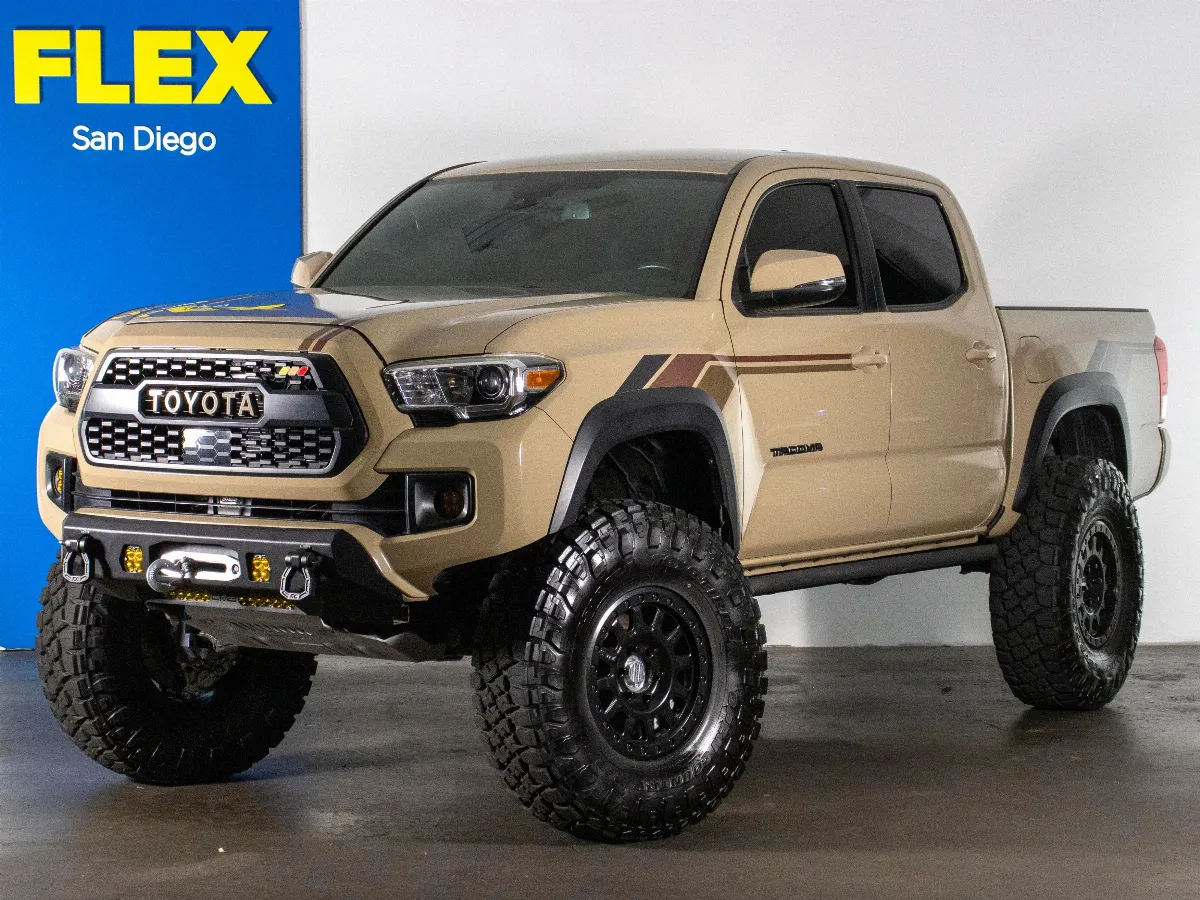
2019 TOYOTA Tacoma Double Cab TRD Off-Road Pickup 4D 5 ft PRE OWNED
$90,080
 Featured Deal
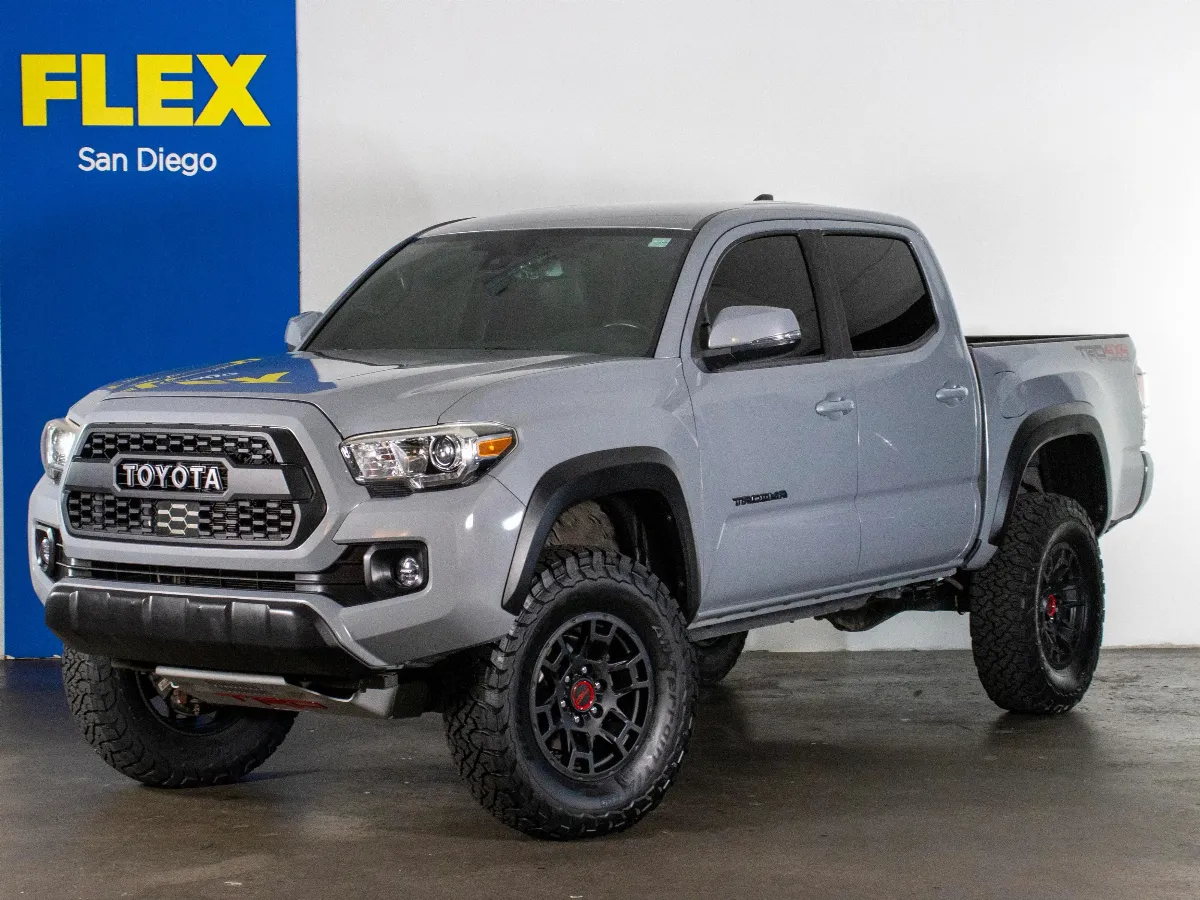
2021 TOYOTA Tacoma Double Cab TRD Off-Road Pickup 4D 5 ft PRE OWNED
$59,080
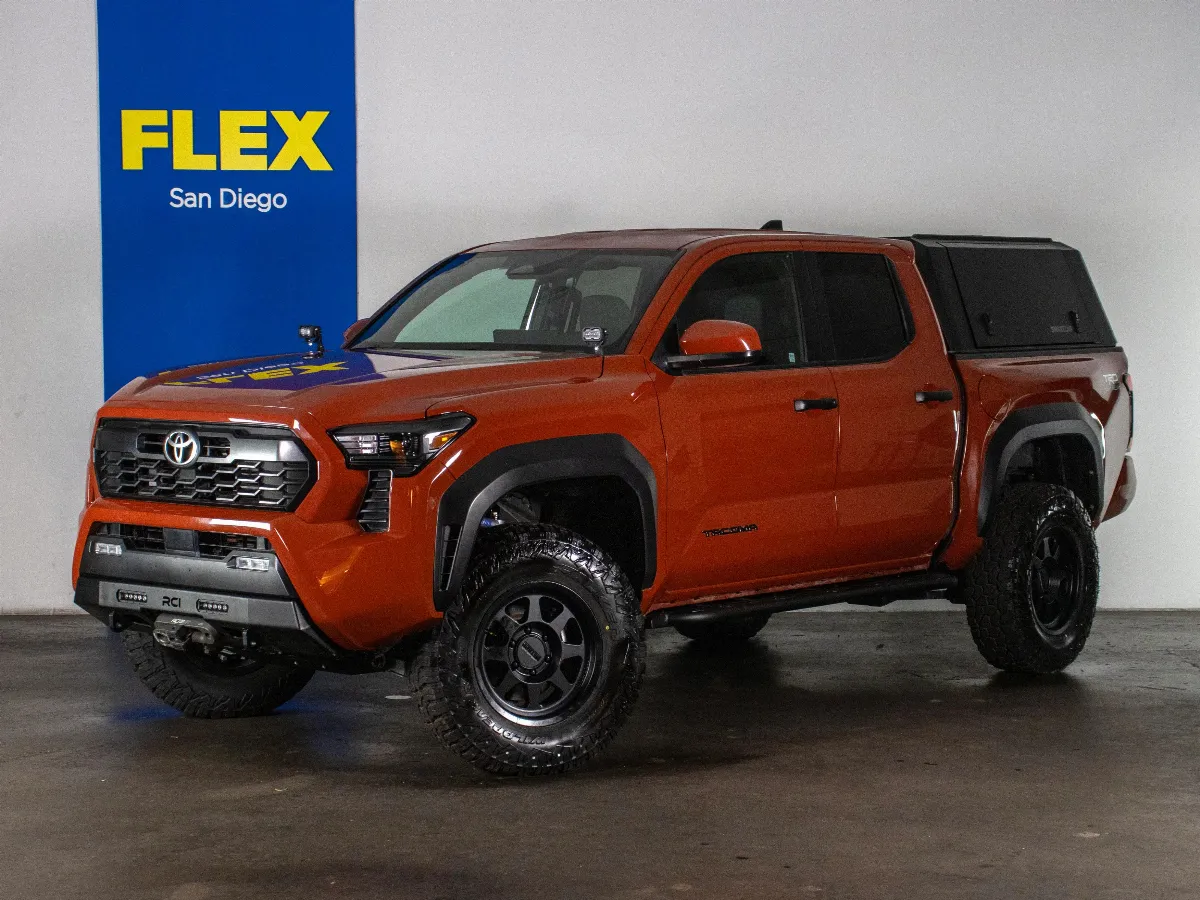 Featured Deal
2025 TOYOTA Tacoma Double Cab TRD Off-Road Pickup 4D 5 ft PRE OWNED
$75,080
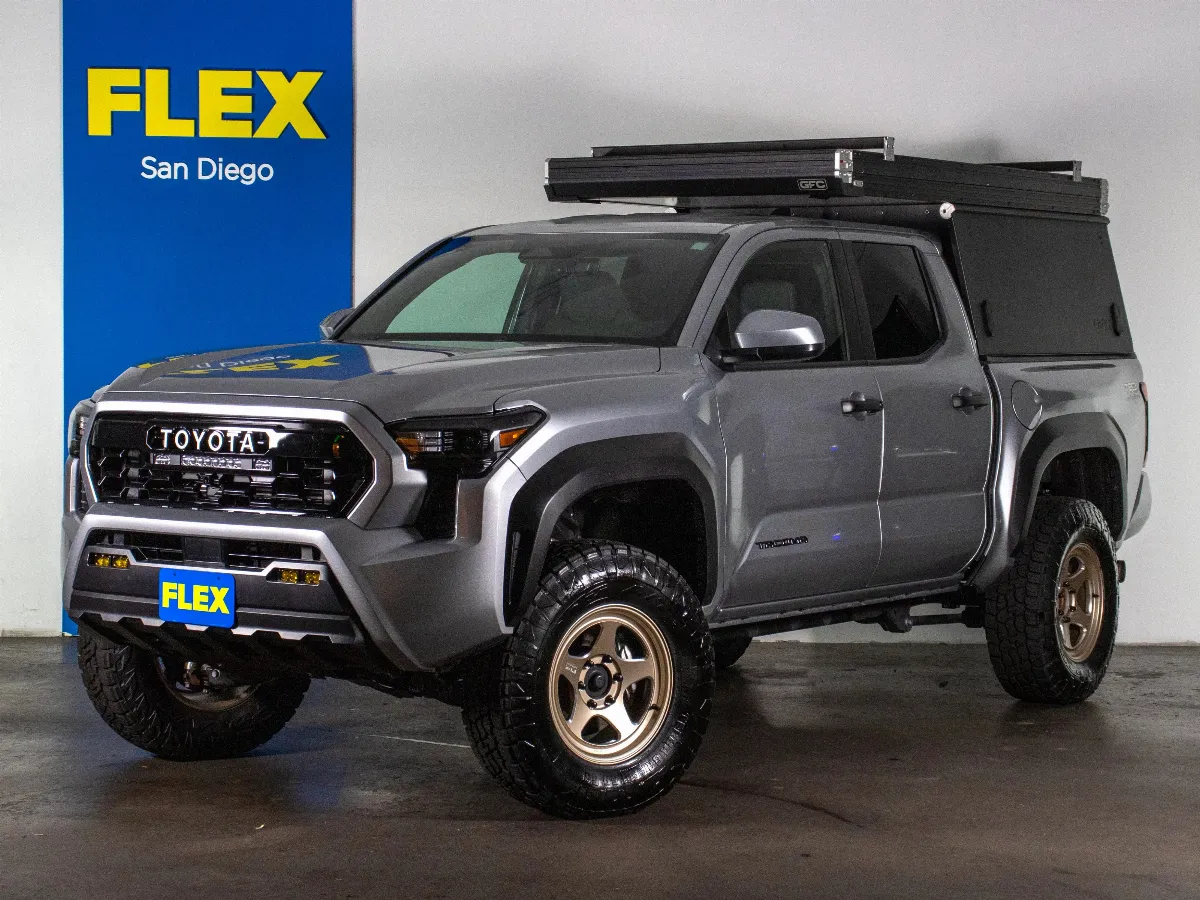 Featured Deal
2025 TOYOTA Tacoma Double Cab TRD Off-Road Pickup 4D 5 ft PRE OWNED
$68,080
Final Thoughts!
After looking at the most commonly reported 3rd gen Tacoma problems, my overall opinion hasn’t changed: this is still one of the best used trucks you can buy. Most of the reported issues are minor, well-documented, and relatively inexpensive to address.
More importantly, many of them were improved or resolved through Toyota software updates and Technical Service Bulletins over the years. The truck’s core components—the 3.5L V6, drivetrain, frame, and suspension—have proven to be remarkably durable. Don’t let a few common quirks scare you away from an otherwise excellent truck.
Looking for a quality Tacoma? Browse Flex Automotive’s inventory of thoroughly inspected Toyota Tacomas. Every vehicle includes a full CARFAX history report and undergoes a comprehensive multi-point inspection before being offered for sale. Further, we just wrapped up our first creator series event where Tacoma really stood out.
Don’t Just Look — Feel the Drive
Take your favorite model for a spin through the streets of San Diego. Feel the performance firsthand.