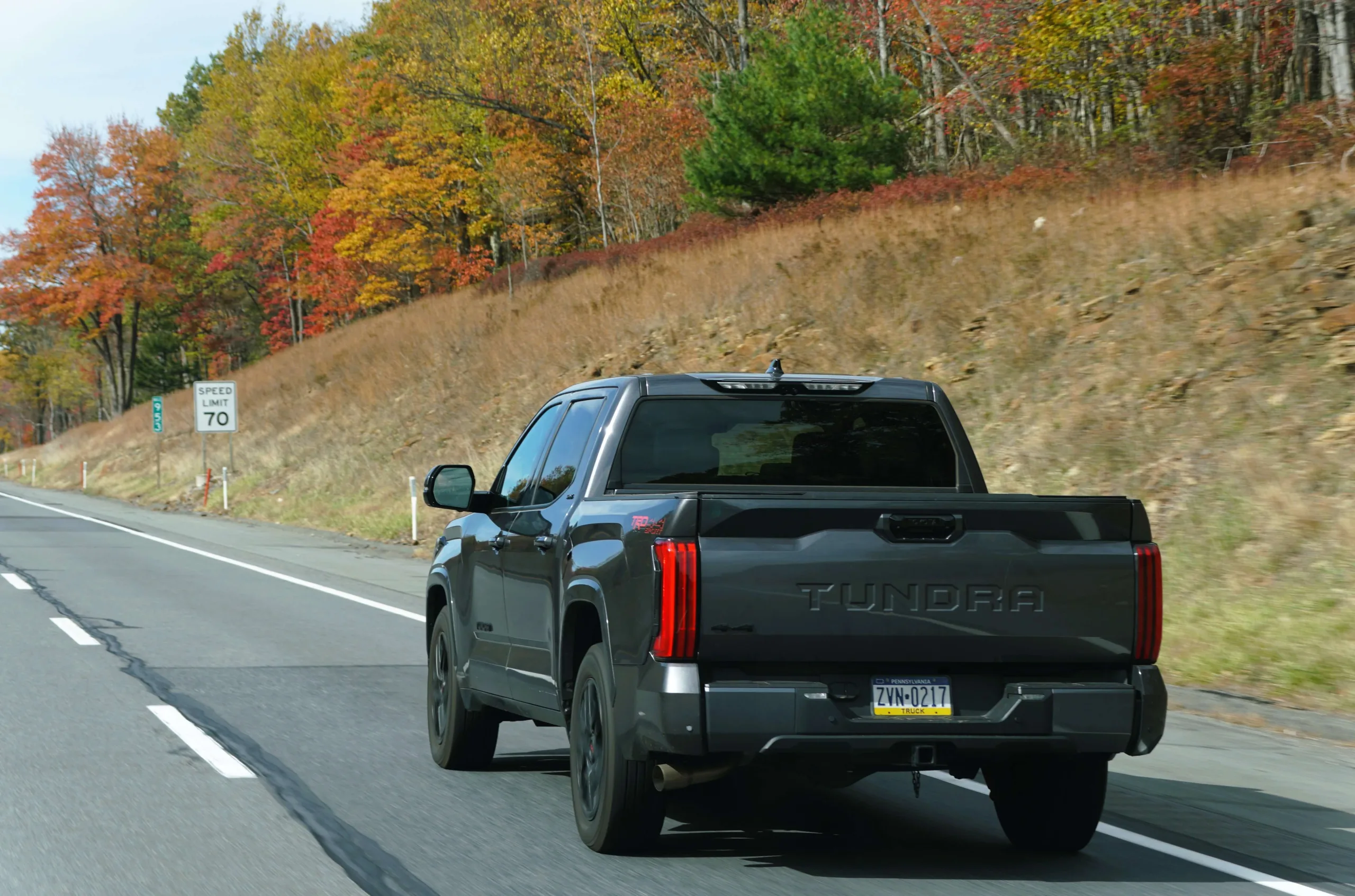
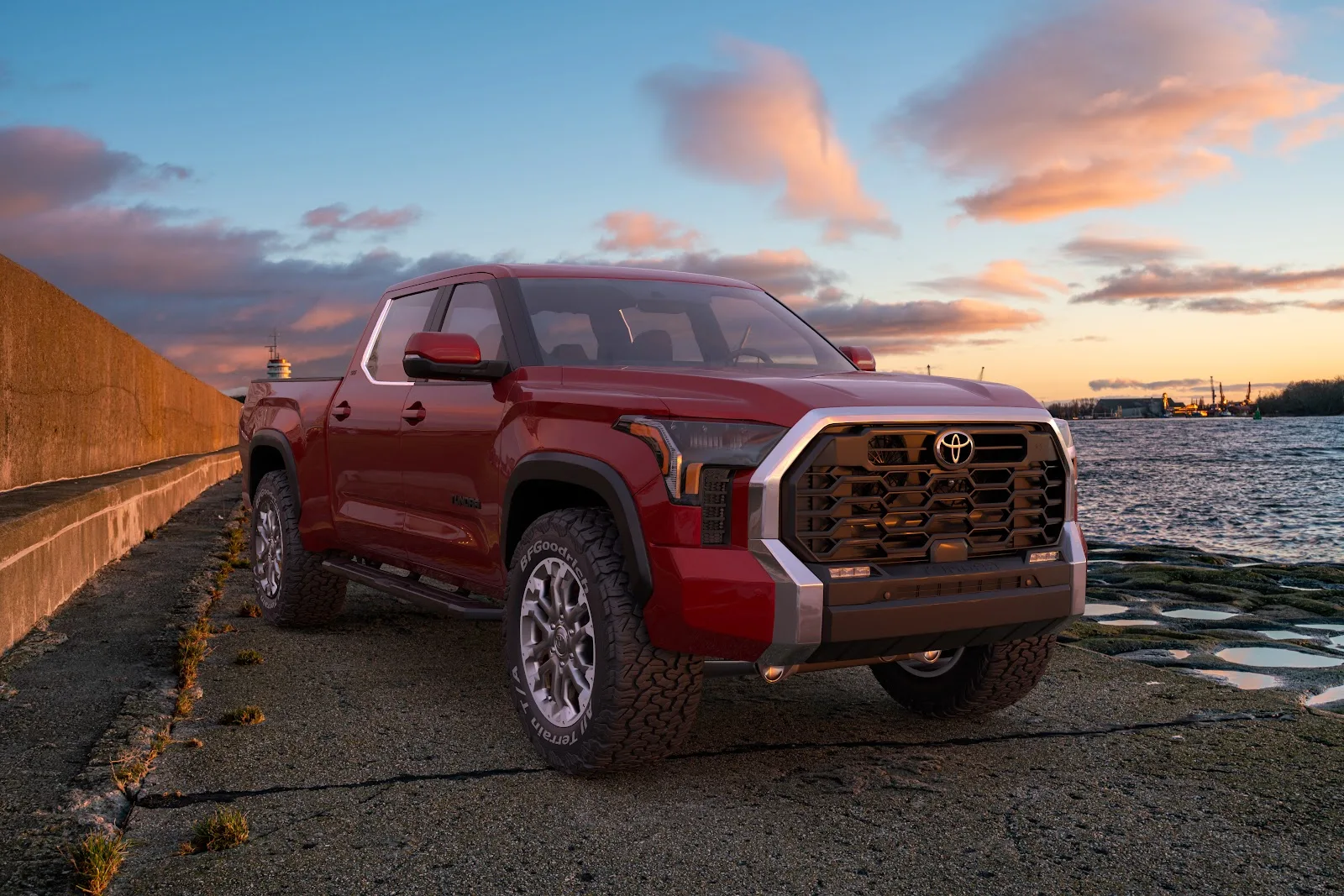
If you are shopping for a 2022, 2023, or 2024 Toyota Tundra, the engine recall is the first thing you need to understand. Toyota has now filed three separate safety recalls for the 3.4-liter twin-turbo V35A V6 in the non-hybrid Tundra, covering trucks built from late 2021 through the 2024 model year. The cause is the same in all three: machining debris left inside some engines at the factory can damage the main bearings and, in the worst case, stall the engine while you are driving.
The short version: the Tundra i-FORCE MAX hybrid and the 2025–2026 Tundra are not part of any of these recalls, and a 2022–2024 non-hybrid truck can still be a reasonable buy if its recall work is documented. A truck with no recall records, or one that already knocks or runs rough, is a different story.
This guide covers each recall in order, how Toyota’s fix works today, what owners have reported since, how to check any Tundra by VIN, and how we would approach a used 2022–2024 Tundra in 2026. Recall details come from NHTSA’s recall database and Toyota’s own Part 573 recall filings.
- Quick Answer: The Tundra Engine Recall at a Glance
- What Is the Tundra Engine Recall?
- Which Tundras Are Affected? Recall Timeline (2024–2026)
- Has Toyota Fixed the Tundra Engine Problem?
- How to Check If a Tundra Is Affected (VIN Lookup)
- Other 3rd Gen Tundra Recalls Worth Knowing
- Should You Buy a Used 2022–2024 Tundra?
- Which Tundra Engine Is Most Reliable? V35A vs. i-FORCE MAX vs. 5.7L V8
- How We Researched This Article
- Final Thoughts
- FAQs
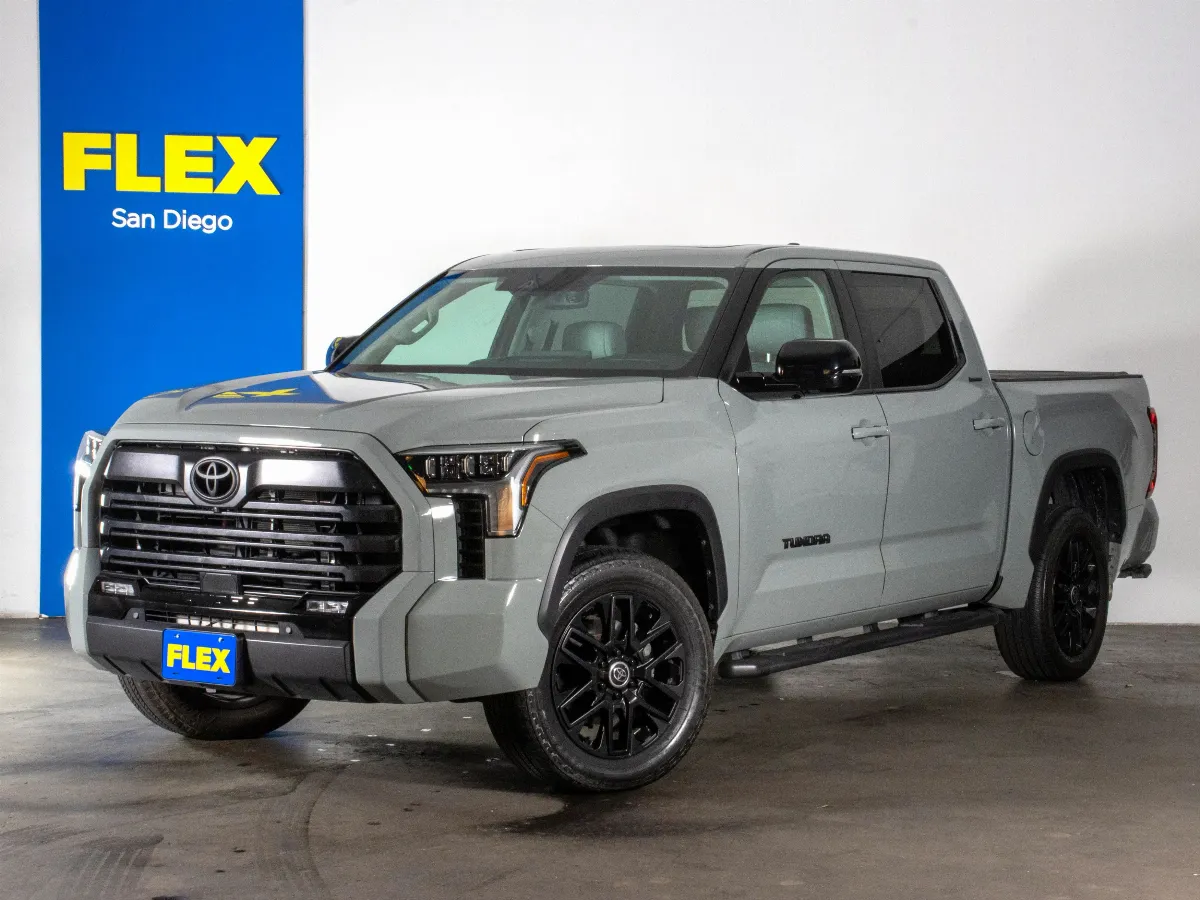
Quick Answer: The Tundra Engine Recall at a Glance
- Which Tundras are affected: Certain 2022–2024 Tundras with the non-hybrid 3.4L twin-turbo V6 (V35A). The i-FORCE MAX hybrid is not included.
- What can happen: Main bearing failure, which can cause knocking, rough running, a no-start, or an engine stall while driving.
- The fix: Free of charge. Early trucks get a replacement engine. Later trucks get a dealer inspection of the No. 1 main bearing, and the engine is replaced if it fails the inspection.
| NHTSA Recall | Filed | Model Years Covered | Vehicles (US) | Remedy |
|---|---|---|---|---|
| 24V381 | May 30, 2024 | 2022–2023 Tundra, 2022–2023 Lexus LX 600 | 102,092 | Engine replacement |
| 25V767 | Nov 6, 2025 | 2022–2024 Tundra, 2022–2024 Lexus LX 600, 2024 Lexus GX 550 | 126,691 | Inspection, engine replaced if needed |
| 26V320 | May 20, 2026 | 2024 Tundra | 43,566 | Inspection, engine replaced if needed |
Source: NHTSA recall database (campaigns 24V381000, 25V767000, 26V320000). Vehicle counts are Toyota’s estimates of potentially involved vehicles, not confirmed failures.
What Is the Tundra Engine Recall?
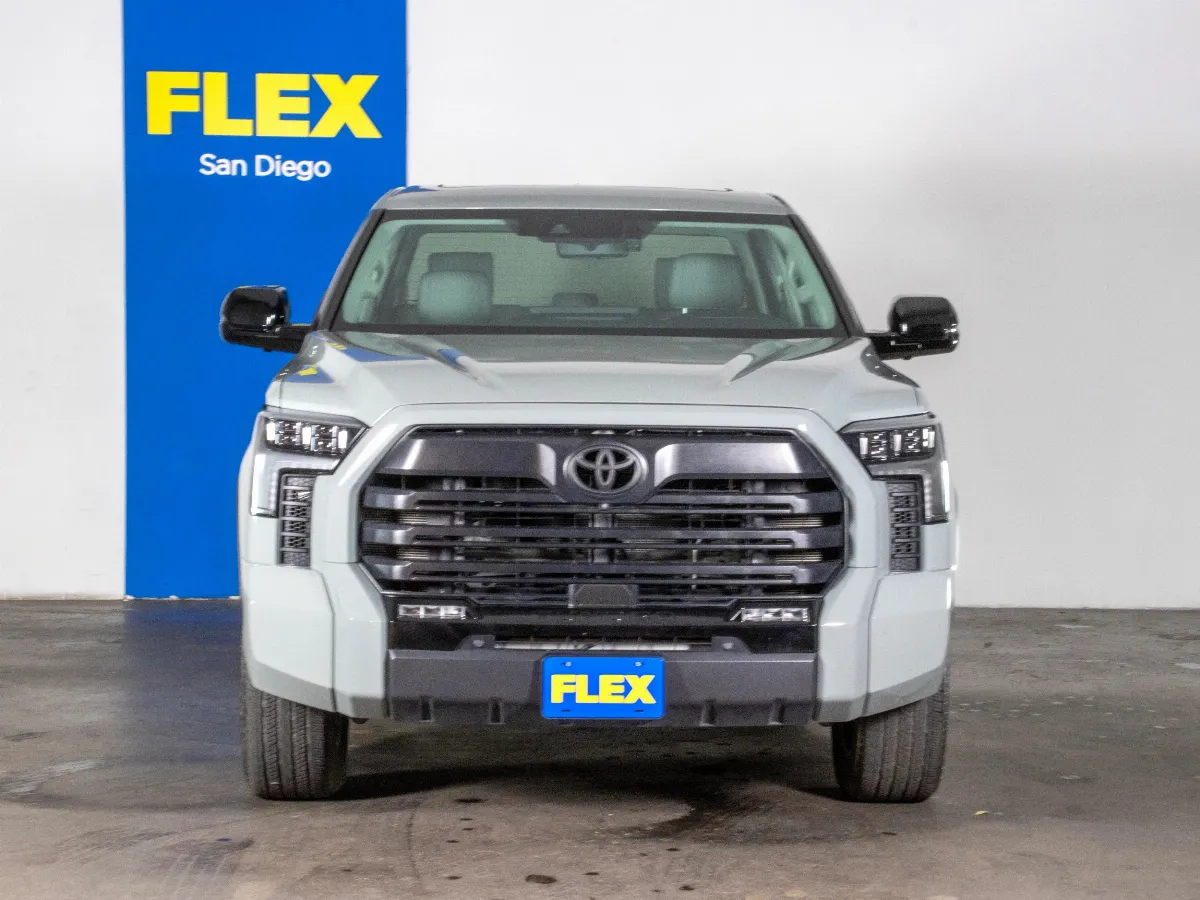
The third-generation Tundra launched for the 2022 model year without a V8 for the first time. In its place, Toyota fitted the 3.4-liter twin-turbo V35A V6 in two forms: the i-FORCE, rated at up to 389 hp and 479 lb-ft, and the i-FORCE MAX hybrid, rated at 437 hp and 583 lb-ft. The recalls cover a specific configuration of the non-hybrid engine.
The same engine family is used in the Lexus LX 600, which is part of the first two recalls, and in the 2024 Lexus GX 550, which was added in the November 2025 expansion (see our GX 550 engine problems guide). Toyota’s filings state that the engines were built at Toyota Motor Manufacturing Alabama in Huntsville and at Toyota’s Tahara plant in Japan.
The Cause: Machining Debris and Main Bearing Failure
Main bearings are the thin metal shells that the crankshaft spins on. According to Toyota’s 25V767 recall report, during a specific production period, machining debris of a particular size and amount may not have been cleared from some engines during manufacturing.
Toyota explains that, in this engine configuration, the main bearings carry enough pressure that if the debris sticks to a bearing and the engine keeps running at higher loads over time, the bearing can fail. That is why, according to Toyota, the risk builds with higher engine loads over time rather than showing up on day one.
Toyota also told NHTSA that it cannot estimate what percentage of the recalled engines actually contain the debris. Many of the trucks on the recall list may never have a problem. The recall exists because there is no way to know from the outside which ones will.
Warning Signs: Knocking, Rough Running, and Stalling
Toyota’s recall report lists four symptoms of a failing bearing:
- Engine knocking
- Rough running
- A no-start condition
- An engine stall, which on these trucks means a loss of motive power while driving
Toyota says owners whose vehicles show any of these symptoms should contact their Toyota dealer. If you are test-driving a 2022–2024 Tundra and hear a knock, treat it as a reason to stop, not to negotiate.
Which Tundras Are Affected? Recall Timeline (2024–2026)
The recall has grown in three steps as Toyota tracked failures in trucks outside the original group. Each new filing expands the one before it, so a truck can be covered by one recall and not another depending on when its engine was built.
May 2024: The Original Recall (24V381)
Toyota’s first engine recall, filed on May 30, 2024, covered 102,092 vehicles: 2022–2023 Tundras and 2022–2023 Lexus LX 600s with the V35A engine. The remedy was simple and generous: dealers replace the entire engine assembly at no charge.
Owner letters went out between December 17, 2024, and February 19, 2025. Toyota’s recall codes for this campaign are 24TA07 and 24TB07 (Toyota) and 24LA04 and 24LB04 (Lexus). Trucks in this first group still get a replacement engine if the work has not been done yet.
November 2025: The First Expansion (25V767)
On November 6, 2025, Toyota expanded the recall to 126,691 vehicles. According to the Part 573 report, that total includes:
- 113,079 2022–2024 Toyota Tundras built from November 22, 2021, through February 14, 2024
- 9,895 2022–2024 Lexus LX 600s
- 3,717 2024 Lexus GX 550s
Toyota’s report says these engines came from a later production period than the 2024 recall. When the expansion was filed, Toyota did not yet have a fix and told owners they would be contacted once a remedy was ready. Remedy letters were mailed on August 28, 2026. Toyota’s codes for this campaign are 25TA14 and 25TB14 (Lexus: 25LA07 and 25LB07).
May 2026: 2024 Models Added (26V320)
On May 20, 2026, Toyota filed a third recall for 43,566 more 2024 Tundras with the V35A engine, built from February 7 through August 5, 2024. NHTSA notes that it expands both earlier recalls, 24V381 and 25V767, and it uses the same Toyota codes as the November 2025 campaign.
When the recall was filed, the remedy was still under development. NHTSA’s record now lists interim owner letters mailed on July 23, 2026, with more letters to follow once the final remedy is available. If you are looking at a 2024 non-hybrid Tundra, this is the campaign to ask about.
Is the i-FORCE MAX Hybrid Affected?
No. None of the three engine recalls lists the Tundra Hybrid. NHTSA tracks the hybrid as a separate model, and its recall history includes the 10-speed transmission recall and several smaller campaigns, but not 24V381, 25V767, or 26V320.
That makes a 2022–2024 i-FORCE MAX one of the more straightforward ways to buy a third-generation Tundra without the engine recall question. It is still worth checking the VIN for the other open recalls covered below.
Are 2025 and 2026 Tundras Affected?
No 2025 or 2026 Tundra is part of the engine recalls as of October 2026. NHTSA’s 2025 Tundra recall list covers reverse lights, rearview camera software, and load capacity labels, with no engine bearing campaign.
Toyota’s May 2026 filing for recall 26V320 says engines built after the recalled period were produced with an improved No. 1 main bearing, and that Toyota continues to monitor the effectiveness of this improvement. Not being on a recall list is good news, but it is not a guarantee. Keep the maintenance records and watch for future recall notices on any third-generation Tundra.
Has Toyota Fixed the Tundra Engine Problem?
Partly. Toyota has a working remedy for the first two recalls and has changed the part in production, but NHTSA’s record for the newest 2024 group (26V320) still lists only interim owner letters, and some owners are unhappy with how the newer fix works.
How the Remedy Works: Inspection, Then Engine Replacement
The remedy now depends on which recall a truck falls under:
- 24V381 trucks (2022–2023): The engine is replaced at no charge.
- 25V767 and 26V320 trucks: The dealer runs vehicle inspection software to check the No. 1 main bearing and reviews the truck’s drive data. If the inspection cannot confirm that the bearing is free of abnormal wear, the engine is replaced at no charge.
The Drive reported in June 2026 that Toyota’s inspection estimates bearing condition from the resonant frequency of the front of the crankshaft, and that Toyota said it validated the method on engines with and without bearing wear. Toyota also said that if a truck does not have enough drive data for a reliable reading, the engine will be replaced. According to Toyota’s statement in the same report, a design change to the No. 1 main bearing went into production starting in July 2024.
Replacement Engine Delays and Reported Repeat Failures
The move from automatic replacement to inspection has frustrated some owners. According to The Drive, some owners of trucks in the expanded recalls expected a new engine like the first group received, and instead got an inspection. A class action lawsuit has also alleged that owners were left driving trucks they considered unsafe while they waited for replacement engines.
There have also been reports of replacement engines failing. In September 2026, Pickup Truck Talk reported on a teardown of a failed recall replacement engine from a 2022 Tundra, and said the failure did not appear to be caused by machining debris. A single teardown does not tell you how often replacement engines fail, and Toyota has not published a failure rate. Still, it is a good reason to keep every recall and repair record that comes with a truck.
How to Check If a Tundra Is Affected (VIN Lookup)
🚨 BEFORE YOU BUY: Check Every Recall by VIN
- 1. Find the 17-digit VIN on the driver’s side of the dashboard (visible through the windshield), on the driver’s door jamb, or on the title and registration.
- 2. Enter it at the NHTSA recall lookup. It shows any open safety recall that has not been completed on that truck.
- 3. Enter it at Toyota’s recall lookup, which also shows Toyota’s campaign codes (such as 24TA07 or 25TA14).
- 4. Ask the seller for the dealer repair order showing the recall work. For an engine replacement, the paperwork should show the date and mileage of the swap.
- 5. If the truck is in the 25V767 or 26V320 group, ask whether the inspection was done and what the result was.
An “open” result means the recall work has not been completed. That does not mean the engine has failed, but it does mean the work should be done at a Toyota dealer before or soon after you buy. Recall repairs are free regardless of how many owners the truck has had. Toyota customer service can be reached at 1-800-331-4331.
Other 3rd Gen Tundra Recalls Worth Knowing
The engine recall gets the headlines, but the third-generation Tundra has other recalls, most of them handled with a quick software update or part swap. Check all of them on the same VIN lookup.
10-Speed Transmission: Unexpected Movement in Neutral (24V125)
Filed on February 21, 2024, recall 24V125 covers 280,663 vehicles, including 2022–2024 Tundra and Tundra Hybrid models, 2022–2024 Lexus LX 600s, and 2023–2024 Sequoia Hybrids. According to NHTSA, the vehicle may move unexpectedly when it is in neutral and the brakes are not applied.
The remedy is a free software update to the transmission control ECU. Toyota’s codes are 24TA02 (Toyota) and 24LA02 (Lexus).
This recall is not about the transmission failing. If you are researching “2024 Tundra transmission failure,” know that the recall itself is limited to the neutral behavior above. Some owners have also reported rough or delayed shifts on the 10-speed automatic; those reports are not part of a recall, so a long test drive with plenty of shifts is the best check.
Fuel Tube, Rearview Camera, and Other Recalls
| NHTSA Recall | Model Years (Tundra) | Issue | Fix |
|---|---|---|---|
| 22V445 | 2022 | Axle shaft flange nuts can loosen, letting an axle shaft separate | Inspect the rear axle, tighten the nuts, replace damaged parts |
| 22V661 | 2022 | Electronic parking brake may not engage, risking a rollaway | Reprogram the skid control ECU |
| 23V111 | 2022–2023 | Instrument panel display may go blank | Software update |
| 23V566 | 2022–2023 | Fuel tube can chafe against brake lines, risking a fuel leak | Add protective material and a clamp to the fuel tube |
| 24V767 | 2024 | Tire inner sidewall damage, risking sudden air loss | Inspect and replace the affected tires |
| 25V322 | 2022–2025 | Moisture can cause reverse lights to fail | Replace both reverse light assemblies |
| 25V657 | 2022–2025 | Rearview camera image may not display | Software update |
Source: NHTSA recall database. Several campaigns also cover other Toyota and Lexus models, and the exact fix can vary by VIN.
Should You Buy a Used 2022–2024 Tundra?
It depends on the individual truck more than the model year. The third-generation Tundra has a stronger frame, a more modern interior, and much better towing numbers than the 2021 and earlier trucks, and many 2022–2024 Tundras will never have a bearing problem. But the engine recalls mean you have to buy this truck on its paperwork.
When a 2022–2024 Tundra Can Still Be a Smart Buy
- It is an i-FORCE MAX hybrid. The hybrid is outside all three engine recalls.
- It already has a replacement engine. A documented engine swap from a Toyota dealer means the original engine is gone. Toyota said the No. 1 main bearing design changed starting in July 2024.
- The recall inspection is done and the truck passed. You want the repair order, not a verbal promise.
- The price reflects the uncertainty. If a 2022–2024 non-hybrid has an open recall, use that in your offer and budget time for the dealer visit.
When to Walk Away
- The truck knocks, runs rough, or has a check-engine light, especially under load.
- The VIN shows an open engine recall, and the seller cannot explain why the work has not been done.
- There are no maintenance or recall records at all.
- The seller cannot tell you whether the engine has been replaced.
Used 3rd Gen Tundra Buying Checklist
- 1. Run the VIN at nhtsa.gov/recalls and toyota.com/recall.
- 2. Confirm which engine the truck has: i-FORCE (non-hybrid) or i-FORCE MAX (hybrid).
- 3. Get the dealer repair orders for every completed recall, including any engine replacement or inspection.
- 4. Check the oil change history. Clean oil is not a fix for debris, but a neglected engine is the last thing you want on this platform.
- 5. Listen to a cold start, then again after the engine is fully warm. Any knock is a red flag.
- 6. Test-drive at highway speed and on a hill, and watch for hesitation, rough running, or warning lights.
- 7. Check the software recalls, including the 10-speed transmission update (24V125) and the camera updates.
- 8. Get a pre-purchase inspection by a mechanic who knows the third-generation Tundra.
For general used-truck checks that apply to every generation, see our used Toyota Tundra buying tips.
Which Tundra Engine Is Most Reliable? V35A vs. i-FORCE MAX vs. 5.7L V8
| Engine | Tundra Years | Output | Engine Recall History |
|---|---|---|---|
| 5.7L 3UR-FE V8 | 2007–2021 | 381 hp / 401 lb-ft | No engine bearing recall |
| 3.4L V35A twin-turbo V6 (i-FORCE) | 2022–present | Up to 389 hp / 479 lb-ft | Main bearing recalls for certain 2022–2024 trucks (24V381, 25V767, 26V320) |
| 3.4L V35A twin-turbo V6 hybrid (i-FORCE MAX) | 2022–present | 437 hp / 583 lb-ft | Not included in the engine recalls |
If long-term engine reliability matters more to you than towing numbers and fuel economy, the 5.7-liter V8 in the 2014–2021 Tundra has a long track record and was never part of an engine bearing recall. For a breakdown of the best and worst years across all three generations, see our Toyota Tundra best years guide. The same V8 also powers the Land Cruiser 200 Series and Lexus LX 570.
If you want a third-generation truck, the i-FORCE MAX is the safer bet on the engine question, and a 2022–2024 non-hybrid with complete recall records is the value play. For other common problems across Tundra generations, including frame rust and the air injection pump, see our Tundra problems guide.
How We Researched This Article
We built this guide from primary sources first:
- NHTSA recall database for campaigns 24V381, 25V767, 26V320, 24V125, and the other recalls listed above, including the recalls-by-vehicle data for the 2022–2025 Tundra and Tundra Hybrid.
- Toyota’s Part 573 Safety Recall Reports for production dates, vehicle counts, the defect description, and remedy details.
- Toyota statements reported by The Drive for how the inspection-based remedy works.
- Owner reports and industry coverage, including Pickup Truck Talk and CarComplaints, presented as reports rather than confirmed findings.
- Our own experience selling Toyota trucks out of San Diego.
Recall information changes. Always check the VIN on NHTSA and Toyota’s sites for the latest status before you buy.
Final Thoughts
Quick recap:
- Affected: Certain 2022–2024 non-hybrid Tundras are covered by three V35A engine recalls. The i-FORCE MAX hybrid and 2025–2026 trucks are not.
- The fix: Early trucks get a free replacement engine. Later trucks get an inspection, and the engine is replaced if it fails.
- How to buy: Buy a 2022–2024 Tundra on its paperwork: run the VIN, get the repair orders, and walk away from any truck that knocks.
FAQs
Has Toyota fixed the Tundra engine problem?
Toyota has a remedy for the first two recalls and changed the No. 1 main bearing design starting in July 2024. Trucks in the original 2024 recall get a new engine, while trucks in the expanded recalls get an inspection and a new engine if needed. As of October 2026, NHTSA’s record for recall 26V320 lists only interim owner letters, with final remedy letters to follow, so check the VIN for the latest status.
What years of Tundra have the engine recall?
Certain 2022, 2023, and 2024 Tundras with the non-hybrid 3.4L twin-turbo V6 are covered by recalls 24V381, 25V767, and 26V320. The i-FORCE MAX hybrid and the 2025 and 2026 Tundras are not included.
How do I know if my Tundra is part of the recall?
Enter your 17-digit VIN at nhtsa.gov/recalls or toyota.com/recall. Both show open recalls on that specific truck. You can also call Toyota customer service at 1-800-331-4331.
Is the Tundra hybrid affected by the engine recall?
No. The i-FORCE MAX hybrid is not listed in any of the three engine recalls. It is covered by other recalls, including the 10-speed transmission software update (24V125), so check its VIN as well.
What should I do if my Tundra’s engine fails before the repair?
Contact a Toyota dealer and Toyota customer service right away, and mention the recall number. Toyota advises owners with knocking, rough running, power loss, or a no-start condition to contact a dealer immediately. Keep records of towing, rental, and repair costs, because Toyota has a general reimbursement plan on file with NHTSA for this recall.
Is the 2025 Tundra safe to buy?
The 2025 Tundra is not part of the V35A engine recalls, and Toyota says later engines were built with an improved main bearing. It does have other recalls, such as the rearview camera software and reverse light campaigns, so run the VIN before you buy.
Don’t Just Look — Feel the Drive
Take your favorite model for a spin through the streets of San Diego. Feel the performance firsthand.