


The third-generation Toyota Sequoia arrived for the 2023 model year with a twin-turbo V6 hybrid in place of the old 5.7L V8. It is more powerful, tows more, and uses far less fuel than the truck it replaced. It has also collected seven recalls and a steady stream of owner complaints in its first four model years.
If you are searching for 2025 Toyota Sequoia problems, or the same question for a 2023, 2024, or 2026, you probably want to know two things. Is this SUV part of the Tundra engine recall? And what else goes wrong?
We went through the federal recall and complaint records for every third-generation model year to answer both. All recall and complaint figures in this guide come from the National Highway Traffic Safety Administration (NHTSA) database as of November 12, 2026.
- Quick Answer: Is the 3rd Gen Toyota Sequoia Reliable?
- 3rd Gen Sequoia at a Glance
- Is the Sequoia Part of the Tundra Engine Recall?
- Hybrid System Problems
- Transmission and Drivetrain Problems
- Brake Problems
- Body and Electronics Problems
- Every 3rd Gen Sequoia Recall by Model Year
- Problems by Model Year
- 3rd Gen vs. 2nd Gen Sequoia: Which Is the Safer Used Buy?
- What to Check Before Buying a Used 2023+ Sequoia
- Warranty Coverage for Hybrid Components
- Frequently Asked Questions
- Conclusion: Should You Buy a 3rd Gen Sequoia?
Quick Answer: Is the 3rd Gen Toyota Sequoia Reliable?
The short version: the 3rd Gen Sequoia has no engine recall, and most of its recalls are small software or hardware fixes. The open question is the engine. The Sequoia’s hybrid V6 belongs to the same V35A engine family as the recalled Tundra engines, and some owners have reported engine failures to NHTSA.
| Problem | Model Years | Type | NHTSA Recall No. |
|---|---|---|---|
| Vehicle can move in neutral | 2023–2024 | Recall, software update | 24V-125 |
| Rearview camera image may not display | 2023–2025 | Recall, software update | 25V-657 |
| Tow hitch cover can detach | 2023–2024 | Recall, part replaced | 24V-640 |
| Spare tire carrier chain weld | 2023 | Recall, part replaced | 23V-468 |
| Tire inner sidewall damage | 2024 | Recall, inspection | 24V-767 |
| Load capacity label inaccurate | 2025 | Recall, new label | 26V-179 |
| Engine failure or engine concerns | 2023–2024 | Owner reports, no recall | None |
| Brake squeal and vibration | 2023–2025 | Owner reports, service bulletins | None |
| Power liftgate will not close | 2023–2025 | Owner reports | None |
NHTSA lists 89 owner complaints for the 2023–2025 Sequoia: 39 for 2023, 39 for 2024, and 11 for 2025. The 2026 model had none on file when we checked.
3rd Gen Sequoia at a Glance
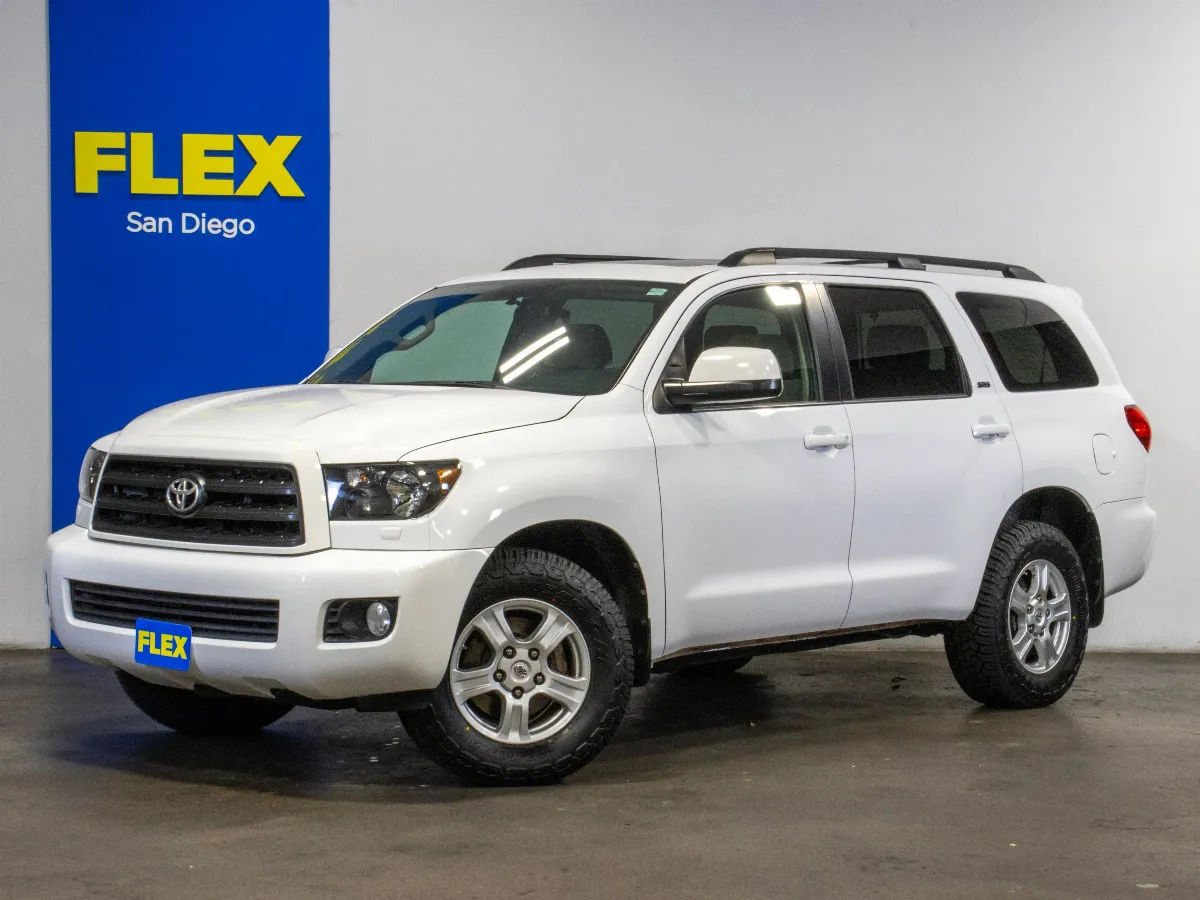
The third generation covers the 2023 model year onward. Three things set it apart from the 2008–2022 truck.
- Hybrid only. Every 3rd Gen Sequoia uses the i-FORCE MAX powertrain, a 3.4L twin-turbo V6 paired with an electric motor. Toyota rates it at 437 hp and 583 lb-ft of torque. There is no non-hybrid version.
- 10-speed automatic. The electric motor sits between the engine and a 10-speed automatic transmission.
- Shared platform. The Sequoia rides on the same TNGA-F body-on-frame platform as the current Tundra, and the two are built at the same Texas plant.
That shared hardware matters for this article. When the Tundra is recalled, Sequoia owners reasonably ask whether their SUV is next.
Is the Sequoia Part of the Tundra Engine Recall?
No. As of November 2026, no Toyota Sequoia is included in any of the V35A engine recalls. Here is what the recalls cover and why the Sequoia sits outside them.
What the V35A Recall Covers
Toyota has filed three recalls for machining debris that may have been left inside V35A engines during production. The debris can damage the main bearings, and the engine can knock, run rough, fail to start, or stall.
| Recall | Filed | Vehicles Covered |
|---|---|---|
| 24V-381 | May 2024 | 2022–2023 Tundra, 2022–2023 Lexus LX |
| 25V-767 | November 2025 | 2022–2024 Tundra, 2022–2024 Lexus LX, 2024 Lexus GX |
| 26V-320 | May 2026 | 2024 Tundra |
All three cover non-hybrid engines only. We cover the remedy, the inspection process, and what it means for used buyers in our Toyota Tundra engine recall guide.
Why the Hybrid Sequoia Is Treated Differently
Toyota gave two reasons in its original May 2024 recall filing for 24V-381. First, it said other Toyota and Lexus vehicles, including hybrids, use a different V35A engine configuration with different pressure on the main bearings. Second, it said that if the engine fails in a hybrid, the vehicle keeps some motive power for a limited distance and the driver gets a continuous audible warning, warning lamps, and visual warning messages. A safety recall addresses the risk of losing power while driving, and Toyota’s position is that the hybrid system reduces that risk.
That explanation does not say the hybrid engines are free of machining debris. It also does not say they cannot fail. It says the hybrid’s engine configuration and its remaining motive power put it outside the scope of this safety recall.
What Owners Have Reported
Some Sequoia owners disagree with that position, and they have told NHTSA so. In the 2023 and 2024 complaint records we found:
- Several owners reported complete engine failure. One 2023 owner reported a failure at around 32,000 miles, and another reported low oil pressure codes followed by a failed engine at around 63,000 miles.
- One 2023 owner reported that the hybrid system malfunctioned, the engine seized, and the dealer replaced the short block and both turbochargers.
- Several owners filed complaints specifically to ask that the Sequoia be added to recall 25V-767. One 2024 owner reported metal debris in the oil filter at an oil change.
These are individual, unverified reports, and NHTSA has not opened a Sequoia engine recall. The numbers are small next to the tens of thousands of Sequoias sold. Still, a buyer should know the reports exist. An engine failure outside a recall is handled under warranty or as a goodwill repair, not as a guaranteed free replacement.
Hybrid System Problems
Coolant loss is often listed as a 3rd Gen Sequoia problem on complaint-aggregator sites. We could not confirm it. Not one of the 89 NHTSA complaints for 2023–2025 mentions coolant, so we have left it out of our problem list.
Hybrid Warning Lights and Battery Concerns
What owners do report is warning messages. Hybrid system warnings appear in four complaints, usually alongside an engine, transmission sensor, or electrical fault and not as a battery failure. We found no pattern of hybrid battery failures in the NHTSA records for these model years.
The hybrid battery also carries the longest warranty on the vehicle, which we cover below.
Transmission and Drivetrain Problems
The Transmission Creep Recall
Recall 24V-125 covers 2023–2024 Sequoias, along with 2022–2024 Tundras and Lexus LX 600s. In affected vehicles, certain parts of the transmission may not disengage right away when the shifter is moved to neutral. Some engine power can keep reaching the wheels, and the vehicle can creep forward at low speed on a flat surface if the brakes are not applied.
The remedy is a software update to the transmission control unit, done free at a dealer. Toyota mailed owner letters in April 2024.
Shift Quality Complaints
We expected to find more here than we did. Only two complaints across 2023 and 2024 mention the transmission or shifting. Rough or hesitant shifting does not show up as a pattern in the federal records.
Brake Problems
Brakes are one of the most common complaint themes with no recall behind them. We count 15 complaints across 2023–2025 that mention brakes. Eight describe the brakes themselves, such as squeal, vibration, or reduced braking, and the rest involve the trailer brake controller, automatic braking, or brake lamps.
Front Brake Squeal
Some owners reported loud front brake squeal, often on cold starts or when backing out of a garage. Two complaints cite Toyota service bulletins for this condition, T-SB-0043-24 and T-SB-0022-25. A service bulletin is a repair instruction for dealers, not a recall. Some owners also reported long waits for the parts.
Vibration on Long Descents
A smaller group of 2024 and 2025 owners reported strong front brake vibration during long, steep downhill drives, with the brakes returning to normal at the bottom. If you tow or drive mountain passes often, ask the selling dealer whether any brake complaints or repairs are on record for the vehicle.
Body and Electronics Problems
Rearview Camera Recall
Recall 25V-657 covers 2023–2025 Sequoias. A software error may keep the rearview image from displaying when the vehicle is put in reverse, which means the vehicle does not meet the federal rear visibility standard. Dealers update the multimedia display software free of charge. Owner letters went out in November 2025.
Tow Hitch Cover Recall
Recall 24V-640 is specific to the Sequoia. On 2023–2024 models with a tow hitch cover on the rear bumper, the cover can work loose and fall off on the road. Dealers replace the cover and modify the bumper. This is also the most common owner complaint in the records, with about 20 complaints describing it.
Power Liftgate Failures
Some owners across all three model years reported that the power liftgate beeps and refuses to close, or only opens partway, and has to be shut by hand. There is no recall for this. Check it several times on a test visit, using the dash button, the key fob, and the button on the liftgate itself.
Smaller Recalls
- Spare tire carrier (23V-468), 2023: the chain that holds the spare under the vehicle may have a weak weld. Dealers replace the carrier.
- Tire sidewall (24V-767), 2024: the passenger-side tires on some vehicles may have inner sidewall damage from the factory. Dealers inspect and replace tires as needed.
- Load capacity label (26V-179), 2025: the label may show an inaccurate figure. Dealers replace the label.
Every 3rd Gen Sequoia Recall by Model Year
| Recall | Filed | 2023 | 2024 | 2025 | Problem | Remedy |
|---|---|---|---|---|---|---|
| 23V-468 | July 2023 | Yes | No | No | Spare tire carrier chain weld | Replace carrier |
| 24V-125 | February 2024 | Yes | Yes | No | Vehicle can move in neutral | Transmission software update |
| 24V-640 | August 2024 | Yes | Yes | No | Tow hitch cover can detach | Replace cover, modify bumper |
| 24V-767 | October 2024 | No | Yes | No | Tire inner sidewall damage | Inspect, replace tires |
| 25V-657 | October 2025 | Yes | Yes | Yes | Rearview image may not display | Multimedia software update |
| 26V-179 | March 2026 | No | No | Yes | Load capacity label | Replace label |
Source: NHTSA recall database, checked November 12, 2026. Recalls apply to certain vehicles within a model year, not all of them.
A seventh recall, 24V-548, applies only to certain 2023–2024 vehicles fitted with accessories by one regional distributor, and its remedy is a corrected label.
💡 Tip: Check Any Sequoia by VIN
Enter the 17-digit VIN at the NHTSA recall lookup or Toyota’s recall lookup. The result shows open recalls for that exact vehicle, which is more reliable than checking by model year.
Problems by Model Year
2023 Toyota Sequoia Problems
The first model year has the most recalls, with four: the spare tire carrier, neutral creep, hitch cover, and rearview camera. It also has the most engine-related complaints. Of the 39 complaints on file, the main themes are the hybrid and engine, brakes, and the hitch cover.
2024 Toyota Sequoia Problems
The 2024 model also has four standard recalls: neutral creep, hitch cover, tire sidewall, and rearview camera. Its 39 complaints lean toward the hitch cover, brakes, and the power liftgate. Engine-related complaints are fewer than for 2023 but still present.
2025 Toyota Sequoia Problems
The 2025 model has two recalls, the rearview camera software and the load capacity label. Neither involves a mechanical part. It has 11 complaints on file, and none describes an engine failure. Brake vibration and the power liftgate each appear.
Keep in mind that a newer model year has had less time on the road, so a low count is encouraging but not final.
2026 Toyota Sequoia Problems
We found no recalls and no complaints for the 2026 Sequoia in the NHTSA database as of November 12, 2026. That is normal for a model year this new. It will take another year or two of data to judge. Toyota has also announced a refreshed 2027 Sequoia with the same i-FORCE MAX hybrid powertrain, and it had no NHTSA recalls or complaints on file as of November 12, 2026.
3rd Gen vs. 2nd Gen Sequoia: Which Is the Safer Used Buy?
The two generations suit different buyers.
| 2nd Gen (2008–2022) | 3rd Gen (2023 Onward) | |
|---|---|---|
| Engine | 5.7L V8, 381 hp, 401 lb-ft | 3.4L twin-turbo V6 hybrid, 437 hp, 583 lb-ft |
| Transmission | 6-speed automatic | 10-speed automatic |
| Track record | More than a decade of data | Four model years of data |
| Main known concerns | Age-related wear, fuel use | Engine reports, brakes, liftgate, software recalls |
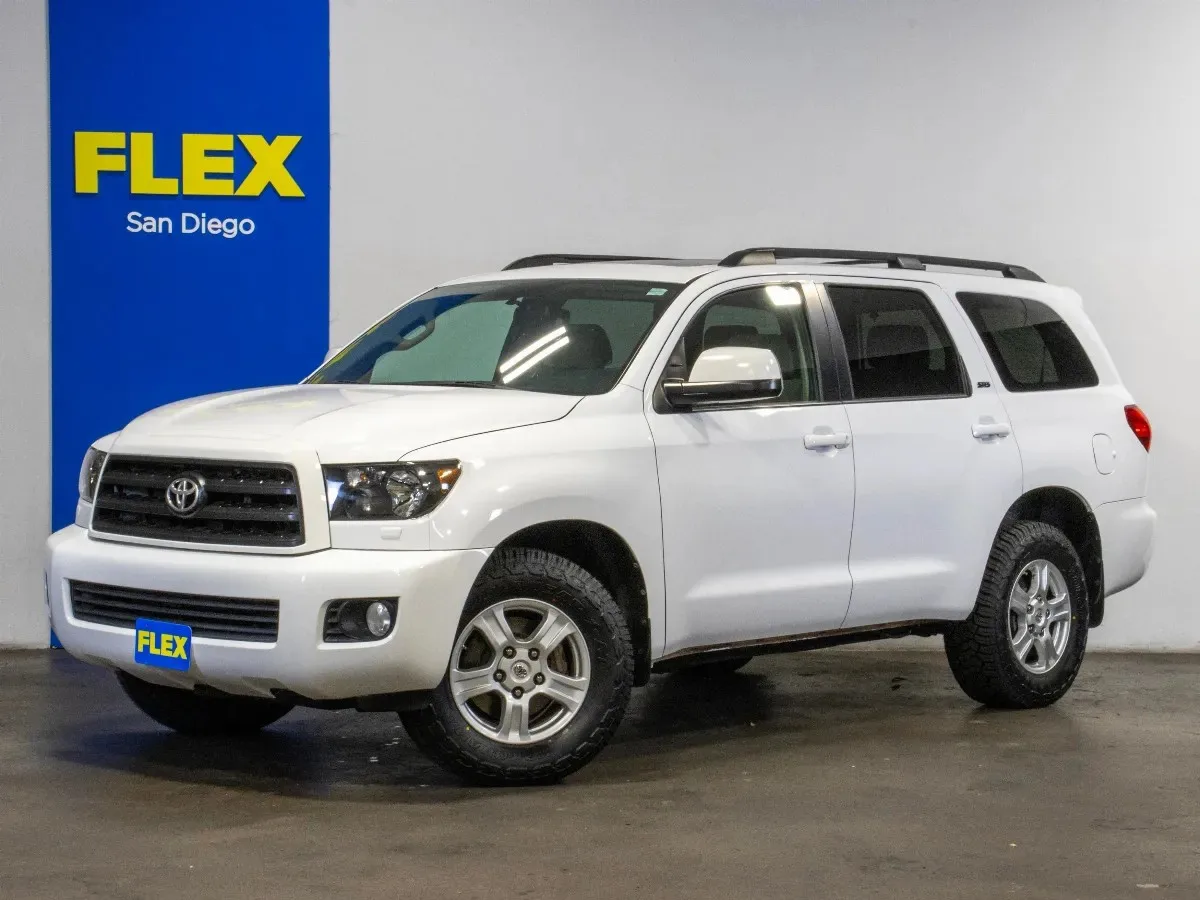
The 3rd Gen is the stronger and more efficient truck, and most of its recalls are quick fixes. The 2nd Gen is simpler. Its V8 has no turbochargers and no hybrid system, and its problems are well documented after many years on the road. We cover those in 5 Common Problems With Sequoia and in our guide to the best and worst years of the Toyota Sequoia.
If long-term predictability matters more to you than power and fuel economy, a well-kept 2nd Gen is the lower-risk choice. If you want the newer truck, a 2025 has the cleanest record so far.
What to Check Before Buying a Used 2023+ Sequoia
🚨 BEFORE YOU BUY: Pre-Purchase Checklist
- 1. Run the VIN at nhtsa.gov/recalls and confirm every recall shows as completed.
- 2. Ask for the full service history, including oil change intervals. Regular oil service matters on a turbocharged engine.
- 3. Ask whether the engine or short block has ever been replaced, and get the paperwork if it has.
- 4. Ask whether the brake service bulletins have been performed.
- 5. Open and close the power liftgate at least five times with each control.
- 6. Confirm the tow hitch cover recall is done if the vehicle has the cover.
- 7. Check the rearview camera every time you select reverse during the test drive.
- 8. Confirm the in-service date so you know how much factory warranty remains.
For a wider look at shopping for any generation, see our used Toyota Sequoia buying guide.
Warranty Coverage for Hybrid Components
Toyota’s new-vehicle warranty for the Sequoia has four parts that matter here.
| Coverage | Term |
|---|---|
| Basic | 3 years or 36,000 miles |
| Powertrain | 5 years or 60,000 miles |
| Hybrid system components | 8 years or 100,000 miles |
| Hybrid battery | 10 years or 150,000 miles |
The engine falls under the powertrain warranty, not the longer hybrid coverage. That is the detail to remember. An engine failure at 63,000 miles, like the one an owner reported to NHTSA, is outside the standard powertrain term. Coverage runs from the original in-service date, so check that date on any used Sequoia.
Frequently Asked Questions
Is the Toyota Sequoia included in the Tundra engine recall?
No. As of November 2026, the three V35A engine recalls cover non-hybrid Tundra, Lexus LX, and Lexus GX models. Every 3rd Gen Sequoia is a hybrid, and none is included.
What is the most reliable year of the 3rd Gen Sequoia?
Based on the records so far, 2025 has the fewest recalls and complaints of the model years with meaningful data. It has also had the least time on the road, so the picture can still change.
Does the 2025 Toyota Sequoia have engine problems?
We found no engine-failure complaints for the 2025 Sequoia in the NHTSA database as of November 2026. Engine-failure reports exist for 2023 models, and some 2024 owners have filed engine-related concerns.
How many miles will a hybrid Sequoia last?
Nobody knows yet. The oldest 3rd Gen Sequoias are about four years old, so there is no long-term mileage data for this powertrain. The 2nd Gen V8 has a long record, which we cover in our Sequoia reliability guide.
How do I check if my Sequoia has an open recall?
Enter your VIN at nhtsa.gov/recalls or toyota.com/recall. Any Toyota dealer can also check and perform recall work free of charge.
Is a used 2nd Gen Sequoia a better buy than a 3rd Gen?
It depends on your priorities. The 2nd Gen is simpler and has a longer track record. The 3rd Gen is more powerful and uses less fuel, but its engine questions are not settled.
Conclusion: Should You Buy a 3rd Gen Sequoia?
The 3rd Gen Sequoia is not a problem vehicle by the numbers. Its recalls are mostly software and small hardware fixes, and its complaint count is modest. The uncertainty is the engine. The Sequoia shares its V35A engine family with recalled Tundras, some owners have reported failures, and Toyota has not extended the recall to hybrids.
If you buy one, choose the newest model year your budget allows, verify every recall by VIN, and know exactly how much powertrain warranty is left. If you would rather avoid the question, the V8-powered 2nd Gen remains a proven alternative.
Don’t Just Look — Feel the Drive
Take your favorite model for a spin through the streets of San Diego. Feel the performance firsthand.


