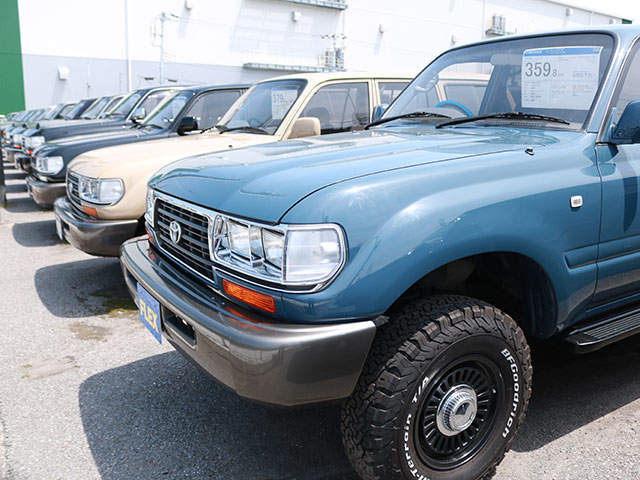
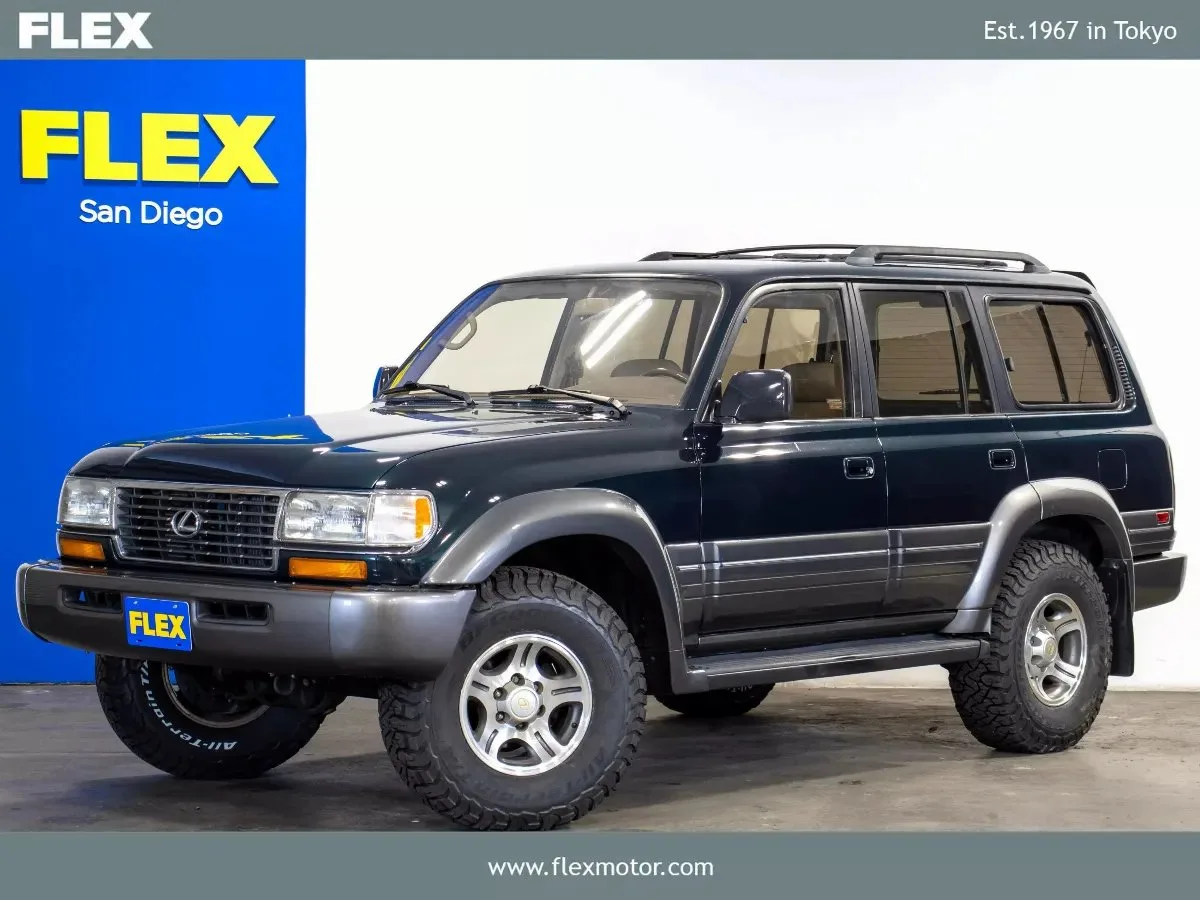
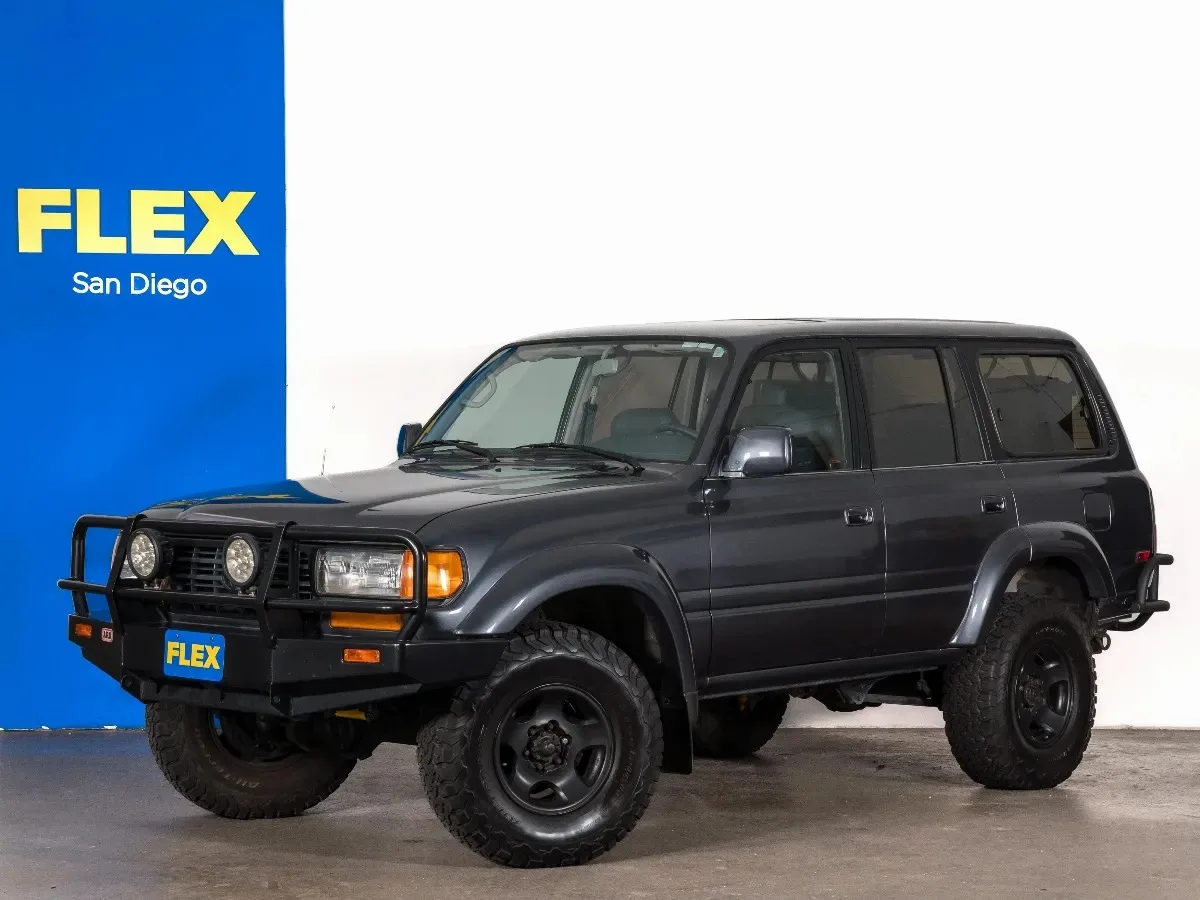
The Toyota Land Cruiser 80 Series was sold in the US for only seven model years, from 1991 through 1997. On paper that sounds simple. In practice, a 1992 and a 1996 are very different trucks. The engine changed, the brakes changed, the dashboard changed, and airbags arrived partway through a model year.
That is why “which year should I buy?” is the first question most 80 Series shoppers ask. The honest answer is that no year is a bad one, but each group of years suits a different buyer.
We sell 80 Series Land Cruisers imported from Japan, and we have handled US-market trucks as well. This guide walks through every model year, shows what actually changed, and explains which years fit which kind of owner. It also covers the Japanese-market trucks, which followed a different timeline.
- 80 Series Best Years: The Quick Answer
- 80 Series Model Years at a Glance
- Year-by-Year Changes
- Best 80 Series Years to Buy
- 80 Series Years to Approach With Caution
- 1994 vs. 1995–1997: What Actually Changed
- Is the 80 Series Reliable? Common Problems by Year
- What an 80 Series Costs in 2026: Prices by Year
- JDM 80 Series Years: What Changes When You Import
- Which 80 Series Year Should You Buy?
- What to Check Before Buying Any Year
- Frequently Asked Questions
- Conclusion
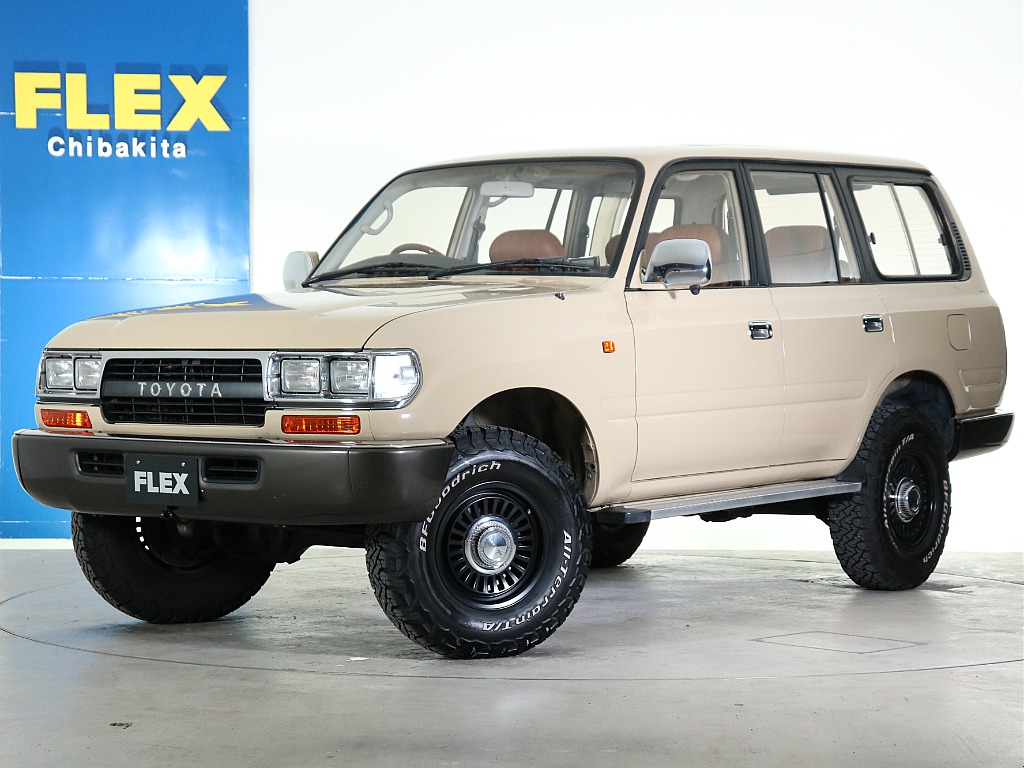
80 Series Best Years: The Quick Answer
| Pick | Years | Why |
|---|---|---|
| Best for most buyers | 1995–1997 | Dual airbags, standard ABS, the newer dashboard, and OBD-II diagnostics from 1996 on US-market trucks |
| Best value | 1993–1994 | The same 4.5L engine as later trucks, with lower typical auction prices |
| Collector’s pick | 1997 | The final year, including the 40th Anniversary and Collector’s Edition trucks |
| Approach with caution | 1991–1992 | The older 4.0L engine with less power, and parts that owners say are getting harder to find |
| Approach with caution | Any year without records | Condition and service history matter more than the model year |
No 80 Series year is a true “year to avoid.” We found no Toyota safety recall for any model year from 1991 through 1997, and no official data that singles out one year as a problem. The differences below are about equipment and age, not about one year being built badly.
80 Series Model Years at a Glance
In the US, the 80 Series falls into two groups. The 1991 and 1992 trucks are the FJ80, with the 4.0L 3F-E engine. The 1993 through 1997 trucks are the FZJ80, with the 4.5L 1FZ-FE engine. Every US truck has a four-speed automatic transmission and full-time four-wheel drive.
| 1991 | 1992 | 1993 | 1994 | 1995 | 1996 | 1997 | |
|---|---|---|---|---|---|---|---|
| Chassis code | FJ80 | FJ80 | FZJ80 | FZJ80 | FZJ80 | FZJ80 | FZJ80 |
| Engine | 4.0L 3F-E | 4.0L 3F-E | 4.5L 1FZ-FE | 4.5L 1FZ-FE | 4.5L 1FZ-FE | 4.5L 1FZ-FE | 4.5L 1FZ-FE |
| Power | 155 hp | 155 hp | 212 hp | 212 hp | 212 hp | 212 hp | 212 hp |
| Front and rear lockers | Not offered | Not offered | Optional | Optional | Optional | Optional | Optional |
| ABS | Not listed | Not listed | Optional | Optional | Standard after the spring update | Standard | Standard |
| Dual airbags | No | No | No | No | After the spring update | Yes | Yes |
| Diagnostics | OBD-I | OBD-I | OBD-I | OBD-I | Varies by build date | OBD-II | OBD-II |
| EPA combined mpg | 12 | 11 | 12 | 12 | 13 | 13 | 13 |
Engine output for the 4.5L comes from Toyota. The 4.0L figure and the equipment changes come from Consumer Guide’s review of the 1990–97 Land Cruiser. Fuel economy figures are the EPA’s current ratings on fueleconomy.gov.
Year-by-Year Changes
1991 Toyota Land Cruiser
The 1991 model was the first 80 Series sold in the US. According to Toyota, it was introduced in spring 1990 as a 1991 model. Coil springs improved its ride, and for the first time in a Land Cruiser, a full-time four-wheel-drive system could be used in all conditions, including dry roads, with a locking center differential for off-road use.
Under the hood was the 4.0L 3F-E inline-six, carried over from the previous generation. Consumer Guide lists it at 155 horsepower and 220 lb-ft of torque. The EPA’s current rating is 11 mpg city, 13 highway, and 12 combined.
What it means today: the 1991 is the simplest 80 Series, and usually the least expensive. It is also the slowest, in a truck that weighs well over two tons.
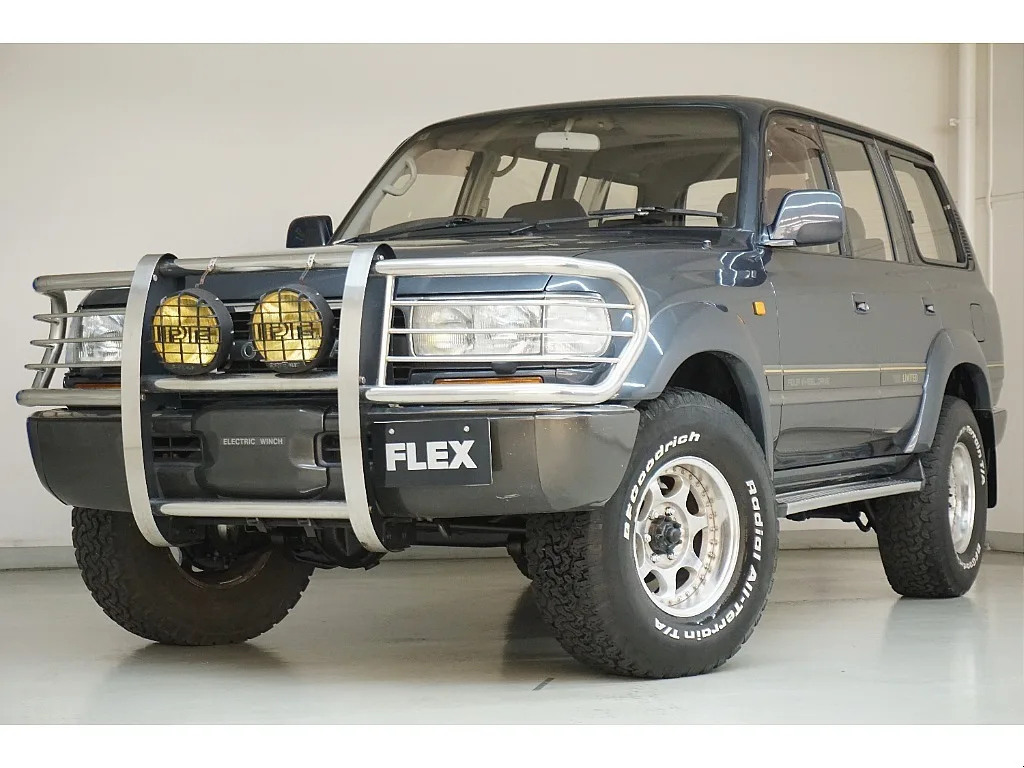
1992 Toyota Land Cruiser
The 1992 truck kept the 4.0L engine. Consumer Guide notes that power windows, power locks, and power mirrors became standard that year. The EPA’s current rating is 10 mpg city, 13 highway, and 11 combined.
This was the last year of the 3F-E in the US. Buyers who want the older engine’s simplicity will find the 1992 slightly better equipped than the 1991. Everyone else should look at 1993 and later.
1993 Toyota Land Cruiser
The 1993 model year brought the biggest mechanical change of the whole run. Toyota describes it this way: “For 1993, Toyota endowed the Land Cruiser with an all-new, 24-valve, DOHC 4.5-liter inline-six engine producing 212 horsepower and 275 pound-feet of torque.”
That new engine is the 1FZ-FE, and it stayed in the truck through 1997. Consumer Guide lists three other changes for 1993:
- The automatic transmission gained electronic control.
- Front and rear locking differentials became available as an option.
- Anti-lock brakes became available as an option, and they came with rear disc brakes.
A period road test by MotorWeek, summarized by Japanese Nostalgic Car, describes the truck as weighing 4,760 pounds, with a 5,000-pound towing capacity.
One detail matters when you inspect a 1993 or 1994. Toyota’s parts catalog lists both rear drum brakes and rear disc brakes for these years, so equipment varies from truck to truck. Look at the actual vehicle instead of assuming.
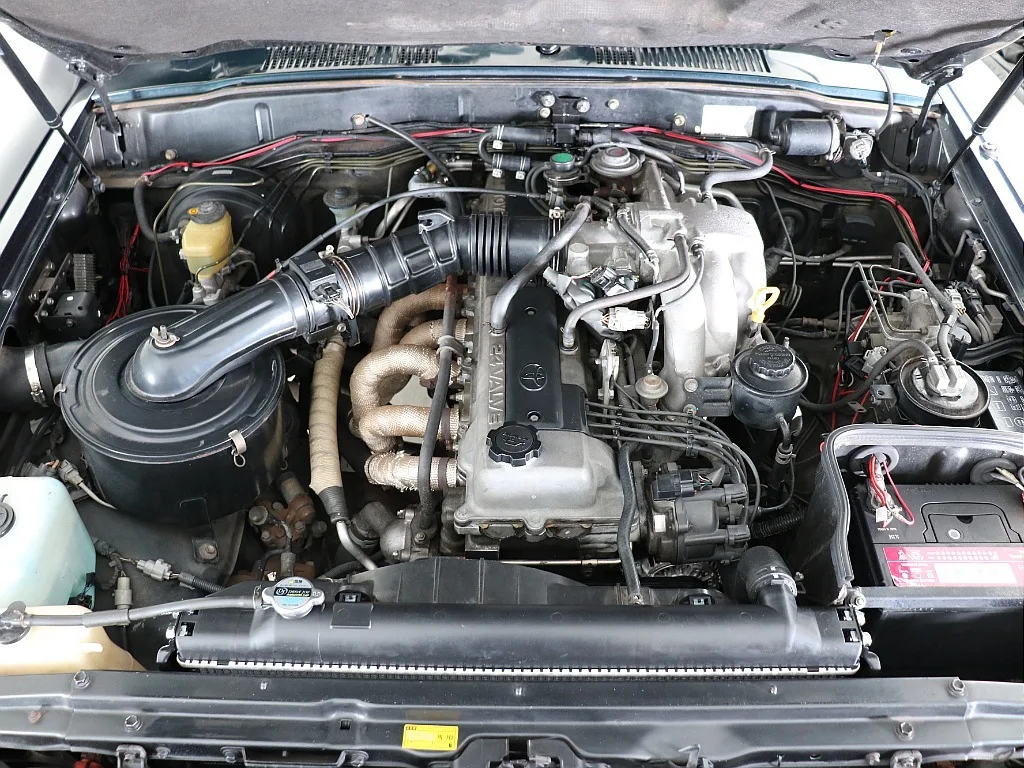
1994 Toyota Land Cruiser
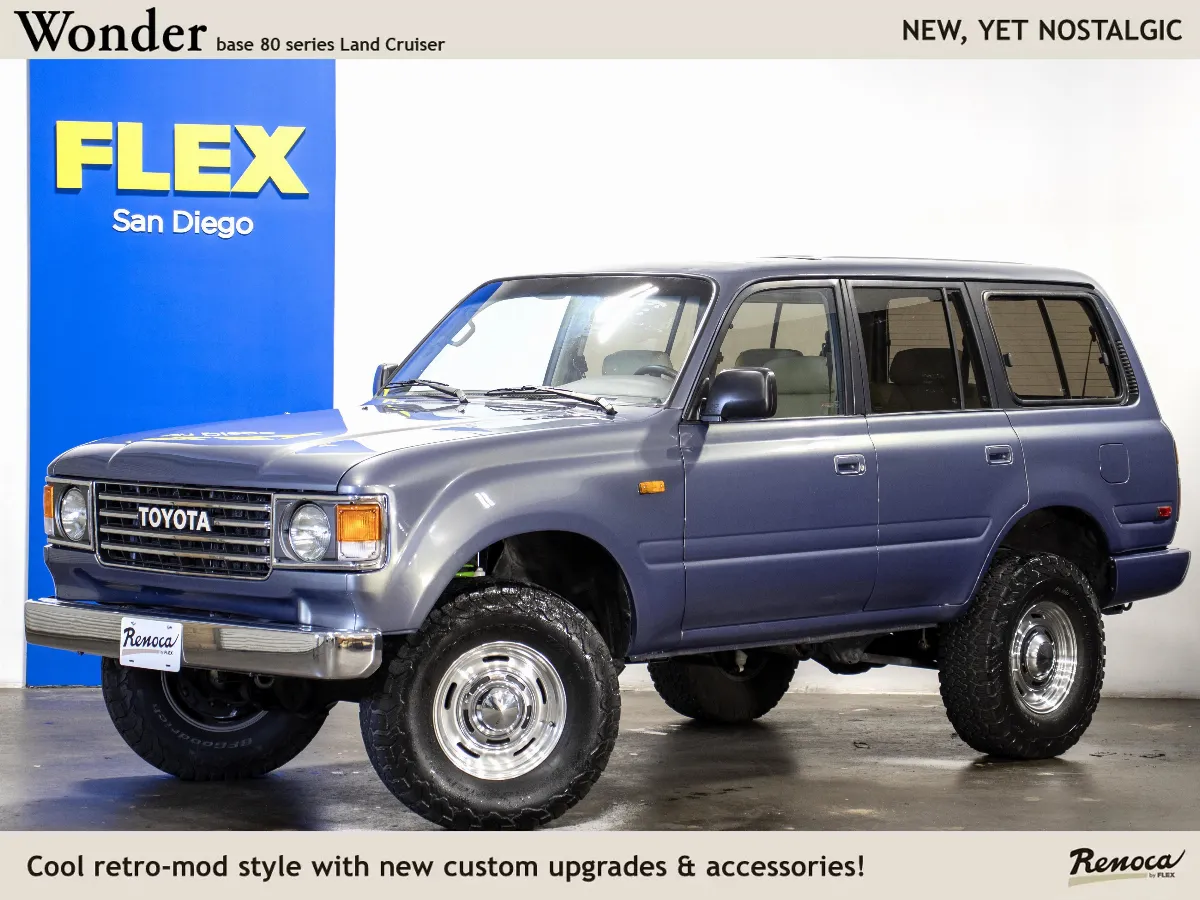
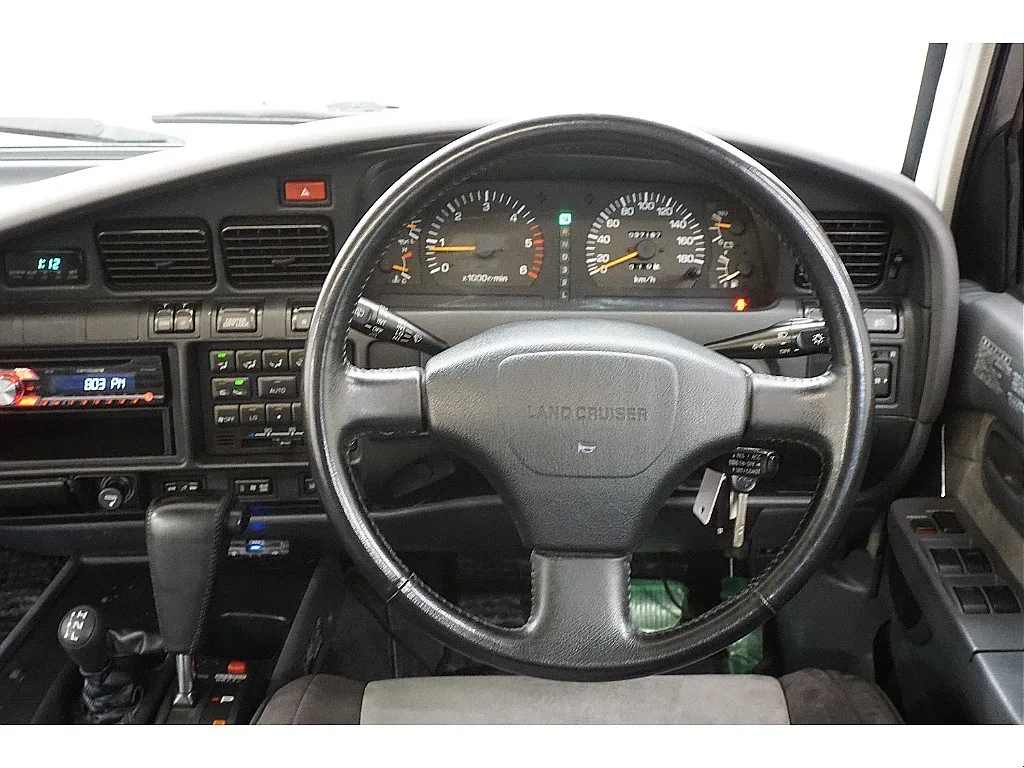
The 1994 truck was a light update. Consumer Guide notes a stereo upgrade from five speakers to nine, and little else. It kept the 212-horsepower engine, the original dashboard, and the grille with “TOYOTA” spelled out in letters.
For many enthusiasts, 1994 is the last of the early-style trucks. It has the stronger engine and the option of lockers, without the airbags and electronics that came later. Whether that is a plus or a minus depends on what you want, and we compare it directly with the later years below.
1995 Toyota Land Cruiser
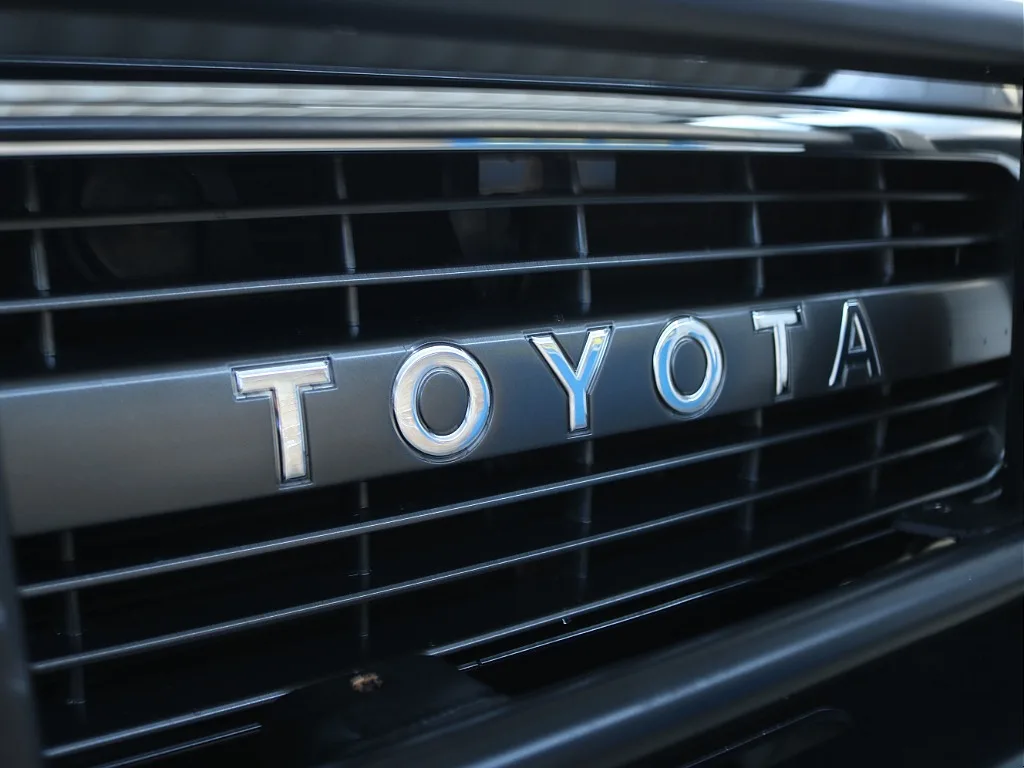
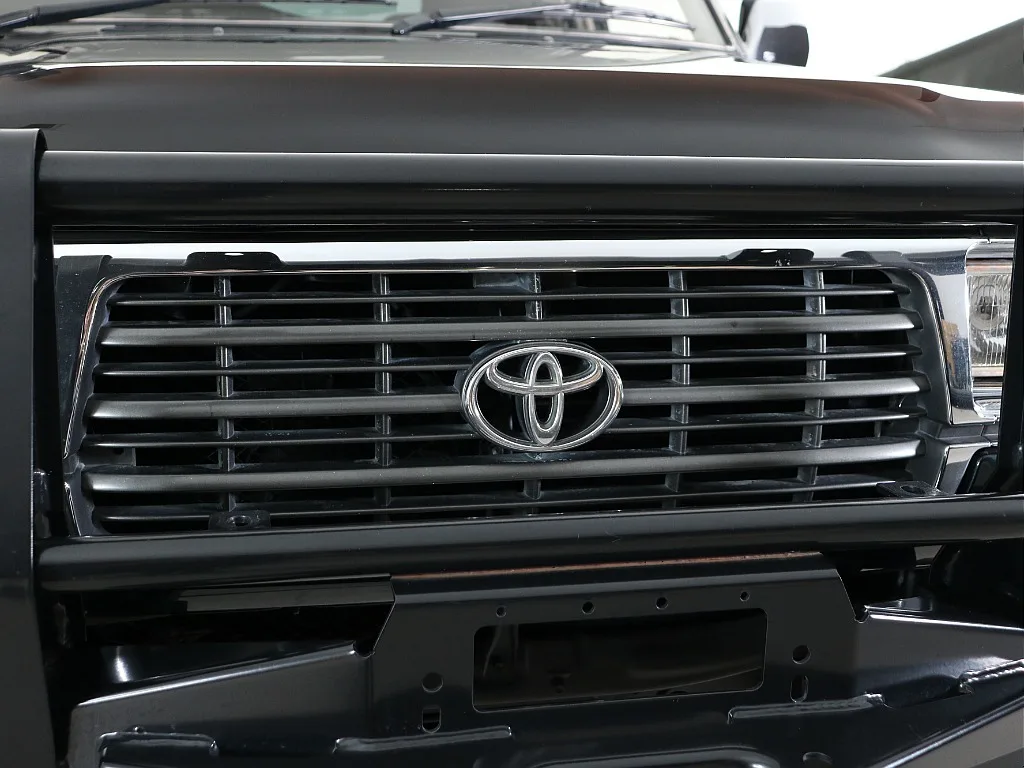
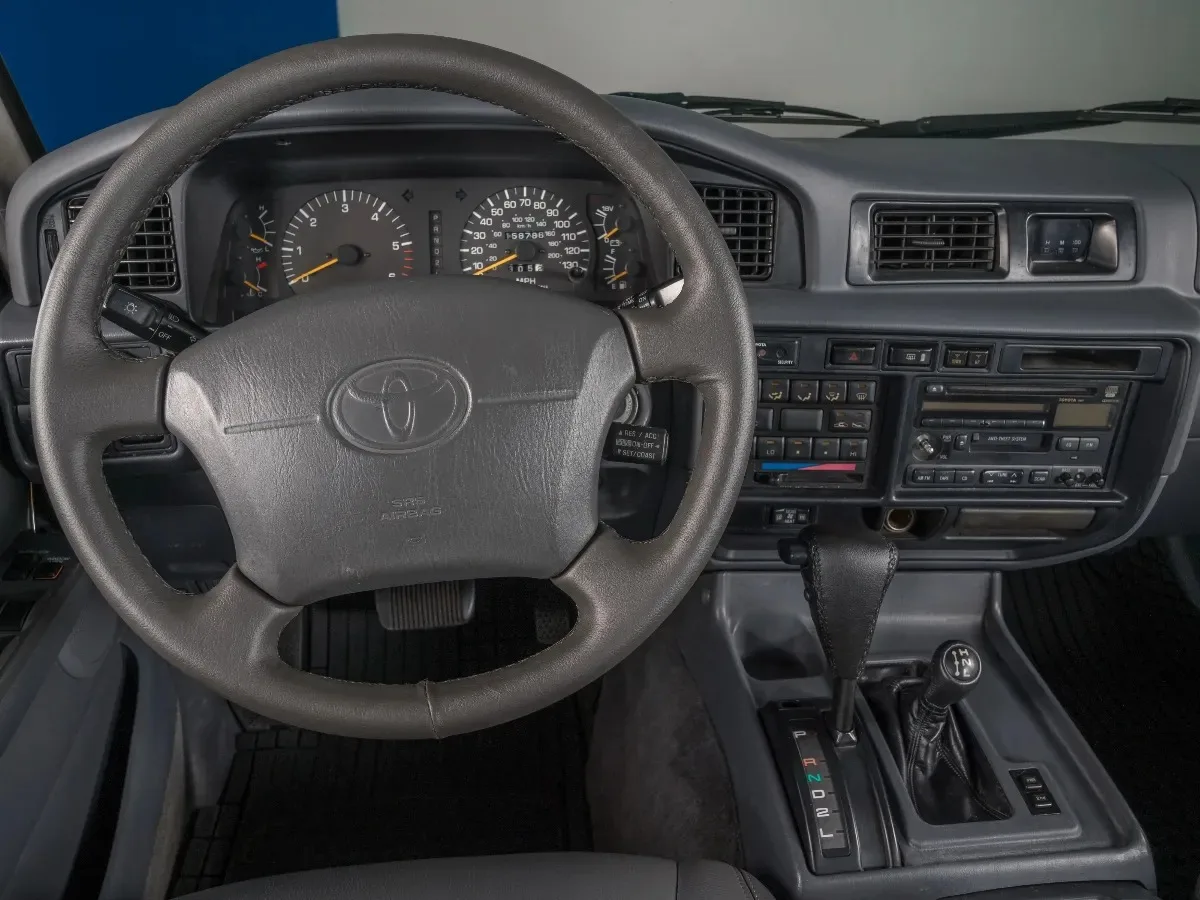
1995 is a split year, and that catches buyers out. Consumer Guide explains that trucks sold early in the 1995 model year were carryovers from 1994. An updated version arrived in spring 1995 with dual airbags, standard anti-lock brakes, and a restyled front end. The redesigned dashboard and the Toyota logo on the grille came with it.
So two trucks titled as 1995 models can be quite different. The reliable way to tell them apart is to look at the truck:
- An airbag steering wheel and a passenger airbag in the dash
- The newer, more rounded dashboard
- The Toyota emblem on the grille, in place of the lettering
If all three are there, it is the updated truck.
1996 Toyota Land Cruiser
We found no documented equipment change to the Land Cruiser itself for 1996. The important difference is diagnostics. Federal rules required OBD-II on 1996 and newer light vehicles, so a US-market 1996 or 1997 truck can be read with any standard scan tool. Japanese-market trucks were not built to the US rule, so check the diagnostic connector on an imported truck. For 1995, owners report both older and newer systems depending on build date, so check the emissions label under the hood.
1996 was also the year the Lexus LX 450 arrived on the same platform. We compare the two in our Lexus LX450 vs. Land Cruiser FZJ80 guide.
1997 Toyota Land Cruiser
1997 was the final US model year. Toyota’s dealer guide for that year says the truck “remains essentially unchanged.” Standard equipment included dual airbags, four-wheel disc brakes with ABS, and a towing package rated at 5,000 pounds. Front and rear locking differentials stayed on the options list.
Two special editions were sold in 1997:
- 40th Anniversary Limited Edition. It marked Toyota’s 40 years in America and came with two-tone leather, special badging, and a numbered plaque on the center console.
- Collector’s Edition. A package that bundled leather seats, a sunroof, premium audio, and Collector’s Edition badging and floor mats.
One point is often misunderstood. Locking differentials were optional on both editions, as they were on every US 80 Series from 1993. A special-edition badge does not mean the truck has lockers. Check for the differential lock switch on the dash.
The 100 Series replaced the 80 for the 1998 model year.
Best 80 Series Years to Buy
1995–1997: The Best Years for Most Buyers
If you plan to drive your 80 Series regularly, the updated 1995 through 1997 trucks are the easiest to recommend. They have dual airbags and standard ABS, and the EPA rates them one mpg better in combined driving than the 1993 and 1994 trucks. The 1996 and 1997 models add OBD-II, which makes diagnosis simpler for any shop.
They are also the most expensive years, as the price table below shows.
1993–1994: The Best Value
The 1993 and 1994 trucks have the same 212-horsepower engine as the later years, and the same option of front and rear lockers. Their typical auction prices are lower. For a buyer who wants the 4.5L engine and plans to build the truck for trail use, these years offer the most truck for the money.
The trade-off is safety equipment. These trucks predate the airbags, and ABS was optional.
1997 Special Editions: The Collector’s Pick
The final-year trucks carry the highest typical auction prices of any 80 Series year, and the special editions are the ones collectors look for. If you want a truck to keep and preserve, a clean 1997 with documented history is the natural choice.
80 Series Years to Approach With Caution
1991–1992: The 3F-E Trucks
The early trucks are not unreliable. Owners describe the 3F-E as simple and durable. The cautions are different:
- Power. 155 horsepower is modest for a truck this heavy.
- Equipment. These years predate the optional lockers and ABS.
- Parts. Owners on the IH8MUD forum report that some 3F-E parts, including heater hoses, are getting scarce.
The market reflects this. The 1991 and 1992 trucks have the lowest typical auction prices of the run. That can make them a good buy for someone who values simplicity, as long as you go in knowing the limits.
Any Year With No Maintenance Records
The newest US-market 80 Series is now almost 30 years old. At this age, how a truck was maintained matters far more than which year it is. A 1993 with a documented cooling system refresh and regular axle service is a safer buy than a 1997 with no history.
Ask for records. If there are none, budget for catch-up work and have the truck inspected before you commit.
1994 vs. 1995–1997: What Actually Changed
This is the comparison 80 Series shoppers argue about most. Here are the differences we could confirm, with “1995” meaning the updated truck that arrived in spring 1995.
| 1994 | 1995–1997 | |
|---|---|---|
| Airbags | None | Dual front airbags |
| ABS | Optional | Standard |
| Dashboard | Original design | Redesigned |
| Grille | “TOYOTA” lettering | Toyota emblem |
| Engine | 4.5L, 212 hp | 4.5L, 212 hp |
| Front and rear lockers | Optional | Optional |
| Diagnostics | OBD-I | OBD-II on 1996 and 1997 |
| EPA combined mpg | 12 | 13 |
Owners also report a change of automatic transmission between the two groups, a brass radiator in the earlier trucks and an aluminum one in the later trucks, and other small differences. Those details come from owner discussions and are not confirmed in Toyota documents we could find.
Who should choose 1994? Buyers who prefer the earlier look and a simpler truck, and who accept the lack of airbags.
Who should choose 1995–1997? Buyers who want the safety equipment, easier diagnostics, and the best resale prospects.
The engine, the four-wheel-drive system, and the availability of lockers are the same in both.
Is the 80 Series Reliable? Common Problems by Year
The 80 Series has a strong reputation, and the federal data supports it. The National Highway Traffic Safety Administration lists one recall across these model years, and it covers an aftermarket trailer hitch on 1991 through 1993 trucks. It is not a Toyota defect. Owner complaints filed with NHTSA total 92 across all seven model years, with service brakes the most common complaint category on 1993 and later trucks.
That said, these are old trucks with known weak points. The items below come up most often.
Head Gasket on the 1FZ-FE
Some owners report head gasket failures on the 4.5L engine. In one owner poll on IH8MUD with 651 responses, about 37 percent reported a failure, most of them after 100,000 miles. Owners often associate the problem with 1993 and 1994 trucks, but we found no data that breaks failures down by year, and Toyota issued no recall.
Signs to look for are coolant loss with no visible leak, white exhaust smoke once the engine is warm, and milky oil. Repair costs run about $2,500 to $5,500, according to one owner’s 2026 cost guide on IH8MUD. A truck with a documented head gasket replacement is worth more for that reason.
Front Axle and Birfield Service
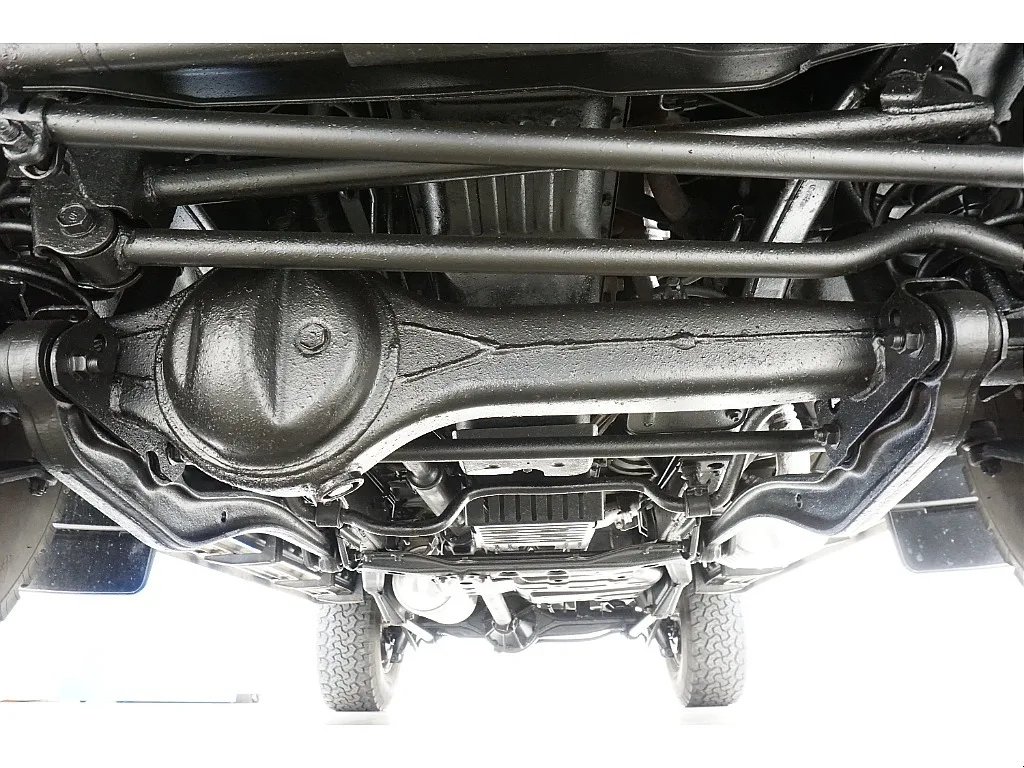
The 80 Series has a solid front axle with constant-velocity joints, often called birfields, inside the steering knuckles. The seals wear, and grease or gear oil weeps from the knuckle. Owners treat a front axle rebuild as routine maintenance more than a defect. The same owner guide puts a shop rebuild at about $1,800 to $3,200.
This applies to every year. Look for wet, greasy steering knuckles and ask when the axle was last serviced.
Heater Hoses and Cooling System
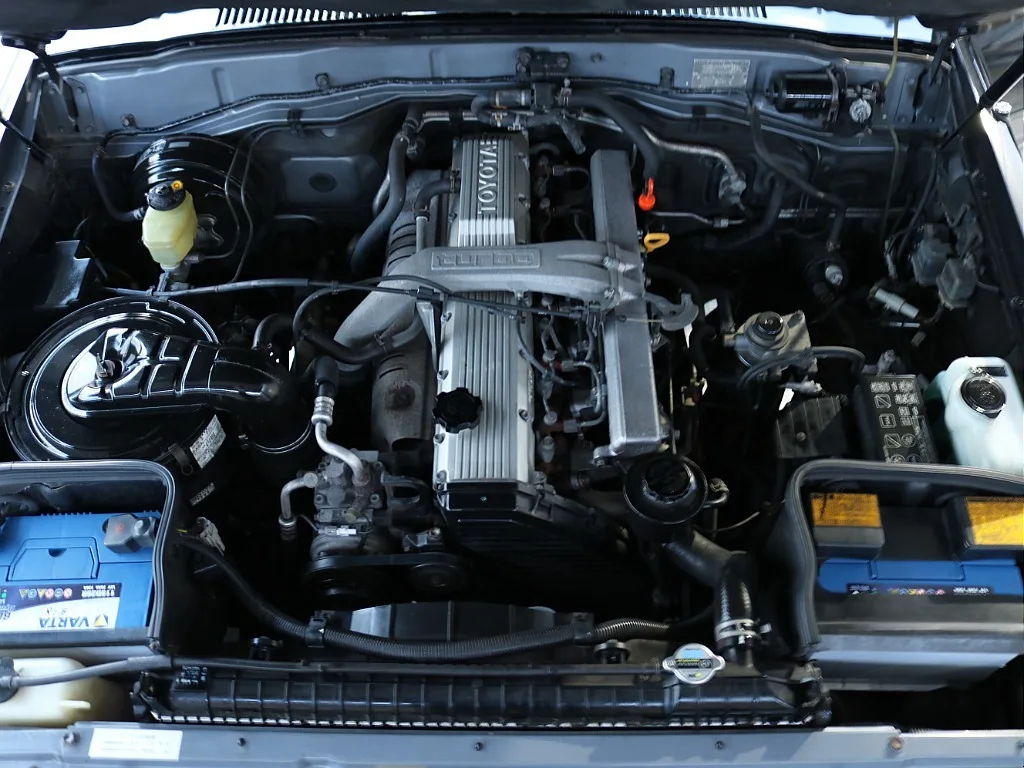
A short heater hose at the back of the 4.5L engine is hard to reach and often neglected. Owners call it the “pesky heater hose.” If it fails, the engine can overheat quickly, which is one of the ways head gaskets get damaged. Radiators with plastic tanks also split with age.
A cooling system that has been refreshed, with new hoses and a newer radiator, is one of the best things to see in a service history.
Rust and Frame Condition
Rust depends on where the truck lived, not on its model year. Owners report it at the roof rack mounts, the rear wheel arches, the rear window frames, the lower edge of the tailgate, and the rear frame crossmembers. Inspect the underside and the brake lines closely on any truck from a region that salts its roads.
What an 80 Series Costs in 2026: Prices by Year
Prices generally rise with model year. The table shows median sold prices at online auctions over the past three years, as tracked by Backlist, which aggregates results from Bring a Trailer, Cars & Bids, and PCARMARKET.
| Model year | Median sold price | Typical range |
|---|---|---|
| 1991 | $16,750 | $9,420–$36,675 |
| 1992 | $18,625 | $7,950–$35,475 |
| 1993 | $19,950 | $13,150–$34,915 |
| 1994 | $22,000 | $9,760–$36,700 |
| 1995 | $25,000 | $12,300–$58,600 |
| 1996 | $22,875 | $12,255–$39,700 |
| 1997 | $27,125 | $12,735–$49,323 |
Figures are as of November 15, 2026. The samples include some imported diesel trucks and some modified or non-US trucks, which lift the 1991 and 1992 medians in particular.
Two things stand out. First, the ranges overlap almost completely. A clean 1994 sells for more than a tired 1997. Second, the spread within each year is far wider than the gap between years. Condition, mileage, lockers, and records set the price.
Our own trucks are priced individually. You can see current prices on our Land Cruiser 80 inventory page. Listed prices do not include tax or transport, and each listing page shows the total for your location or lets you request a total estimate.
JDM 80 Series Years: What Changes When You Import
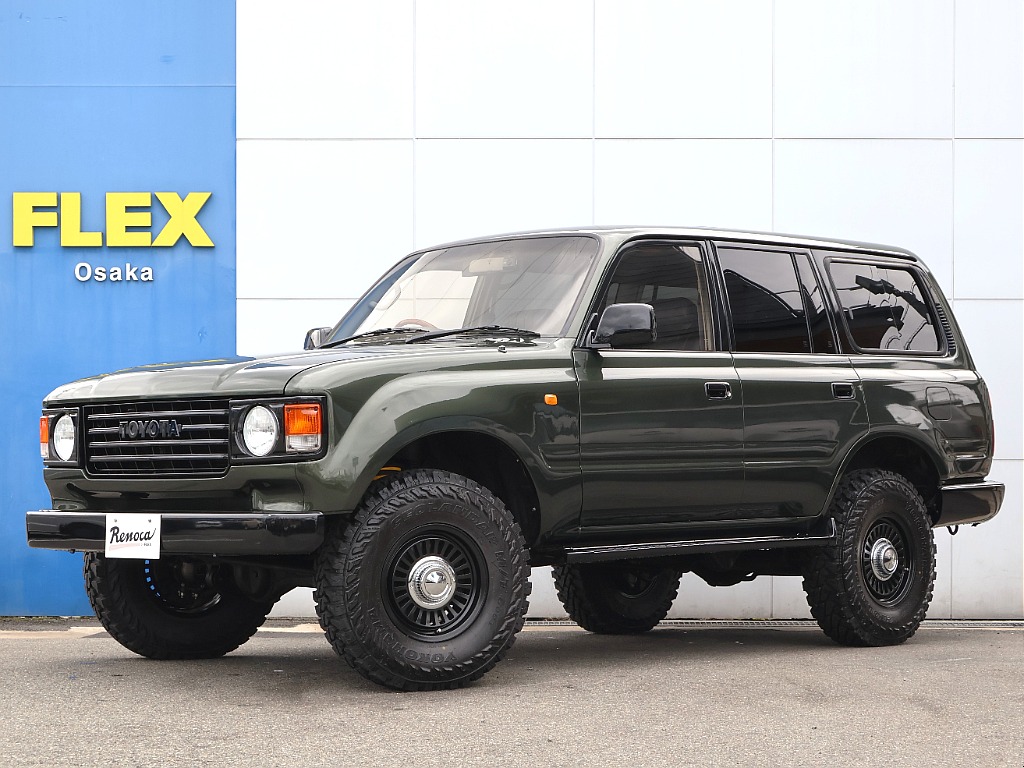
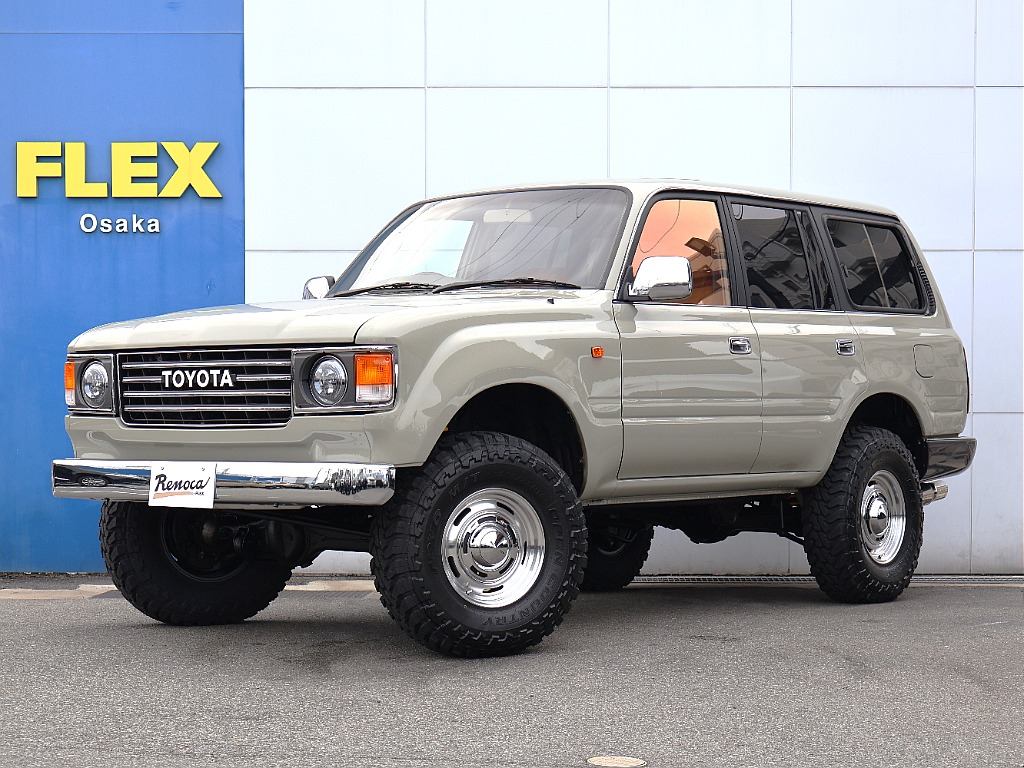
Most of the 80 Series trucks we sell come from Japan. As of November 16, 2026, we list 28 Japanese-market trucks available for import and one truck at our San Diego store, and 12 of the 29 are 1996 models. Japanese-market trucks followed a different timeline from US ones, so the year tells you different things. The equipment notes earlier in this guide, including airbags, ABS, OBD-II and EPA ratings, describe US-market trucks. On a Japanese-market truck, check the equipment on the individual vehicle.
Toyota launched the 80 Series in Japan on October 16, 1989, and Toyota’s records show it on sale there until January 1998, when the 100 Series replaced it. Under US import rules, a vehicle that is at least 25 years old can be imported without meeting current federal safety standards. Every 80 Series built in Japan is now past that mark.
Gasoline Models: 3F-E and 1FZ-FE
In Japan, gasoline 80s were sold as eight-seat wagons. According to Toyota’s vehicle history, the 4.0L engine was replaced by the 4.5L 24-valve engine in August 1992. In the US, the 4.5L arrived for the 1993 model year, so a Japanese-market truck first registered in late 1992 can already have the newer engine.
Most of our gasoline 80s are VX Limited models, the top grade, with the 4.5L engine and an automatic transmission.
Diesel Models: 1HZ, 1HD-T and 1HD-FT
The US-market 80 Series was sold with gasoline engines. In Japan, diesel models were sold alongside them as five-seat vans. There were three diesel engines:
| Engine | Type | Output in Japan | Years in Japan |
|---|---|---|---|
| 1HZ | 4.2L diesel, non-turbo | 135 PS | 1989–1998 |
| 1HD-T | 4.2L turbo diesel | 165 PS | 1989–January 1995 |
| 1HD-FT | 4.2L 24-valve turbo diesel | 170 PS | January 1995–1998 |
Output figures are Japanese catalog ratings in metric horsepower. The first two are published by Toyota, and the 1HD-FT figure comes from the Gulliver vehicle catalog.
So for a diesel, the year matters in a specific way. A turbo diesel built before January 1995 has the 1HD-T, and one built after has the 24-valve 1HD-FT. Our guide to the Land Cruiser 80 diesel covers these engines in more detail.
Registration rules are set by each state, and some states have their own requirements for imported and diesel vehicles. Check your state’s requirements before you buy.
How to Read the Model Year on a JDM Truck
Japan does not use US-style model years. A Japanese listing shows the date the truck was first registered. US import rules count from the date of manufacture, which is the same as or earlier than the registration date.
For a Japanese-market 80 Series this no longer affects eligibility, since every one is old enough. It does matter for knowing what you are buying. Ask for the build date and the chassis code, and match them against the engine timeline above. Our guide to JDM Toyotas that become legal to import in 2027 explains how the 25-year count works for newer models.
Which 80 Series Year Should You Buy?
- For daily driving: an updated 1995, a 1996, or a 1997. Airbags, standard ABS, and simpler diagnostics make them the easiest to live with.
- For overlanding and trail use: a 1993 or 1994 with factory lockers, or any later truck with them. The engine and the locker option are the same, and the earlier trucks cost less to start with.
- For collecting: a 1997, especially a special edition, with low mileage and full records.
- For a diesel: a Japanese-market truck. Choose the 1HD-FT if you want the later 24-valve engine, or the 1HZ if you want the simplest one.
- For the lowest purchase price: a 1991 or 1992, if you are comfortable with the 4.0L engine.
If you are still deciding between the 80 Series and other generations, our Used Land Cruiser Buying Guide compares the 60, 70, 80, 100, and 200 Series.
What to Check Before Buying Any Year
- Service records. Look for cooling system work, front axle service, and any head gasket replacement.
- Cooling system. Check the coolant level and condition, the radiator, and the hoses.
- Steering knuckles. Wet, greasy knuckles mean the front axle is due for service.
- Rust. Inspect the frame, rear crossmembers, wheel arches, tailgate, and brake lines.
- Lockers. If the truck has them, make sure both engage and the dash lights stop flashing.
- Warning lights. ABS and airbag lights should come on at start-up and go out.
- Which truck it really is. On a 1995, confirm whether it is the early or updated version.
For a full inspection walk-through, see our 80 Series Land Cruiser Buying Guide.
Frequently Asked Questions
What years is the 80 Series Land Cruiser?
In the US, the 80 Series covers the 1991 through 1997 model years. In Japan, it was sold from October 1989 until January 1998.
What is the best year for the 80 Series Land Cruiser?
For most buyers, the updated 1995 through 1997 trucks are the best choice, because they have dual airbags and standard ABS. The 1993 and 1994 trucks offer the same engine for less money. The 1997 is the collector’s choice.
Is the 1994 Land Cruiser reliable?
Yes, when it has been maintained. The 1994 has the 4.5L engine used through 1997, and no Toyota recall applies to it. Some owners report head gasket failures on this engine at higher mileage, so check the cooling system and the service history.
Which 80 Series years have factory lockers?
In the US, front and rear locking differentials were an option from 1993 through 1997. They were never standard, including on the 1997 special editions. The 1991 and 1992 trucks were not offered with them.
What is the difference between the FJ80 and the FZJ80?
The engine. The FJ80 of 1991 and 1992 has the 4.0L 3F-E with 155 horsepower. The FZJ80 of 1993 through 1997 has the 4.5L 1FZ-FE with 212 horsepower.
Is an 80 Series Land Cruiser expensive to maintain?
It can be if maintenance has been skipped. One owner’s 2026 cost guide on IH8MUD puts first-year catch-up work at $3,000 to $8,000, mainly on the cooling system and front axle. A truck with complete records costs much less to keep on the road.
Conclusion
Every 80 Series year has something going for it. The 1995 through 1997 trucks are the best all-round choice, the 1993 and 1994 trucks are the value pick, and the 1997 is the one to collect. The early 4.0L trucks cost the least and ask the most patience.
Whichever year you choose, buy on condition and records first, and model year second. If a diesel or a low-mileage VX Limited appeals to you, a Japanese-market truck opens up options the US lineup never had.
Looking for a JDM of your dream?
As one of the top Land Cruiser vendors in Japan, our specialists will assist you to acquire your dream vehicles.