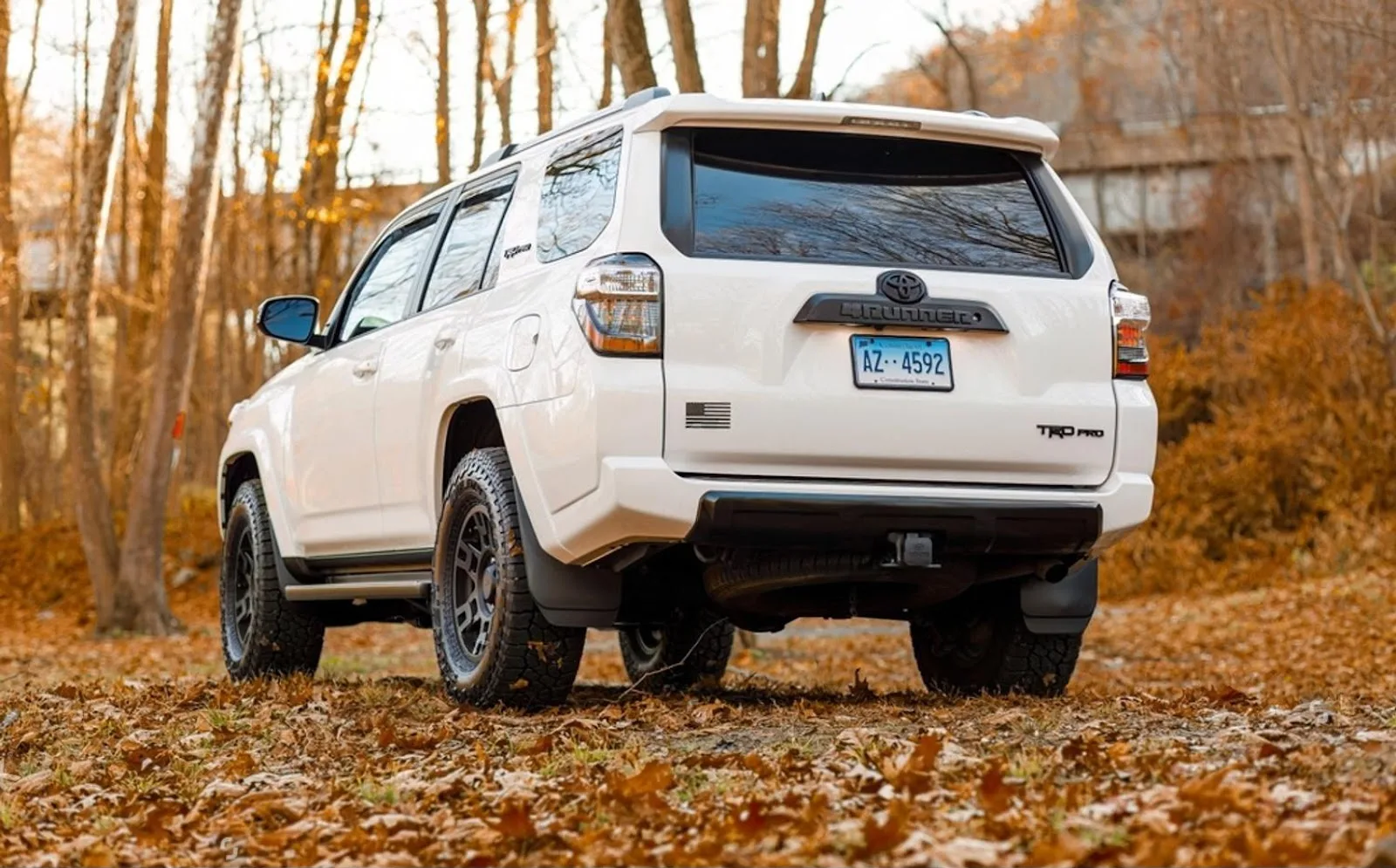


When I first took the 2025 Toyota 4Runner for a spin, the fuel economy question was front and center. I have tracked 4Runner MPG figures across generations, read owner threads, and tested real-world claims.
Toyota 4Runner for sale

In this article, I walk you through the actual MPG figures, what owners report on Reddit and forums, hybrid improvements, year-by-year EPA numbers, why the 4Runner drinks more fuel than crossovers, and practical, proven tips to improve mileage.
- 2025 Toyota 4Runner Gas Mileage – All Years and Generations Covered!
- What’s the Actual 4Runner Gas Mileage?
- 4Runner Gas Mileage Reddit
- 4Runner MPG Hybrid
- 4Runner Gas Mileage By Year
- Why Is 4Runner MPG So Bad
- How to Improve 4Runner Gas Mileage?
- Which SUV Has the Best Gas Mileage?
- What Year Does the 4Runner Have the Best MPG?
- FAQs:
What’s the Actual 4Runner Gas Mileage?
Quick Answer: For 2025, the EPA-estimated figures depend on drivetrain. The gasoline 2WD trims are rated at approximately 20 mpg city / 26 mpg highway / 22 mpg combined, while gasoline 4WD trims are roughly 19 city / 25 highway / 21 combined.
Hybrid i-FORCE MAX grades are rated near 23 city / 24 highway / 23 combined. These official numbers are published by the EPA.
4Runner Gas Mileage Reddit
Reddit remains one of the best places to hear unvarnished owner experience. On r/5thgen4runners and r/4Runner, many owners report combined averages in the high teens to low twenties, depending on generation, tire choice, load, and climate.
For example, a 2024 Limited owner shared winter combined results around 17–19 mpg, while others report higher figures in summer and on long highway runs.
In the 5th-gen community, many say that stock tire/wheel combos and conservative driving bring numbers closer to EPA figures, while lifted rigs with big tires often fall several MPG behind.
4Runner MPG Hybrid
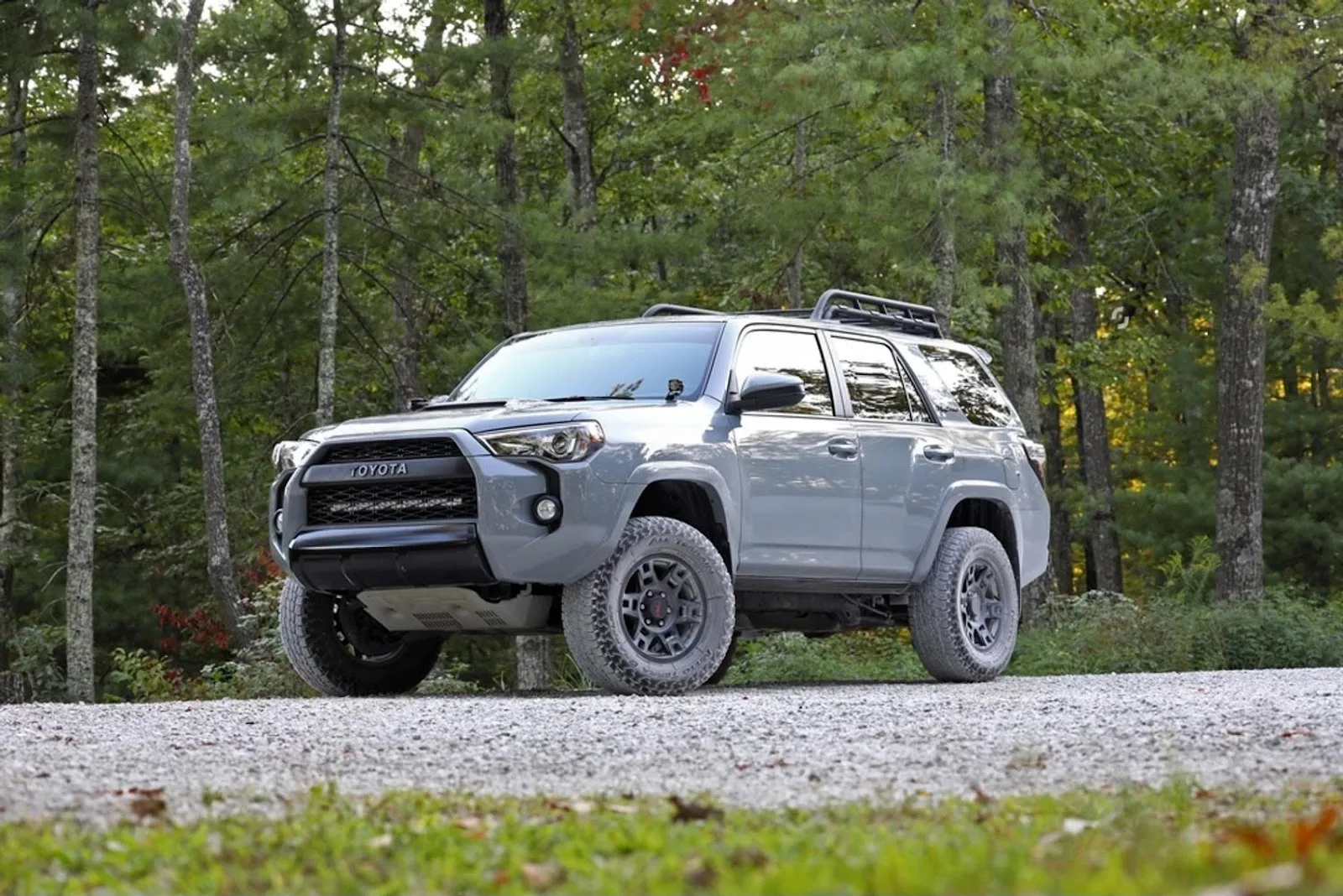
The 2025 model year finally introduces the i-FORCE MAX hybrid to the 4Runner lineup. This powertrain pairs a 2.4-liter turbo gas engine with electric assist to boost low-end torque and improve city efficiency.
Manufacturer and dealer published figures place the hybrid at roughly 23 mpg city and 24 mpg highway (about 23 combined) for many hybrid-equipped trims. That represents a clear improvement in stop-and-go driving compared with previous non-hybrid V6 4Runners.
Forum discussions and early owner data indicate the hybrid offers its largest benefit in urban and suburban use, where electric assist reduces engine load; on long highway cruises, the gap versus gasoline models narrows.
4Runner Gas Mileage By Year
Below, I summarize EPA and owner-reported MPG figures by model year or generation. Units are EPA estimates where available; owner reports can vary. I cross-checked dealer spec pages and community logs to ensure accuracy.
| Model Year | Generation | EPA City MPG | EPA Hwy MPG | EPA Combined MPG |
|---|---|---|---|---|
| 1984–1989 | 1st Gen | N/A (varied 1980s) | N/A | N/A |
| 1990–1995 | 2nd Gen | ≈15–16 | ≈19–20 | ≈17–18 |
| 1996–2002 | 3rd Gen | ≈16 | ≈20 | ≈18 |
| 2003–2009 | 4th Gen (V6/V8) | 15–16 | 19–22 | 16–18 |
| 2010–2019 | 5th Gen early | 17 | 22–23 | 19 |
| 2020–2023 | 5th Gen later | 17–18 | 22–23 | 19–20 |
| 2024 | 5th Gen final | 16 | 19 | 17 |
| 2025 (Gasoline 2WD) | 6th Gen | 20 | 26 | 22 |
| 2025 (Gasoline 4WD) | 6th Gen | 19 | 25 | 21 |
| 2025 (Hybrid i-FORCE MAX) | 6th Gen | 23 | 24 | 23 |
Why Is 4Runner MPG So Bad
The 4Runner’s fuel economy often underwhelms because it is built for capability more than for efficiency. The traditional body-on-frame design and heavier components increase curb weight. Solid axles, robust suspension, and higher ride height harm aerodynamics.
Engine choices prior to 2025 focused on torque and durability rather than fuel optimization; transmission gearing and final drives were tuned for strength. Owners who add off-road tires, lift kits, roof racks, and aftermarket bumpers will notice further MPG penalties because of rolling resistance and wind drag.
That said, calling the MPG ‘bad’ misses the point: the 4Runner trades fuel thrift for durability, towing, and off-road ability. The 2025 hybrid and turbo options narrow the gap, but they cannot fully erase physics and the design tradeoffs that define the 4Runner.
How to Improve 4Runner Gas Mileage?
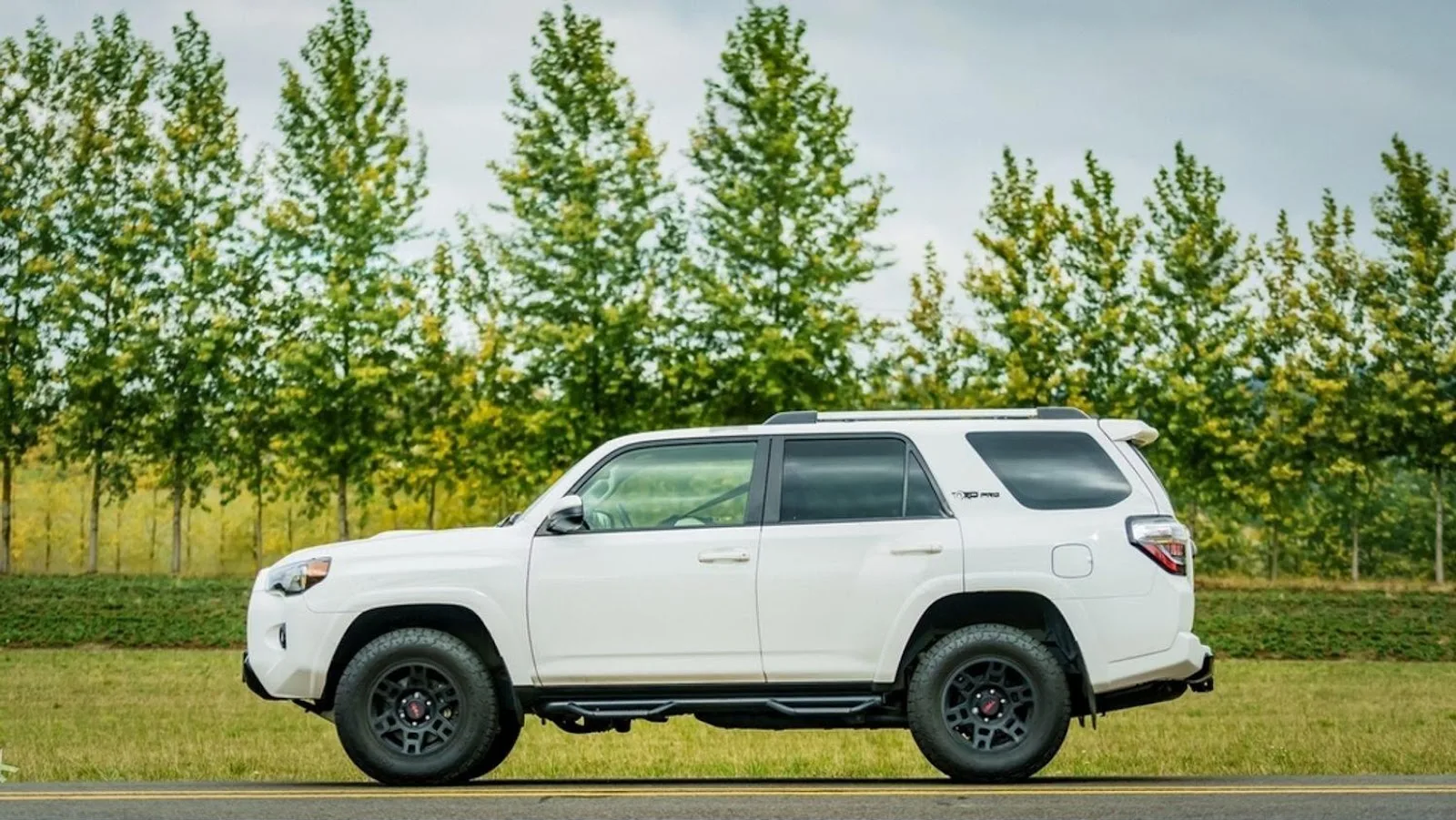
Below are practical, proven steps owners can take to improve MPG. These are drawn from owner reports, forum consensus, and basic mechanical/physics principles.
1: Use Proper Tires and Maintain Correct Inflation
Tire choice and pressure are the simplest, highest-ROI ways to improve fuel economy. Aggressive all-terrain tires increase rolling resistance; larger diameter tires change effective gearing and can worsen highway economy. Keep tires inflated to Toyota’s recommended pressures for your load. Check pressures monthly and after long trips.
Many owners on forums report 1–3 mpg gains simply by switching from aggressive ATs back to factory-spec tires or by correcting underinflation.
Also consider tire selection: highway-focused all-seasons or low rolling-resistance tires provide better mileage in most daily use without sacrificing too much off-road traction for occasional trails.
2: Remove Unnecessary Weight and Roof Accessories
Aerodynamic drag and added weight are MPG killers. Roof boxes, cargo baskets, and heavy winches all increase wind resistance and lower highway MPG. If you do not need roof gear for a trip, remove it. Similarly, lighten the cabin — avoid hauling heavy tools or unnecessary gear on daily runs.
Owners report measurable highway improvements (often 1–3 mpg) after removing roof racks or returning to minimal bumpers. If you use a roof rack seasonally, install and remove it as needed. Small changes add up over thousands of miles.
3: Smooth Driving: Moderate Acceleration and Use Cruise Control
Driving behavior strongly impacts MPG. Hard accelerations and aggressive passing burn fuel. Smooth throttle inputs, anticipating traffic, and using cruise control on highways help maintain efficient engine load and steady airflow.
For hybrids, let the system manage power delivery by avoiding unnecessary full-throttle inputs; the electric assist is most efficient at lower loads.
Many forum users note that gentle driving can improve mixed-cycle MPG by several miles per gallon. Practice progressive acceleration and plan lane changes to minimize throttle bursts.
4: Regular Maintenance and Engine Health
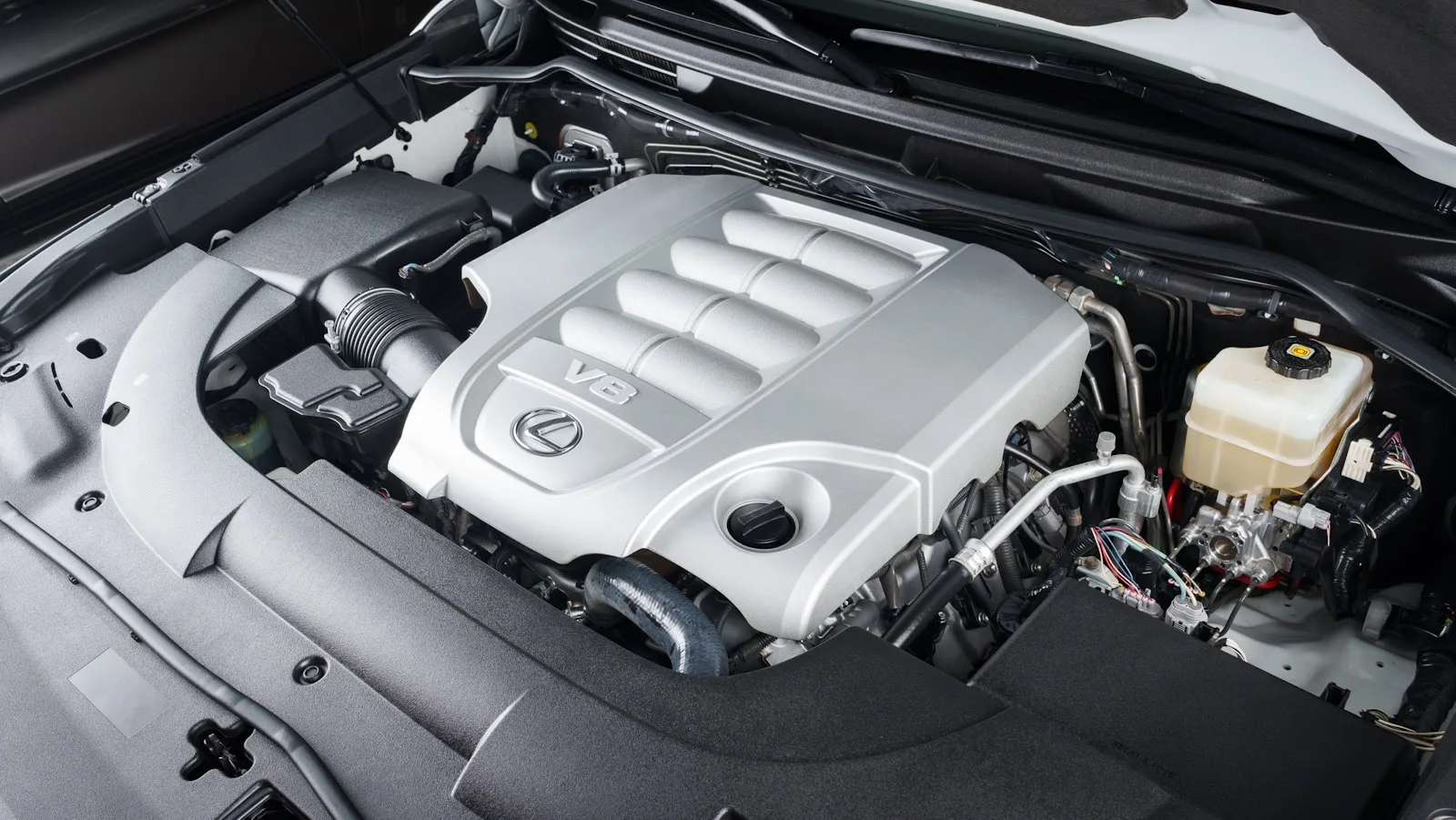
A well-maintained engine runs more efficiently. Replace clogged air filters, use the recommended oil viscosity, keep the fuel system clean, and follow scheduled tune-ups. Wheel alignment and timely tire rotations prevent drag and uneven wear.
Simple items like fresh spark plugs and clean MAF sensors can restore lost MPG on older 4Runners. Owners often see 1–2 mpg improvements after maintenance that restores smooth running and proper combustion. Do not overlook the cooling system: an engine running excessively hot or cold can behave less efficiently.
Which SUV Has the Best Gas Mileage?
If you compare Toyota siblings—Land Cruiser (LC), GX, LX, and the Tundra pickup—none beats modern crossovers for MPG. Historically, the LC (when offered with diesel or hybrid power in some markets) can show better highway efficiency, but in the U.S., the LC and LX are heavy and less efficient.
The GX is similar to the 4Runner but larger and heavier, usually delivering worse MPG. Tundra as a full-size truck, is typically the least efficient.
In short, among these heavy-duty SUVs, the 4Runner (especially the 2025 hybrid) is often the better MPG performer, but smaller crossovers will always outperform these body-on-frame or truck-based SUVs.

What Year Does the 4Runner Have the Best MPG?
The best MPG years are the latest ones with hybrid options, the 2025 hybrid and the 2025 2WD gasoline trims post the platform update.
Historically, late 2010s 5th-gen models showed decent highway MPG, but they still lag compared with the 2025 improvements. The hybrid 2025 trims show the best combined numbers on record.
| Model Year | Best Observed Hwy MPG | Best Observed Combined MPG |
|---|---|---|
| 2025 Hybrid (i-FORCE MAX) | 24 mpg | 23 mpg |
| 2025 2WD Gasoline | 26 mpg | 22 mpg |
| 2020 SR5 / Sport (5th Gen) | 23 mpg | 20-22 mpg |
FAQs:
1: Will the 4Runner last 300,000 miles?
Yes. Many owners report 4Runners reaching and exceeding 300,000 miles with diligent maintenance, timely repairs, and rust prevention. It is achievable but not guaranteed.
2: What mileage is too high for a used 4Runner?
A vehicle over 200,000 miles requires careful inspection. While many 4Runners run well past 200k, buyers should check service history, rust, transmission health, and suspension condition.
3: Is there a 4Runner year to avoid?
Avoid heavily modified examples rather than specific years. In general, no single model year stands out as universally bad, though early 4th-gen V8s had higher fuel and maintenance costs.
Don’t Just Look — Feel the Drive
Take your favorite model for a spin through the streets of San Diego. Feel the performance firsthand.