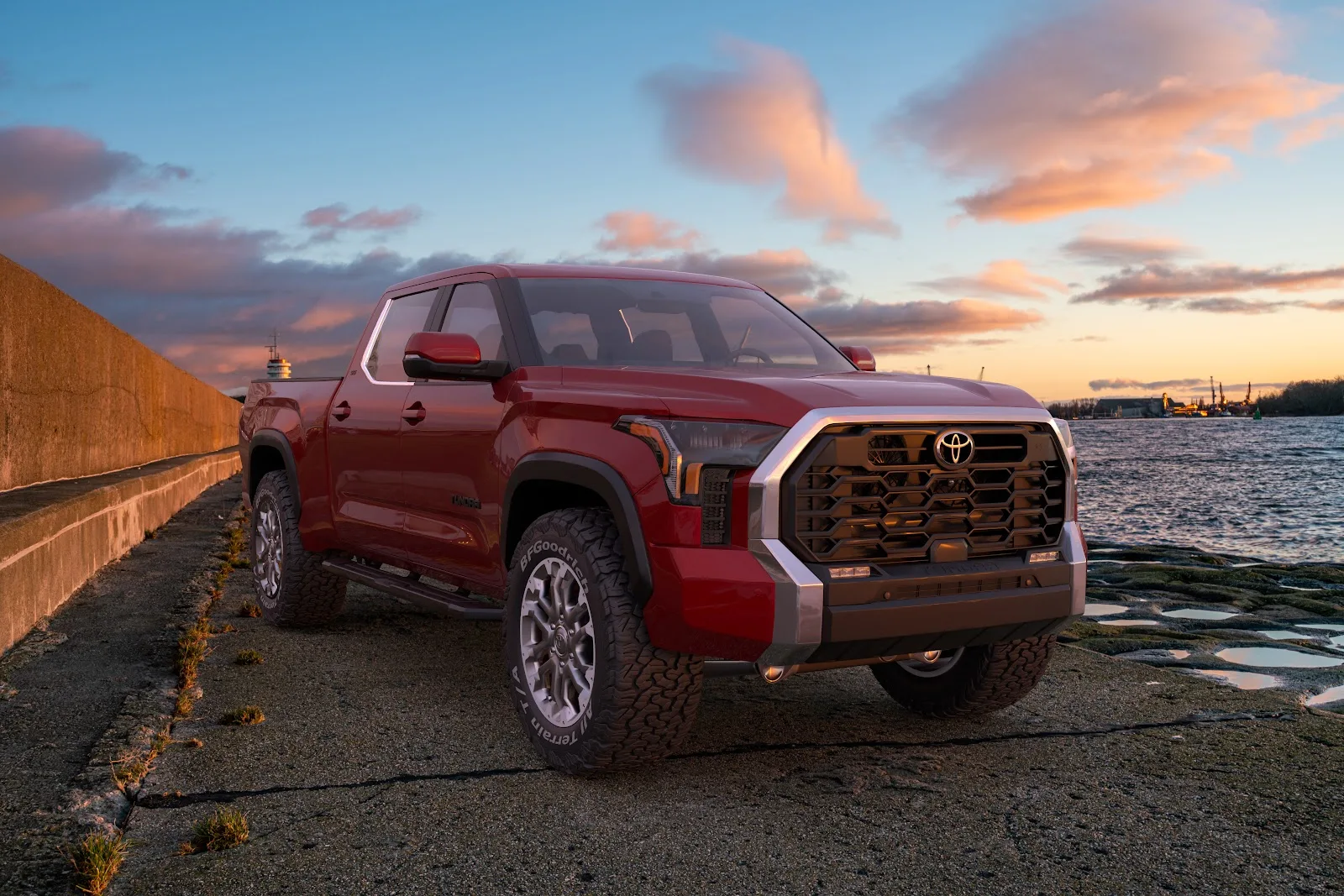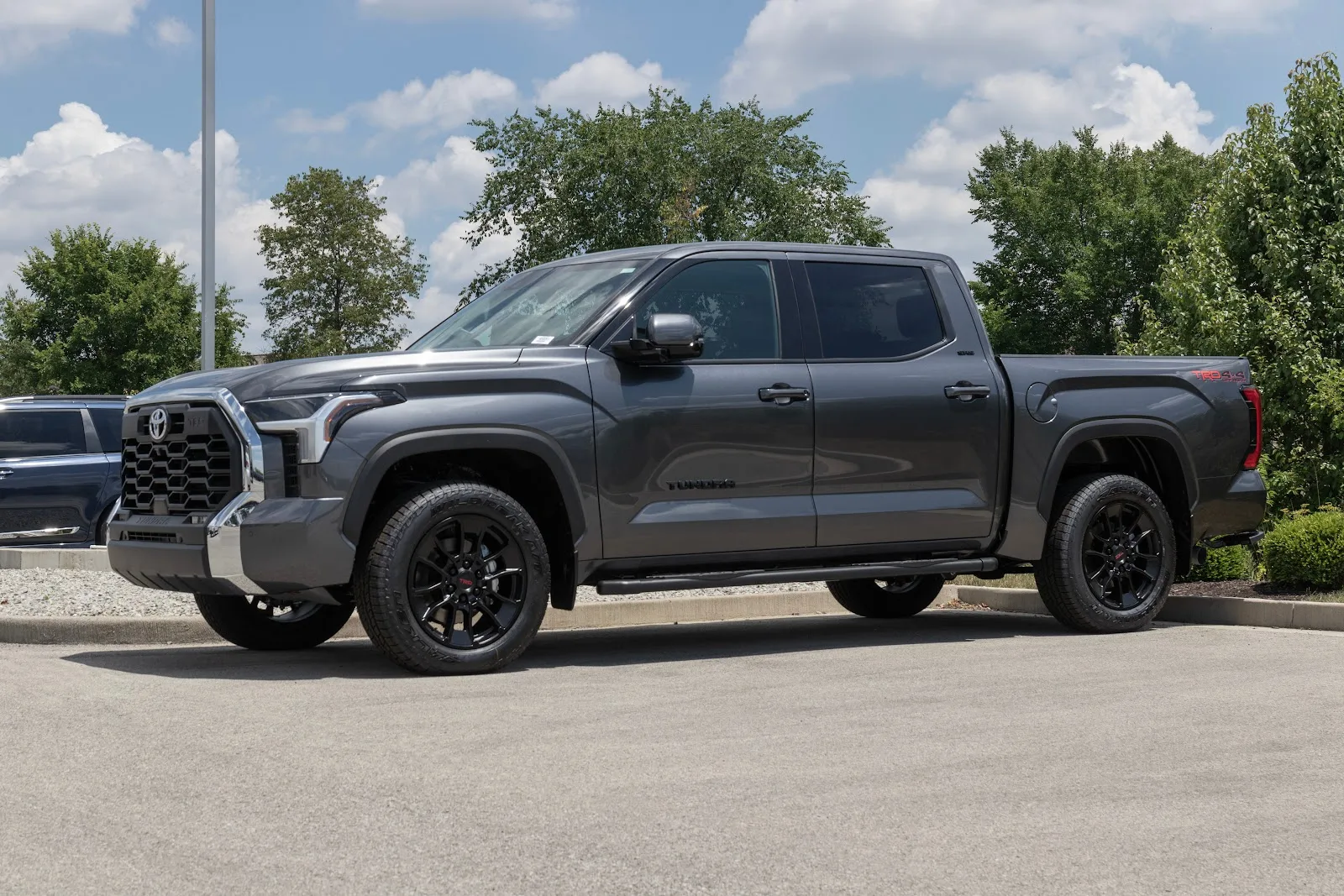


Fuel economy has become one of the most important topics for truck buyers. Full-size pickups are powerful, capable machines, but fuel costs can represent a large portion of long-term ownership expenses. For drivers considering the 2025 Toyota Tundra, understanding its fuel economy helps paint a clearer picture of what daily ownership will actually cost.
Toyota redesigned the Tundra in recent years with a major shift in engine technology. Instead of the traditional V8 engines used in older generations, the modern Tundra uses turbocharged V6 engines and an available hybrid system. This transition reflects the broader truck industry trend toward improved efficiency while maintaining strong towing and hauling performance.
This guide explains the official MPG ratings for the 2025 Tundra, how hybrid and non-hybrid models compare, and what real-world owners can expect when driving this truck every day.
- Why MPG Matters for Tundra Shoppers
- From V8 Power to Turbo-Hybrid Efficiency: How the Tundra Has Evolved
- Official EPA Snapshot (2025 Model Year)
- MPG Varies by Drivetrain and Equipment
- Hybrid vs Non-Hybrid: When Each Wins
- Real-World MPG and Why Ratings Vary
- Practical Ways to Improve Your MPG
- How Far Can You Go? Tundra Range, Fuel Costs, and Buying Tips
- Related Tundra Guides
- Final Thoughts
Why MPG Matters for Tundra Shoppers
Total Cost of Ownership: Fuel Is a Major Line Item
When buying a truck like the Toyota Tundra, the purchase price is only one part of the equation. Long-term ownership costs also include fuel, maintenance, insurance, and depreciation.
Fuel is often the largest ongoing expense for truck owners. Someone driving around 15,000 miles per year can easily spend several thousand dollars annually on gas, depending on fuel efficiency and driving habits.
Even small changes in MPG can make a noticeable difference. Improving fuel economy by just 2 MPG can translate into hundreds of dollars saved each year, especially as fuel prices fluctuate.
For drivers who commute daily, tow regularly, or take long trips, fuel efficiency becomes a key factor in managing overall ownership costs. Planning to buy your first Tundra? Here’s our complete guide on Tundra, its history, and buying tips.
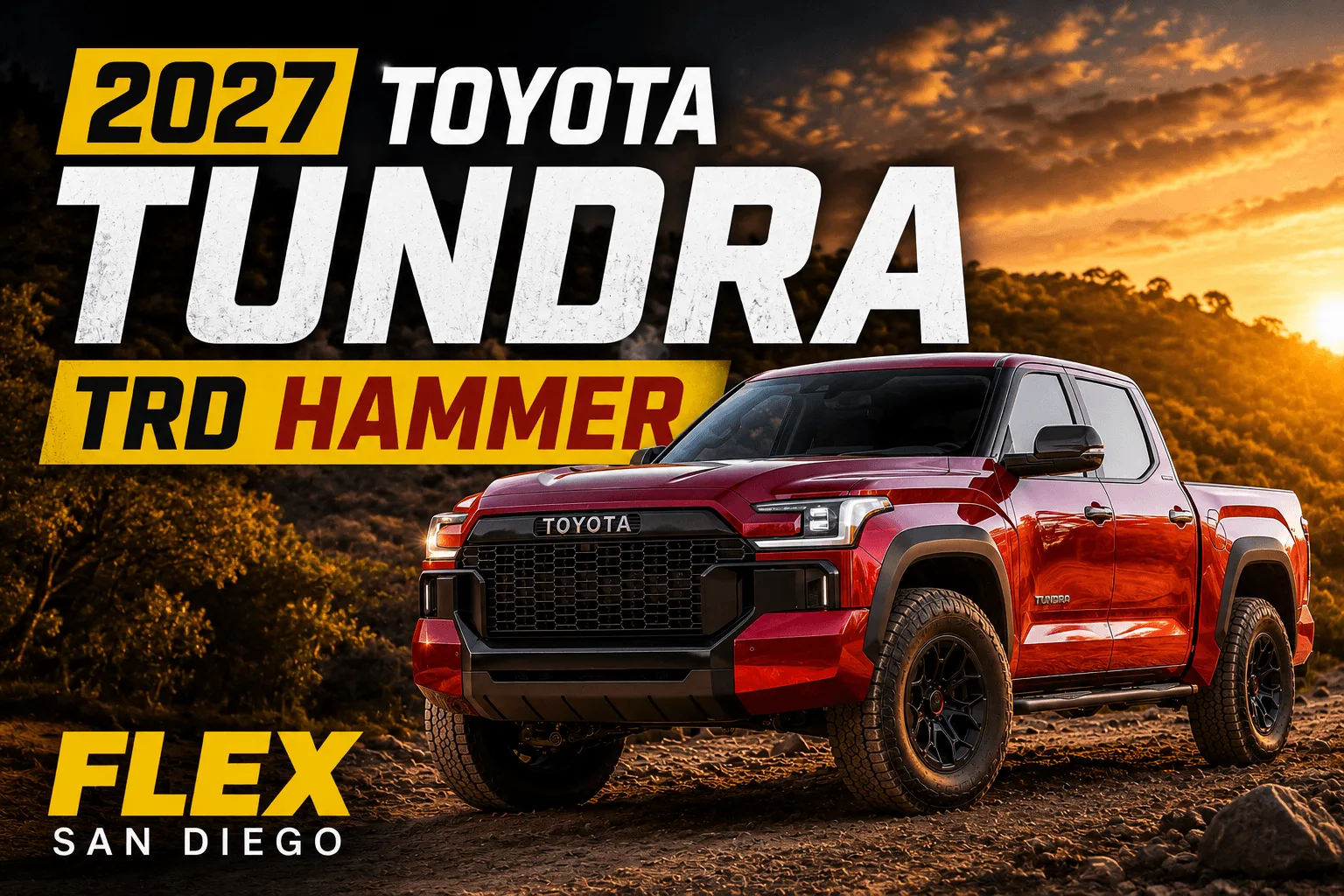
Do you know, for performance enthusiasts Toyota is planning a TRD Hammer package for Tundra.Click hereto read more.
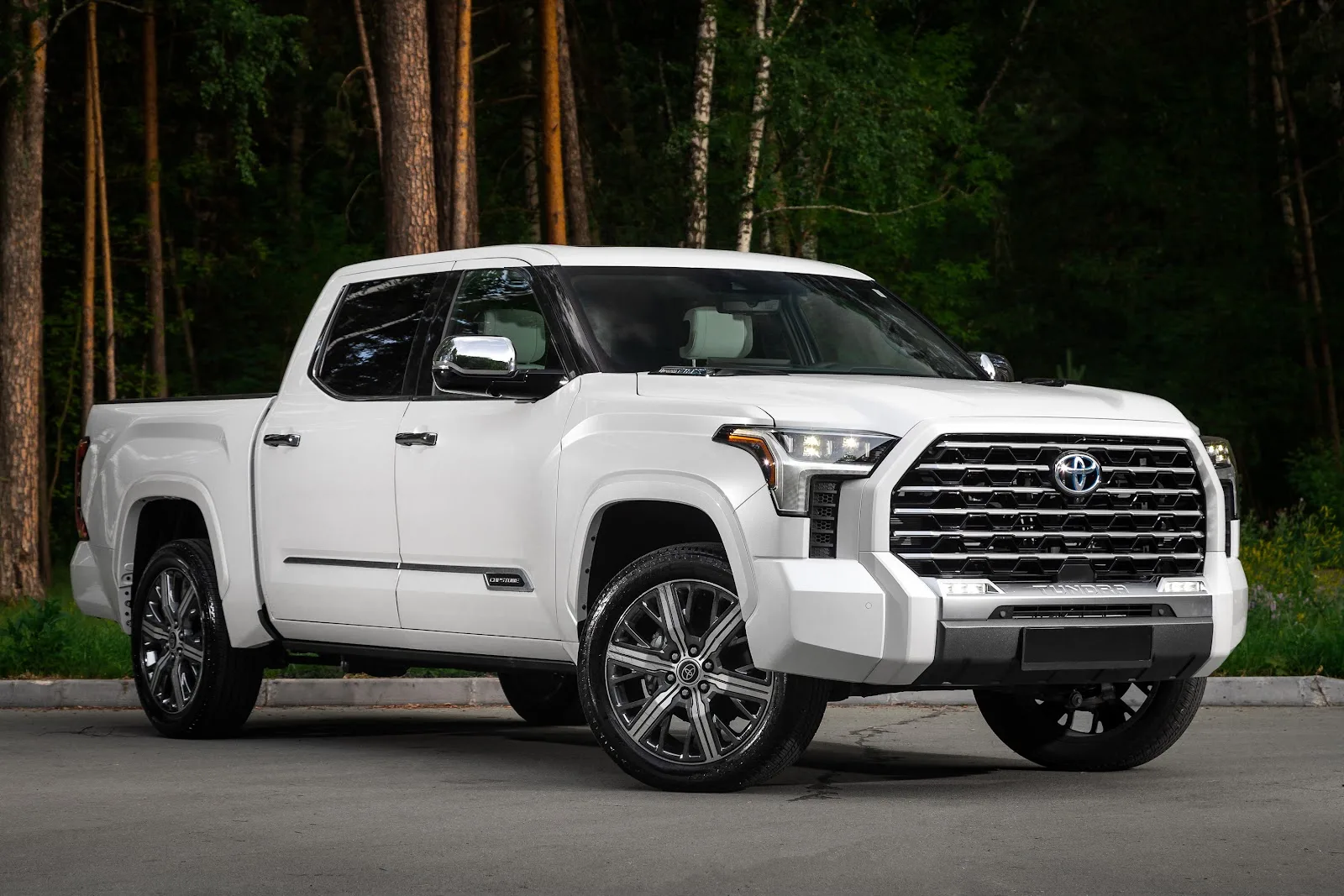
From V8 Power to Turbo-Hybrid Efficiency: How the Tundra Has Evolved
For many years, Toyota powered the Tundra with large naturally aspirated V8 engines. These engines were known for durability and towing strength but were not particularly fuel efficient. They remain a popular engine within the Tundra community as evidenced in posts on forums like ih8mud.com for their “bulletproof” attributes.
In 2022, Toyota introduced a new generation of Tundra powered by turbocharged V6 engines that were designed to maintain strong performance while improving their poor fuel mileage.
Two main powertrains now power the Tundra lineup:
- i-FORCE twin-turbo V6
- i-FORCE MAX hybrid twin-turbo V6
The hybrid system adds an electric motor that assists the gasoline engine during acceleration and low-speed driving, which improves the efficiency while boosting torque. Toyota’s move to the hybrid system makes them competitive in today’s truck market.
Official EPA Snapshot (2025 Model Year)
Fuel economy ratings for trucks can vary depending on drivetrain configuration, trim level, and equipment packages. Larger tires, four-wheel drive systems, and off-road packages can slightly reduce fuel efficiency. The EPA provides official MPG estimates for different Tundra configurations as follows:
Baseline i-FORCE 4×2
For the standard twin-turbo V6 engine with rear-wheel drive, the EPA estimates:
- City: 18 MPG
- Highway: 23 MPG
- Combined: 20 MPG
These numbers represent the most efficient configuration of the non-hybrid Tundra.
i-FORCE MAX Hybrid 4×2
The hybrid version of the Tundra offers slightly better fuel efficiency in most conditions.
- City: 20 MPG
- Highway: 24 MPG
- Combined: 22 MPG
The hybrid system performs particularly well in city driving where frequent stops and acceleration allow the electric motor to assist the engine.
MPG Varies by Drivetrain and Equipment
Typical 4×4 Trims
Many Tundra buyers choose four-wheel drive for improved traction and off-road capability.
- City: 19 MPG
- Highway: 22 MPG
- Combined: 20 MPG
The additional drivetrain components add weight and mechanical complexity, which can slightly reduce fuel economy.
Fuel economy can change depending on several factors that include, but are not limited to:
- Wheel size and tire type
- TRD off-road packages
- Payload and towing equipment
- Driving conditions
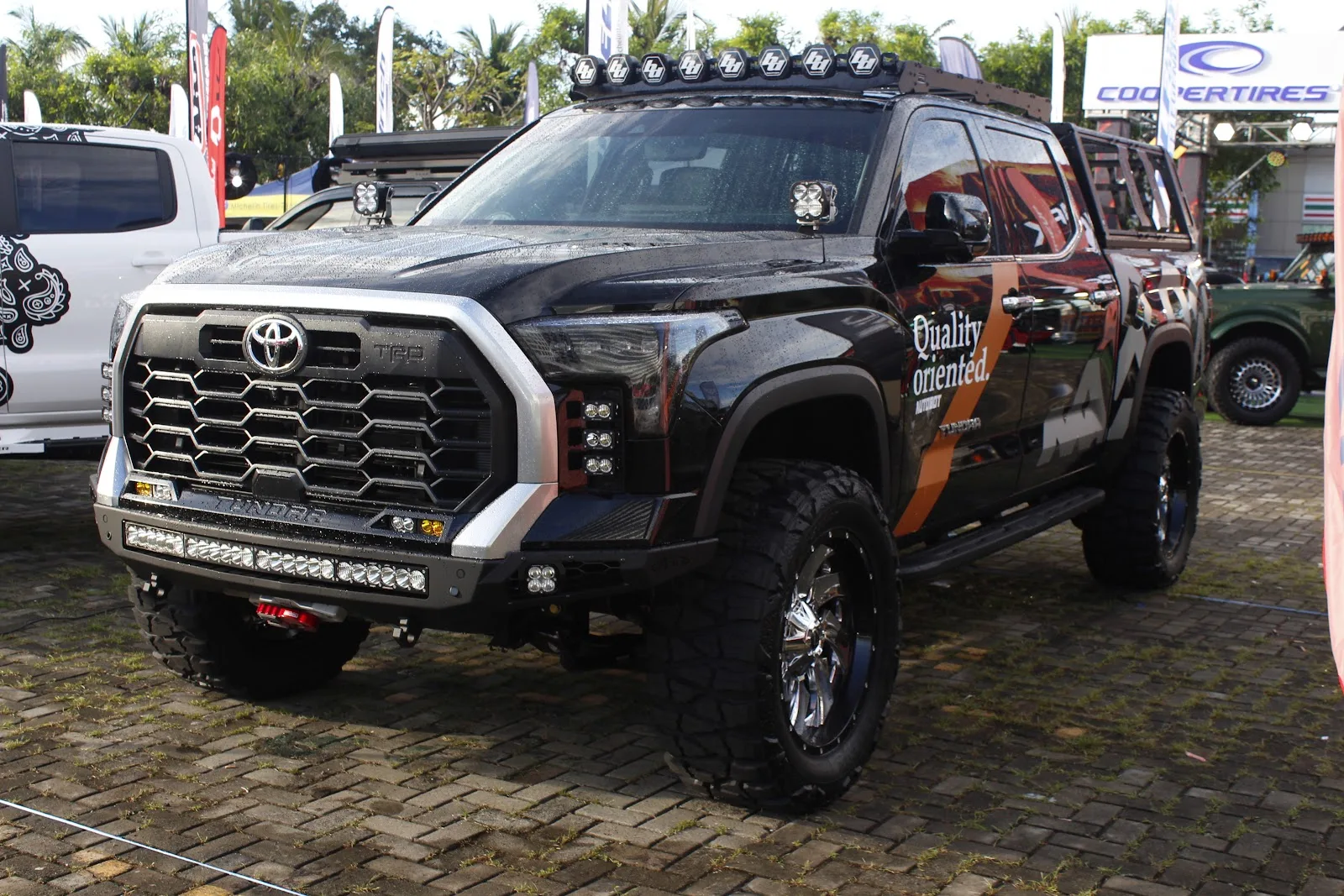
Larger off-road tires and aggressive tread patterns often reduce efficiency compared to standard highway-oriented tires.
Fuel Type
The 2025 Toyota Tundra runs on regular unleaded gasoline. This helps keep operating costs reasonable compared to vehicles that require premium fuel or diesel.
Hybrid vs Non-Hybrid: When Each Wins
Many buyers wonder whether the hybrid Tundra is worth choosing over the standard turbocharged engine. The answer depends largely on driving habits. Reddit readers had mixed opinions, but one of the non-hybrid benefits is there is more under seat storage space since there are no batteries to take up space.
Hybrid Advantages
The i-FORCE MAX hybrid system adds an electric motor between the engine and transmission. This motor provides additional torque and helps the engine operate more efficiently.
Hybrid benefits include:
- Improved city fuel economy
- Extra torque during acceleration
- Better efficiency in stop-and-go traffic
- Strong towing performance
Electric motor assistance helps reduce fuel consumption during low-speed driving and when accelerating from a stop.
Non-Hybrid Strengths
The non-hybrid i-FORCE engine remains a strong option for many drivers. Because it does not include the hybrid battery and motor components, it is slightly lighter in weight than the hybrid model. On long highway drives, the difference in efficiency between the two engines becomes smaller because consistently driving at the same speed for long distances closes the gap in the MPG between the engine types.
Hybrid Leads in the City, Nearly Equal on the Highway
Overall, the hybrid Tundra tends to outperform the non-hybrid version in city conditions. As noted, on the highway, the difference becomes smaller because electric assistance is used less frequently. For drivers who spend most of their time in urban environments or heavy traffic, the hybrid system often provides noticeable fuel savings.
Real-World MPG and Why Ratings Vary
EPA ratings provide a useful baseline, but real-world fuel economy can vary significantly. MPG differences between posted EPA ratings and actual mileage is always going to depend on how and where you drive your truck, plus how you have it equipped.
Tundra’s Real Fuel Economy in City and Highway Driving
In everyday driving, many Tundra owners report combined fuel economy close to the official EPA estimates. However, conditions such as towing or off-road driving do indicate a reduction in MPG. City driving often benefits from hybrid assistance, while highway driving may depend more on speed and aerodynamics.
Major Variables That Affect MPG
Several factors can influence fuel economy.
- Tire size and tire pressure
- Heavy cargo or trailer loads
- Outside temperature
- Air conditioning usage
- Terrain and elevation
Driving through mountainous areas or pulling heavy trailers can significantly reduce fuel efficiency.
Driving Style Matters
One of the biggest influences on fuel economy is driver behavior. Aggressive acceleration and frequent braking use more fuel than smooth, gradual driving, which is why maintaining steady speeds and anticipating traffic conditions can improve efficiency over time.
Practical Ways to Improve Your MPG
Truck owners can take several simple steps to improve fuel economy.
1: Maintain Proper Tire Pressure
Underinflated tires increase rolling resistance, forcing the engine to work harder. Checking tire pressure regularly helps maintain optimal efficiency.
2: Avoid Aggressive Acceleration
Rapid acceleration uses more fuel than smooth, gradual throttle input. Driving calmly can noticeably improve MPG over time.
Keep Highway Speeds Moderate
Fuel economy often drops quickly at high speeds. For many trucks, highway speeds in the low 70 mph range provide a good balance between travel time and fuel efficiency.
Reduce Aerodynamic Drag
Roof racks, cargo carriers, and other accessories can increase aerodynamic drag. Removing unnecessary accessories helps improve fuel economy during highway driving.
Stay Current on Maintenance
Routine service plays a role in fuel efficiency.
- Oil changes
- Air filter replacement
- Wheel alignment
- Engine tune-ups
Keeping the vehicle properly maintained ensures the engine operates as efficiently as possible.
How Far Can You Go? Tundra Range, Fuel Costs, and Buying Tips
Tundra Driving Range
The 2025 Toyota Tundra has a fuel tank capacity of approximately 32 gallons depending on configuration. Base models may come with a smaller 22.5 gallon tank.
With a combined fuel economy of around 20 MPG, a truck carrying 32 gallons can potentially travel about 600 miles on a full tank under ideal conditions. Factoring in various terrains, speed, and cargo loads, you may see a reduction in fuel efficiency.
Real-World Fuel Costs
To estimate annual fuel costs, consider the following example:
- Driver travels 15,000 miles per year
- Average fuel economy is 20 MPG
- Fuel price averages $3.50 per gallon
Annual fuel usage would be approximately 750 gallons, which results in annual fuel costs of about $2,625. Improving average MPG by just two points could reduce annual fuel spending by several hundred dollars.
Choosing the Best Tundra Trim for Your Driving Style
Since different Tundra trims serve different types of drivers, you need to decide if you’re more focused on efficiency, which would point you to the hybrid trim, or if you’re off-road bound.
Drivers prioritizing towing or off-road capability may choose TRD models with larger tires and specialized suspension systems.
Understanding your driving habits helps determine which configuration offers the best balance of performance and fuel economy.
Related Tundra Guides
For buyers researching the Toyota Tundra in more detail, we’ve compiled this list of guides for you:
- Towing Capacity & Payload Chart In Detail
- Trim Level Comparison
- A-Z Tundra Buying Guide
- TRD off-road performance features
These factors often influence which version of the truck best matches your needs.
Final Thoughts
The 2025 Toyota Tundra represents a major evolution from earlier generations of the truck. By moving from V8 engines to turbocharged and hybrid powertrains, Toyota has improved efficiency while maintaining strong performance.
Fuel economy still varies depending on configuration, driving conditions, and driver habits. However, the modern Tundra offers competitive efficiency for a full-size pickup while delivering the capability that truck owners expect.
For drivers who want a balance of power, reliability, and improved fuel efficiency, the 2025 Tundra remains one of the most compelling options in the full-size truck segment. If you’re ready to jump into a Tundra, then give us a call or use this handy contact us form. Our Toyota experts are here to help.
Don’t Just Look — Feel the Drive
Take your favorite model for a spin through the streets of San Diego. Feel the performance firsthand.