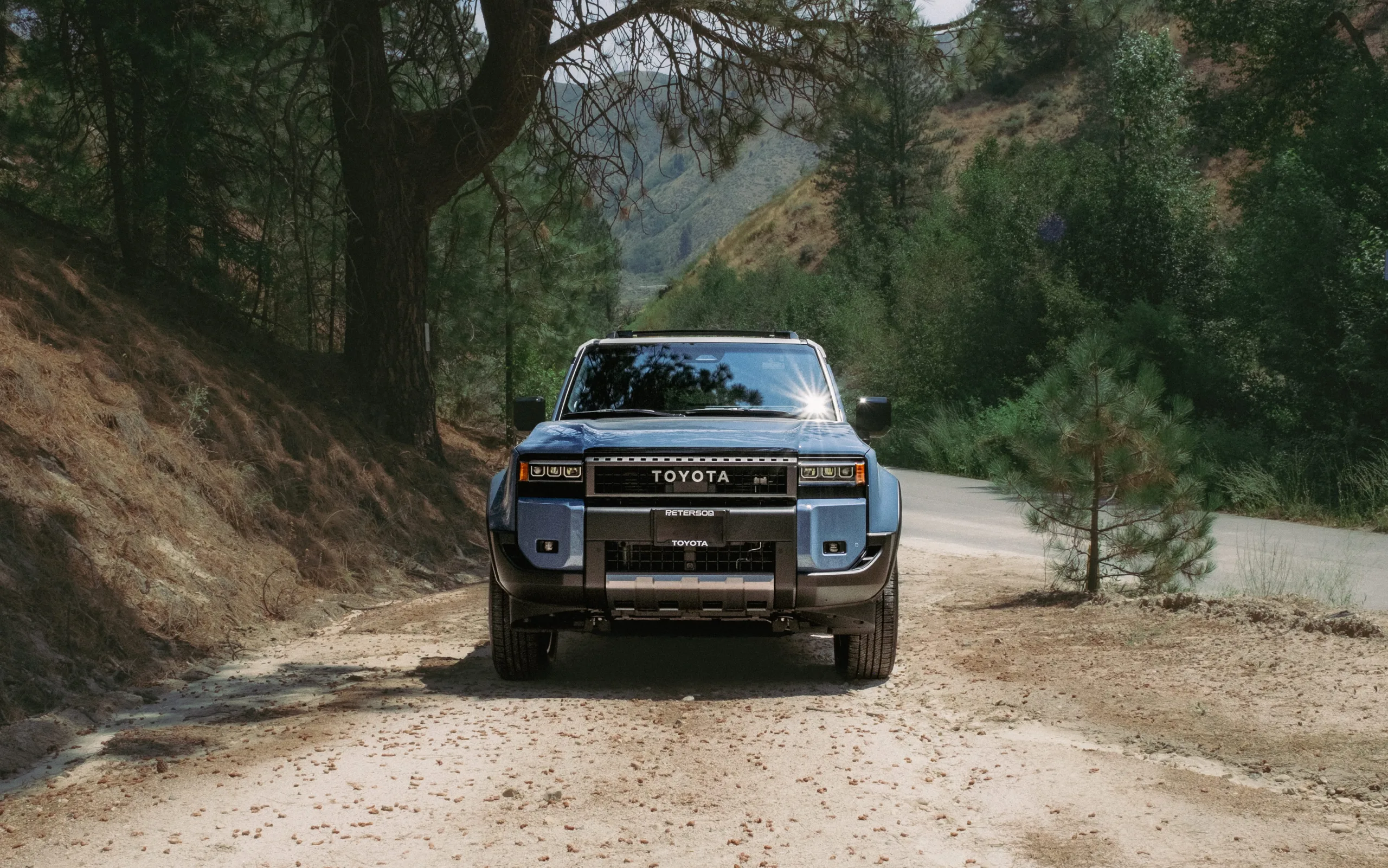


Trading in a car is one of the easiest ways to upgrade your current ride. Instead of handling listings, test drives, and stressful paperwork yourself, a dealership handles the entire transaction and applies the value of your old vehicle directly toward the purchase of your next one. This leaves you free to focus on what really matters: your next set of wheels.
But convenience doesn’t mean you should go in unprepared. Understanding how to trade in a car properly can help you get a much better offer, avoid common financial mistakes, and make the entire process smoother.
This guide walks through exactly how dealership trade-ins work, what documents to prepare, how to negotiate your car’s value, and when a private sale might still make more sense.
Tacoma Available For Sale
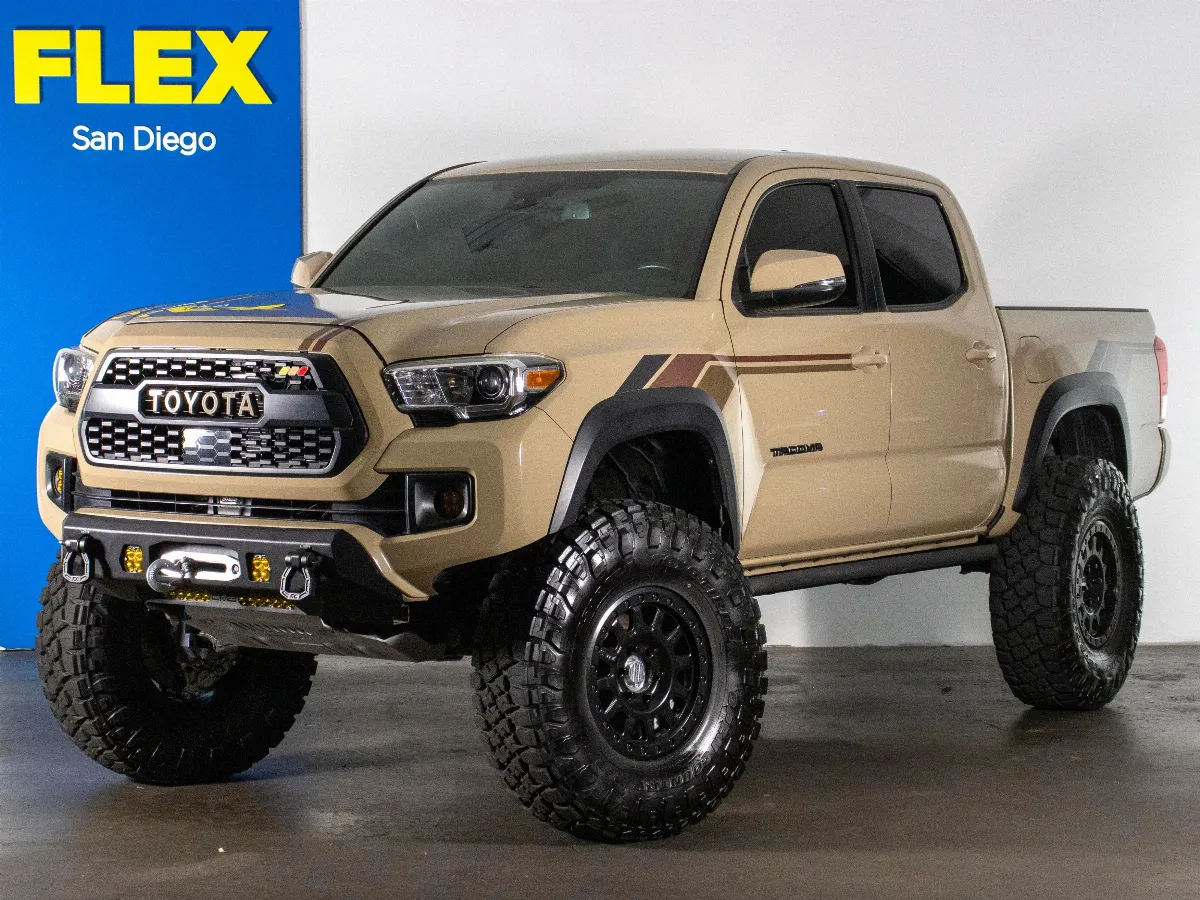 Featured Deal
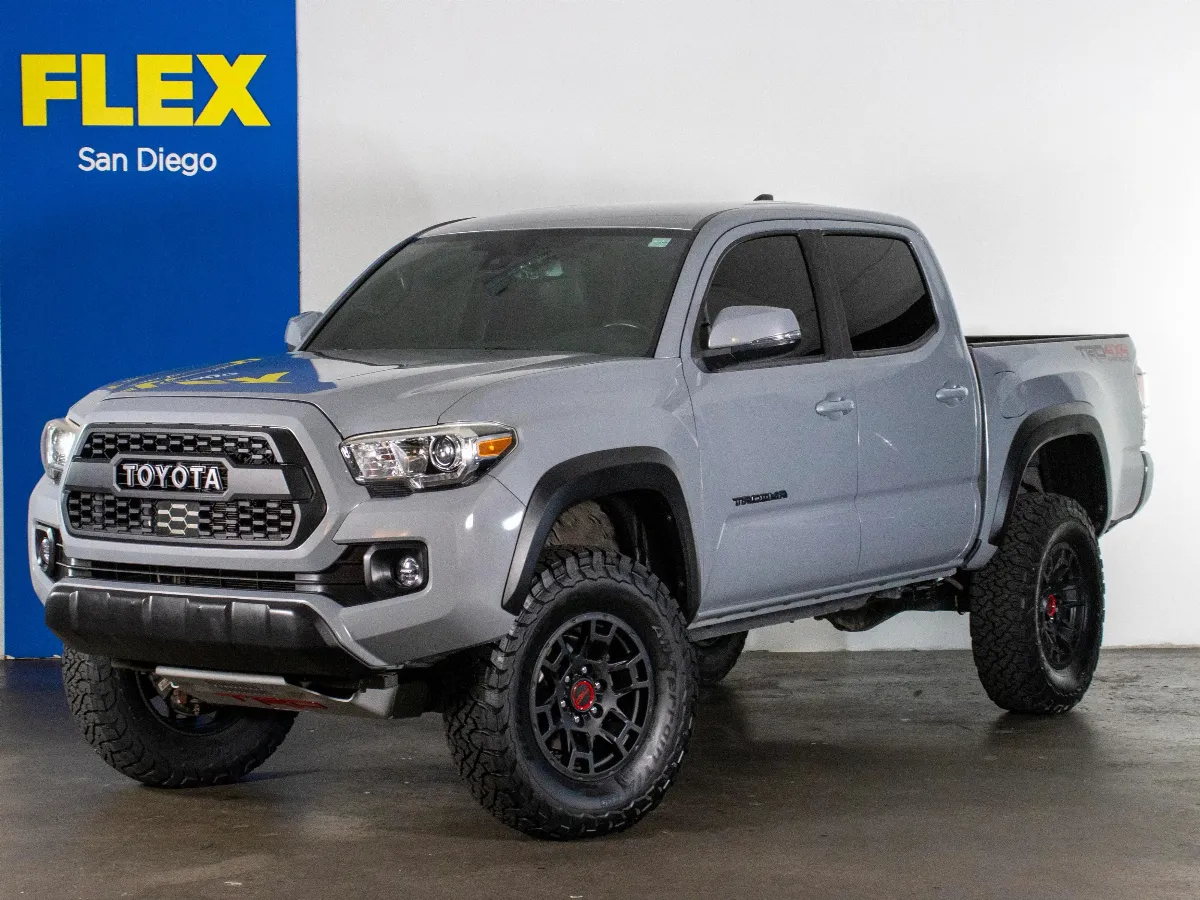
2019 TOYOTA Tacoma Double Cab TRD Off-Road Pickup 4D 5 ft PRE OWNED
$90,080
 Featured Deal
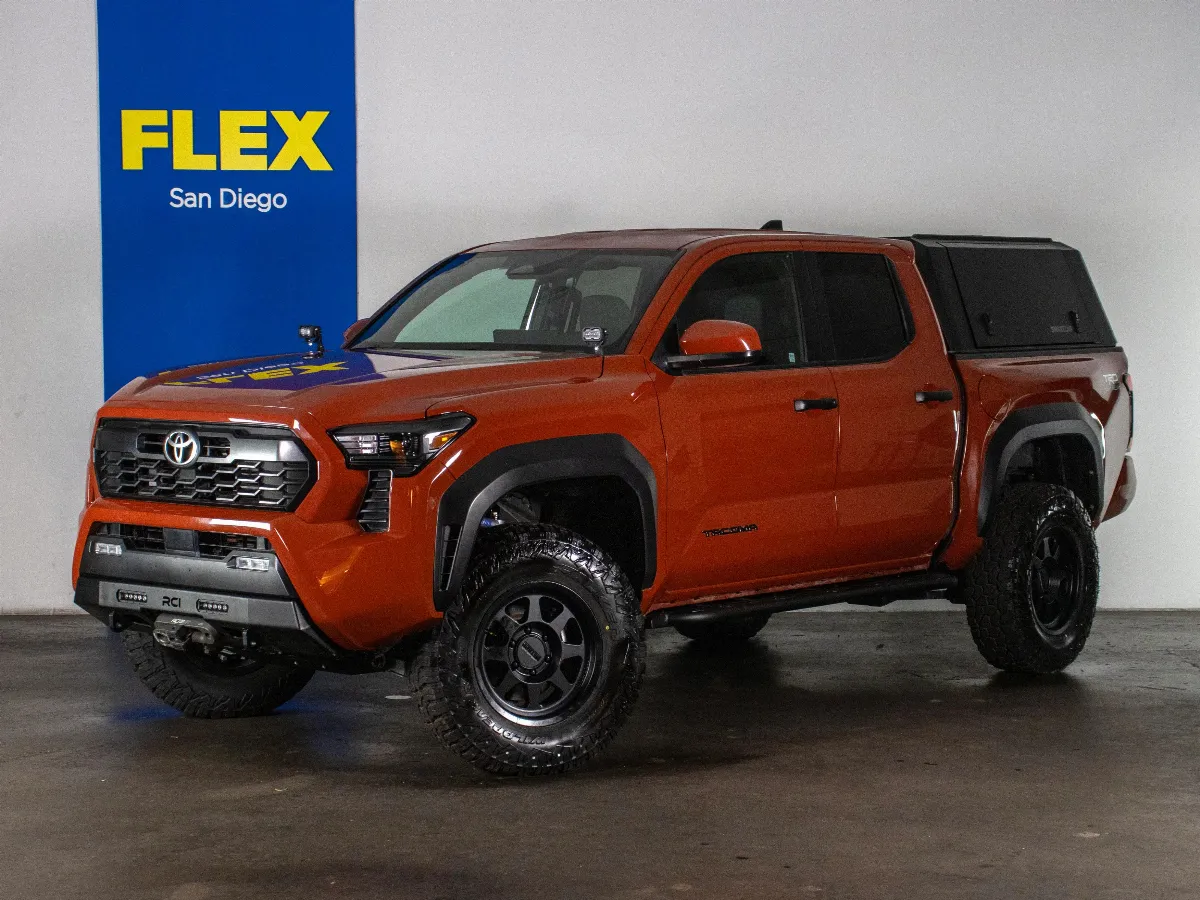
2021 TOYOTA Tacoma Double Cab TRD Off-Road Pickup 4D 5 ft PRE OWNED
$59,080
 Featured Deal
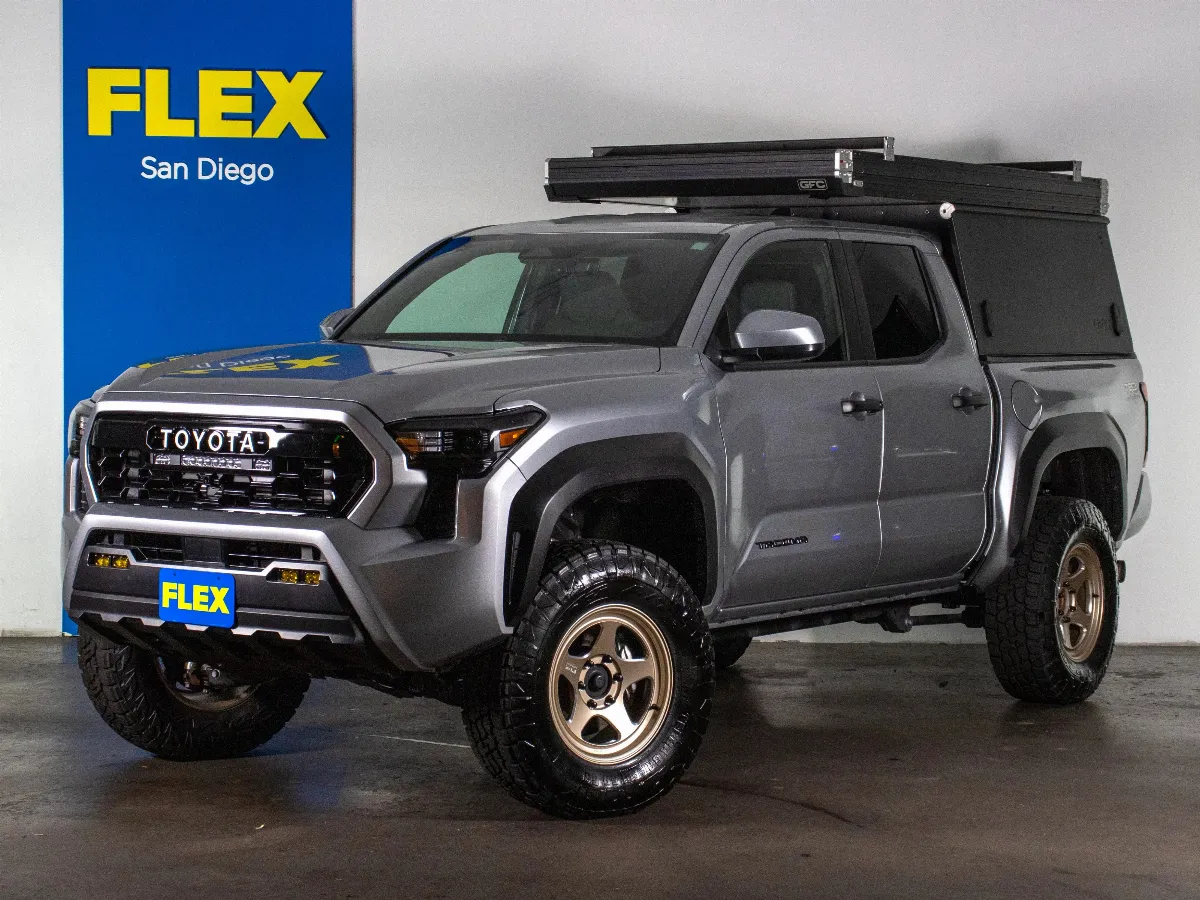
2025 TOYOTA Tacoma Double Cab TRD Off-Road Pickup 4D 5 ft PRE OWNED
$75,080
 Featured Deal
2025 TOYOTA Tacoma Double Cab TRD Off-Road Pickup 4D 5 ft PRE OWNED
$68,080
The Core Benefits of Trading In
Before jumping right into buying a new custom truck or SUV, it helps to understand why a massive majority of buyers choose trade-ins in the first place.
The absolute biggest advantage is who handles the hard work. When you trade in a vehicle, the dealership evaluates your car and offers a set price that can be applied directly toward your next purchase. The dealer takes ownership of the vehicle and completely manages the resale process.
This means you are instantly freed from photographing your car, writing listings, screening buyers, scheduling test drives, and worrying about fraudulent payments. You drive in with your old vehicle and leave with your new one on the exact same day.
Trade-In Value Reduces Your New Car Purchase Price
One major benefit of trading in a vehicle is how the value applies directly to your new purchase.
If a dealership offers $12,000 for your car, that amount directly reduces the final price of the vehicle you’re buying.
Example:
| Item | Amount |
|---|---|
| Vehicle price | $38,000 |
| Trade-in value | − $12,000 |
| Amount financed | $26,000 |
Please note that unlike some other U.S. states, California law requires sales tax to be calculated based on the full purchase price of the new vehicle before the trade-in credit is applied. However, trading in your vehicle remains a powerful and highly effective strategy to significantly lower your down payment, reduce your monthly loan financing needs, and simplify your overall purchasing budget.
Step-by-Step Guide to Trading In Your Car
Trading in a vehicle is straightforward, but taking a few preparation steps can make a noticeable difference in the final offer you receive.
1. Know Your Car’s Estimated Value
Before stepping onto any dealership lot, it’s highly important to understand what your vehicle is realistically worth. Several trusted pricing tools estimate vehicle values based on current market data and condition. Popular options include:
- Kelley Blue Book (KBB)
- Edmunds
- J.D. Power vehicle valuation
- NADA Guides
Trade-in values are typically lower than private sale values because dealerships must spend money to inspect, repair, market, and resell the vehicle. Understanding this margin helps set realistic expectations.
2. Gather the Required Documents
Having the right paperwork ready speeds up the entire process and avoids frustrating delays. Bring the following:
- Vehicle Title: Proof that you legally own the vehicle.
- Vehicle Registration
- Driver’s license or State ID
- Loan Payoff Information: If you still owe money, the dealership needs lender details to handle the payoff.
3. Clean and Prepare the Car
First impressions absolutely matter. You don’t need to pay for an expensive detailing service, but simple steps improve perceived value: vacuum the carpets, wipe down the dashboard, run the exterior through a car wash, and remove all personal items.
4. Get the Vehicle Inspected
Once you visit the dealership, the vehicle is inspected. This includes a visual walkaround, a quick test drive, VIN verification, and a condition assessment. High-demand models—especially popular trucks and highly reliable Japanese brands—often bring much stronger offers.
5. Negotiate the Trade-In Value
Negotiation is an important step many buyers overlook. One of the most effective strategies is negotiating the trade-in separately from the purchase price of the new vehicle. If both numbers are discussed together, it becomes harder to tell where adjustments are happening. Also, take your time to review the offer—good dealerships prioritize clarity rather than pressure.
6. Finalize the Trade-In and Purchase
Once both sides agree on the value, the dealership handles the complex paperwork. They will process the title transfer, satisfy your existing auto loan (if applicable), and apply the final trade-in credit toward your new vehicle’s financing contract. You simply sign the documents and grab your new keys.
Common Mistakes and How to Avoid Them
Even experienced car buyers sometimes make mistakes during the trade-in process. Avoiding these pitfalls can protect your wallet.
Accepting the First Offer without Checking Market Value
Before visiting a dealership, review at least two pricing tools (like KBB and Edmunds). Knowing the typical trade-in range gives you negotiating power and helps identify reasonable offers.
Not Factoring in Your Remaining Loan Balance
If your car is financed, the remaining loan balance affects your trade-in equity. If you have Positive Equity, the remaining value goes toward your new car. If you have Negative Equity (you owe more than the car is worth), the remaining debt may be rolled into your new loan, increasing your monthly payments.
Forgetting to Wipe Personal Data
Modern vehicles store a shocking amount of personal information. Before handing over your keys, be sure to delete paired Bluetooth phones, clear GPS navigation history, erase saved garage door codes, and execute a “Factory Reset” in the infotainment settings.
Trade-In vs. Private Sale: Which is Right for You?
Choosing between a trade-in and a private sale ultimately depends on what you value more: your time or maximum profit.
| Factor | Dealership Trade-In | Private Sale |
|---|---|---|
| Time Required | Very Low (Same Day) | High (Days to Weeks) |
| Convenience | High | Moderate to Low |
| Price Received | Wholesale / Moderate | Retail / Higher |
| Risk of Scams | Zero | Higher |
| Paperwork | Dealer Handles Everything | Seller Handles Everything |
Private sales require advertising listings, screening buyers, handling title transfers, and negotiating secure payments. For a vast majority of buyers purchasing another vehicle at the same time, the unmatched convenience and security of a trade-in outweigh the extra effort required for a private sale.
Why Trade In with FLEX San Diego?
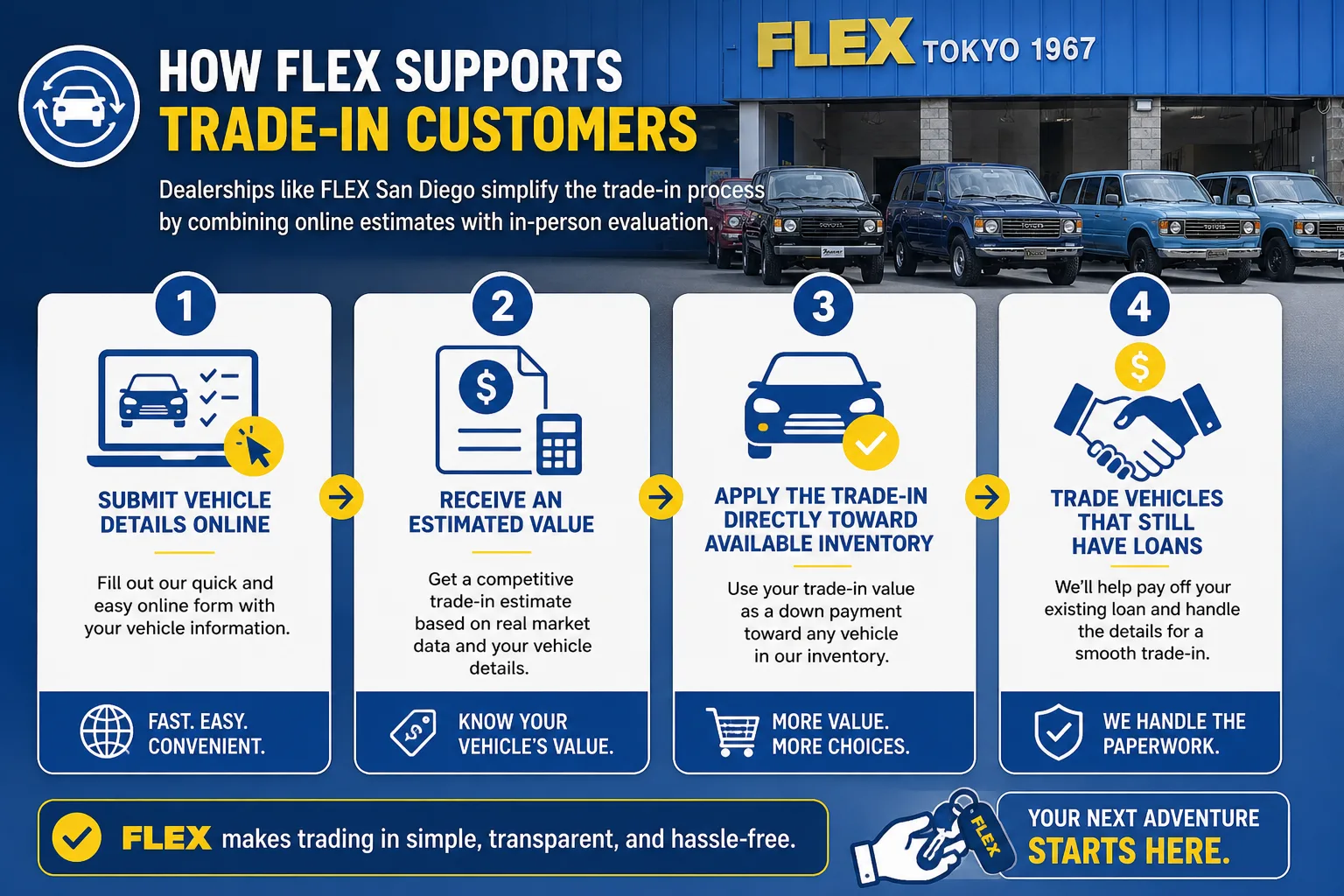
Dealership experiences vary widely, and choosing a reputable, specialized dealer makes the process infinitely smoother. FLEX focuses on a transparent trade-in experience with tools designed specifically to help you.
Instant Online Estimates
Customers can start with an online estimate by submitting their vehicle details through the FLEX appraisal form. This gives you a preliminary valuation before you even leave your house.
We Expertly Handle Financed Vehicles
Many drivers assume they cannot trade in a car that still has an active loan. FLEX works directly with your lender to calculate the exact remaining balance, process the loan payoff, and apply any positive equity directly toward your next custom truck.
Especially Strong with Toyota, Lexus, and Japanese Brands
Because FLEX specializes in premium SUVs and trucks, we have a particularly strong demand for Toyota, Lexus, Honda, Subaru, and Nissan vehicles. Because we know their true worth and reliability, we can often offer highly competitive trade-in prices.
Summary: What to Prepare Before Trading In
Trading in a car doesn’t have to be a complicated or stressful event. With a little preparation, the process can be quick, transparent, and surprisingly smooth.
- Know Your Value: Use reliable tools like KBB or Edmunds to establish a baseline.
- Have Documents Ready: Bring your title, registration, ID, and spare keys.
- Clean It Up: A quick wash and vacuum go a long way in making a great impression.
When you understand the process and evaluate offers carefully, trading in your car is a financially smart step toward your next vehicle upgrade. If you need more assistance or want to see what your current vehicle is worth, our professional staff is ready to help. Contact us today.
Value Your Trade
Four simple steps to discover your car’s Kelley Blue Book value.
Tacoma Available For Sale
- Featured Deal
2019 TOYOTA Tacoma Double Cab TRD Off-Road Pickup 4D 5 ft PRE OWNED
$90,080
- Featured Deal
2021 TOYOTA Tacoma Double Cab TRD Off-Road Pickup 4D 5 ft PRE OWNED
$59,080
- Featured Deal
2025 TOYOTA Tacoma Double Cab TRD Off-Road Pickup 4D 5 ft PRE OWNED
$75,080
- Featured Deal
2025 TOYOTA Tacoma Double Cab TRD Off-Road Pickup 4D 5 ft PRE OWNED
$68,080
Don’t Just Look — Feel the Drive
Take your favorite model for a spin through the streets of San Diego. Feel the performance firsthand.