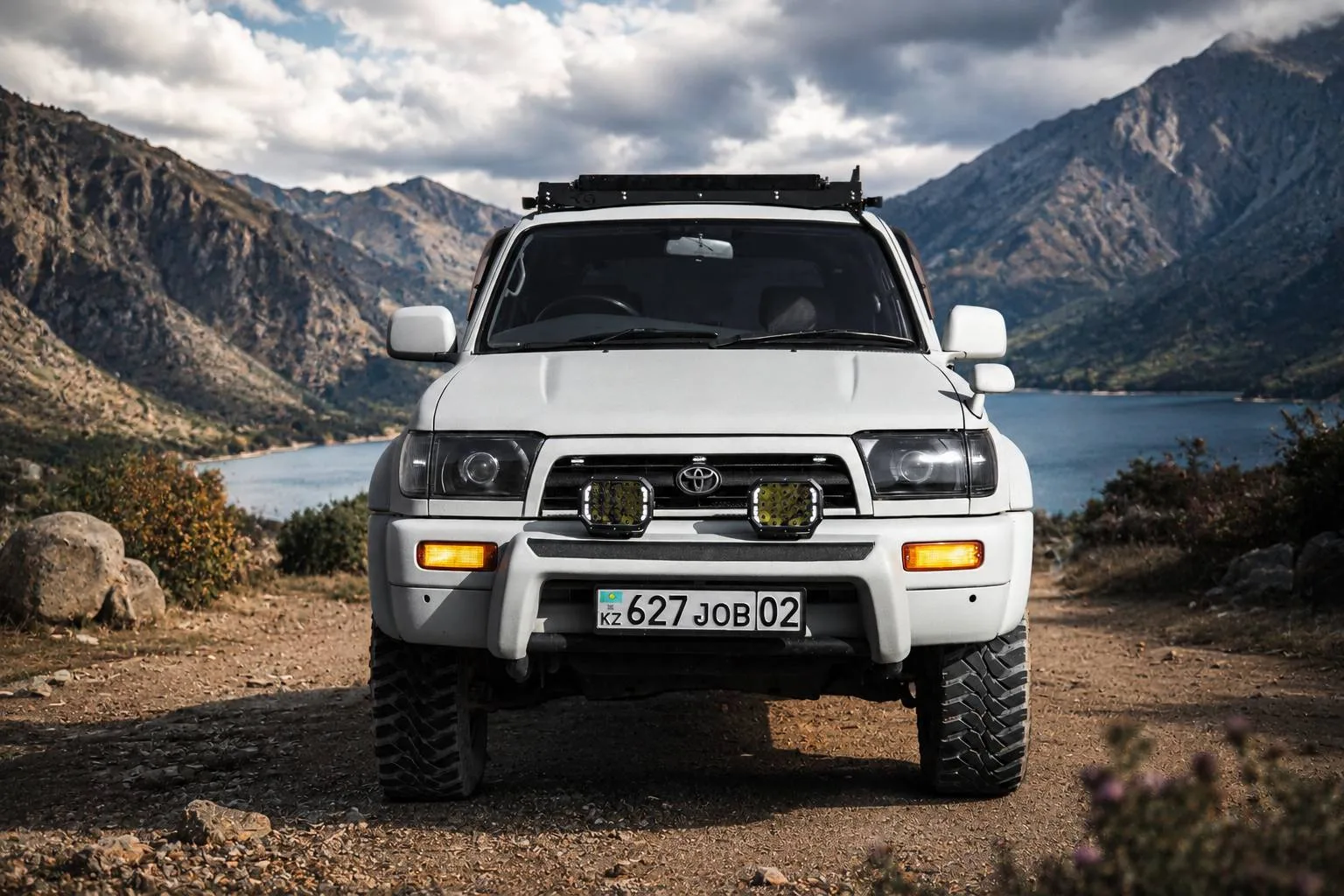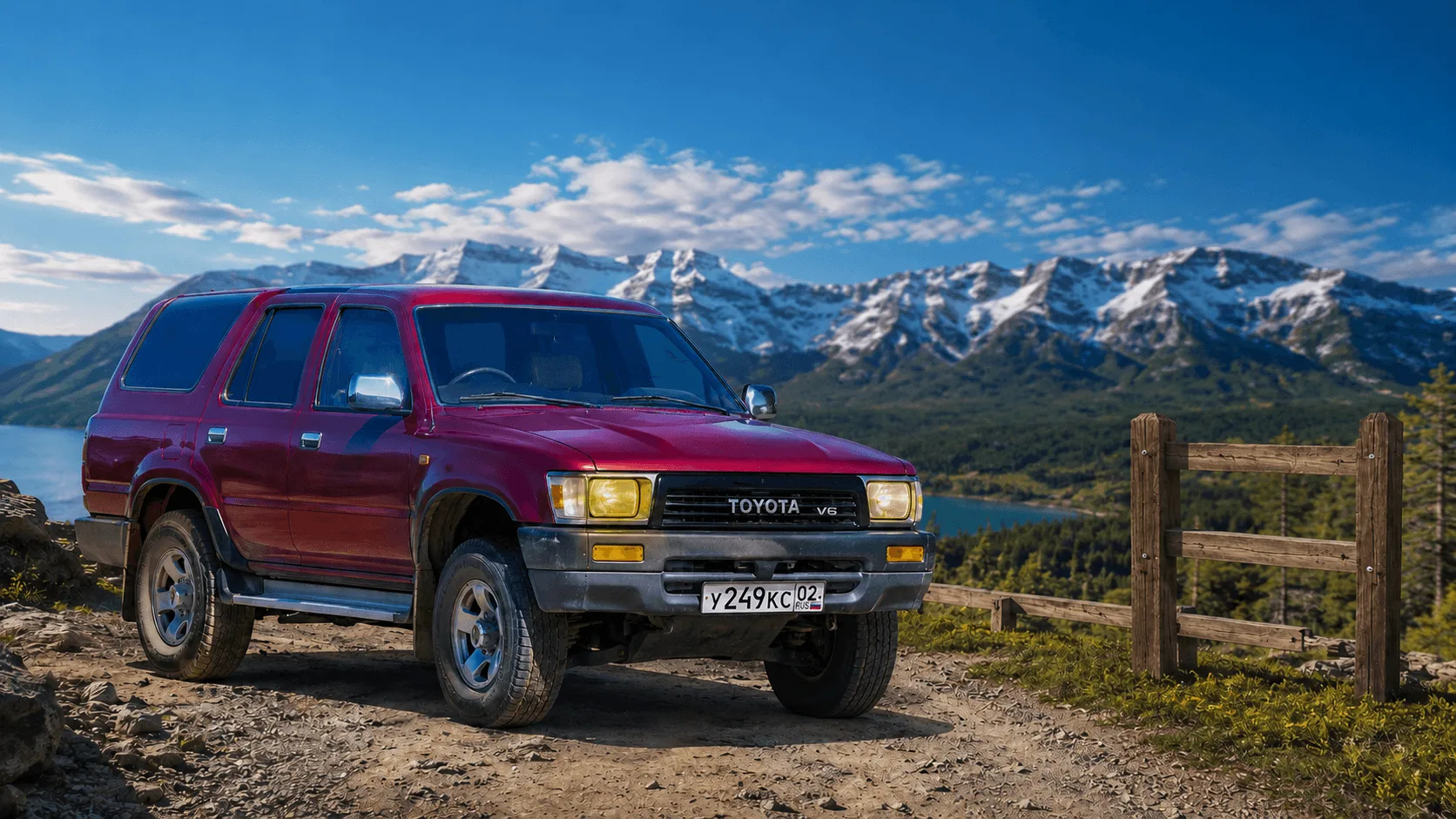


The third-generation Hilux Surf arrived at a point when Toyota was refining the SUV formula rather than reinventing it. Introduced in December 1995, the N185 brought a redesigned chassis, a longer wheelbase, improved ride comfort, and a stronger mix of gasoline and diesel powertrains.
What makes this generation especially interesting today is the range of choices within the same platform. From the popular 1KZ-TE diesel to later engine updates, trim differences, 4WD systems, and body configurations, no two Surfs are necessarily the same.
That is also why understanding the 1KZ-TE’s reliability and maintenance needs can be an important part of choosing the right one.
In this buyer’s guide, I will break down the 3rd Gen Hilux Surf specs, horsepower, interior, pricing, common buying considerations, and what to look for when searching for one today.
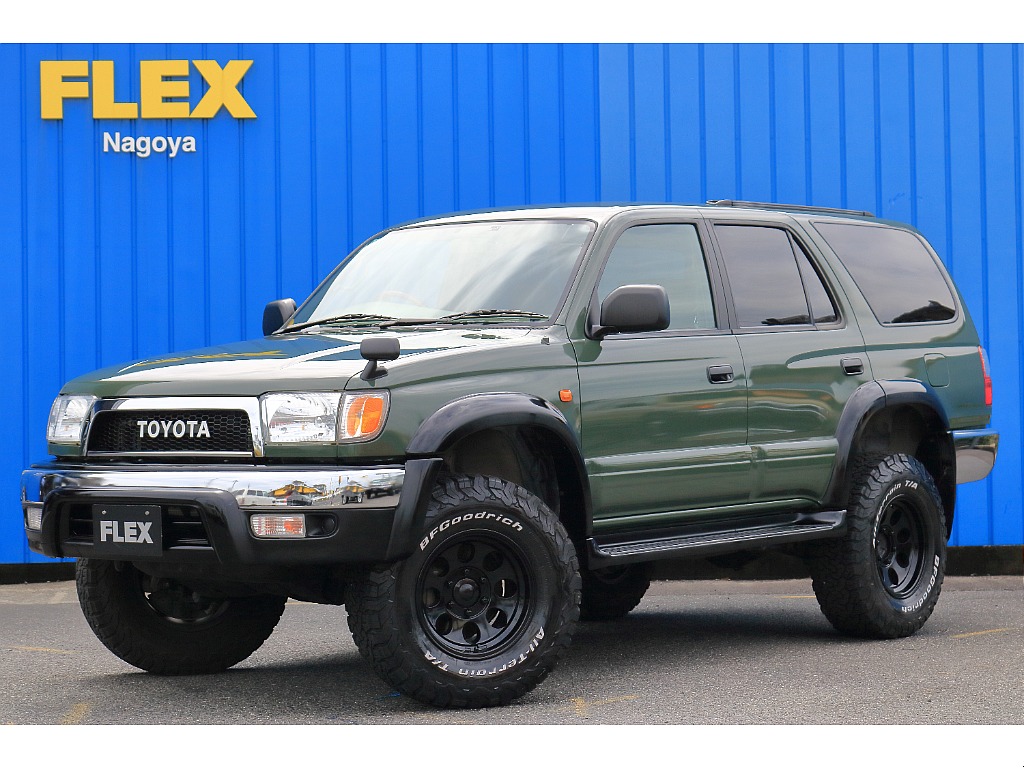
- What Exact Model Years Are the 3rd Gen (N185) Hilux Surf?
- How is the 3rd Gen (N185) Hilux Surf Different?
- 1: An All-New Frame With Better Stability
- 2: Coil Springs Replaced the Old Front Torsion-Bar Setup
- 3: Rack-and-Pinion Steering Replaced the Older System
- 4: A More Advanced Multi-Mode 4WD System
- 5: New Gasoline Engines and a Better Powertrain Range
- 6: A More Practical, Modern Interior
- 7: Improved Safety Equipment
- 8: Standard Body and Wide-Body Choices
- 9: Later Updates Made the N185 Even Better
- What to Look for in a Used 3rd Gen (N185) Hilux Surf for Sale
- 1: Confirm the exact chassis and engine first
- 2: Inspect the cooling system carefully on 1KZ-TE models
- 3: Do not ignore the timing-belt history
- 4: Check for structural and hidden rust
- 5: Inspect the lower ball joints and front suspension
- 6: Test the 4WD system instead of trusting the dashboard light
- 7: Check the automatic transmission when fully warmed up
- 8: Inspect the steering rack for excessive play
- 9: Look underneath for evidence of hard off-road use
- 10: Be cautious with heavily modified examples
- 11: Check the diesel fuel system on diesel models
- 12: Inspect the rear hatch and seals
- 13: Verify the Japanese auction sheet and import history when available
- 14: Take a proper test drive
- Common Mods for the 3rd Gen Toyota Hilux Surf
- How and Where to Buy a Used 3rd Gen Toyota Hilux Surf for Sale?
What Exact Model Years Are the 3rd Gen (N185) Hilux Surf?
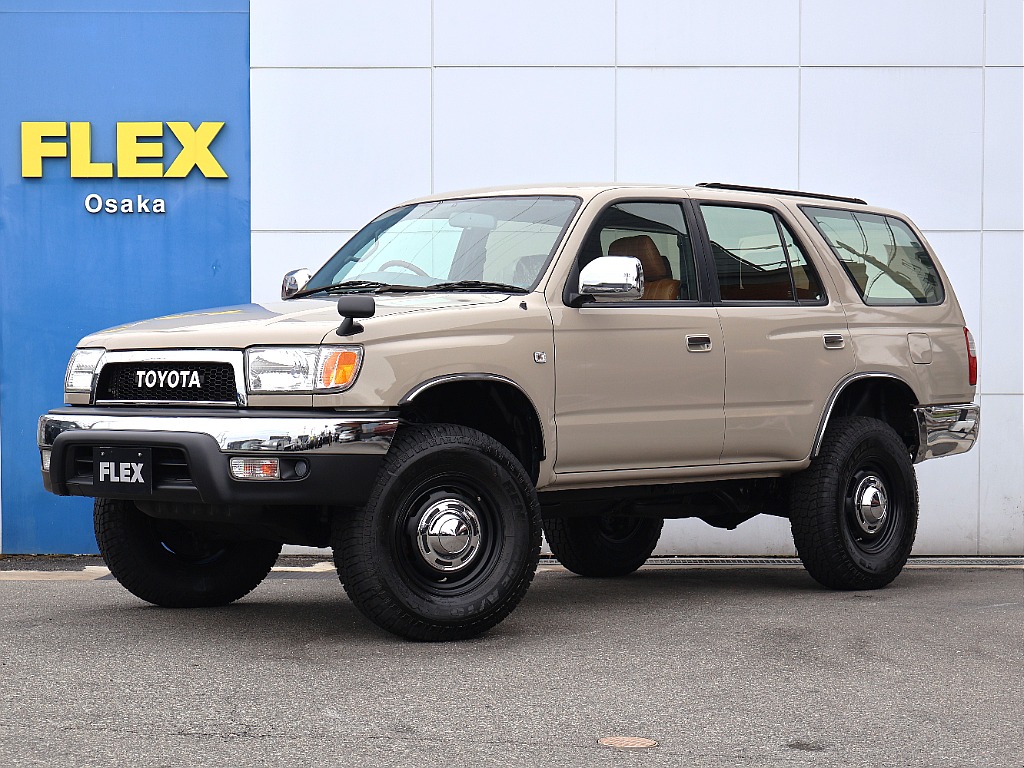
The third-generation Toyota Hilux Surf was produced from December 1995 through November 2002 in Japan. Toyota officially identifies this entire period as the third generation, while the fourth-generation Hilux Surf arrived in November 2002.
For buyers, though, there is an important detail. The N185 is commonly used as a broad reference to this generation’s chassis family, but Toyota used several specific model codes depending on the engine and configuration.
The main 185-series codes include:
| Model Code | Engine | Production Period Within the 3rd Gen |
|---|---|---|
| KZN185W / KZN185G | 3.0L 1KZ-TE turbo-diesel | December 1995 to the July 2000 diesel change |
| KDN185W | 3.0L 1KD-FTV common-rail turbo-diesel | July 2000 to November 2002 |
| VZN185W | 3.4L 5VZ-FE V6 gasoline | Third-generation production period |
| RZN185W | 2.7L 3RZ-FE gasoline | Third-generation production period |
Toyota’s own historical records confirm that the third-generation Surf launched in December 1995 and that the original 1KZ-TE diesel was replaced by the 170 PS 1KD-FTV in July 2000.
So, for this buyer’s guide, the clearest answer is: the 3rd Gen Hilux Surf covers 1996 through 2002 model-year vehicles, with production beginning in late 1995.
How is the 3rd Gen (N185) Hilux Surf Different?
The third-generation N185 Hilux Surf, introduced in December 1995, was a major step forward from the previous generation. Toyota did not simply redesign the body.
That’s because the company renewed the frame, suspension, steering, 4WD technology, interior layout, safety equipment, and engine lineup. The result was a Hilux Surf that remained a genuine body-on-frame SUV but became far more comfortable and stable for everyday driving.
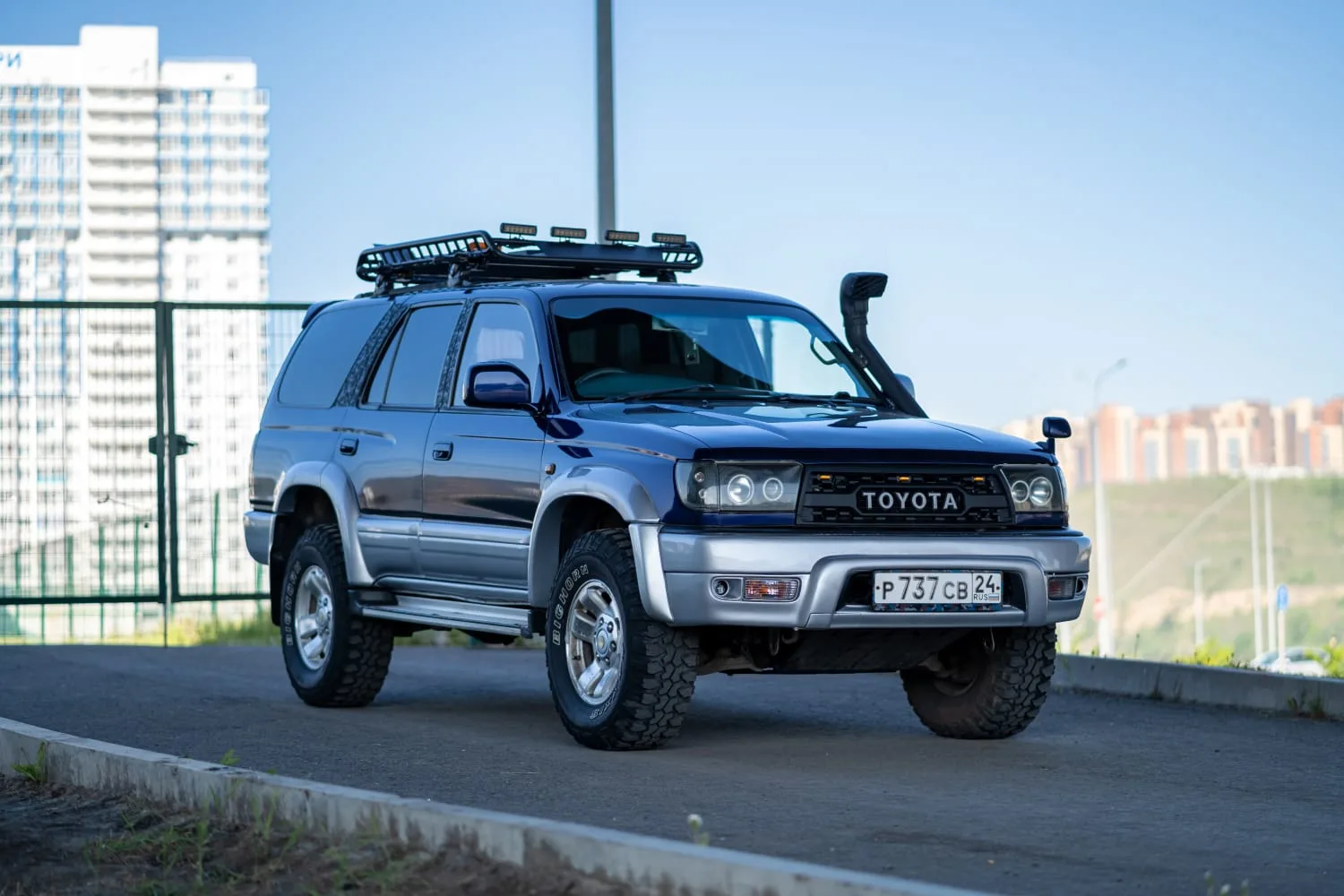
1: An All-New Frame With Better Stability
One of the biggest changes was the underlying structure. Toyota developed a new frame with reinforced side rails and increased the wheelbase and track dimensions. This gave the 3rd Gen Surf a more planted feel while also improving ride comfort and straight-line stability.
The longer wheelbase did not mean Toyota forgot about off-road use. The revised chassis and suspension were designed to provide better road manners without sacrificing the Surf’s ability on rough terrain.
2: Coil Springs Replaced the Old Front Torsion-Bar Setup
This is one of the most important technical upgrades for buyers.
Toyota retained the double-wishbone front suspension layout, but replaced the previous torsion-bar springs with coil springs and stabilizers. At the rear, the Surf used a trailing-link setup with coil springs and stabilizers.
Toyota also increased suspension stroke, helping both ride quality and off-road performance. For someone comparing a 2nd Gen Hilux Surf with an N185, this suspension change is one of the clearest differences you will feel behind the wheel.
3: Rack-and-Pinion Steering Replaced the Older System
Toyota also replaced the previous ball-and-nut steering system with rack-and-pinion steering.
That might sound like a small engineering change, but it contributed to the third-generation Surf’s more modern driving character. The N185 was designed to work better in cities and on highways while still retaining its traditional SUV capability.
4: A More Advanced Multi-Mode 4WD System
The 3rd Gen introduced more sophisticated 4WD technology on key grades. Alongside the standard part-time 4WD arrangement, Toyota offered a 4-mode part-time system with a center differential, allowing a full-time 4WD mode for certain driving conditions.
Toyota specifically highlighted the benefit of this system on slippery surfaces such as wet and icy roads. This gave selected N185 models more flexibility than a conventional part-time-only setup.
5: New Gasoline Engines and a Better Powertrain Range
Toyota gave the new generation a much stronger gasoline lineup:
- 3.4L 5VZ-FE V6 — 185 PS
- 2.7L 3RZ-FE inline-four — 150 PS
- 3.0L 1KZ-TE turbo-diesel — initially 130 PS
The 1KZ-TE diesel was later upgraded with an intercooler in May 1996, increasing output to 140 PS. Then, in July 2000, Toyota made the generation’s biggest powertrain change by introducing the 1KD-FTV common-rail direct-injection turbo-diesel with 170 PS.
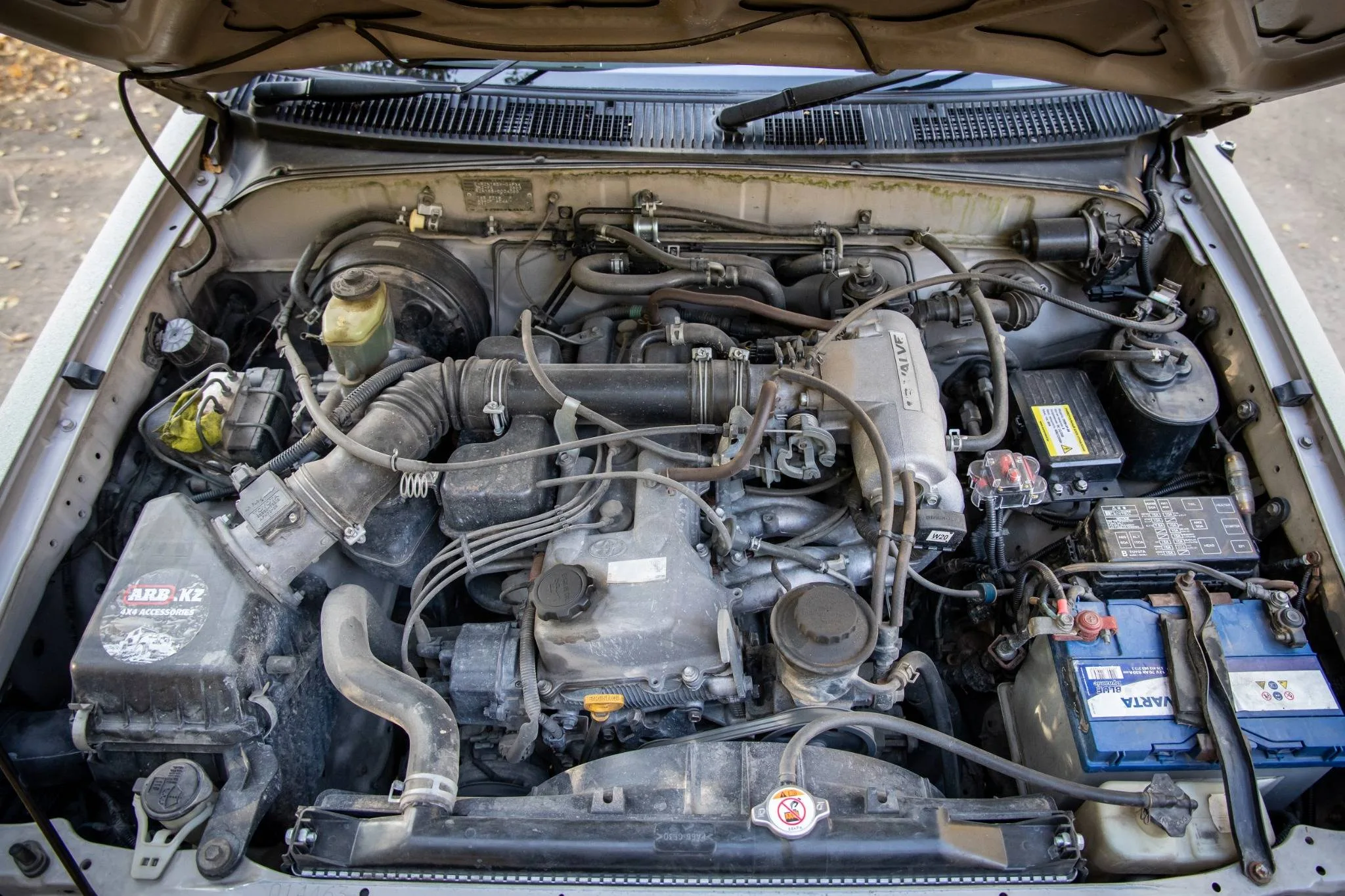
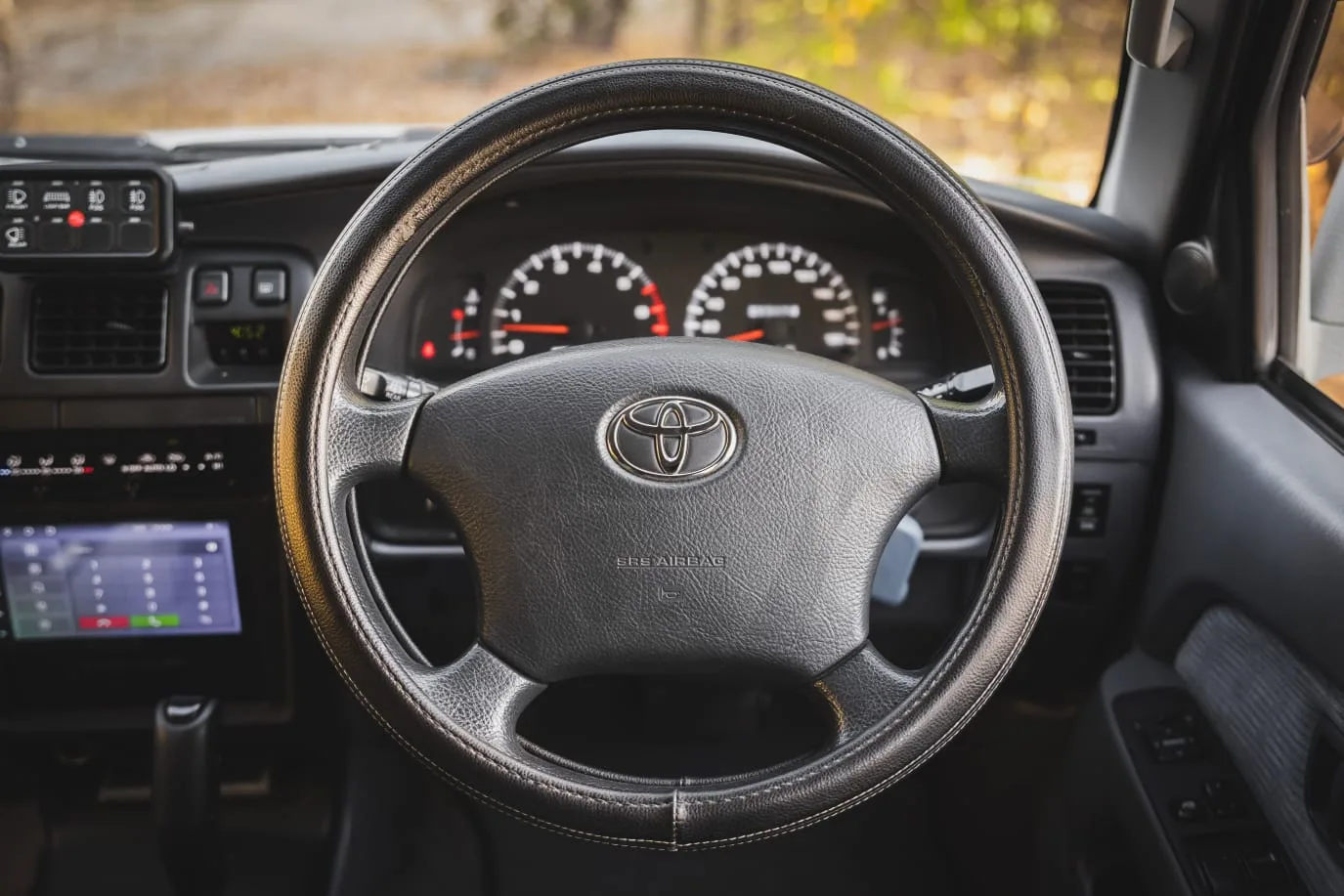
6: A More Practical, Modern Interior
Toyota also focused heavily on usability inside the N185. The floor height was lowered by approximately 40 mm, making entry and exit easier.
The seating arrangement was redesigned to allow the front and rear seats to fold flat, while Toyota also created space for a 3DIN-size audio system.
The cabin was not just larger-looking; it was designed to work better for families, travel, and everyday ownership.
7: Improved Safety Equipment
For its time, the new Surf brought meaningful safety improvements. Toyota fitted dual front airbags and side-impact door beams as standard equipment, while ABS was also part of the safety package. Wide-body versions received large-capacity front ventilated disc brakes.
Toyota also improved the vehicle’s impact-absorption design to address frontal, rear, side, and rollover impacts.
8: Standard Body and Wide-Body Choices
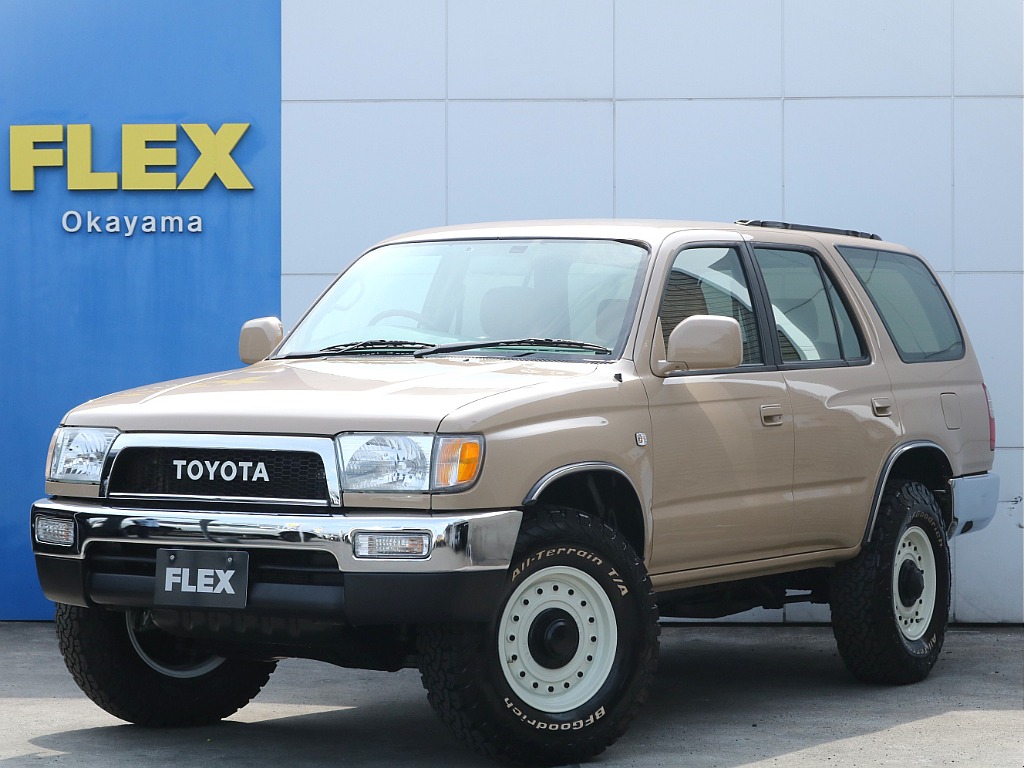
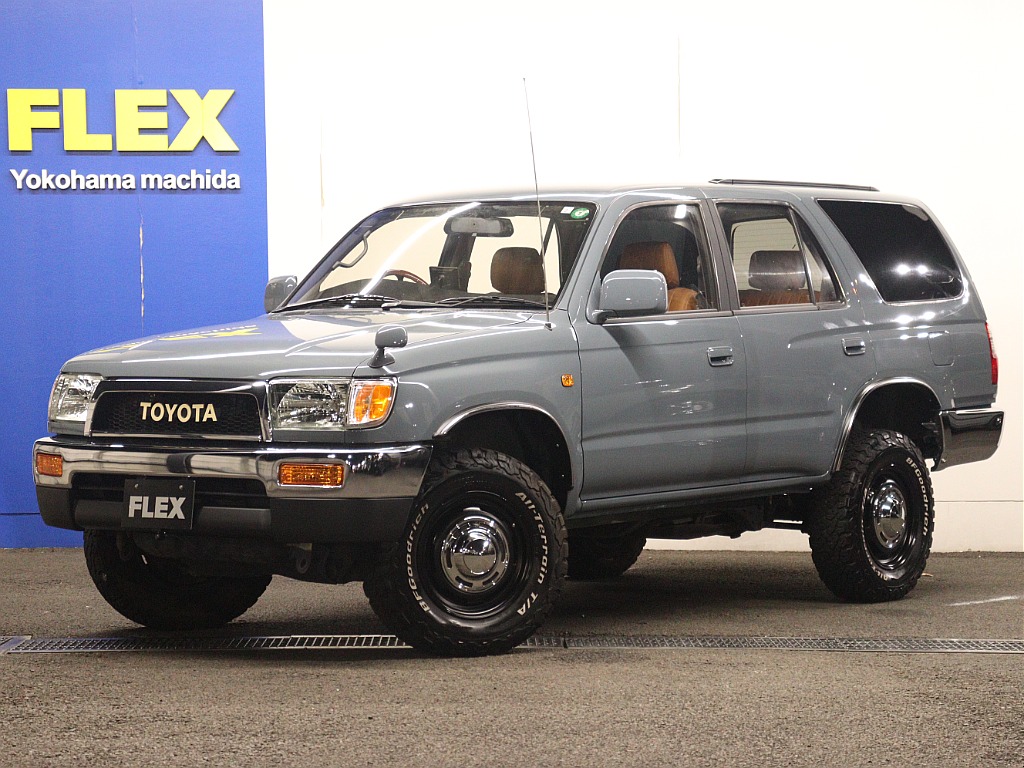
The third-generation Hilux Surf moved to a four-door body with a top-hinged rear tailgate as its only body style. Buyers could choose between a standard-body version and a wide-body model with overfenders.
This gave the N185 lineup two distinct personalities. The standard body was narrower, while the wide-body versions delivered a more aggressive SUV appearance.
9: Later Updates Made the N185 Even Better
Toyota continued improving the generation rather than leaving it unchanged until the arrival of the 4th Gen Hilux Surf in 2002.
A notable update arrived in July 2000, bringing the 1KD-FTV diesel, revised grille and wheel designs, multi-reflector rear combination lamps, improved seat and door-trim materials, and the REAS suspension system on the SSR-G. Toyota also introduced an affordable wide-body SSR-V grade during this update.
What to Look for in a Used 3rd Gen (N185) Hilux Surf for Sale
A used 3rd Gen Hilux Surf for sale can still be an excellent buy, but these SUVs are now more than two decades old. I would not judge one simply by its mileage, paint, or trim badge.
The exact engine, maintenance history, rust condition, and 4WD operation can tell you far more about the vehicle you are buying.
Here is the checklist I would use before committing to an N185:
1: Confirm the exact chassis and engine first: Do not assume every N185 has a 1KZ-TE. Check the chassis plate and confirm if you are looking at a KZN185, KDN185, VZN185, or RZN185. This matters because the diesel changed from the 1KZ-TE to the more advanced 1KD-FTV in July 2000.
2: Inspect the cooling system carefully on 1KZ-TE models: This is probably the most important mechanical check on a KZN185. Look for coolant loss, white smoke, oil contamination, overheating history, a neglected radiator, or a weak viscous fan. Cooling problems can contribute to expensive cylinder-head damage. Ask for evidence of radiator, thermostat, coolant, water-pump, and timing-belt maintenance.
3: Do not ignore the timing-belt history: A seller should ideally have documentation showing when the timing belt and related components were replaced. On a vehicle this old, “the previous owner said it was done” is not the same as proof.
5: Inspect the lower ball joints and front suspension: The N185’s independent front suspension deserves a close inspection. Look for worn ball joints, excessive play, damaged boots, uneven tire wear, and suspension modifications that may have added stress to original components. This is particularly important on Surfs running oversized tires or heavy aftermarket wheels.
6: Test the 4WD system instead of trusting the dashboard light: Shift through the available 4WD modes and confirm engagement works correctly. Vacuum lines and the front differential actuator system can cause problems, so a flashing or malfunctioning 4WD indicator deserves investigation.
7: Check the automatic transmission when fully warmed up: The 4-speed automatic should shift cleanly without slipping, harsh engagement, or a burnt smell from the transmission fluid. Test it during both normal driving and harder acceleration.
8: Inspect the steering rack for excessive play: Toyota moved the third-generation Surf to rack-and-pinion steering, so check for wandering, looseness at the steering wheel, fluid leaks, and unusual noises when turning at full lock.
9: Look underneath for evidence of hard off-road use: Scratches are normal on a 4×4, but bent skid plates, damaged crossmembers, leaking differentials, crushed exhaust components, and poorly repaired suspension mounts can tell a different story.
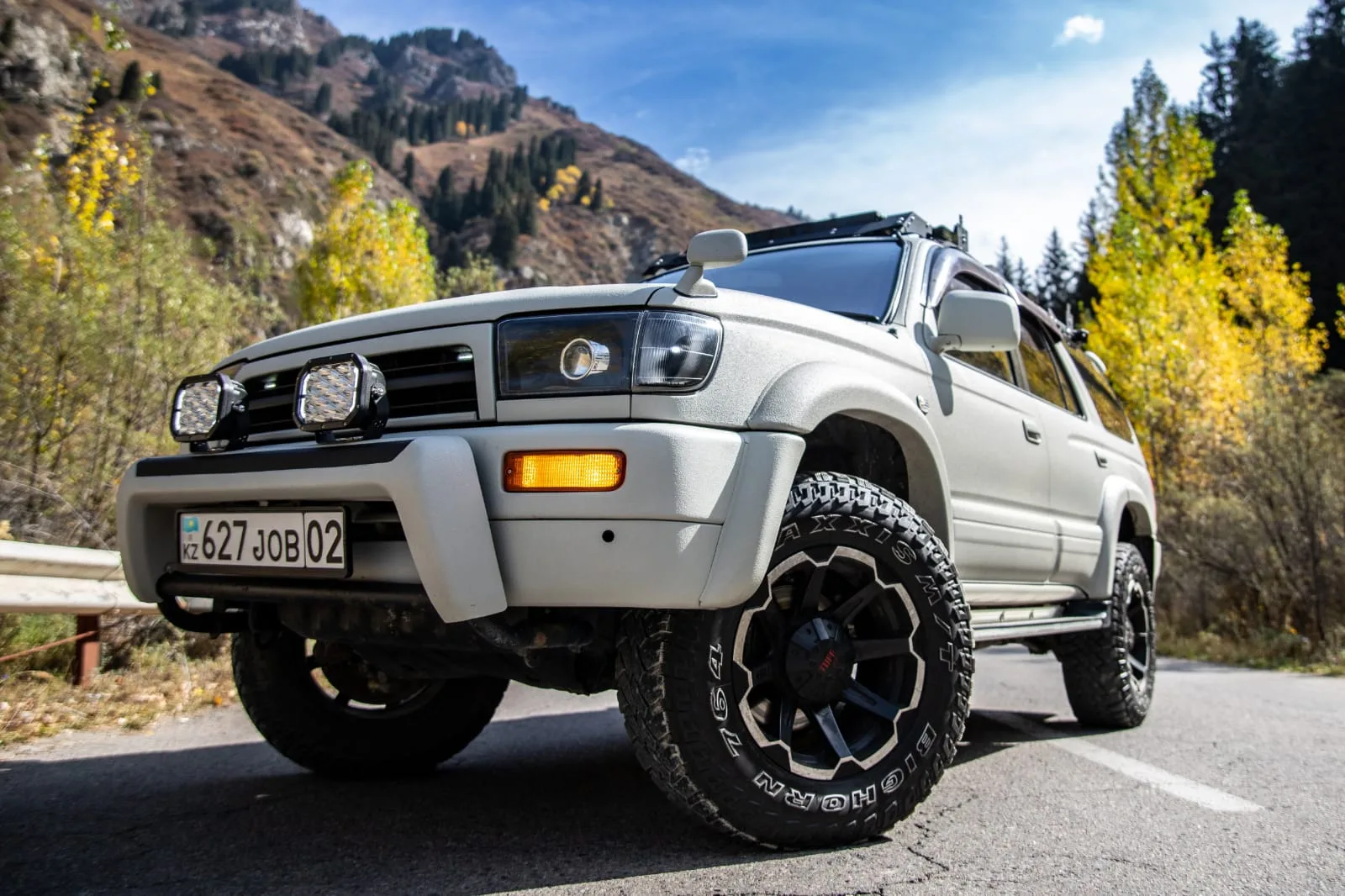
10: Be cautious with heavily modified examples: A 3rd Gen Hilux Surf bull bar, lift kit, oversized tires, or aftermarket suspension does not automatically make the vehicle a bad purchase. However, check the installation quality and confirm the modifications have not accelerated wear on steering, ball joints, CV components, or suspension parts.
11: Check the diesel fuel system on diesel models: Difficult starting, rough running, fuel leaks, excessive smoke, or inconsistent idle can point toward injector or injection-pump issues. The later 1KD-FTV also requires proper attention to its more sophisticated common-rail fuel system.
12: Inspect the rear hatch and seals: Open and close the tailgate several times and look closely around the hatch, window, and seals for corrosion or water intrusion. Rust around these areas is a known point worth checking on older Surfs.
13: Verify the Japanese auction sheet and import history when available: For a recently imported Surf, auction records, export documents, service paperwork, and mileage history can provide useful context. Odometer readings alone should not be treated as the complete story.
14: Take a proper test drive: Listen for drivetrain vibration, wheel-bearing noise, suspension clunks, and unusual sounds during acceleration, braking, and tight turns. A 20-minute drive can reveal issues that will never appear in listing photos.
Common Mods for the 3rd Gen Toyota Hilux Surf
Over the years, owners have modified the 3rd Gen Toyota Hilux Surf in many ways, including suspension lifts, larger tires, aftermarket wheels, roof racks, and upgraded lighting. However, one of the most recognizable additions is the 3rd Gen Hilux Surf bull bar.
A bull bar gives the N185 a tougher, more traditional 4×4 appearance and can also provide additional front-end protection depending on its design. Many owners pair it with auxiliary lights for overlanding or off-road use.
Since the Surf already has a strong SUV presence, this modification remains a popular choice for buyers who want a more aggressive look without completely changing the vehicle’s character.
How and Where to Buy a Used 3rd Gen Toyota Hilux Surf for Sale?
Finding a used 3rd Gen Toyota Hilux Surf for sale is one thing. Getting the right SUV from Japan and bringing it into the United States is another. You can try sourcing one yourself through Japanese auctions or exporters, but that means handling the vehicle search, inspection, shipping, import process, and paperwork separately.
For many buyers, the simpler option is working with an all-in-one JDM specialist that can handle the process from sourcing to import.
At Flex San Diego, this is exactly where we can help. We have been importing JDM vehicles into the U.S. since our inception, and with over 50 dealerships across Japan, sourcing a specific 3rd Gen Hilux Surf is not a major challenge for our team.
Tell us the model year, engine, trim, and condition you want. You can also share your budget with us.
We can help source the right 3rd Gen Hilux Surf for you. Our team can also guide the vehicle through the import process and handle the required paperwork.
That means you do not have to coordinate with multiple companies. Instead, you have one team helping you from sourcing your Surf to bringing it home.