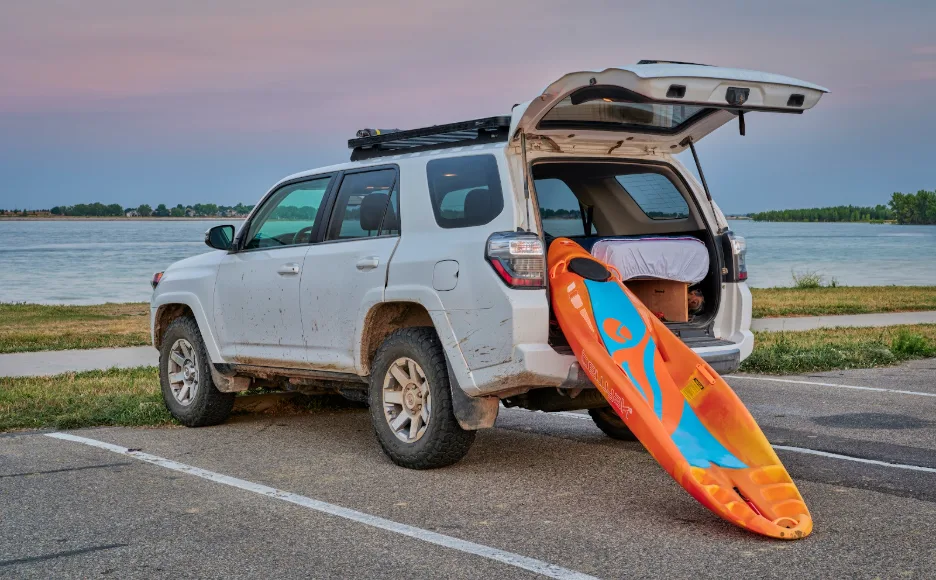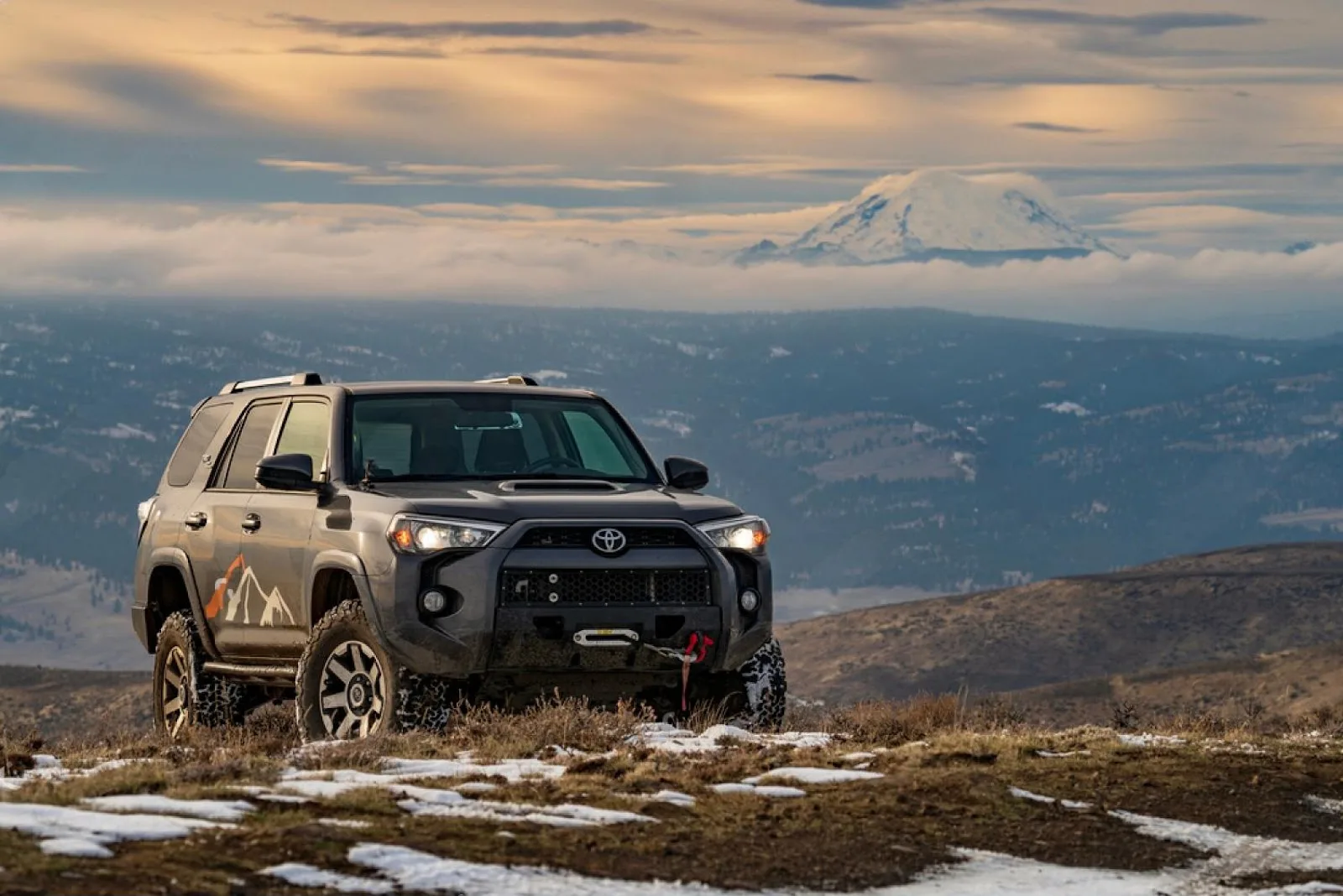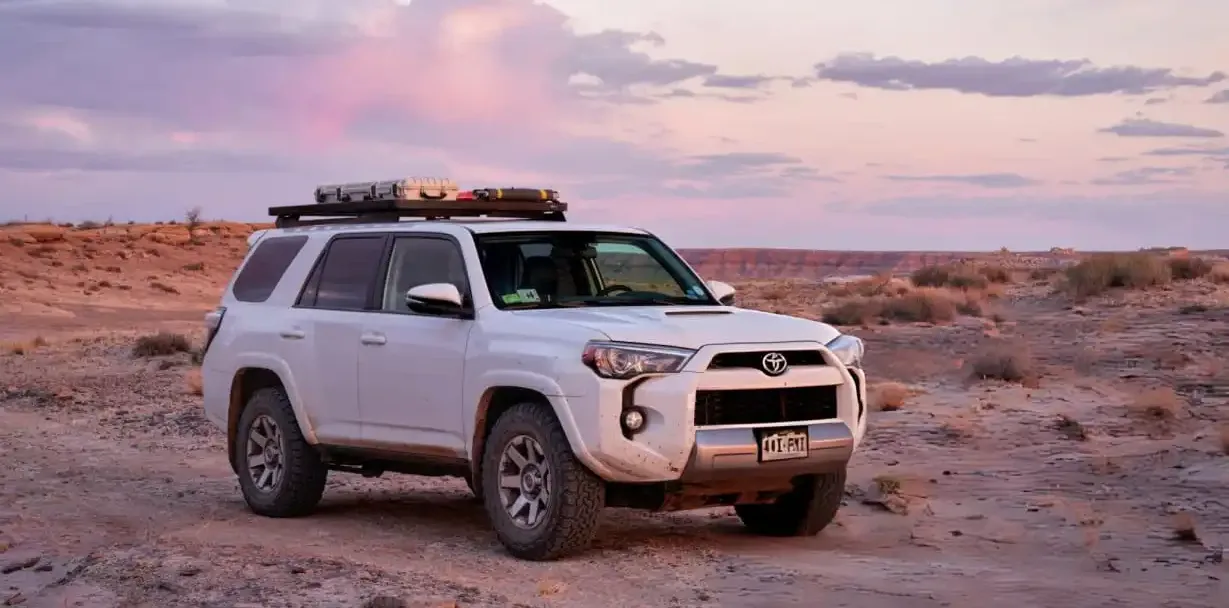


When you start looking for a used 4Runner, you quickly discover that almost everyone has an opinion about the “best” year. I have seen buyers focus heavily on the model year, assuming that one particular year automatically means better reliability, fewer problems, or a better 4WD system. But after looking at the 4Runner’s long production history, I think there is more to the decision than the number on the title.
The best year for Toyota 4Runner can depend on what you want from the SUV, how much you want to spend, and the condition of the individual vehicle. Maintenance history, mileage, rust, previous use, and configuration can be just as important as the model year itself.
In this guide, I will look at 4Runner generations, reliability by year, popular trims, 4WD configurations, known problem years, and the factors I would check before buying one.
Best and Worst Years for Toyota 4Runner: What the Data Shows
Before I compare individual model years, there is one important distinction I want to make: complaint counts are not the same as failure rates. A year with more reported complaints does not automatically mean that a greater percentage of its vehicles failed.
Older vehicles have had more time to accumulate reports, higher-volume model years put more vehicles on the road, and recall campaigns can also increase the number of documented complaints.
For that reason, I would use complaint and recall data as one part of the reliability picture, alongside generation changes, known problems, maintenance requirements, and the condition of the individual vehicle.
| Year | Generation | Reported Concerns | Major Updates | Buyer Notes |
|---|---|---|---|---|
| 2003 | 4th Gen | High number of body/paint complaints, particularly excessive rust and corrosion | New generation, new V8 option, updated chassis and technology | Inspect the frame and underbody very carefully |
| 2004 | 4th Gen | Highest 4th-gen complaint volume on CarComplaints; cracked dashboards, ABS issues, frame rust | Continued 4th-gen platform | Inspect the dash, ABS and frame |
| 2005 | 4th Gen | High complaint volume; undercarriage rusting is a notable reported problem | Mature 4th-gen platform | Corrosion condition can matter more than mileage |
| 2010 | 5th Gen | Higher complaint and recall activity than several later 5th-gen years | All-new 5th generation | First-year model; verify recalls and condition |
| 2012 | 5th Gen | Some engine, brake, electrical and drivetrain complaints | Updated equipment and mature early 5th-gen platform | Strong reliability candidate, but inspect individual vehicle |
| 2013 | 5th Gen | Relatively low complaint volume in current NHTSA-derived data | Last year before the 2014 refresh | Interesting balance of newer equipment and established platform |
| 2017 | 5th Gen | Lower complaint volume than many earlier 5th-gen years | Mature platform; expanded TRD/off-road lineup | Strong candidate for buyers wanting a proven 5th gen |
| 2020 | 5th Gen | Low complaint volume in current datasets | Apple CarPlay/Android Auto and Toyota Safety Sense became standard | Later 5th gen with important technology upgrades |
| 2021 | 5th Gen | Very low reported complaint count on CarComplaints | Continued late-5th-gen refinement; updated TRD Pro | Strong combination of mature platform, safety and technology |
| 2022 | 5th Gen | Low complaint volume in current datasets | Continued late-generation configuration | Newer example, but purchase price can be higher |
| 2023 | 5th Gen | Low complaint volume in current datasets | Late 5th gen (the generation ran through the 2024 model year) | Newer 5th-gen option with relatively limited reported complaints |
Best Year for Toyota 4Runner
When I narrow down the best year for Toyota 4Runner, I am putting reliability ahead of styling, technology, or trim-level exclusivity.
That is what matters most to owners who plan to keep their 4Runner for years. I have selected the following three model years because they combine strong reliability evidence with important characteristics that make them attractive used 4Runners.
2012 Toyota 4Runner: 5th Generation
The 2012 Toyota 4Runner stands out as an early 5th-generation model that had already moved beyond the first year of the redesign. Toyota retained the proven 4.0-liter V6 and five-speed automatic, with 270 horsepower and a 5,000-pound maximum towing capacity.
Reliability is the biggest reason I would consider 2012. Consumer Reports currently rates the 2012 4Runner as much more reliable than other vehicles from the same model year.
The 2012 model also brought meaningful equipment improvements. Toyota introduced upgraded audio and connectivity features, including USB/iPod connectivity, Bluetooth music streaming, and hands-free phone capability. The Trail grade, offered since 2010, remained the more purpose-built off-road option.
It is worth noting that the 2012 4Runner has had recalls, including Takata airbag-related campaigns, so any used example should still be checked by VIN for completed recall work.
2017 Toyota 4Runner: 5th Generation
I consider the 2017 Toyota 4Runner another strong choice because it sits well into the mature portion of the fifth generation. By this point, Toyota had already introduced the major 2014 refresh, while the basic body-on-frame platform and 4.0-liter V6 remained familiar and proven.
The reliability data is also encouraging. Consumer Reports rates the 2017 4Runner as more reliable than other vehicles from the same model year.
For a used buyer, that combination is important. You get a mature 5th-generation platform without paying the premium that later, lower-mileage examples can command. It also offers a wide range of configurations, including the SR5, TRD Off-Road, TRD Pro, and Limited, allowing buyers to prioritize daily driving, off-road capability, or comfort.
The 2017 Toyota 4Runner is not problem-free. NHTSA records show several recalls, including campaigns involving certain modified vehicles and equipment. That is why I would still check the VIN and maintenance history before buying.
2021 Toyota 4Runner: 5th Generation
The 2021 Toyota 4Runner represents the later end of the fifth generation and is my choice here for buyers who want the combination of proven mechanical hardware, modern safety equipment, and newer technology.
Consumer Reports currently rates the 2021 4Runner as much more reliable than other vehicles from the same model year, and its recall history is comparatively limited, with one NHTSA-listed recall concerning certain vehicles equipped with 20-inch Black Gunner wheels.
There are also meaningful reasons to choose a 2021 over an earlier 5th-gen model. Toyota had already updated the 4Runner with Apple CarPlay, Android Auto, and Amazon Alexa compatibility for 2020, while Toyota Safety Sense became standard across the lineup.
The TRD Pro received particularly useful updates for 2021, including re-tuned 2.5-inch Fox internal-bypass shocks, TRD-tuned springs, an approximately one-inch front lift, and new flow-form TRD wheels with Nitto Terra Grappler tires.
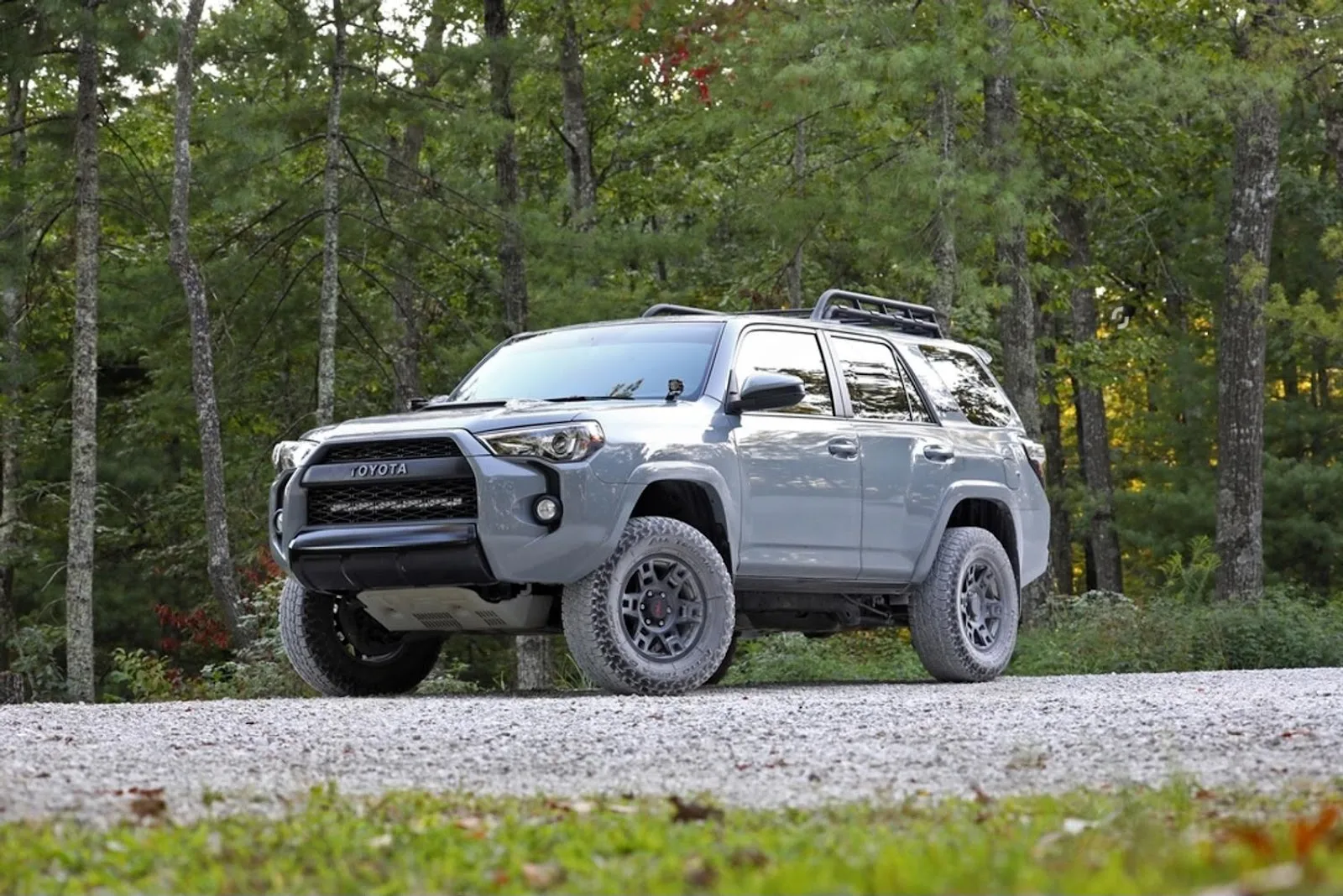
What About the 6th-Gen 4Runner (2025–2026)?
The sixth-generation 4Runner arrived for the 2025 model year on the TNGA-F platform. It replaces the 4.0L V6 with a 2.4L turbocharged four-cylinder (i-FORCE, 278 hp and 317 lb-ft) and adds an available i-FORCE MAX hybrid (326 hp and 465 lb-ft), with towing up to 6,000 lbs.
Because the 6th gen is still new, long-term reliability data is limited, so this guide focuses on the 5th generation for used buyers. If you’re considering a 2025 or 2026 model, check open recalls by VIN and keep an eye on owner reports as they build up.
Toyota 4Runner Years to Avoid
While I would not write off an entire 4Runner generation based only on its model year, some years deserve more scrutiny than others. When I look at the Toyota 4Runner years to avoid, I am primarily concerned with recurring problems, corrosion, recalls, and the additional inspection that an older example may require.
That does not mean every vehicle from these years is a bad purchase. A well-maintained 4Runner with documented repairs can still be a better vehicle than a neglected example from a newer year.
2010 Toyota 4Runner: 5th Generation
The 2010 Toyota 4Runner deserves extra attention because it was the first year of the fifth generation. It has a relatively high number of documented complaints and 12 recall campaigns listed by CarComplaints, including multiple airbag-related campaigns.
There is also an ongoing NHTSA investigation related to desiccated airbag inflators for the 2010 model year.
That does not make every 2010 4Runner unreliable. However, if I were shopping for one today, I would verify every recall using the vehicle’s VIN, inspect the vehicle carefully, and look for complete maintenance records before making a decision.
1990–1995 Toyota 4Runner: 2nd Generation
The second-generation 4Runner is now more than 30 years old, so age itself becomes one of the biggest concerns. These vehicles can still be appealing to enthusiasts, but I would put much more emphasis on individual condition than on the model year.
For example, the 1990 model has documented complaints involving engine and transmission issues, while NHTSA investigations included concerns involving brake effectiveness, corroded brake lines, and rear-seat-belt routing. The 1995 model also has documented engine complaints, including reports of blown head gaskets, along with several recalls.
For a 2nd-gen 4Runner, I would therefore prioritize frame and body condition, brake lines, drivetrain condition, maintenance history, and evidence of previous repairs over simply searching for a particular model year.
2003–2005 Toyota 4Runner: 4th Generation
This is the group I would inspect most carefully. The 2003–2005 Toyota 4Runner has a notable concentration of body and paint complaints, with rust and corrosion appearing repeatedly in the available complaint data. CarComplaints identifies 2003 as having 37 complaints specifically related to excessive rust/corrosion, while its data for 2004 and 2005 also shows substantial body/paint complaint activity.
The 2004 model has documented complaints involving cracked dashboards, ABS problems, and frame rust, while 2005 reports include undercarriage and frame corrosion.
That does not mean I would automatically reject every 2003, 2004, or 2005 4Runner. In fact, complaint databases themselves caution that the 2003 model has a strong overall reliability record despite its corrosion-related complaints.
The takeaway is simple: inspect the frame and underbody carefully. On these older 4Runners, severe rust can matter far more than the odometer reading or asking price.
What Reddit Owners Say About the Best 4Runner Year
If you search Reddit for the best year for Toyota 4Runner, you will quickly notice that there is no single answer that every owner agrees on. That is actually useful because these discussions show what people prioritize after living with their 4Runners. In one r/4Runner thread where a first-time Toyota buyer asked which year to choose, the answers fell into a few camps:
- 2020 and newer for technology: Several owners pointed out that 2020+ models have factory Apple CarPlay, and one 2021 owner suggested a 2022 for blind spot monitoring and LED high beams.
- 2019 for simplicity: Others preferred the 2019 as the last 5th-gen year before Toyota Safety Sense driver aids became standard.
- Earlier 5th gens for value: One commenter argued the 4Runner changed only slightly from 2010 to 2024, so a 2010+ SR5 with an aftermarket CarPlay head unit can make more sense than paying more for a newer model.
- The 4th-gen V8 for durability: Fans of the 2007–2009 V8 models called its drivetrain one of the toughest the 4Runner has offered.
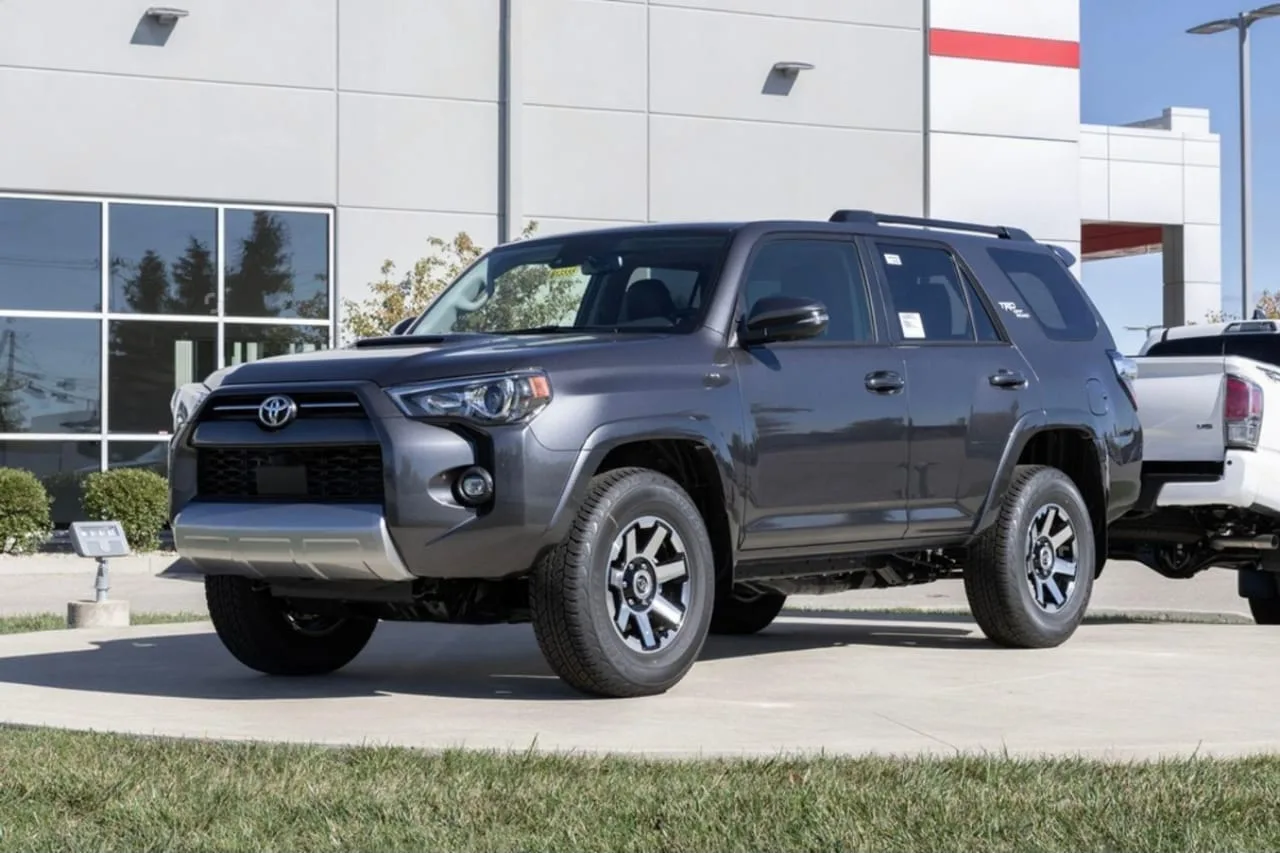
Owners also flagged a few practical points: a moonroof reduces headroom for taller drivers, and real-world fuel economy reports in the thread ranged from about 15 to 21 mpg, depending on tires and highway speed.
Toyota 4Runner Best Year FAQs
1. What year 4Runner is most reliable?
The 2012, 2017, and 2021 Toyota 4Runner are strong reliability-focused choices based on available reliability data and the maturity of the fifth-generation platform. Consumer Reports currently rates all three as more reliable than other vehicles from their respective model years, with the 2012 and 2021 rated much more reliable.
2. What year 4Runner to stay away from?
I would approach the 2003–2005, 2010, and very old second-generation 4Runners more carefully. The reasons vary from significant age and corrosion concerns to first-year redesign considerations and documented complaints.
3. What is the best used Toyota 4Runner to buy?
For a used buyer, a well-maintained fifth-generation 4Runner is one of the most straightforward choices because of its proven body-on-frame platform and long production run. The specific year should depend on your budget, desired trim, mileage, 4WD requirements, and the condition of the vehicle.
4. What is a good year to buy a Toyota 4Runner?
The 2012, 2017, and 2021 model years are good starting points if reliability is your main priority. They represent different points in the fifth-generation 4Runner’s lifecycle, so your choice can come down to budget and desired equipment. The 2021, for example, combines the mature 5th-gen platform with later-generation safety and technology updates.
5. Which version of 4Runner is best?
There is no single version that suits every buyer. The SR5 can make sense for everyday use, the TRD Off-Road and TRD Pro are oriented more toward off-road capability, while the Limited emphasizes comfort and road-oriented features. Your intended use should determine the trim rather than simply choosing the most expensive version.
Don’t Just Look — Feel the Drive
Take your favorite model for a spin through the streets of San Diego. Feel the performance firsthand.