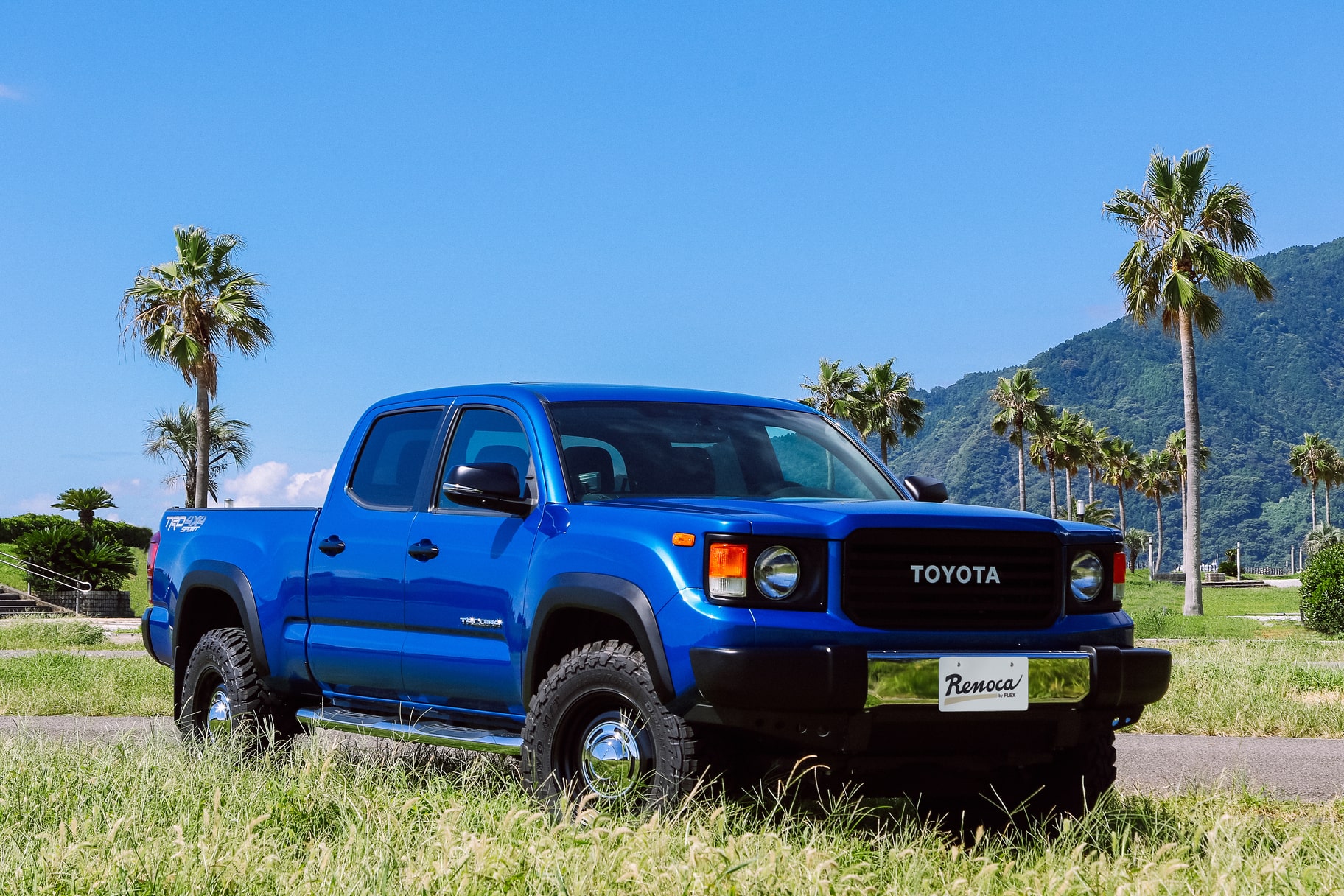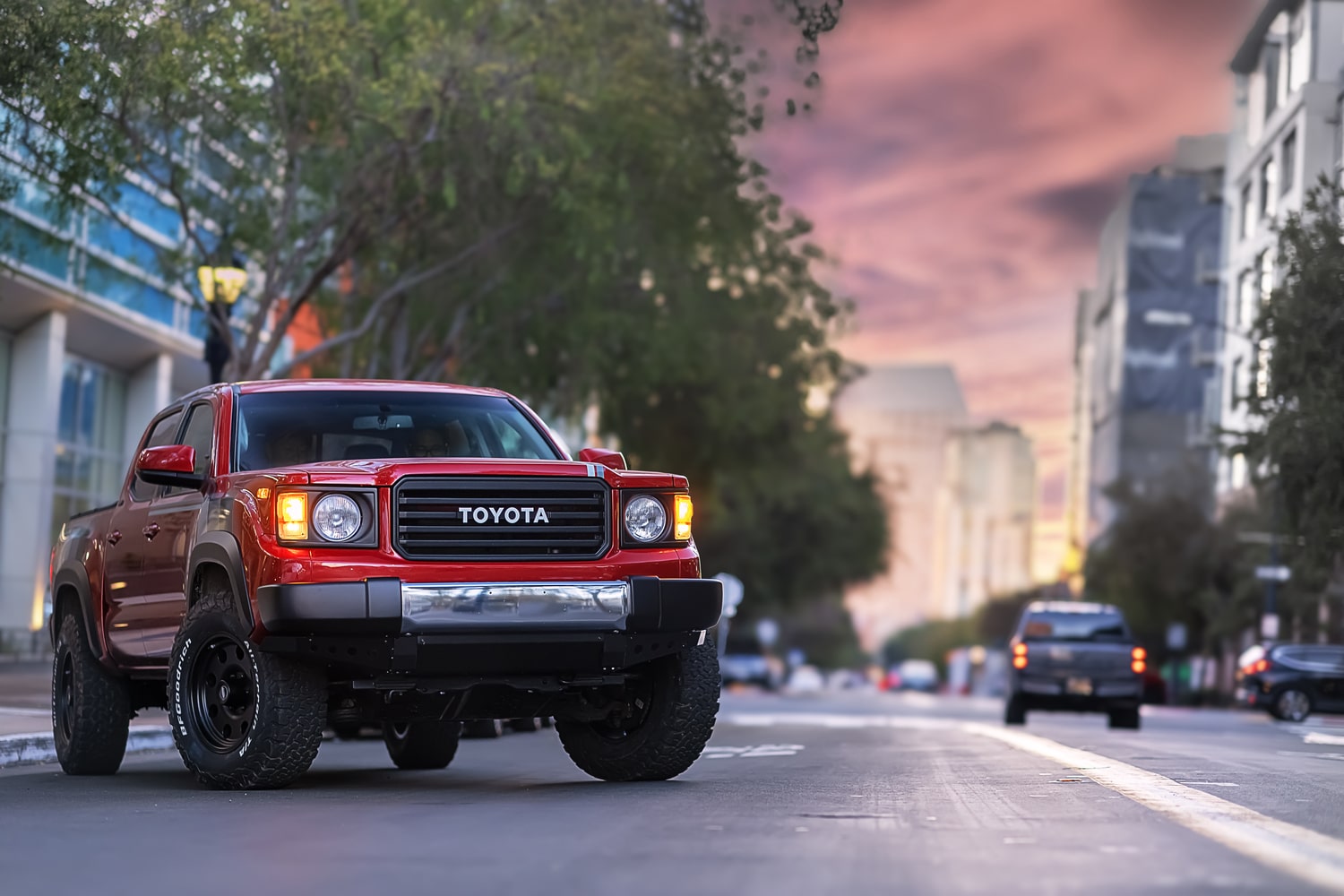


There is something different about a car when it feels like it was built for the person behind the wheel. I think that is where automotive customization is heading. People do not always want to drive something that looks exactly like everyone else’s vehicle. They want to build something that reflects their vision, personality, and passion for cars.
We are already seeing this shift through customized trucks, SUVs, and enthusiast builds, where the vehicle becomes more than transportation. It becomes a form of personal expression. At Flex, we wanted to explore that idea with our Tacoma Creator Series by bringing creators and their favorite Tacoma builds together.
In this guide, I will explain why I think creator-led car builds are moving automotive marketing in the right direction, how they create a stronger connection between vehicles and enthusiasts, and what the FLEX Creator Series showed us about where customized automotive culture is heading.
- Why Enthusiasts Opt for Customized Options
- 1. They Want a Vehicle That Reflects Their Personality
- 2. They Want to Build Something Different From Everyone Else
- 3. They Want the Vehicle to Match Their Lifestyle
- 4. They Enjoy the Process of Building the Vehicle
- 5. They Want More Capability From the Vehicle
- 6. Social Media Has Turned Builds Into Stories People Can Follow
- 7. They Want to Feel Part of a Community
- What Is the Future of Automotive Marketing?
- Looking for a Customized JDM? Let Us Import
Why Enthusiasts Opt for Customized Options
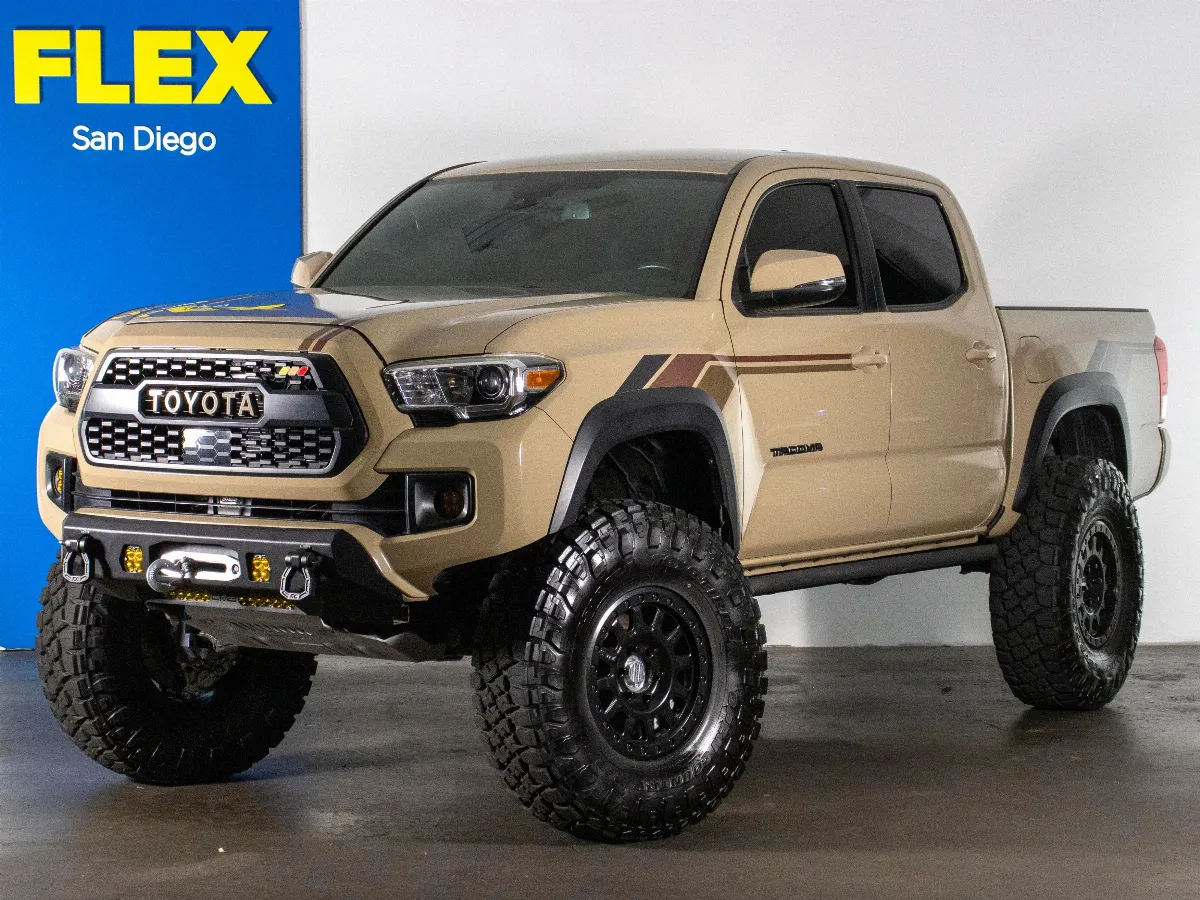
I think the appeal of a customized vehicle goes much deeper than simply making a car look different. For many enthusiasts, the vehicle becomes a reflection of how they use it, what they enjoy, and what they want it to say about them.
That is also why customization continues to have such a strong place in the automotive aftermarket. SEMA’s 2026 market research found that approximately one in four vehicle owners purchased accessory or performance products to personalize their vehicles in 2025.
The same research shows that personalization is not limited to dedicated project cars; many owners are modifying the vehicles they use every day.
There are several reasons behind that demand. Some owners want their vehicle to stand out, while others want better capability, more comfort, or simply the satisfaction of building something themselves. Here are seven of the biggest reasons I see behind the growing interest in customized vehicles.
1. They Want a Vehicle That Reflects Their Personality
The easiest reason to understand is also one of the most important: people want their vehicles to feel personal. When thousands of identical trucks and SUVs leave dealership lots every year, customization gives an owner a way to create something that feels different.
That does not always mean adding extreme modifications. One owner might choose a specific wheel and tire combination, another might build an off-road truck, and someone else might focus on the interior. The final vehicle can reflect individual taste even when two owners start with exactly the same model.
Research into consumer customization supports this idea. Academic research on self-customization has found that consumers use customization to express aspects of their identity, with distinctiveness and alignment between the product and the consumer’s values playing important roles.
I think this is particularly powerful with trucks and SUVs because there are so many ways to personalize them. The vehicle can communicate what the owner enjoys without the owner having to explain it. A lifted Tacoma with camping equipment tells a different story from a clean street-focused build, even though both started with the same truck.
That personal connection is one reason a customized vehicle can feel more special than a factory configuration. The owner is not simply choosing a vehicle. They are creating a version of it that feels like their own.
2. They Want to Build Something Different From Everyone Else
Standing out is another major motivation behind customization. Most people who buy a mass-produced vehicle know they will see the same model on roads, in parking lots, and in their neighborhoods. Customization gives them an opportunity to move away from that sameness.
SEMA’s consumer research specifically identifies an “In-Crowd” buyer type whose primary motivation is making a vehicle stand out. Its research also shows that personalization is a significant part of the broader aftermarket, not just something practiced by a small group of hardcore builders.
For enthusiasts, that distinction can be important. They may spend time choosing wheels, suspension components, bumpers, lighting, paint, upholstery, or other details because they want the finished vehicle to look different from a stock example. The individual modifications may seem small on their own, but together they create a completely different personality.
This is also where the idea of a “build” becomes more interesting than simply buying a car. A factory vehicle is designed around a broad audience. A customized vehicle can be designed around one person’s preferences.
That is exactly why creator-led builds can be so compelling. When a creator puts their name and personality behind a vehicle, the audience can see the decisions that make that particular build different. It becomes more than a truck with aftermarket parts. It becomes someone’s interpretation of what that truck should be.
3. They Want the Vehicle to Match Their Lifestyle
Not every customization is about appearance. In many cases, owners modify vehicles because the factory configuration does not perfectly match the way they actually use them.
A person who spends weekends camping may prioritize storage, all-terrain tires, suspension changes, recovery equipment, and exterior accessories. Someone who uses a truck for work may focus on utility and protection. Another owner may spend more time on paved roads and care primarily about comfort, wheels, audio, or interior upgrades.
SEMA’s research reflects this broader behavior. Its 2026 market report found that pickup-related accessories and performance products accounted for 30% of specialty-equipment industry sales in 2025, with owners spending more than $15 billion modifying pickups for off-road recreation, utility, and lifestyle applications.
That tells me customization is not simply about making a vehicle look impressive at a car show. People are modifying vehicles they actually use.
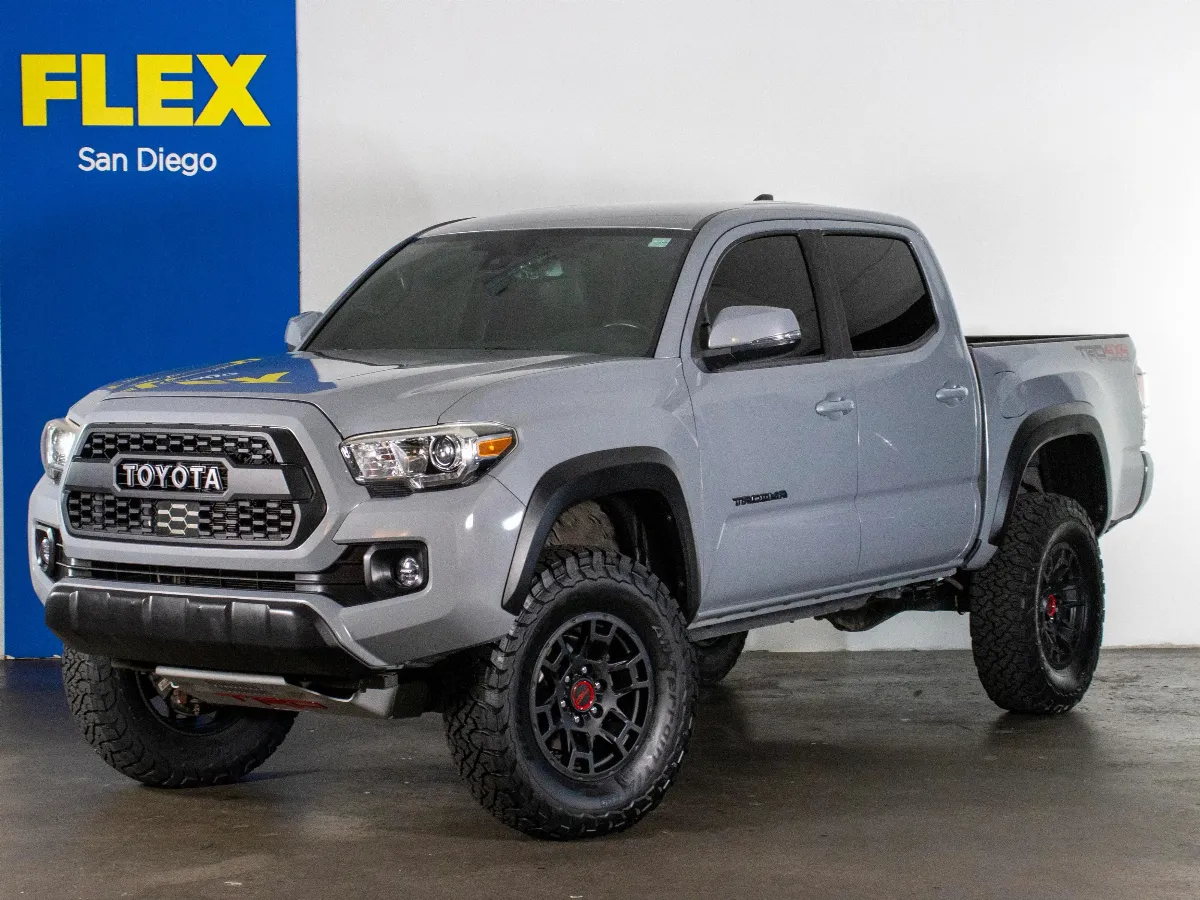
This is especially relevant to trucks such as the Tacoma. Its basic platform can support very different lifestyles, which gives owners plenty of room to build around their own needs. One Tacoma can become a trail vehicle, another a camping rig, and another a daily driver with carefully selected upgrades.
The customization becomes meaningful because every modification has a purpose. The owner is not just changing the truck. They are adapting it to their life.
4. They Enjoy the Process of Building the Vehicle
For some enthusiasts, the finished vehicle is only part of the attraction. They genuinely enjoy the process of creating it.
SEMA’s consumer research identifies “Builders” as enthusiasts who purchase parts because they enjoy working on their vehicles. Its research also distinguishes “Drivers,” who modify vehicles to maximize driving enjoyment, and other consumer groups with different motivations.
That distinction matters because two people can own almost identical customized trucks while getting completely different things from the experience. One person may enjoy researching components, comparing options, installing parts, and solving problems. Another may care more about how the completed truck drives.
For builders, customization can become an ongoing project. There is always another detail to improve, another component to replace, or another idea to try. The vehicle changes gradually as the owner’s knowledge and preferences develop.
That process can create a stronger emotional connection to the vehicle. Every modification represents a decision, and some modifications may even carry a story about where the owner found a part, why they selected it, or how they solved a particular problem.
That is one reason I think the word “build” is so important in automotive culture. It suggests an ongoing relationship between the owner and the vehicle rather than a one-time purchase.
5. They Want More Capability From the Vehicle
Customization can also be about making a vehicle do something the owner could not do with the stock configuration.
This is particularly common with trucks and SUVs. Owners may modify suspension, tires, wheels, lighting, recovery equipment, storage, protection, or other components to make the vehicle more suitable for off-road driving, camping, towing, or other activities.
The motivation here is straightforward: the owner has a particular use in mind, and the vehicle needs to support it.
Research shows how significant this practical side of customization has become. Pickup owners alone spent more than $15 billion on modifications related to off-road recreation, utility, and lifestyle applications in 2025.
The important point is that capability and personality often overlap. A modification can improve how the vehicle works while also changing how it looks. A set of larger all-terrain tires, for example, can provide practical benefits while also giving a truck a more purposeful appearance.
That combination is part of what makes customized trucks so popular. Owners do not always have to choose between form and function. A well-planned build can combine both.
For me, that is where customization becomes particularly interesting. The best builds are not simply collections of expensive parts. They have a reason behind them, and each modification contributes to how the owner actually uses the vehicle.
6. Social Media Has Turned Builds Into Stories People Can Follow
The relationship between customization and social media has changed automotive culture significantly. A vehicle build used to be something an enthusiast might share with friends, take to a local meet, or display at a show. Today, the entire process can become content.
SEMA’s research specifically points to social media as an important part of how younger enthusiasts interact with vehicles. Its research found that young accessorizers use social platforms to share their projects and follow influencers to see their latest builds and product choices.
That changes the value of the build itself. A customized vehicle is no longer only something to drive. It can become a visual story.
People can see the starting vehicle, follow the modifications, watch the work being completed, and eventually see the finished product on the road. The audience also gets to understand the personality behind the build.
This is where creators become particularly important to automotive brands. A creator can show the vehicle through their own perspective rather than simply repeating a manufacturer’s marketing message. Their audience sees how they use the vehicle, why they selected particular modifications, and what the finished build means to them.
That creates a natural connection between the vehicle and the person driving it. Instead of saying, “Here is a customized Tacoma,” the story becomes, “Here is how this creator imagined their Tacoma.”
I think that shift is one of the biggest reasons creator-led builds have so much potential in automotive marketing.
7. They Want to Feel Part of a Community
Finally, customization gives enthusiasts a way to participate in a larger automotive community.
A customized vehicle can become a conversation starter at meets, trails, shows, events, and online communities. Owners can compare setups, exchange ideas, recommend products, discuss problems, and share what they have learned from their own builds.
That community element also explains why automotive customization often extends beyond the vehicle itself. People follow other builders, attend events, participate in online discussions, and look for inspiration before deciding what to do with their own vehicles.
SEMA’s research shows that the enthusiast aftermarket is made up of different types of consumers with different motivations, but the common thread is a high level of engagement with their vehicles.
Social media has amplified that community. A builder can now share a project with people thousands of miles away, while an enthusiast looking for inspiration can discover builds from around the world.
This creates a cycle: someone sees a build that inspires them, creates their own interpretation, shares it with others, and becomes an inspiration for someone else.
That is exactly the environment where creator-led automotive projects can thrive. The creator is not simply displaying a vehicle. They are participating in a culture where ideas, builds, and stories constantly influence one another.
And when a brand gives those enthusiasts a platform to showcase their own vision, the marketing can become part of that community instead of simply talking to it.
What Is the Future of Automotive Marketing?
When I think about the future of automotive marketing, I do not think about the future of the automotive industry itself. Those are two very different conversations. The automotive industry is about how vehicles are engineered, manufactured, powered, and sold. Automotive marketing is about something else: understanding what people actually want to see, experience, and connect with.
At Flex San Diego, we believe you can only market what people really want to see. That idea became especially important when we looked at the U.S. market. We saw an audience that did not simply want another new SUV sitting on a dealer lot.
There was a genuine appreciation for customized vehicles, especially classic Toyota Land Cruisers that could combine the character of the past with the usability people expect today.
That is where our experience in Japan became important.
Flex has been working with Toyota vehicles in Japan for decades. Founded in 1967, FLEX Inc. has built a network of more than 50 dealerships across Japan, with a strong focus on Land Cruiser and Hiace vehicles.
Our experience is not limited to selling used vehicles. We developed an approach around taking vehicles people already love and giving them a new identity through thoughtful customization.
Renoca is one of the clearest examples of that philosophy. The idea behind Renoca is simple: take a proven Toyota vehicle, renovate it, and give it a classic appearance that connects with the personality of the owner. The result is not meant to erase the original vehicle. It is meant to reinterpret it.
That approach helped us understand something important about automotive marketing. People do not always want to be shown a product. They want to see what that product can become.
A Land Cruiser can become a reflection of someone’s lifestyle. A Tacoma can become an overland build, a weekend adventure truck, or a completely personal interpretation of the platform. The same vehicle can tell completely different stories depending on who builds it.
That is also why our experience goes beyond Land Cruisers and Tacomas. Our JDM expertise gives us access to a much wider world of Japanese vehicles that enthusiasts have loved for generations, from classic Land Cruisers and Tacomas to iconic JDM models such as the Nissan Skyline and Toyota Supra. We understand that different enthusiasts are drawn to different vehicles, and that is part of what makes the JDM world so interesting.
We are also expanding our JDM offering for enthusiasts in San Diego, including plans to bring the Toyota Hiace to the market. The Hiace has a strong history in Japan, and we see an opportunity to introduce that experience to enthusiasts who want something different from the conventional U.S. van market.
This is where I think automotive marketing is heading. Instead of simply telling people why a vehicle is good, brands need to show what that vehicle means to the people who drive it. They need to give enthusiasts something they can see themselves in.
That is exactly the thinking behind the FLEX Creator Series. We did not want to create five Tacoma builds that all looked the same. We wanted five creators to bring their own ideas to the same platform and show just how differently one truck can be interpreted. Each build became an expression of the creator’s style, purpose, and passion.
Looking for a Customized JDM? Let Us Import
If you have a specific JDM vehicle in mind, you do not have to settle for whatever happens to be available in the U.S. At Flex San Diego, we can help you source and import a customized JDM that matches your vision, from classic Land Cruisers and Hilux Surfs to Tacomas, Hiaces, and other Japanese-market vehicles.
Our experience in Japan gives us access to a much wider range of vehicles and customization possibilities. Tell us the model you want, the generation, preferred specifications, budget, and the kind of build you have in mind, and we can help you explore the right options.
We understand that a customized vehicle is personal. It should reflect how you want to drive, travel, and enjoy your vehicle. That is why our goal is not simply to import another JDM. We want to help you find and build something that feels like it was made for you.
Don’t Just Look — Feel the Drive
Take your favorite model for a spin through the streets of San Diego. Feel the performance firsthand.