



After months of speculation, teasers, and clues, Toyota has finally lifted the curtain on the 2027 Toyota Highlander, and yes, it’s exactly what the enthusiasts hoped it would be. This isn’t just another hybrid version of an SUV the U.S. knows well; it’s a fully electric three-row SUV aimed squarely at families and tech-savvy buyers looking for a practical EV with real utility.
Toyota has done something smart here; they used the familiar Highlander nameplate, respected for years for reliability, space, and comfort, and reimagined it for the electric future.
The new Toyota Highlander EV blends everything buyers loved about the gas and hybrid models with modern EV performance, tech, and range that competes with the best in the market.
From impressive range figures to a spacious Toyota Highlander interior, this new Highlander proves that Toyota can embrace the future without losing its heritage.
Let’s dive into what this all-new EV has to offer.
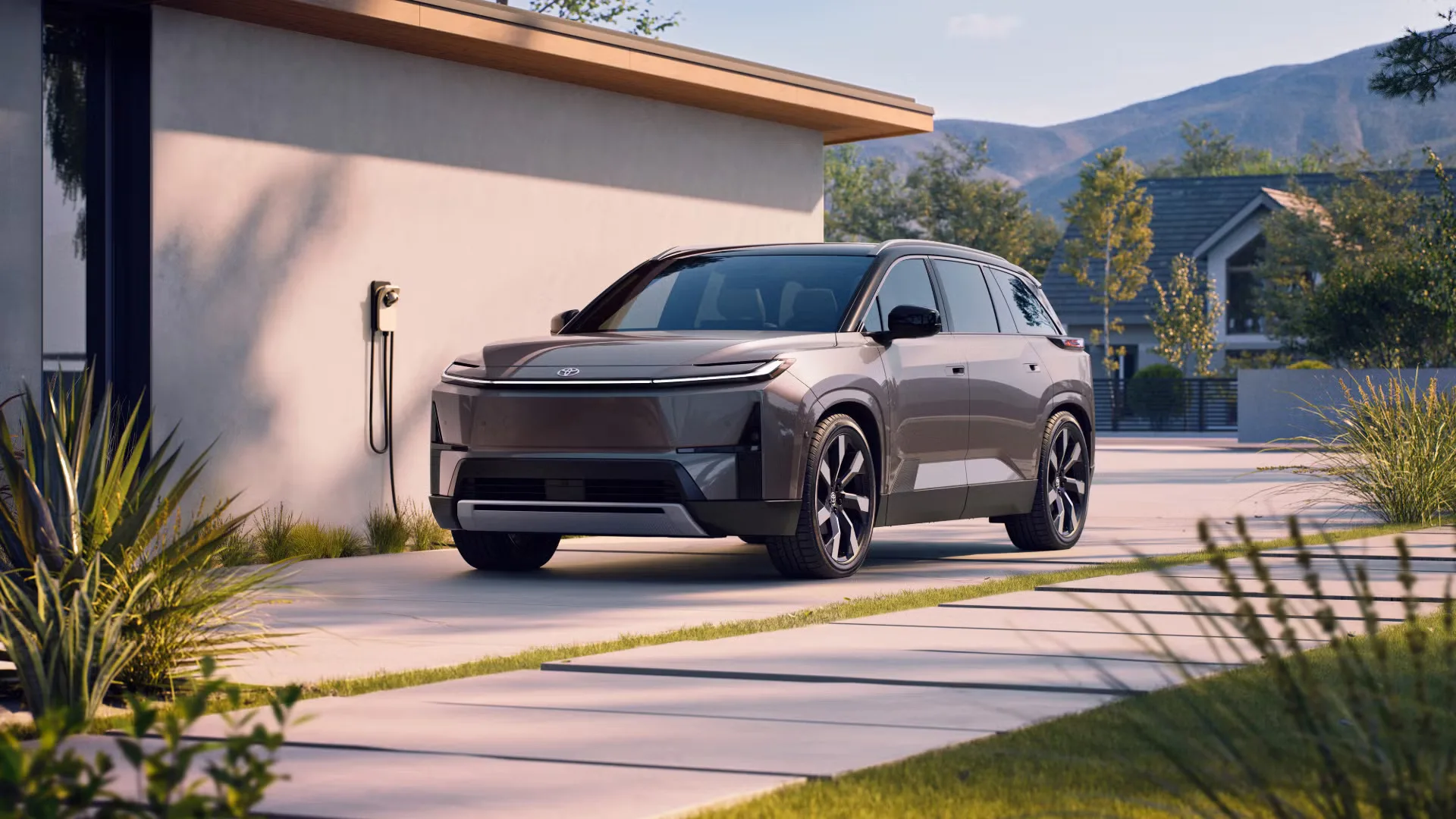
Photo by Toyota (Highlander Press Release)
A Full Electric Three Row SUV
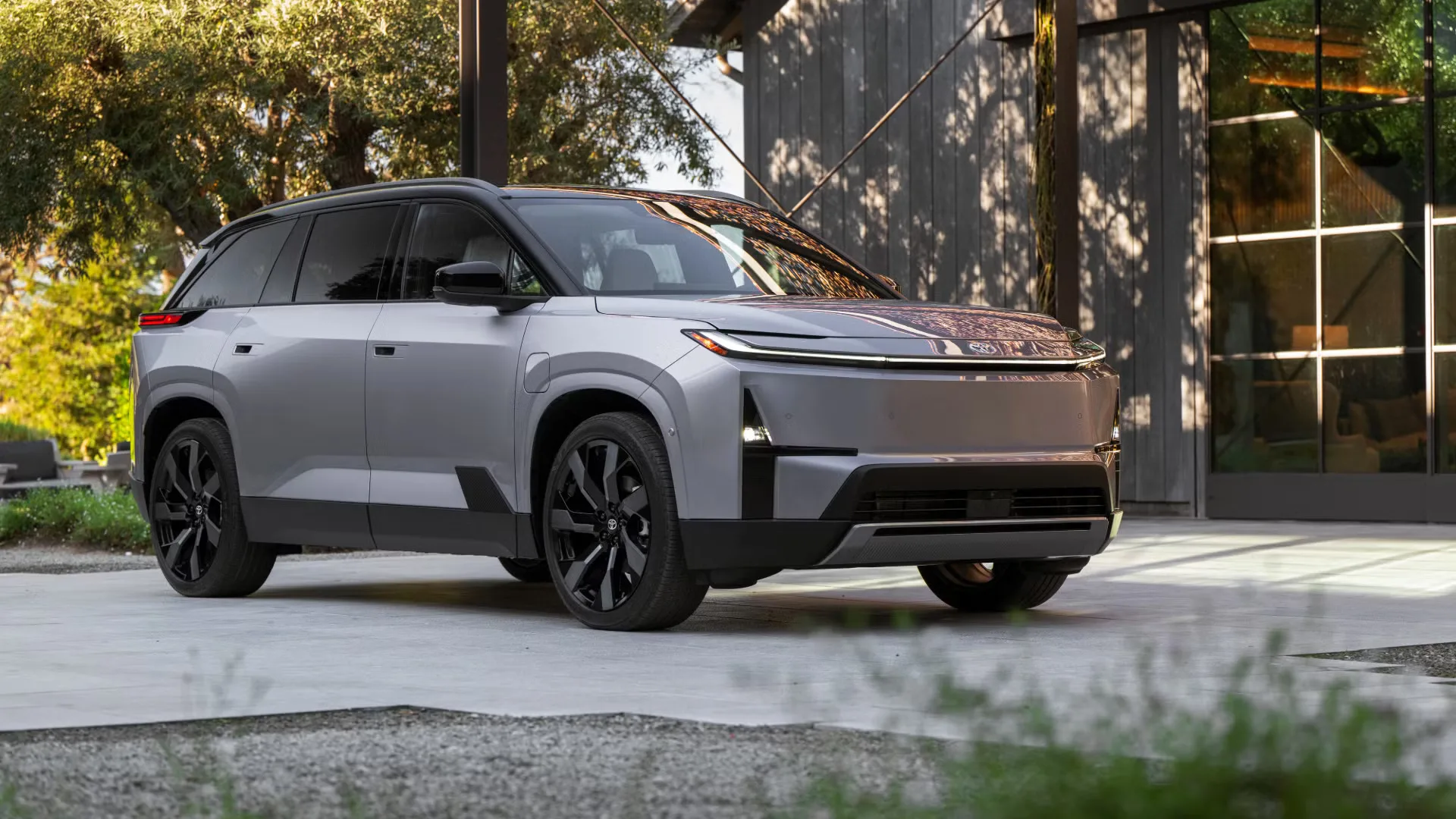
Photo by Toyota(Highlander Press Release)
The 2027 Toyota Highlander marks a major shift for Toyota. For the first time in its history, the Highlander name—which once meant gasoline and hybrid family SUV dominance — now stands for a fully electric three-row SUV purpose-built for the U.S. market. This is Toyota’s most important EV yet because it combines family-friendly practicality with serious electric performance.
This new Highlander drops the traditional Toyota Highlander Hybrid and gasoline powertrains entirely in favor of a battery-electric vehicle architecture. Toyota is offering it in two main trims: XLE and Limited.
Range estimates for the EV Highlander are very competitive. With the 77.0-kWh battery, front-wheel-drive XLE versions are estimated to deliver around 270–287 miles of range, while AWD XLE models with the same battery manage about 270 miles. Upgrade to the larger 95.8-kWh pack in AWD Highlanders — whether XLE or Limited — and Toyota claims up to 320 miles of range on a full charge.
From the outside, the 2027 Highlander wears sharper styling cues compared to its predecessors. Broad fenders, modern LED lighting signatures, and flush door handles give it a premium look that matches its electric powertrain.
Inside, Toyota has clearly focused on technology and comfort: a 14-inch touchscreen, a 12.3-inch digital cluster, 5G connectivity, wireless Apple CarPlay and Android Auto, and plenty of USB-C ports throughout make it feel truly up-to-date. Seating for up to seven ensures this SUV remains a family-friendly choice with flexibility for cargo and passengers alike.
In my view, this isn’t just a Highlander with a battery slapped in — it’s a thoughtful re-imagining of what a three-row EV should be. Toyota kept the name fans trust while catapulting it into a future where electric performance, comfort, range, and usability are no longer compromises.
What’s Under the Hood?
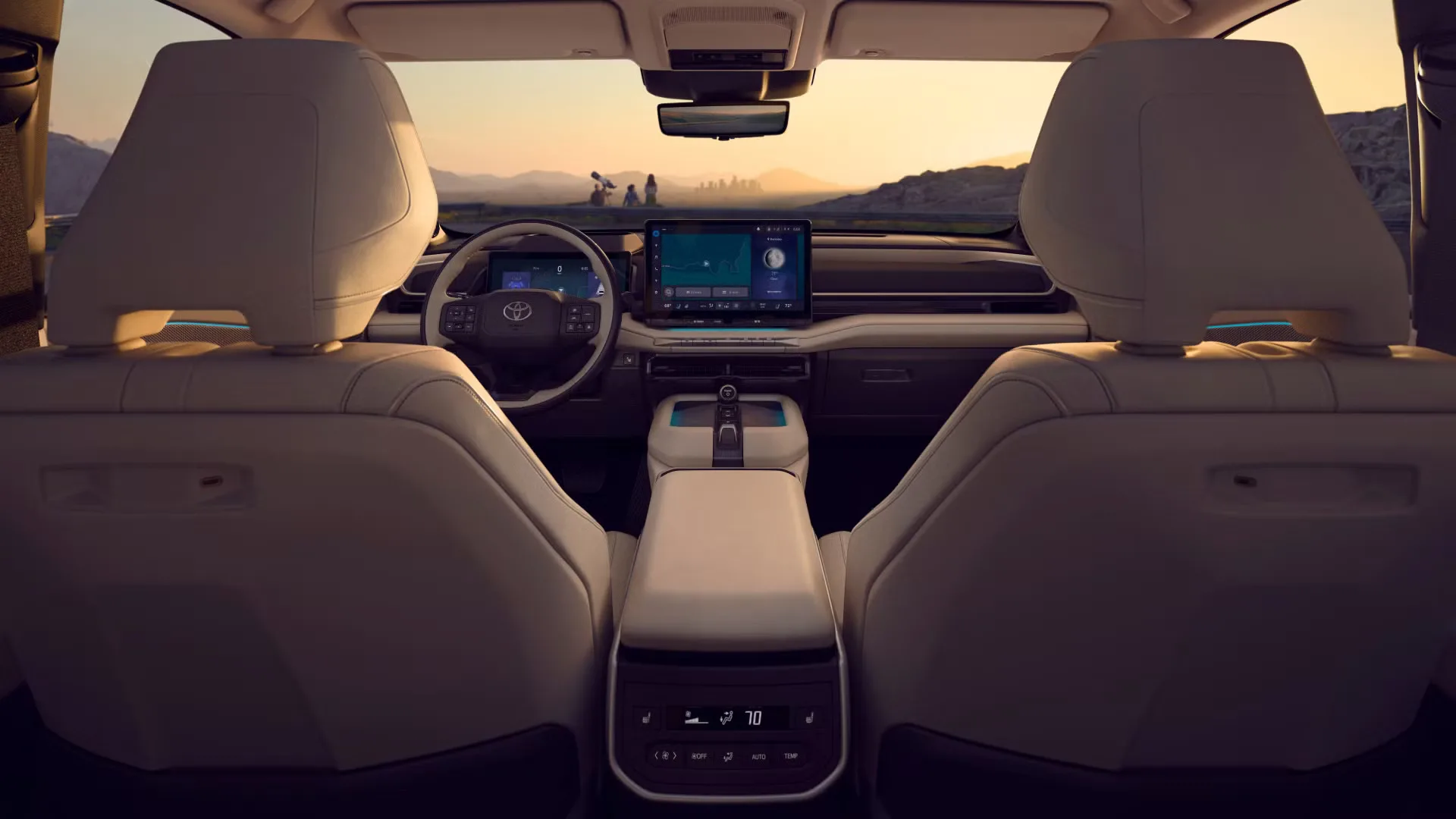
Photo by Toyota(Highlander Press Release)
Now let’s talk about what really matters for an EV: the powertrain, battery choices, and real-world performance. The 2027 Toyota Highlander comes with two distinct battery options paired with different drivetrain setups, giving buyers flexibility depending on their priorities.
At the base level, the Highlander’s 77.0-kWh battery powers either a front-wheel-drive or AWD configuration. The output for the FWD version sits around 221 horsepower and 198 lb-ft of torque. AWD versions produce strong mid-range punch thanks to the dual-motor setup.
Stepping up to the 95.8-kWh battery pack brings out the Highlander’s true performance potential. Power figures here climb to 338 horsepower and 323 lb-ft of torque, putting this Highlander on par with some of the best electric SUVs available today.
Charging performance is another area where Toyota has focused heavily. The Highlander EV uses a NACS port for DC fast charging, meaning access to Tesla Superchargers — a huge advantage for U.S. buyers. Toyota estimates the Highlander can charge from 10% to 80% in around 30 minutes on a compatible fast charger.
Range management features include advanced battery preconditioning via the Toyota app, letting you preheat or precool the battery before charging for optimal efficiency — a thoughtful touch that improves battery longevity and range consistency.
2027 Toyota Highlander Interior
Photo by Toyota(Highlander Press Release)
One of the first things you’ll notice about the 2027 Toyota Highlander is how thoughtfully Toyota has redesigned the cabin. While this new SUV leaps forward technologically, the interior strikes a perfect balance — modern, user-friendly, and unmistakably Toyota.
The centerpiece is a 14-inch touchscreen multimedia system running the latest Toyota Audio Multimedia interface. Directly in front of the driver sits a 12.3-inch digital information cluster that displays everything from driving data to navigation prompts cleanly.
Unlike some EV interiors that bury basic functions inside touchscreen menus, Toyota has kept physical controls for climate and key features. It’s refreshing how Toyota preserves the tactile feel of buttons for things like HVAC and volume.
From a design perspective, the Toyota Highlander interior feels modern without being overdesigned. There’s plenty of soft-touch material, and overall, it doesn’t feel like a concept car from 2035. Instead, Toyota has designed a cabin that fits perfectly into today’s competitive landscape — tech-rich, comfortable, and family-focused.
The seats offer plenty of support, all three rows are well-appointed, and even the cargo space behind the third row is practical for hauling luggage or gear on longer trips.
How Will It Drive?
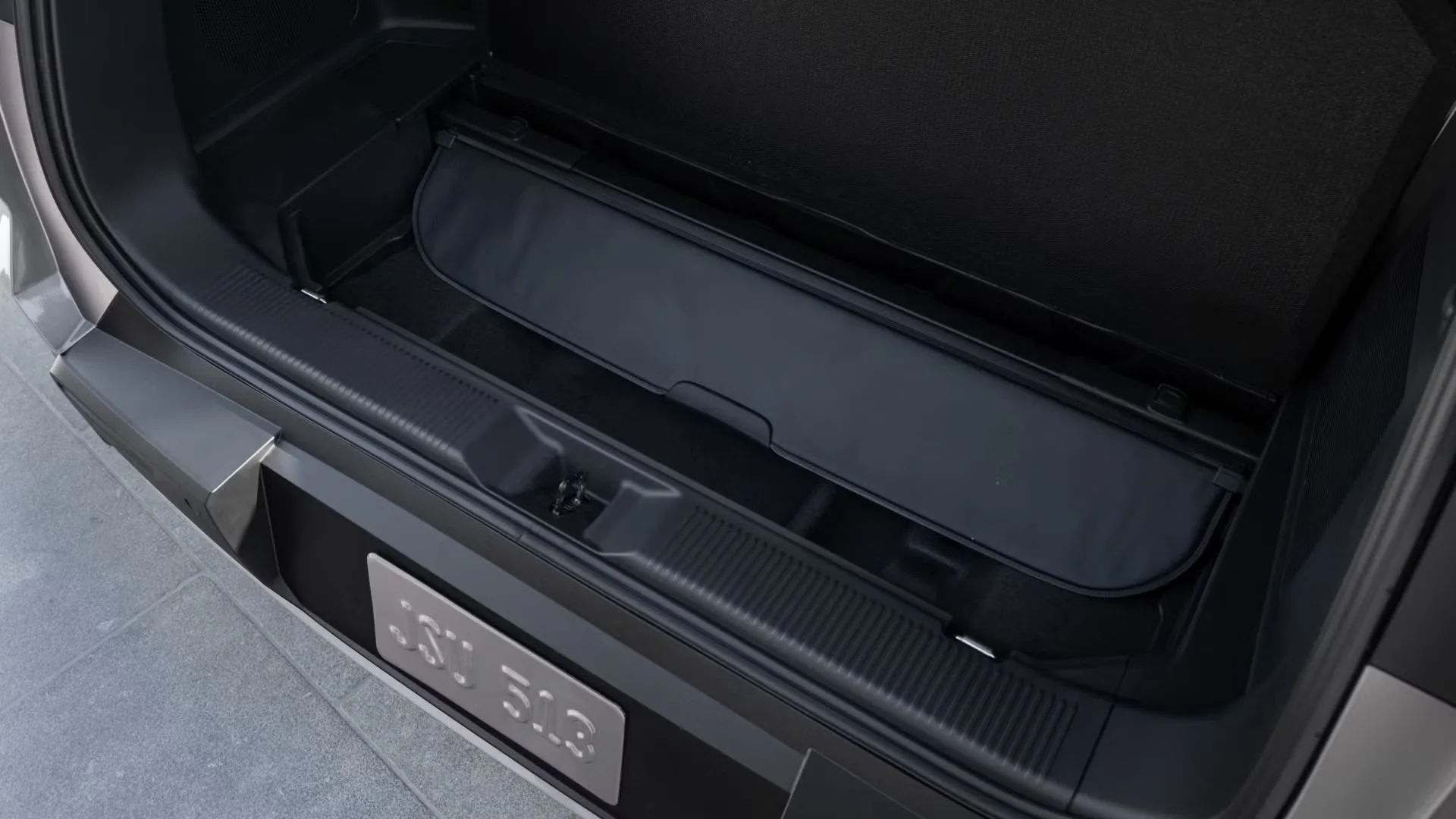
Photo by Toyota(Highlander Press Release)
Since the 2027 Toyota Highlander hasn’t hit roads yet, we don’t have real driving impressions — but from what Toyota has shown and based on the structural changes, I’m confident it will deliver a refined on-road experience. Toyota has focused on reducing cabin noise and enhancing overall refinement.
Key Focus: Insulation
Toyota has integrated noise-absorbing materials in areas like door panels, front pillars, wheel wells, roof, and underfloor — all with the explicit goal of minimizing wind and road noise.
Electric vehicles inherently generate less mechanical noise than their internal-combustion counterparts, but they can also be prone to wind and tire noise at higher speeds. Toyota appears to have acknowledged this and engineered the cabin to counteract these elements.
Is it Practical?
Practicality has always been one of the Highlander’s strongest selling points. Unlike some EVs that sacrifice utility for sleekness, the 2027 Toyota Highlander still manages to give real usable space for families.
- Behind 3rd row: Around 15.9 cubic feet of cargo space.
- 3rd row folded: Expands to approximately 45.6 cubic feet.
One thing I want to highlight from my POV is how Toyota hasn’t compromised everyday practicality in pursuit of electrification. The new EV platform’s longer wheelbase helps create a more spacious interior overall, and the cabin feels open and well-laid-out.
Vehicle-to-Load Capability
A first for Toyota in the U.S. is vehicle-to-load (V2L) capability. This feature allows the Highlander EV to act as a mobile power source, powering external devices, tools, or even serving as an emergency backup during power outages.
Imagine camping trips where you can power lights, coolers, and small appliances directly from the SUV — without needing a separate generator. V2L is especially valuable for outdoor enthusiasts and anyone who values peace of mind knowing their SUV can do more than just drive.
How Safe is the New 2027 Toyota Highlander?
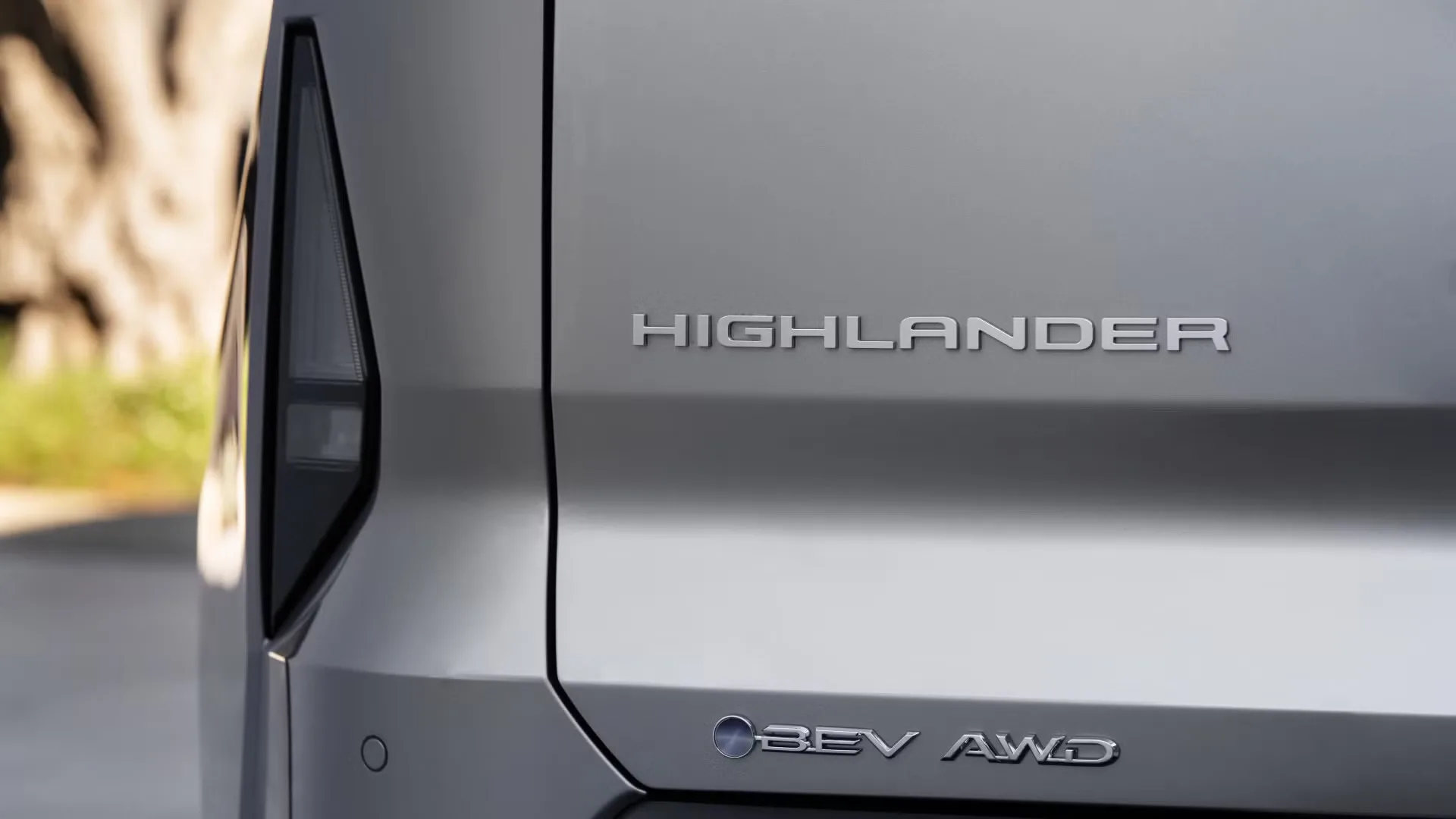
Photo by Toyota(Highlander Press Release)
Toyota has clearly invested heavily in making this SUV one of the safest three-row electric vehicles available. At the core of its safety suite is Toyota Safety Sense 4.0 (TSS 4.0) — the latest iteration of Toyota’s comprehensive driver-assist system.
Key Safety Features Standard on the 2027 Toyota Highlander:
- Pre-Collision System with Pedestrian and Bicyclist Detection
- Full-Range Dynamic Radar Cruise Control
- Lane Departure Alert with Steering Assist
- Lane Tracing Assist
- Automatic High Beams
- Road Sign Assist
- Blind Spot Monitor and Rear Cross-Traffic Alert
Is the 2027 Toyota Highlander Ready for Competition?
By the time the 2027 Toyota Highlander hits showrooms, the EV landscape will be even more crowded. Rivals like the Hyundai Ioniq 9 and Kia EV9 are sharpening their knives.
But Toyota brings something else to the table that many newer EV brands simply don’t have: trust and reliability. People who might be nervous about electric range often take comfort in Toyota’s history of reliability.
Warranty Perspective
Past Toyota EVs typically come with at least a 3-year/36,000-mile basic warranty and an 8-year/100,000-mile battery warranty, giving owners confidence that most issues will be addressed without headache.
Just like the Land Cruiser, Tacoma, Tundra, and 4Runner, the Highlander gains an edge simply by being a vehicle that buyers feel comfortable living with day in and day out.
Bottom Line
I’m honestly happy with how Toyota approached this. The 2027 Toyota Highlander isn’t just an electric SUV — it’s Toyota’s way of saying, “We’re ready for the future, but we’re not abandoning what made us great.”
Whether you’re looking at 2027 Toyota Highlander price or thinking about how it stacks up against rivals, it’s clearly a contender.
But if you’re still passionate about old-school Toyota SUVs with real character — like the Land Cruiser, Lexus LX, GX, or Tacoma, remember we’ve got you covered at Flex San Diego. Bring us your ride, and we’ll customize it exactly the way you envision.
Don’t Just Look — Feel the Drive
Take your favorite model for a spin through the streets of San Diego. Feel the performance firsthand.
Looking for a legendary Toyota?
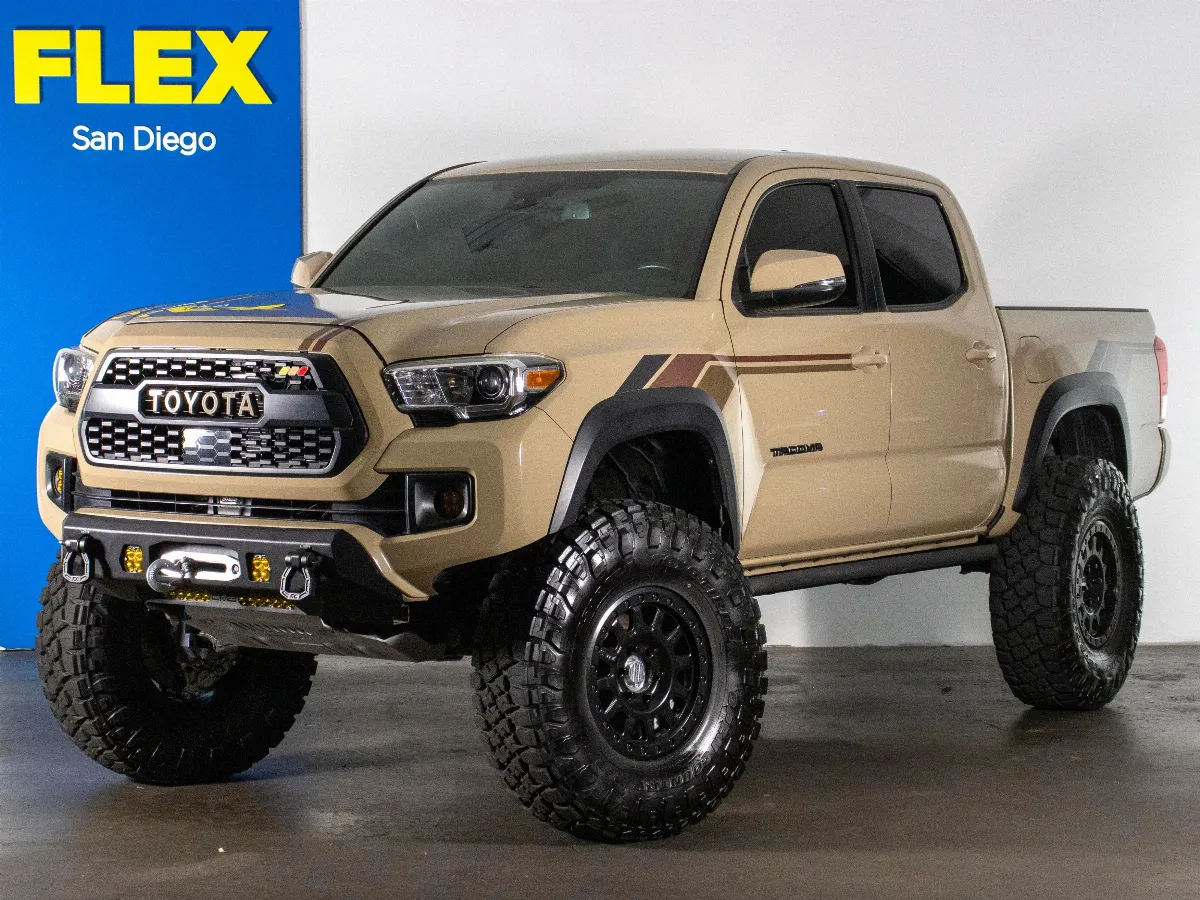 Featured Deal
2019 TOYOTA Tacoma Double Cab TRD Off-Road Pickup 4D 5 ft PRE OWNED
$90,080
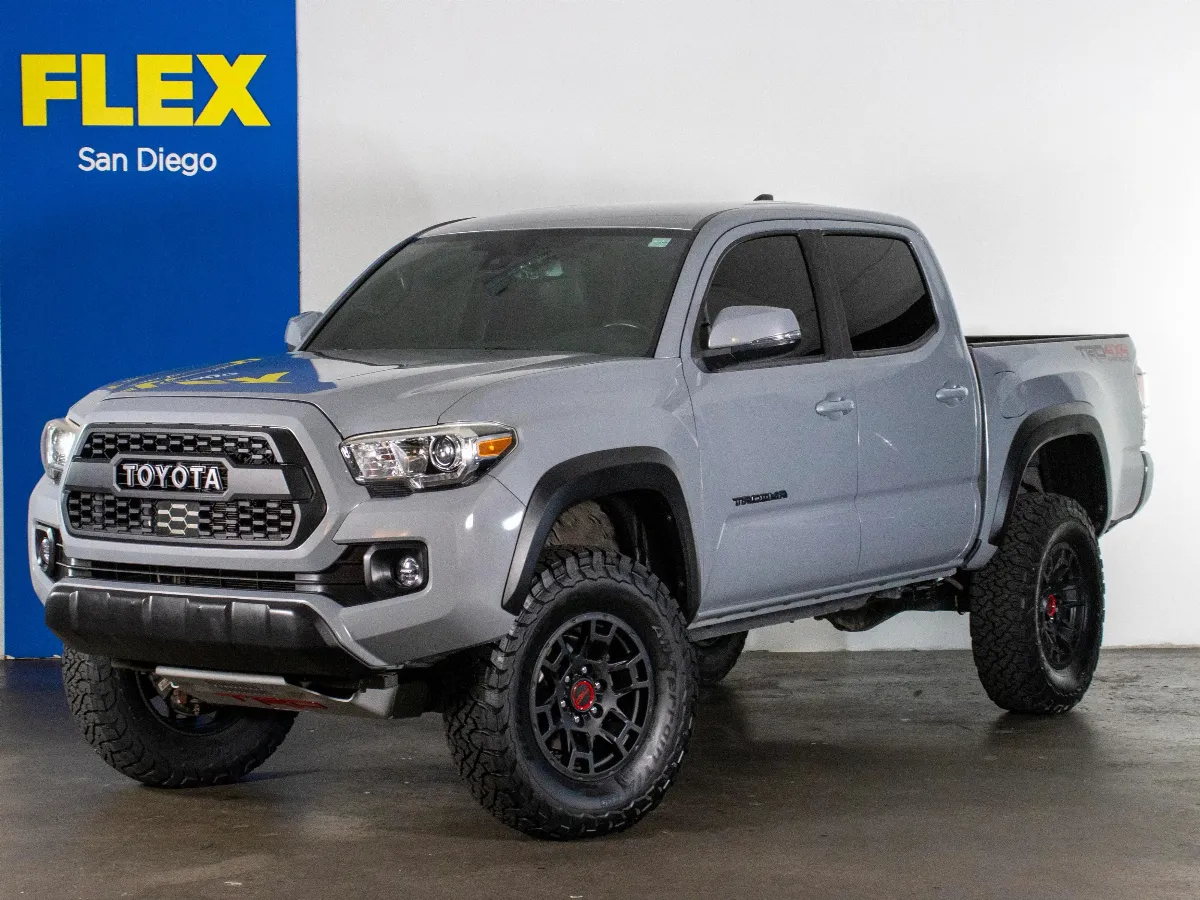 Featured Deal
2021 TOYOTA Tacoma Double Cab TRD Off-Road Pickup 4D 5 ft PRE OWNED
$59,080
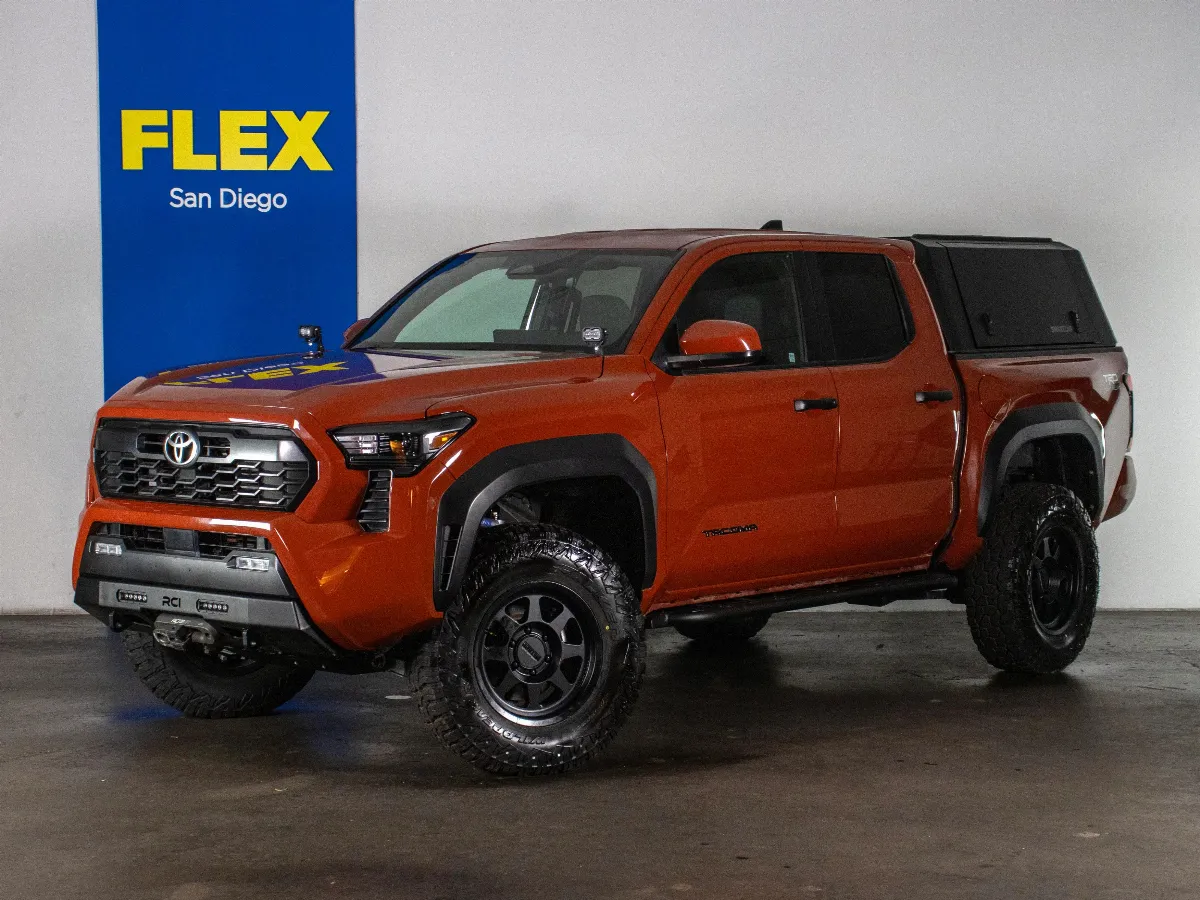 Featured Deal
2025 TOYOTA Tacoma Double Cab TRD Off-Road Pickup 4D 5 ft PRE OWNED
$75,080
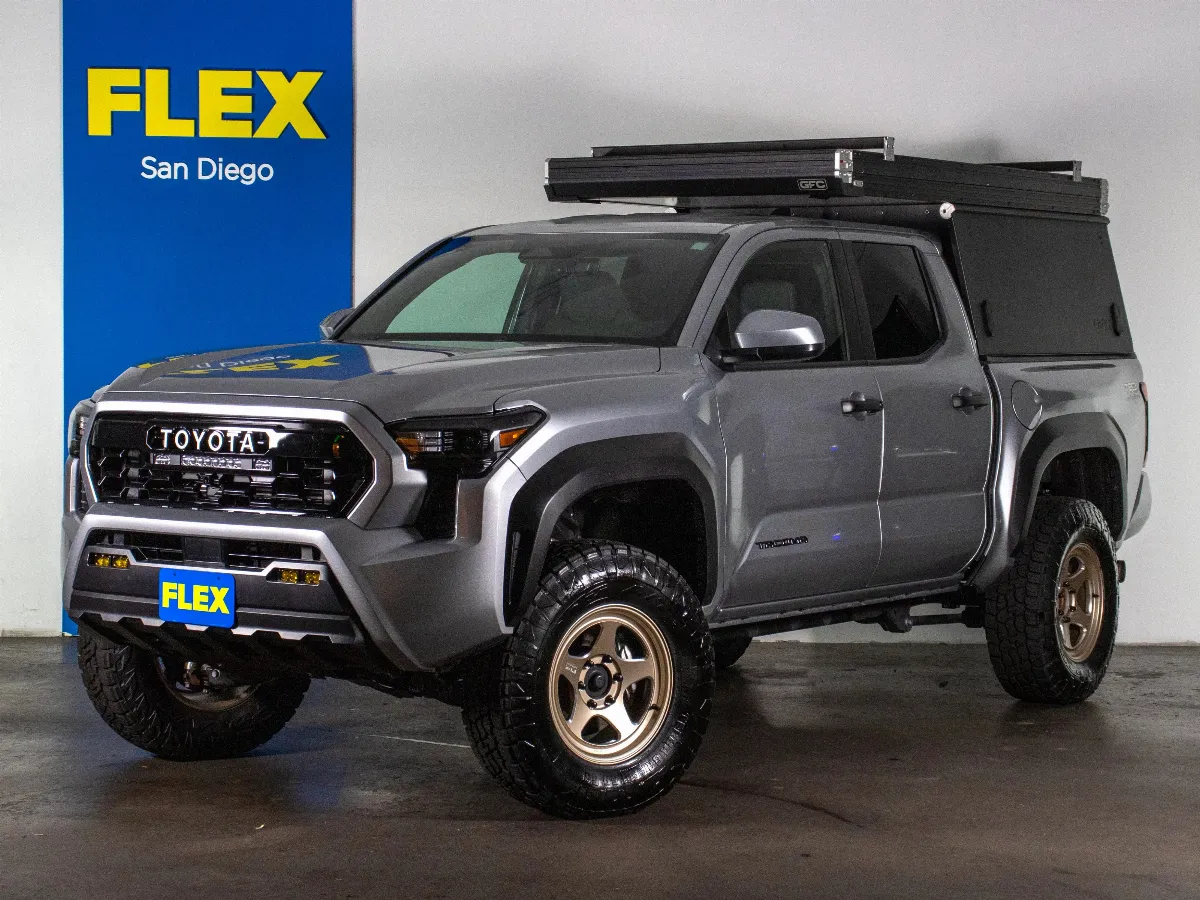 Featured Deal
2025 TOYOTA Tacoma Double Cab TRD Off-Road Pickup 4D 5 ft PRE OWNED
$68,080

