



The Toyota HiAce has been on the road since 1967, starting as a compact cab-over vehicle in Japan and eventually growing into a global van offered in countless body styles and configurations. Toyota built it for work and transportation, but over the years, enthusiasts found another use for it such as a practical platform for travel, camping, and life on the road.
That is what makes the HiAce so interesting to me today. A properly chosen JDM van can give you the space of a camper, the practicality of a commercial van, and the character of a Japanese-market vehicle that you rarely see on American roads.
Some versions even offer four-wheel drive, diesel engines, high roofs, and layouts that are almost made for vanlife. The catch is that importing one into the U.S. requires knowing exactly which model you can legally bring in and what to look for.
In this guide, I will break down the Toyota HiAce models, the 25-year import rule, 4×4 options, camper potential, pricing, and what makes a HiAce worth considering for your next adventure. So, let’s get into it!
- The Straight Answer
- Toyota HiAce US – An Overview
- Trims & Configurations
- Price (USD)
- Buying & Importing a Toyota HiAce in the US: FAQ
- Why the Toyota HiAce Is the Ultimate JDM Van for Vanlife?
- 1: A Shape That Makes Camper Conversions Easier
- 2: Cab-Over Design Means More Useful Interior Space
- 3: Toyota Reliability Fits the Vanlife Lifestyle
- 4: Factory 4WD Makes Adventure Travel More Interesting
- 5: You Can Build It Around Your Own Travel Style
- 6: Japan Already Has a Strong HiAce Camper Culture
- 7: Compact Size Makes It Easier to Live With
- 8: It Has Character That Modern Vans Often Lack
- Is the Toyota HiAce Legal in the US? (The 25-Year Rule Explained)
- Toyota HiAce Reliability & the Legendary 1KZ-TE Diesel Engine
- Looking for JDM Vans for Sale? Let Us Import Your Dream HiAce
The Straight Answer
The Toyota HiAce is one of the most versatile JDM vans for vanlife, especially for U.S. buyers who want something different from a modern camper van. Older HiAce models can become legally importable once they reach 25 years from their manufacture date.
The right model depends on your priorities: diesel or gasoline power, 2WD or 4×4 JDM van, passenger or cargo layout, and factory features. A well-chosen HiAce can work as a daily driver, adventure van, or JDM camper van. The key is understanding the generations, import rules, specifications, availability, and condition before buying.
| Specification | Toyota HiAce |
|---|---|
| Production history | 1967–present, across multiple generations and markets |
| Vehicle type | Cab-over / semi-bonnet van, passenger van, commuter, minibus, and related commercial configurations |
| Construction | Monocoque (Unibody) with built-in frame |
| Seating | Typically 2–17 passengers depending on body and configuration |
| Body styles | Standard, long, super-long, high-roof, wide-body, passenger, cargo, and commuter configurations |
| Drivetrain | 2WD or 4WD, depending on generation and market |
| 4WD availability | Available on selected JDM and overseas models; system type varies by generation |
| Engine types | Gasoline and diesel four-cylinder engines, depending on generation |
| Common JDM diesel engines | Examples include 2L/2L-T, 3L, 1KZ-TE, 1KD-FTV and later diesel families |
| Common gasoline engines | Examples include 1RZ-E, 2RZ-E, 3RZ-FE, 2TR-FE and other market-specific engines |
| Engine displacement | Roughly 1.8L–3.5L depending on generation and market |
| Transmission | Manual and automatic transmissions; specifications vary by generation |
| Front suspension | Varies considerably by generation; later models use independent front suspension |
| Rear suspension | Leaf-spring or coil-spring configurations depending on generation and body style |
| Steering | Power-assisted steering on later models |
| Brakes | Disc/drum combinations vary by generation, body, and equipment |
| Wheelbase | Approximately 2,285–3,110 mm (90–122 in), depending on body configuration |
| Overall length | Approximately 4,300–5,400 mm (Note: Newer/global H300 models can reach 5,915 mm in length with a 3,860 mm wheelbase.) |
| Overall width | Approximately 1,690–1,880 mm (67–74 in), depending on generation and body |
| Overall height | Approximately 1,890–2,285 mm (74–90 in), depending on roof and body configuration |
| Fuel type | Gasoline or diesel |
| Fuel tank – recent 2.8L diesel | 70 liters (18.5 U.S. gallons) |
| Fuel tank – recent 2.7L gasoline | 70 liters (18.5 U.S. gallons) |
| Camper suitability | Strong platform for camper and overlanding conversions, particularly long-wheelbase/high-roof models |
| U.S. availability | Primarily through JDM import for configurations not officially sold in the U.S. |
Toyota HiAce US – An Overview
Toyota introduced the HiAce in Japan in 1967 as a cab-over vehicle designed primarily for commercial transportation. From the beginning, Toyota offered it in several configurations, including vans, commuters, and trucks, with the focus on carrying people and cargo efficiently. That practical foundation has remained part of the HiAce identity for decades.
The nameplate has gone through major generations in 1967, 1977, 1982, 1985, 1989, 1995, and 2004, with each generation bringing changes in size, engines, comfort, safety, and body configurations.
Toyota’s reputation for durability also became a major part of the HiAce story. By 2019, Toyota stated that HiAce sales had surpassed 6.24 million units across more than 150 countries, with the van widely used for logistics, tourism, passenger transportation, and private use.
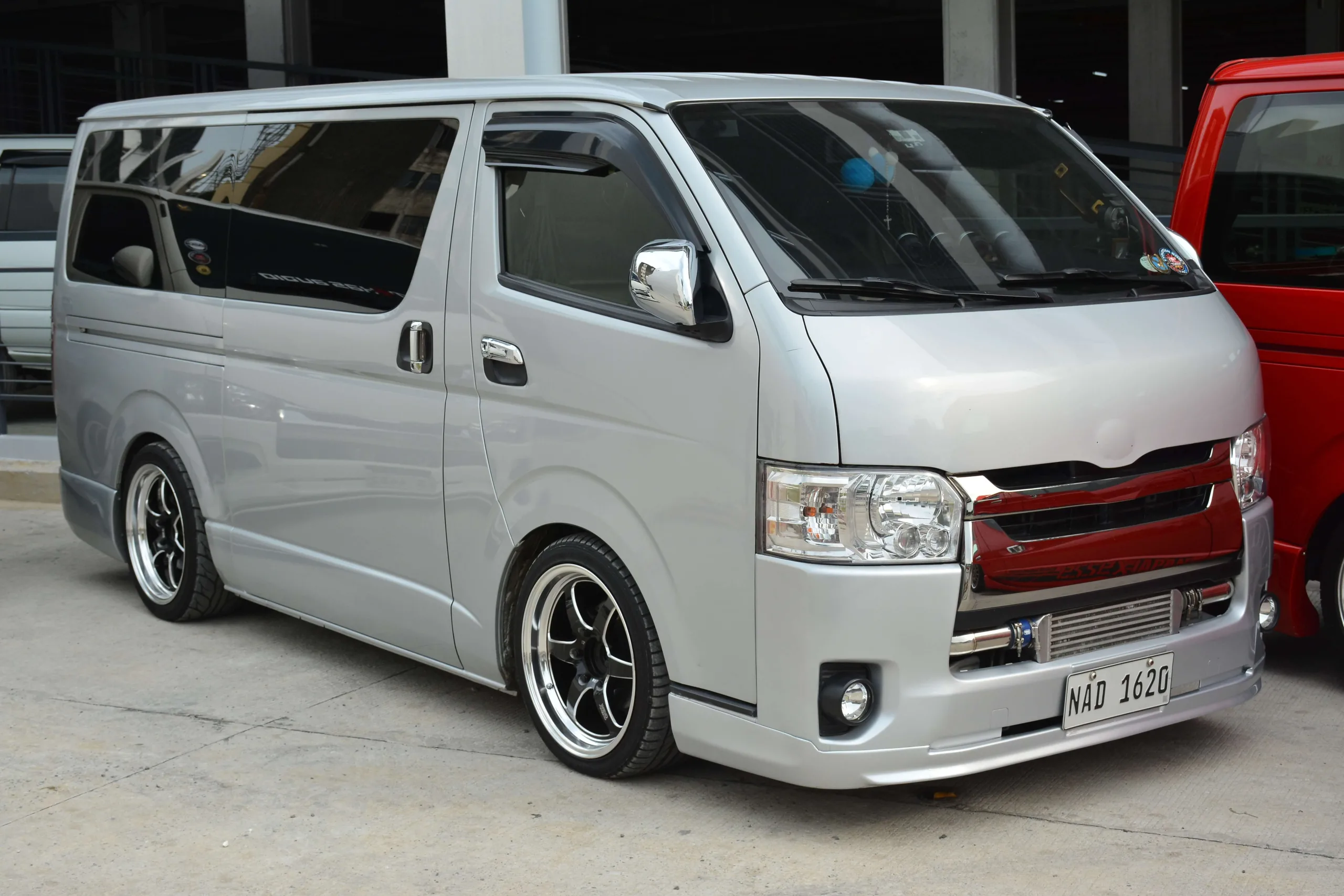
JDM HiAce vs. U.S. Market
This distinction matters for American buyers. The HiAce was not part of Toyota’s regular U.S. lineup. So the JDM examples attracting American vanlife enthusiasts are imported vehicles rather than U.S.-spec HiAce models. Japan has offered configurations such as the HiAce Van, Wagon, and Commuter, with different powertrains, roof heights, wheelbases, seating layouts, and optional 4WD systems depending on the generation.
For U.S. vanlife, the older JDM models are particularly interesting because a HiAce becomes eligible for permanent import once it reaches 25 years from its actual date of manufacture, regardless of FMVSS compliance. That opens the door to older diesel, gasoline, high-roof, passenger, cargo, and 4×4 JDM van configurations that were never sold in America.
For me, that combination is what makes the HiAce special: it started as a hardworking commercial van, earned a global reputation for durability, and has now become an increasingly desirable platform for JDM camper and vanlife builds in the United States.
Powertrain
The Toyota HiAce has used a wide range of gasoline and diesel engines over its long production history, and the exact combination depends heavily on the generation and Japanese-market body style.
For a U.S. buyer looking at a JDM van, the fourth- and fifth-generation HiAce models are especially relevant because many are now old enough to qualify for import under the 25-year rule.
Anyhow, for the H100 fourth generation (1989–2004), Japanese HiAce models used several engines over the years. Earlier diesel versions included the 2.4L 2L/2L-T, followed by the 2.8L 3L and later 3.0L 1KZ-TE turbo-diesel.
Toyota introduced the 1KZ-TE in Japanese HiAce Wagon models during the 1993 update, and it remained an important diesel option through the H100 era. Gasoline choices included engines such as the 2.0L 1RZ-E, 2.4L 2RZ-E, and later 2.7L 3RZ-FE.
Moving forward, the H200 generation arrived in 2004, bringing a major change in engine technology. Early Japanese models used the 2.5L 2KD-FTV turbo-diesel, producing 109 PS, alongside the 2.0L 1TR-FE and 2.7L 2TR-FE gasoline engines.
With this generation, Toyota moved the diesel lineup toward the 3.0L 1KD-FTV. By 2007, the 1KD-FTV was offered in the HiAce with variable-nozzle turbocharging and improved emissions equipment, while the 2KD-FTV was phased out of relevant configurations.
Similarly, a more important upgrade came in late 2017, when Toyota replaced the 1KD-FTV with the newer 2.8L 1GD-FTV diesel in the Japanese HiAce. The 1TR-FE 2.0L and 2TR-FE 2.7L gasoline engines continued alongside it. Current Japanese-market HiAce models still use the 1GD-FTV diesel, while the 2.0L 1TR-FE and 2.7L 2TR-FE remain gasoline choices depending on body style.
Trims & Configurations
When planning to buy a JDM HiAce, the trim name alone does not tell you the whole story. As mentioned before, Toyota sold the HiAce in several distinct body and equipment configurations, and the available combinations changed by generation and model year.
This is especially important for U.S. buyers because the Japanese-market HiAce lineup is not the same as the U.S.-market van lineup. Toyota did not sell the HiAce as a regular new-vehicle model in the United States, so the configurations discussed here are primarily JDM specifications that may now be imported when they meet U.S. requirements.
For the H100 generation, buyers commonly encounter passenger-oriented versions such as Super Custom, Super Custom Limited, and other Wagon configurations. The Super Custom Limited, for example, could be equipped with the 3.0L 1KZ-TE diesel and full-time 4WD, making it particularly interesting as a period-correct JDM camper van platform.
The H200 generation, introduced in Japan in 2004, brought a clearer separation between the HiAce Van, HiAce Wagon, and HiAce Commuter. Within the Van range, DX is the work-focused configuration, while Super GL is the more comfort-oriented option.
Wagon models included DX, GL, and Grand Cabin, while the Commuter was designed primarily for passenger transportation. Toyota offered different wheelbases, roof heights, widths, seating capacities, engines, and 2WD/4WD configurations across these versions.
Toyota HiAce Trims and Configurations
| Configuration | Generation / Market Context | Typical Powertrain | Drive | Body / Roof | Typical Use |
|---|---|---|---|---|---|
| Super Custom | H100 JDM Wagon | Gasoline or diesel, depending on year | 2WD or 4WD | Passenger van; various body configurations | Family travel, touring, camper conversions |
| Super Custom Limited | H100 JDM Wagon | 1KZ-TE 3.0L turbo-diesel among available configurations | 4WD available | Passenger-oriented body, high equipment level | Premium touring, overlanding, camper conversion |
| DX | H200 JDM Van | 1TR-FE 2.0L gasoline, 2TR-FE 2.7L gasoline, or diesel depending on year | 2WD or 4WD | Long / Super Long; standard or high roof depending on configuration | Commercial use, cargo, conversion projects |
| Super GL | H200 JDM Van | 1TR-FE, 2TR-FE, 1KD-FTV, and later 1GD-FTV depending on year | 2WD or 4WD | Long or wide-body configurations; roof choices vary | Passenger/cargo use, premium vanlife builds |
| DX | H200 JDM Wagon | 2TR-FE 2.7L gasoline in representative early models | 2WD or full-time 4WD | Long, wide, mid-roof | Passenger transportation |
| GL | H200 JDM Wagon | 2TR-FE 2.7L gasoline | 2WD or full-time 4WD | Long, wide, mid-roof | Higher-spec passenger transportation |
| Grand Cabin | H200 JDM Wagon | 2TR-FE 2.7L gasoline | 2WD or full-time 4WD | Super Long, wide, high roof | 10-passenger people mover, large conversion platform |
| DX Commuter | H200 JDM Commuter | 2.7L gasoline or diesel depending on model year | 2WD or 4WD | Super Long, high roof | Up to 15-passenger transportation |
| GL Commuter | H200 JDM Commuter | Gasoline or diesel depending on year/configuration | 2WD or 4WD | Super Long, wide, high roof | Premium passenger transport / conversion |
| Super Long / High Roof | Configuration rather than a standalone trim | Multiple engines depending on generation | 2WD or 4WD | Extended body with high roof | Camper, commercial, passenger use |
| Wide Body | Configuration rather than a standalone trim | Multiple engines | 2WD or 4WD | Wider body; roof height varies | Passenger space and camper conversions |
Generations
The Toyota HiAce has a long history, but for a U.S. buyer researching a JDM van, it is important to follow the van/wagon lineage rather than mixing it with the separate HiAce truck timeline.
Toyota’s official history identifies five main generations of the HiAce van: 1967, 1977, 1982, 1989, and 2004. The 1985 HiAce shown in some Toyota timelines refers to the truck line and should not be treated as a separate van generation.
1st Generation – H10 (1967–1977)
Toyota launched the HiAce in October 1967 as a compact cab-over vehicle for both commercial and passenger use. It came as a delivery van, wagon, commuter, and truck, with a 1.3L 3P gasoline engine producing 65 PS in the original representative models.
The early HiAce focused heavily on maximizing usable interior space while keeping the overall vehicle compact.
For today’s JDM market, first-generation HiAces are primarily collector vehicles rather than practical vanlife purchases. Their age, rarity, and limited original power make them very different from the diesel-powered HiAces most U.S. buyers are searching for.
2nd Generation – H20/H30/H40 (1977–1982)
The second-generation HiAce arrived in February 1977 with larger dimensions, improved cargo space, better ride comfort, and more body configurations. Toyota initially offered gasoline engines including the 1.6L 12R-J, 1.8L 16R-J, and 2.0L 18R-U. A 2.2L Type L diesel became available in July 1979, giving the HiAce its first diesel option in this generation.
This generation is historically important because it established the HiAce as more than a basic work van. However, examples today are uncommon, and finding one suitable for a modern JDM camper build can be difficult.
3rd Generation – H50/H60/H70 (1982–1989)
The third generation arrived in December 1982 and brought a more refined passenger-oriented HiAce. Toyota introduced the 1.8L 2Y and 2.0L 3Y gasoline engines alongside the L-series diesel, later adding the 2L. A four-speed automatic became available on gasoline models, while 4WD was introduced for vans and selected wagons in 1985.
This generation is particularly interesting to enthusiasts because the HiAce Wagon increasingly became a recreational vehicle in Japan. Toyota even offered high-end Super Custom configurations, including versions with sunroofs or moonroofs and coil-spring rear suspension.
4th Generation – H100 (1989–2004)
The H100 is one of the most important generations for today’s JDM market. Introduced in August 1989, it received new gasoline engines such as the 1RZ-E and 2RZ-E, along with the 2.8L 3L diesel.
Here it is also important to know that with this generation Toyota also offered increasingly upscale wagon configurations, while 4WD models became more sophisticated. In 1993, Japanese 4WD models moved from a part-time system to full-time 4WD with a sub-transmission.
Furthermore, the H100 later gained engines including the 1KZ-TE 3.0L turbo-diesel, which is one of the most desirable powertrains for enthusiasts looking for an older 4×4 JDM van. The combination of diesel torque, sturdy unibody construction, and passenger-oriented Super Custom configurations makes late H100 models particularly attractive for camper conversions.
When searching for these desirable 4×4 Toyota HiAce models, you will often encounter specific JDM chassis codes. For instance, the KZH106W (Wagon) and LH119V (Van) are legendary among enthusiasts, each offering a distinct setup.
The KZH106 is highly sought-after for its powerful 3.0L 1KZ-TE turbo-diesel and smooth full-time 4WD system. On the other hand, early-model van configurations like the LH119V feature the famously bulletproof 2.8L ‘3L’ naturally aspirated diesel engine paired with a rugged, mechanical part-time 4WD system with a sub-transmission (low range)—making it a favorite for pure off-road durability.
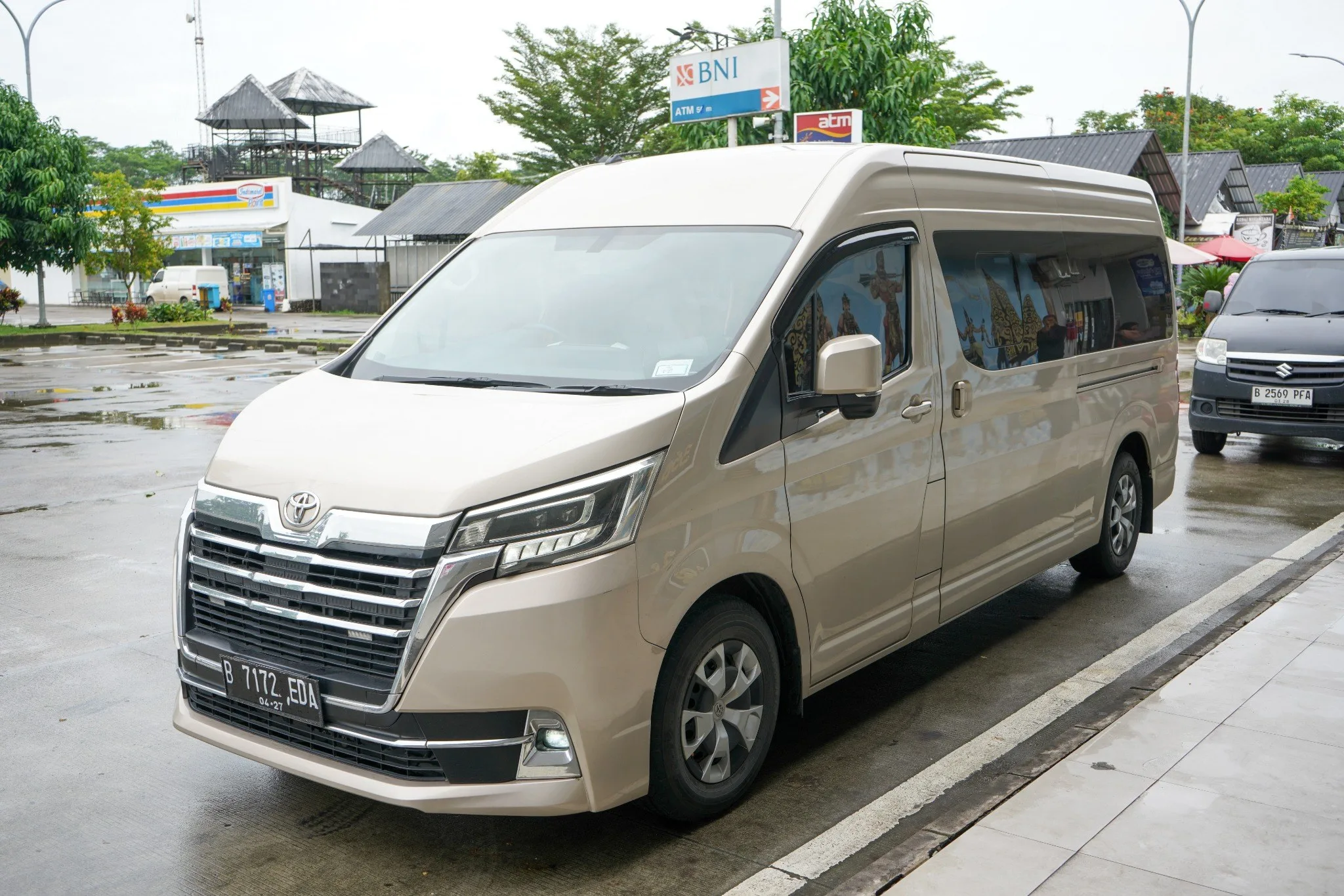
5th Generation – H200 (2004–Present)
The H200 arrived in August 2004 and remains the foundation of the Japanese-market HiAce lineup. Toyota separated the range more clearly into HiAce Van, HiAce Wagon, and HiAce Commuter, with different wheelbases, roof heights, body widths, and seating configurations. Toyota specifically noted that the new HiAce was suitable not only for cargo but also for campers and carrying large recreational equipment.
Early Japanese H200 models used engines such as the 2KD-FTV 2.5L diesel, 1TR-FE 2.0L gasoline, and 2TR-FE 2.7L gasoline. Later models moved to the 3.0L 1KD-FTV diesel and eventually the 2.8L 1GD-FTV. This generation offers the widest selection of modern JDM camper van configurations, including long, super-long, wide-body, and high-roof versions.
Toyota HiAce Generations and Major Powertrains
| Generation | JDM production period | Major gasoline engines | Major diesel engines |
|---|---|---|---|
| 1st – H10 | 1967–1977 | 1.3L 3P | — |
| 2nd – H20/H30/H40 | 1977–1982 | 1.6L 12R-J, 1.8L 16R-J, 2.0L 18R-U | 2.2L L |
| 3rd – H50/H60/H70 | 1982–1989 | 1.8L 2Y, 2.0L 3Y | 2.2L L, later 2.4L 2L |
| 4th – H100 | 1989–2004 | 2.0L 1RZ-E, 2.4L 2RZ-E and other market/year-specific engines | 2.4L 2L-T, 2.8L 3L, later 3.0L 1KZ-TE |
| 5th – H200 | 2004–present | 2.0L 1TR-FE, 2.7L 2TR-FE | 2.5L 2KD-FTV, 3.0L 1KD-FTV, later 2.8L 1GD-FTV |
MPG and Overall Reliability
There is no doubt about the fact that HiAce has a strong reputation for its durability, but I would not attach one MPG figure to every generation. Engine, body size, transmission, drivetrain, and even the Japanese testing method can change the result considerably.
If we deep in dively, we’ll find that for the current Japanese-market H200, Toyota rates the 2.8L 1GD-FTV diesel at 12.4 km/L (about 29.2 mpg U.S.) in 2WD and 11.3 km/L (about 26.6 mpg) in 4WD under Japan’s official test cycle.
The 2.7L gasoline version is lower, at 9.3 km/L (about 21.9 mpg) in 2WD and 8.9 km/L (about 20.9 mpg) in 4WD. These are laboratory figures, so real-world vanlife MPG will usually be lower, particularly with a camper conversion, roof equipment, passengers, and highway speeds.
Now, if we talk specifically about the reliability aspect, we have the Toyota badge at front, which says it all. So, like other Toyota offerings such as Land Cruiser, Hilux Surf, and Tundra, HiAce is also one of the most durable vans out there.
Toyota itself highlights the model’s long-standing reputation for reliability, while the platform’s commercial-vehicle roots mean durability and serviceability have always been priorities. So, It’s a reliable van and if you are able to find an old one in good condition, don’t hesitate in importing one.
Price (USD)
There are two very different prices to understand here: what a new HiAce costs in Japan today and what an eligible older JDM HiAce costs in the U.S.
The 2026 Toyota HiAce is not currently eligible for normal U.S. permanent import under the 25-year exemption because it is far too new. So, keeping this fact aside, the 2026 HiAce Van (In Japan) starts at ¥2,860,000, while the range extends to ¥4,683,800, depending on configuration.
At roughly ¥159 per U.S. dollar, that works out to approximately $18,000–$29,500 USD before any Japanese-market costs, taxes, shipping, or U.S. import expenses.
For American buyers, the practical JDM market is therefore focused on older HiAces that have reached the 25-year threshold. Current marketplace data puts the broader imported HiAce market around $7,000–$65,000, although that includes a wide range of years, conditions, campers, and highly desirable 4WD models.
For an H100 HiAce from the late 1990s or early 2000s, I would budget roughly $12,000–$20,000 for a clean, usable example, with desirable 4WD diesel vans and professionally maintained camper-ready examples often reaching $20,000–$40,000+ in the U.S. market. As a real-world reference, a U.S. dealer currently lists a 1999 HiAce Living Saloon EX with the 1KZ-TE and full-time 4WD at $15,500.
These figures are vehicle prices, not a complete landed cost. Shipping, import processing, port fees, compliance work where applicable, registration, taxes, and any camper conversion can substantially change the final amount.
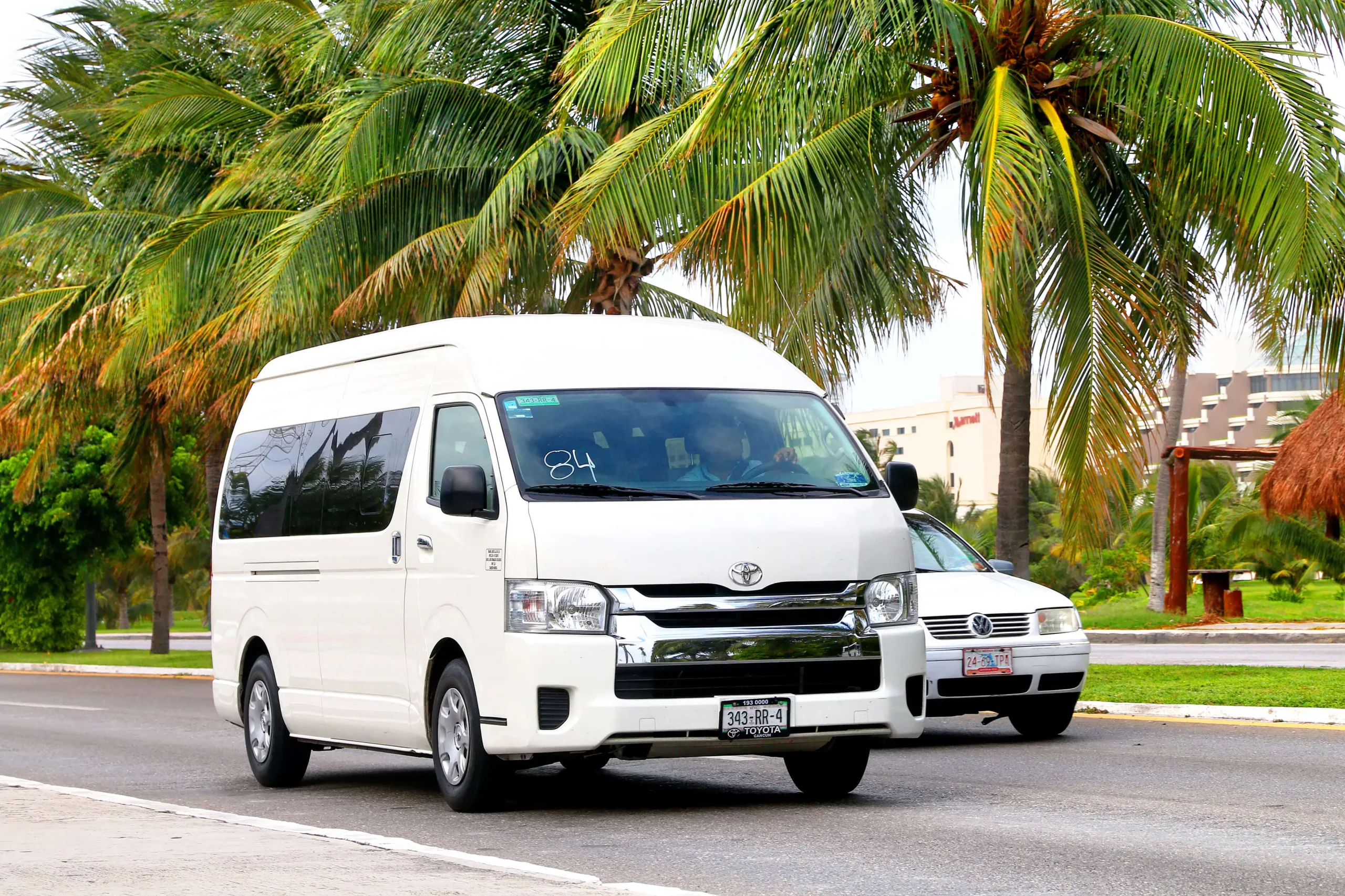
Buying & Importing a Toyota HiAce in the US: FAQ
Navigating the rules around JDM imports can raise a lot of questions for American buyers.
1: Is the Toyota HiAce Available in the US?
The short answer is not as a regular new Toyota model. We’ve already mentioned that Toyota has not sold the Japanese-market HiAce through its normal U.S. dealer network, so the HiAces American buyers see are generally JDM imports.
That distinction matters because the vehicle you find in Japan may have specifications, engines, seating layouts, and 4WD systems that were never offered here.
For me, the most important part is understanding which HiAce you can actually bring into the country. NHTSA allows a vehicle that is at least 25 years old from its date of manufacture to be permanently imported without having to meet the Federal Motor Vehicle Safety Standards that apply to newer nonconforming vehicles. The rule is based on the actual manufacture date, not simply the model year.
That is why older JDM vans are the realistic route for an American buyer. As each HiAce reaches the 25-year threshold (more on it later), another group of Japanese-market configurations becomes eligible for import. This can include diesel vans, high-roof models, passenger versions, and 4×4 JDM vans that were never sold in America.
There is an important distinction here: 25 years old makes the vehicle eligible under the federal safety exemption, but it does not mean every part of the import and registration process is automatically complete. The vehicle still needs the appropriate import declarations, and buyers should also account for EPA requirements and their state’s title and registration rules.
So, if you are looking for a Toyota HiAce in the US, you are really shopping the JDM import market. That gives you access to some excellent older HiAce models, but the exact manufacture date and vehicle documentation should be verified before you purchase.
2: Can You Import a New Toyota HiAce Under the 25-Year Rule?
Yes. You can permanently import a Toyota HiAce into the USA, but the vehicle’s age is the key factor. For a JDM HiAce that was not originally built to U.S. safety standards, NHTSA allows permanent import once the vehicle is at least 25 years old from its date of manufacture. The important detail is that the clock runs from the actual manufacture date, not simply the model year.
As we covered above, this is why older JDM vans are the realistic choice for American buyers. A HiAce that has reached the 25-year threshold can enter without having to comply with the Federal Motor Vehicle Safety Standards that apply to newer nonconforming vehicles. You still need to complete the required import declaration and customs process.
There is also an EPA side to the process. EPA uses a separate 21-year emissions provision, and the vehicle generally needs to retain its original configuration to qualify for that exemption. EPA still requires the appropriate declaration at entry. So, the 25-year DOT rule should not be interpreted as meaning you can simply ship any HiAce into the country without paperwork.
For me, the safest approach is to verify the exact manufacture date, chassis/model code, engine, and import documentation before buying. That matters even more with a JDM camper van, because extensive modifications or an engine swap can affect the applicable requirements.
So yes, you can import a Toyota HiAce to the USA. The real question is which HiAce qualifies today and whether its documentation and configuration are suitable for legal entry and registration.
3: Why Is the Toyota HiAce Not Sold in the USA?
The Toyota HiAce was never part of Toyota’s regular U.S. lineup, and the reason is more complicated than simply saying Americans did not want it. The HiAce was developed primarily for markets where compact commercial vans and people movers are extremely popular. Japan, for example, has a very different van market from the United States.
Toyota has also developed the Sienna and other products specifically for North American buyers, rather than bringing the JDM HiAce over.
NHTSA confirms that a nonconforming vehicle under 25 years old generally cannot be permanently imported unless it qualifies through the applicable compliance process.
There is also the regulatory side. A vehicle sold new in the U.S. must meet applicable Federal Motor Vehicle Safety Standards (FMVSS) and emissions requirements. A JDM HiAce was not originally certified as a U.S.-market vehicle, so Toyota would have needed to engineer, test, certify, and support a U.S.-specific version.
Another factor often discussed in this regard is the 25% tariff on imported light trucks, commonly known as the Chicken Tax. That can make importing a commercial van such as the HiAce less attractive from a business perspective.
However, I would not describe the Chicken Tax as the single reason Toyota never sold the HiAce here. Market demand, certification costs, product positioning, and Toyota’s existing North American lineup all matter.
The same basic question comes up with the Toyota Hilux: Why can people around the world buy a Hilux, but Americans cannot simply walk into a Toyota dealership and buy one? The answer is similar.
The Hilux was developed for global markets, while Toyota developed the Tacoma for North America. U.S. safety and emissions certification, market strategy, and the tariff treatment of imported pickups make bringing the global Hilux into the U.S. a very different business proposition.
Therefore, for an American buyer today, the situation is actually more interesting than it sounds. As mentioned earlier, the 25-year rule has opened a legal route for older JDM HiAces. That means the question is no longer simply “Why can’t I buy one?” It becomes “Which HiAce has reached the required age, and which configuration makes sense for me?”
4: What Is the Equivalent of the Toyota HiAce in the USA?
I’d say there is no perfect one-to-one U.S. equivalent of the Toyota HiAce. The closest comparison depends on what you want the van to do. For a commercial cargo van, the Ford Transit, Mercedes-Benz Sprinter, and Ram ProMaster are the closest modern U.S.-market alternatives. For passenger transportation, Toyota’s Sienna is closer in purpose, but it is a very different vehicle from a HiAce.
To be honest, the HiAce occupies an unusual position because Toyota designed it around commercial work, passenger transportation, and compact packaging. JDM versions can offer diesel power, 4WD, high-roof bodies, long-wheelbase configurations, and passenger layouts that are difficult to match with a U.S.-market Toyota.
For vanlife, I would compare the HiAce with the Ford Transit or Mercedes-Benz Sprinter based on your priorities. A modern Transit gives you easier U.S. parts availability, dealer support, and factory configurations designed for American roads.
A Sprinter offers large dimensions and strong camper-conversion support. The HiAce brings something different: compact dimensions, JDM character, and access to older 4×4 JDM van configurations that can be imported once they meet the applicable age requirements.
That last point is important. A HiAce is not simply an old version of an American cargo van. It was engineered for a different market, so its driving position, dimensions, engines, and equipment can feel very different.
If your priority is easy ownership in America, a Transit or Sprinter makes more sense. If you want a distinctive JDM platform for a compact camper van or overland build, the HiAce is much harder to replace.
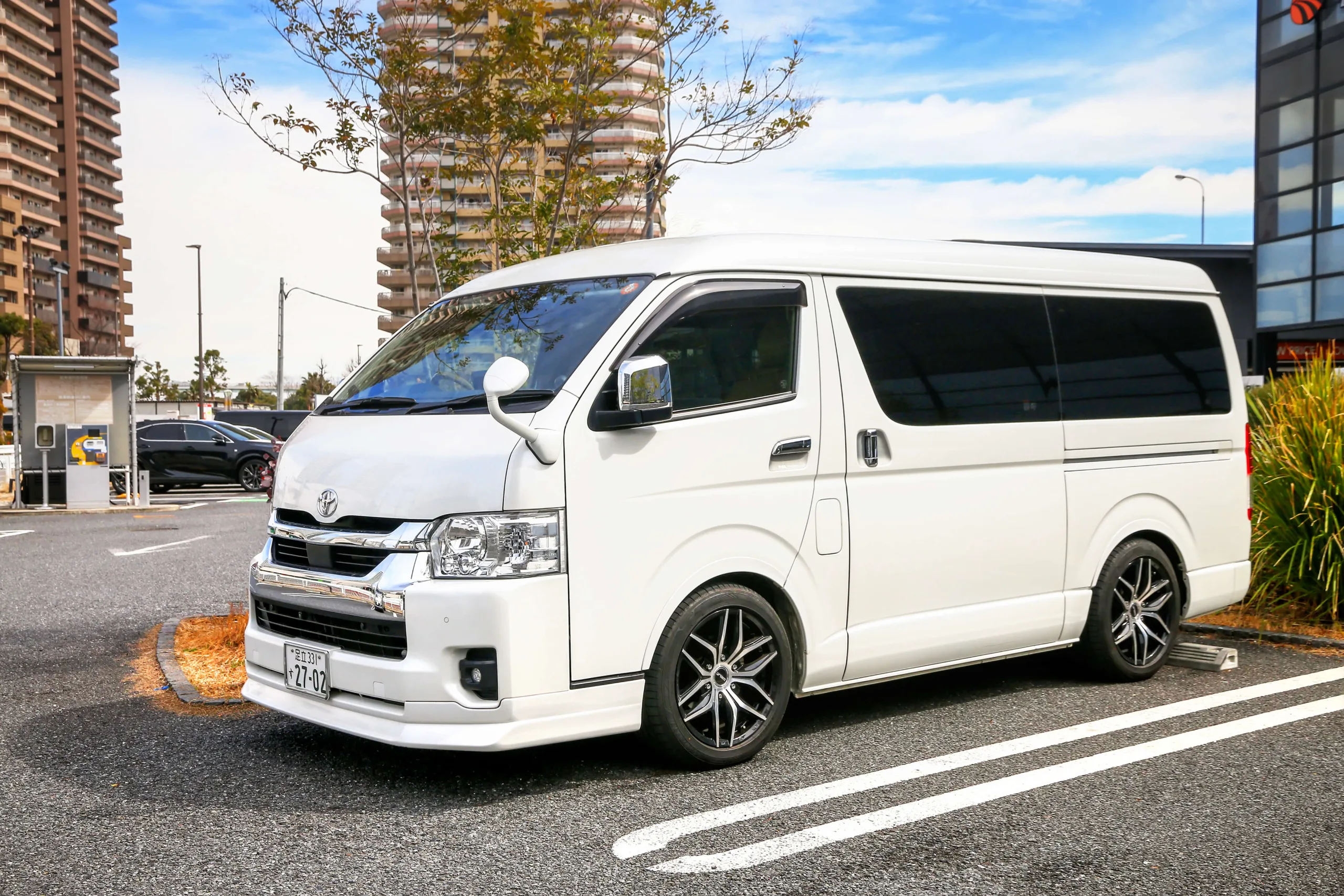
Living with a Right-Hand Drive (RHD) JDM Van in the US
Driving a Right-Hand Drive (RHD) Toyota HiAce on American roads is entirely legal under the 25-year rule, but it does come with a learning curve. While forward and left-side visibility is excellent thanks to the cab-over design, making left turns at busy intersections and overtaking on two-lane roads requires extra caution or blind-spot mirrors.
The biggest concern for most JDM van owners is parts availability. Fortunately, because the HiAce shares major mechanical components and engines like the 1KZ-TE with other global Toyota platforms, routine maintenance items are manageable. Working with an experienced importer like FLEX ensures you have a reliable network to source genuine Japanese parts when needed.
5: Can I Legally Drive a Toyota Hilux in the USA?
Yes, but the answer depends first on how the Hilux entered the country. You cannot simply buy a recent Japanese-market Hilux overseas and permanently import it into the U.S. as a normal road vehicle.
If a non-U.S.-specification vehicle is less than 25 years old, NHTSA generally requires it to meet applicable Federal Motor Vehicle Safety Standards or qualify through an approved import process. A vehicle that is at least 25 years old from its date of manufacture can be permanently imported without regard to FMVSS compliance.
There is also an EPA requirement. EPA has a separate age-based emissions exemption for vehicles at least 21 years old, subject to the applicable conditions, including the vehicle being in its original unmodified configuration. Importers still have to make the required EPA declaration.
At Flex San Diego, we help customers source JDM vehicles through our network of more than 50 dealerships in Japan. That includes rare Toyota models such as Hilux pickups, HiAce vans, Land Cruisers, and other JDM vehicles. Our team can help identify an eligible vehicle, verify its documentation, and handle the import process rather than leaving you to navigate the Japanese market alone.
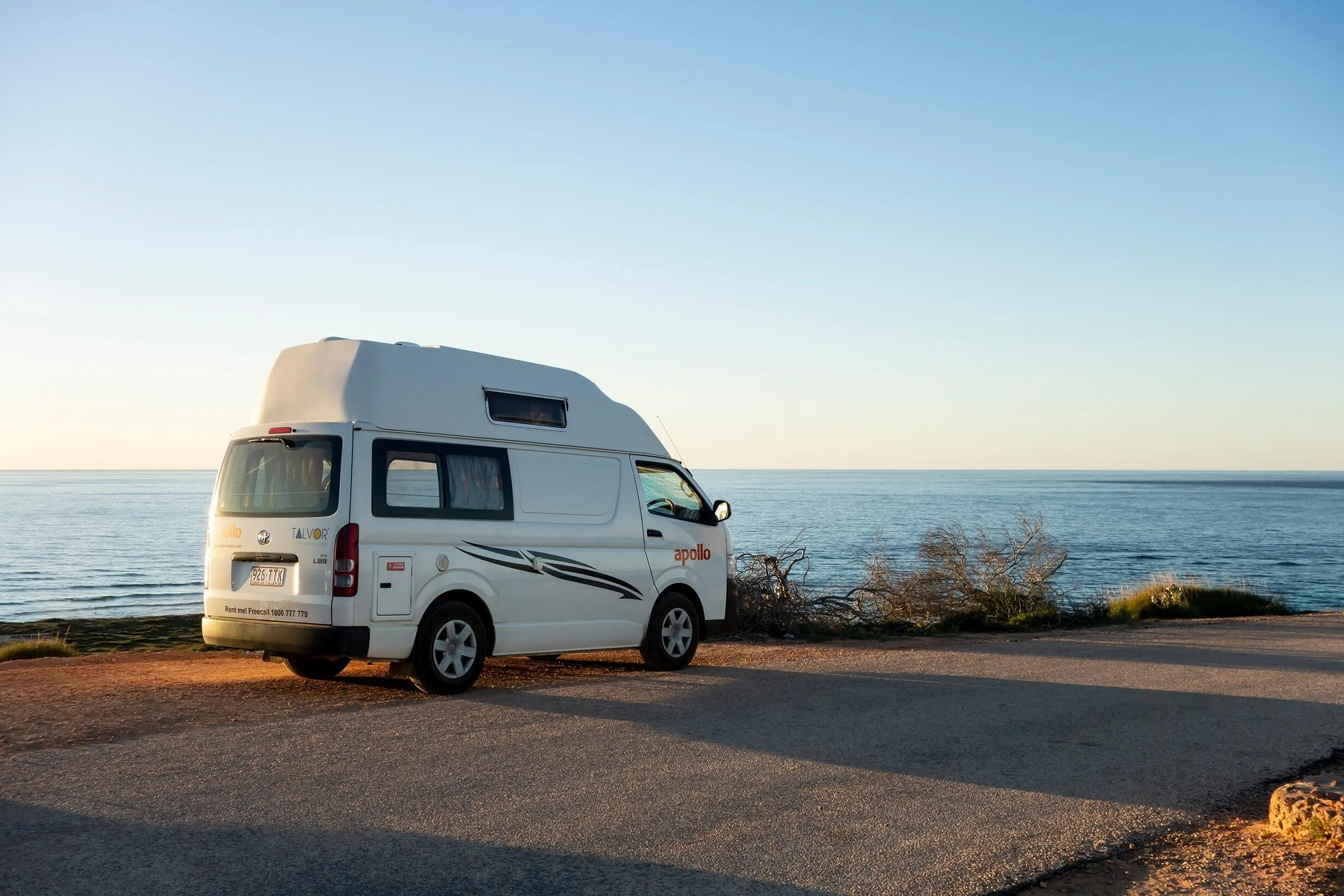
Why the Toyota HiAce Is the Ultimate JDM Van for Vanlife?
The Toyota HiAce was not originally created as a lifestyle vehicle, yet that is exactly why it works so well for vanlife. Its commercial roots gave it a practical shape, usable interior space, and a reputation for long-term durability.
In Japan, the HiAce has become one of the most popular foundations for van conversions, with industry data showing Toyota HiAce- and Nissan Caravan-based vehicles accounting for roughly half of camper vans in one Japanese market survey. The same qualities have also attracted a growing following among U.S. JDM enthusiasts.
1: A Shape That Makes Camper Conversions Easier
One of the biggest advantages of the Toyota HiAce is its boxy, practical body. You are working with a van designed to carry people or cargo, which gives you a much better starting point than trying to convert an SUV into a living space. Depending on the configuration, HiAce models offer different wheelbases, roof heights, and body lengths, allowing buyers to choose between a compact weekend camper and a larger setup with more room for a bed, storage, and basic living equipment.
Japanese vanlife owners regularly highlight the usable cargo area as one of the HiAce’s biggest strengths. One long-term family HiAce build, for example, describes enough rear space for a bed platform while retaining substantial storage underneath.
For me, this flexibility is what separates the HiAce from many ordinary vans. You do not need to copy someone else’s camper layout. A simple bed-and-storage build can work just as well as a more complete JDM camper van with solar power, refrigeration, and a kitchen.
2: Cab-Over Design Means More Useful Interior Space
The traditional cab-over layout is another major reason older HiAce models work so well for vanlife. Because the driver sits much farther forward, more of the vehicle’s overall length can be used for passengers, cargo, or a camper interior.
That might not sound important until you compare two vans with similar exterior dimensions. Owners in the U.S. HiAce community specifically point out that the cab-over design can provide significantly more usable interior length than a conventional van with a long hood.
This is especially valuable for American buyers who want a van for vanlife without driving something as large as a full-size Sprinter. A HiAce can remain relatively compact on the road while giving you a surprisingly useful interior. That makes it easier to park, maneuver through cities, and explore tighter roads without completely sacrificing camper space.
3: Toyota Reliability Fits the Vanlife Lifestyle
Vanlife is much more enjoyable when you spend your time traveling instead of waiting for repairs. This is where the HiAce has earned much of its reputation. Owners and enthusiasts consistently point to Toyota’s durability as a major reason for choosing the platform.
That does not mean every imported HiAce will be trouble-free. Many examples reaching the U.S. today are already 25 years old or older, so maintenance history, rust, cooling-system condition, and previous ownership matter enormously. Still, real-world owners have reported using older diesel HiAces for extended travel and long-distance camping, including trips across the United States.
In my opinion, the biggest advantage is the platform itself. The HiAce was built first as a hardworking vehicle. That gives a properly maintained example a strong foundation for a JDM camper, especially compared with buying a vehicle designed purely around passenger comfort and heavily modifying it afterward.
4: Factory 4WD Makes Adventure Travel More Interesting
A major attraction of selected HiAce models is the availability of factory 4WD. For vanlife buyers who plan to stay on paved highways, a 2WD HiAce may be perfectly adequate. But snow, loose surfaces, muddy campsites, and remote roads can change the equation quickly.
Japanese owners who have compared the two configurations note that the rear-wheel-drive HiAce can struggle when traction is poor because of its weight distribution, while 4WD provides much stronger traction in difficult conditions.
The U.S. owner’s experience tells a similar story. One imported 4WD HiAce owner described extended trips across the country and into areas where four-wheel drive proved useful, while another owner highlighted the capability of the platform for off-road travel.
That is why a 4×4 JDM van can be particularly appealing. You get a compact camper platform without giving up the ability to reach places that a conventional two-wheel-drive van might avoid.
5: You Can Build It Around Your Own Travel Style
The HiAce works because it does not force you into one definition of vanlife. Some owners build simple sleeping platforms that can be removed when the van needs to carry cargo. Others add solar panels, refrigerators, drawers, water systems, and full camping interiors.
A U.S.-based imported 1994 4WD HiAce build demonstrates this flexibility well. Its owner created a quick-deploy sleeping arrangement while continuing to use the van for family travel, with plans for additional storage and kitchen systems.
That is something I particularly like about the HiAce platform. You can start simple. A bed, basic storage, and portable power may be enough for weekend trips. Then, as your travel style changes, you can develop the conversion further. You are not required to spend tens of thousands of dollars on a finished camper before discovering if vanlife actually suits you.
6: Japan Already Has a Strong HiAce Camper Culture
The HiAce’s popularity as a camper platform is not just something created by the overseas JDM scene. Japan has a well-established culture of converting vans for camping and car-based travel, and the HiAce is one of the most recognizable vehicles in that space.
Japanese camping industry reporting has shown that HiAce- and Caravan-based conversions represent a significant share of van-based campers. More recent Japanese vanlife content also continues to showcase families and couples converting HiAce vans into practical tiny homes for extended trips.
For U.S. buyers, that history is valuable. You are not experimenting with a vehicle that nobody has tried to convert before. There are decades of ideas, layouts, accessories, and conversion concepts built around the HiAce. Many of those ideas can be adapted for an American JDM camper van.
7: Compact Size Makes It Easier to Live With
A large camper offers plenty of room, but it can also become difficult to park, maneuver, and use as an everyday vehicle. The HiAce offers a different approach. Depending on the generation and configuration, it can provide useful interior space while remaining more manageable than many full-size American camper vans.
This matters if your plan is not full-time vanlife. You might want one vehicle that can handle weekend camping, road trips, outdoor equipment, and regular driving. Owners have also described designing HiAce conversions with removable or foldable beds so the vehicle can continue serving practical everyday purposes.
For me, that versatility is a major selling point. A good JDM van should not feel useless when you are not camping. The HiAce can be configured as a travel vehicle one weekend and a practical people or cargo hauler the next.
8: It Has Character That Modern Vans Often Lack
Finally, there is something less measurable but still important: the HiAce has personality. Modern vans such as the Transit and Sprinter are highly capable, but an older JDM HiAce brings a completely different identity to a vanlife build.
U.S. owners frequently mention the attention these vans receive and the sense of individuality that comes with owning something rarely seen on American roads. Some describe their HiAce as a conversation starter, while others simply appreciate the distinctive JDM design.
That may not improve MPG or add cargo capacity, but it absolutely changes the ownership experience. Your camper becomes more than transportation.
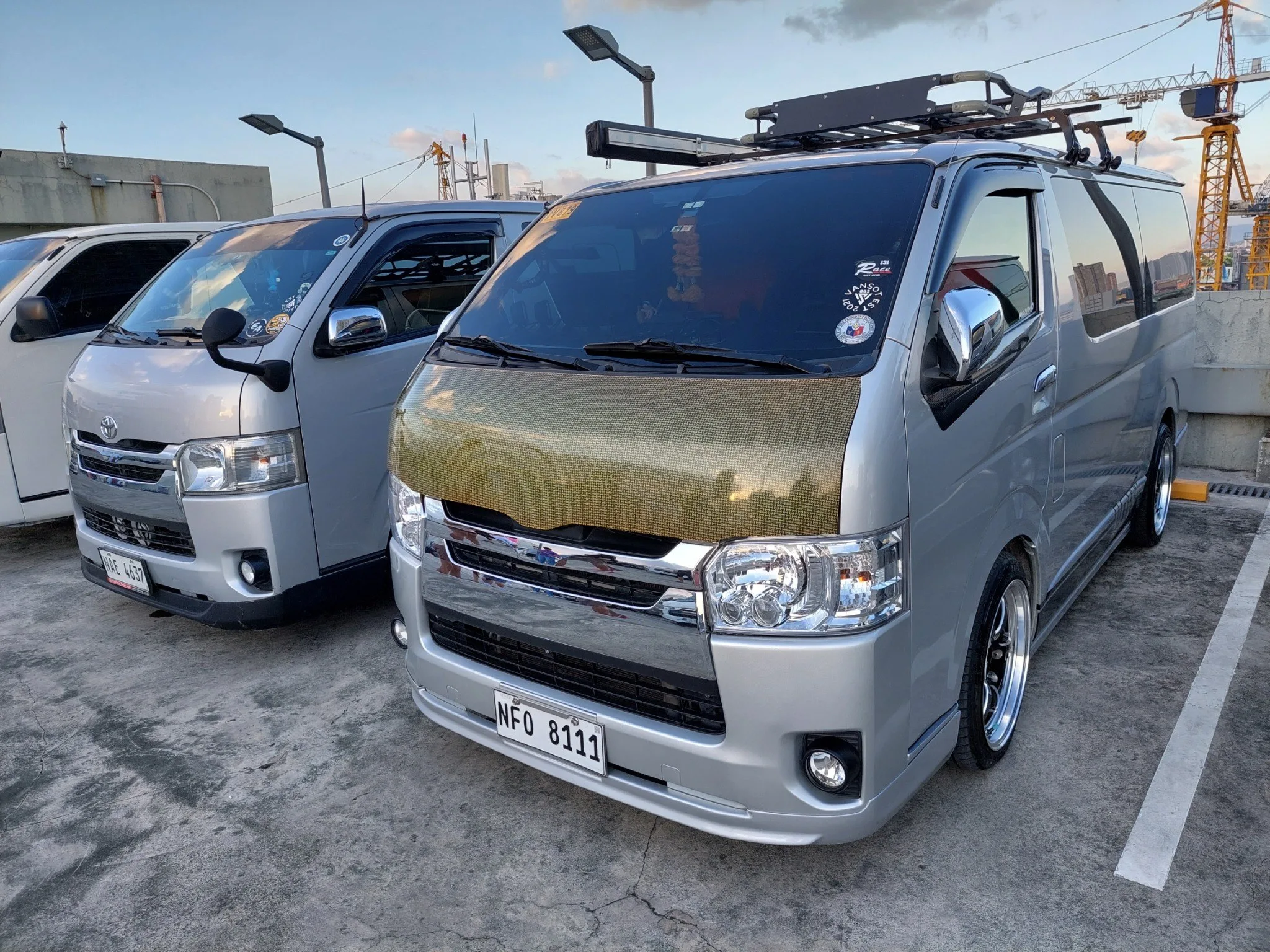
Is the Toyota HiAce Legal in the US? (The 25-Year Rule Explained)
Yes, an older Toyota HiAce can be legally imported and driven in the United States, provided it meets the applicable federal import requirements and can be registered under the rules of the state where you live.
As mentioned earlier, the HiAce was not sold as a regular U.S.-market Toyota van. That is why you cannot simply import a brand-new Japanese-market HiAce and register it as easily as a U.S.-spec vehicle. However, older JDM HiAce models have a different path available through the federal age exemptions.
The key point is simple: the vehicle’s actual date of manufacture matters. Once a non-U.S.-spec Toyota HiAce reaches the required age, it can qualify for the federal safety exemption commonly known as the 25-year rule. But the import process still involves Customs paperwork, EPA requirements, and state registration considerations.
The 25-Year Rule Explained
For U.S. buyers, the 25-year rule is the main reason older Toyota HiAce models have become realistic JDM imports.
Under the federal safety exemption, a vehicle that is 25 years old or older from its actual date of manufacture can generally be permanently imported without having to comply with the Federal Motor Vehicle Safety Standards (FMVSS) that apply to newer nonconforming vehicles. This is administered through the DOT/NHTSA import framework.
The Manufacture Date Matters More Than the Model Year
This is probably the most important detail for a buyer.
A vehicle being described as a “2001 Toyota HiAce” does not automatically mean it became eligible on January 1, 2026. The relevant 25-year period runs from the vehicle’s actual date of manufacture.
For example, imagine two vans both sold as 2001 models:
- HiAce A was manufactured in March 2001
- HiAce B was manufactured in November 2001
They do not necessarily become eligible at the same time. The manufacture date shown on the vehicle and its supporting documentation needs to be checked carefully before shipping it to the United States. CBP specifically advises importers that the 25-year period runs from the date of manufacture, which should be established through the manufacturer’s permanently affixed information.
For me, this is where buyers should slow down. A great deal on a JDM van is not a great deal if the vehicle cannot legally enter the country when you planned to import it.
The 25-Year Rule Does Not Mean “No Rules”
This is another common misunderstanding.
The 25-year exemption addresses the federal safety standards issue for qualifying older vehicles. It does not mean you can purchase a HiAce in Japan, put it on a ship, and ignore every other part of the process.
Importers still need to handle the appropriate federal entry documentation. CBP states that vehicle importers generally need to file the DOT HS-7 Declaration and the applicable EPA declaration, including EPA Form 3520-1 for vehicles covered by that form. Proper CBP entry documentation is also important later when registering the vehicle.
A properly documented import can involve:
- Proof of ownership
- Vehicle identification and manufacture-date information
- DOT/NHTSA import declaration requirements
- EPA import declaration requirements
- Customs entry and applicable duties
- CBP Form 7501 or other appropriate entry documentation
- State title and registration requirements
The exact process can depend on how the vehicle is imported and who handles the entry, so buyers should verify the requirements for their specific situation before shipping.
The EPA Rule Is Separate From the 25-Year Safety Rule
This is where things can become confusing because people often refer to everything as simply the “25-year rule.”
The EPA has a separate age-based provision for certain older vehicles. CBP explains that a vehicle can qualify for the relevant EPA exemption when it is at least 21 years old and remains in its original, unmodified configuration, subject to the applicable requirements. EPA also emphasizes that older vehicles using this provision need to meet its equivalency and configuration requirements.
That means a HiAce buyer should think about two separate federal frameworks:
DOT/NHTSA: The 25-year safety exemption.
EPA: A separate emissions framework that can apply to vehicles 21 years or older, with conditions regarding the vehicle’s original configuration and engine.
This is particularly important for a JDM camper van. A heavily modified vehicle or one with an engine swap deserves extra attention before import because modifications can affect how the applicable requirements are evaluated.
What HiAce Buyers Should Check Before Purchasing? (Buying Guide)
If you are searching for JDM vans for sale, I would not start by looking only at photos or the asking price. I would first verify the vehicle itself.
Before committing to a Toyota HiAce, check:
1. The exact manufacture date – Not just the advertised model year.
2. The chassis/model code – This helps identify the correct Japanese-market specification.
3. The engine code – Especially important for diesel HiAce models.
4. The original vehicle configuration – Particularly relevant to EPA requirements.
5. Ownership and export documentation – Make sure the vehicle has a clear paper trail.
6. Rust and overall condition – Age eligibility does not guarantee mechanical quality.
7. Your state’s registration rules – Federal import eligibility and state registration are separate steps.
This approach can save a buyer from one of the most frustrating situations in the JDM world: finding the perfect van first and discovering an import or documentation problem afterward.
Why Working With an Experienced JDM Importer Can Make a Difference
For buyers who do not want to handle the Japanese market alone, working with a dealership that understands JDM sourcing can simplify the process.
At Flex San Diego, this is part of what we do. Through our network of more than 50 dealerships in Japan, we can help source JDM vehicles based on the specifications a buyer actually wants. That can be especially useful with the Toyota HiAce because there are many possible combinations of generation, engine, drivetrain, roof height, body length, and configuration.
For example, one buyer may want a compact diesel HiAce for weekend vanlife, while another may be looking specifically for a 4×4 JDM van with a high roof and more interior space. Finding the right combination in Japan requires more than searching for the word “HiAce.”
Our role is to help buyers narrow down the right vehicle, verify the important details, and navigate the sourcing and import process with a clearer understanding of what they are buying.
Toyota HiAce Reliability & the Legendary 1KZ-TE Diesel Engine
The Toyota HiAce earned its reputation as a reliable van for a good reason. Toyota designed it first as a vehicle for commercial work, passenger transportation, and long-term use, so practicality and durability have always been central to the platform.
That does not mean every old HiAce is automatically reliable, especially now that many U.S.-importable examples are more than 25 years old. Condition and maintenance history matter just as much as the Toyota badge.
For me, the biggest reliability advantage is the HiAce’s relatively straightforward mechanical design, particularly on older models. A well-maintained van can be a strong long-term platform for travel, cargo use, or a JDM camper van.
However, buyers should carefully inspect rust, cooling systems, suspension components, transmission condition, and service records before assuming an imported HiAce is trouble-free.
One engine that deserves special attention is the 3.0-liter 1KZ-TE turbo-diesel.
The 1KZ-TE: More Than Just a HiAce Engine
Toyota used the 1KZ-TE across several popular vehicles, which helped make it one of the company’s best-known older diesel engines. Depending on the market and application, it appeared in vehicles including the Toyota HiAce, Hilux Surf, Tacoma, and Land Cruiser Prado. It is a 3.0-liter turbocharged diesel designed to deliver strong low-end torque rather than high-speed performance.
That low-end torque is particularly useful in a HiAce. A loaded passenger van or camper can be heavy, and diesel torque makes everyday driving, climbing, and carrying equipment easier than horsepower figures alone might suggest.
Key Things to Know About the 1KZ-TE
Strong low-end torque: The engine was designed for practical pulling power, making it well suited to loaded vans, SUVs, and 4WD applications.
Used across multiple Toyota platforms: Its use in the HiAce, Hilux Surf, Prado, and other Toyota applications helped build a large knowledge base among mechanics and enthusiasts.
Long service life is possible: Owner communities regularly report high-mileage examples, including engines exceeding hundreds of thousands of kilometers when properly maintained.
Cooling system maintenance is critical: This is the biggest point I would emphasize. Overheating can lead to serious engine damage, including cracked cylinder heads. Radiator condition, coolant, the fan system, and general cooling-system maintenance should be checked carefully.
It is not a modern common-rail diesel: The 1KZ-TE belongs to an older generation of diesel technology. That can mean a simpler ownership experience in some areas, but it also means you should expect the characteristics of a 1990s-era engine rather than modern diesel refinement.
Timing-belt maintenance matters: Service history is extremely important on an older imported vehicle. Buyers should confirm when major scheduled maintenance, including timing-belt-related work, was last completed rather than relying only on the odometer.
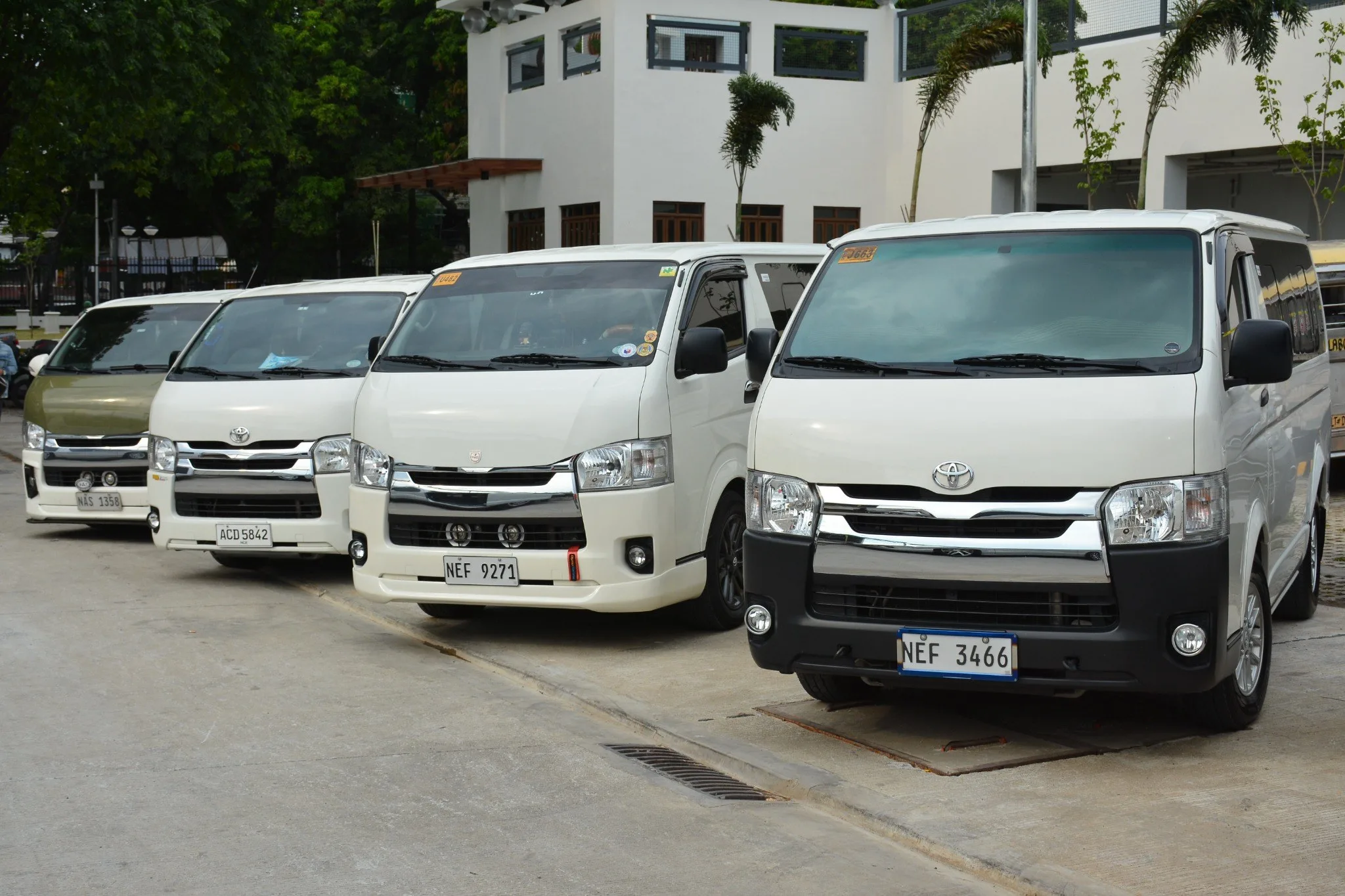
Looking for JDM Vans for Sale? Let Us Import Your Dream HiAce
Finding the right JDM camper van for sale is not always as simple as searching online and choosing the first Toyota HiAce you like.
As we covered throughout this guide, the HiAce came in many different generations, engines, body lengths, roof heights, seating layouts, and 2WD or 4WD configurations.
The right van for one person’s vanlife setup may be completely wrong for another. That is where we can help at Flex San Diego.
FLEX started its operations in Japan and has built decades of experience around iconic Toyota vehicles. Our automotive business in Japan specializes heavily in both the Toyota Land Cruiser and Toyota HiAce, with dedicated stores and expertise built around these platforms.
Through our extensive network in Japan, we can help source eligible JDM vehicles based on what you are actually looking for. Maybe you want a diesel-powered HiAce, a spacious high-roof van, or a capable 4×4 JDM van for camping and adventure travel. Instead of limiting yourself to whatever happens to be sitting at a local dealership, we can help you explore suitable options from Japan.
Our import process also goes beyond simply finding the vehicle. Flex’s Japanese vehicle inquiry process includes services such as pre-export inspection through a FLEX Japan dealership, transportation to the port, insured shipping, customs handling, and secondary inspection and detailing through Flex San Diego.
Of course, import eligibility always needs to be verified first. As mentioned earlier, the vehicle’s actual manufacture date and applicable U.S. requirements are critical when choosing a JDM import.
So, if you are searching for JDM vans for sale, a JDM camper van for sale, or a specific Toyota HiAce configuration, tell us what your ideal build looks like. From there, we can help you get closer to finding the right van, not just any van, for your next adventure.

