

When it’s time to upgrade your vehicle, one of the first decisions you’ll face is what to do with your current ride. The ultimate question usually comes down to this: when looking at a trade in vs sell scenario, which is right for you?
Each option has advantages depending on your priorities. Some drivers want the highest possible sale price. Others prefer speed, simplicity, and minimal paperwork. Understanding how these options differ helps you choose the one that perfectly fits your situation.
This guide breaks down the pros and cons of trading in, selling privately, and selling directly to a dealer so you can make a confident decision when upgrading your vehicle.
Why This Choice Really Matters
Many drivers assume selling privately is always the best financial move. In reality, the difference is not always as large as it seems once you factor in time, effort, taxes, and risk.
Trading in a vehicle is usually faster and simpler. The dealership handles the paperwork, title transfer, and loan payoff if you still owe money on the car. The value of the trade-in can also significantly reduce the purchase price of your new vehicle.
Selling privately can bring a higher sale price because there is no dealer margin involved. However, it requires much more effort. You must advertise the vehicle, communicate with buyers, arrange meetings, and handle payments safely—not to mention taking the photos, creating the listings, and finding the right local market.
Tax rules can also influence your decision. In many U.S. states, the value of a trade-in reduces the taxable price of the next vehicle. According to Nerd Wallet, this tax credit can sometimes offset a massive portion of the price difference between a trade-in and a private sale.
In short, deciding whether to trade in or sell depends on what you value more: maximum profit or maximum convenience.
Pros and Cons of Trading In Your Car
Trading in a car remains the most common option when purchasing another vehicle. It simplifies the transaction and allows both steps to happen in a single, streamlined visit.
Pros of Trading In
The biggest benefit is absolute convenience.
Trading in your car means the dealership handles nearly everything involved in the transaction. This includes:
- Title transfer
- Loan payoff coordination
- Vehicle inspection
- DMV paperwork and documentation
The process can often be completed on the same day. You drive in with your old vehicle and leave with your new one.
Another massive advantage is tax savings in many states. When the trade-in value is deducted from the purchase price of the next vehicle, you only pay sales tax on the remaining balance.
Example:
Vehicle price: $40,000
Trade-in value: $12,000
The taxable amount becomes $28,000 rather than $40,000. This tax difference can save hundreds or even thousands of dollars depending on your state’s tax rates.
Trading in is also significantly safer and simpler than meeting unknown buyers from online classifieds.
Cons of Trading In
The main downside is that trade-in offers are usually based on wholesale pricing.
Dealerships must account for reconditioning costs, resale risk, and inventory turnover. Because of this, trade-in offers are often lower than what a private buyer might pay. Despite the lower upfront price, many buyers still prefer the convenience, safety, and tax benefits of trading in.
Pros and Cons of Selling Your Car Privately
Selling your vehicle yourself can potentially produce the highest price, but it comes with a heavy set of additional responsibilities.
Pros of Private Sale
The primary advantage is the price.
When selling privately, you are negotiating directly with the buyer. There is no dealer markup involved, which means you can usually ask for a number closer to the retail market value. Private buyers are often willing to pay more because they are purchasing the vehicle for personal use.
Another benefit is full control over the sale process. You decide the listing price, when to sell, which buyer to accept, and how the negotiation works.
Cons of Private Sale
Selling privately requires significant effort. Most sellers need to:
- Take detailed, high-quality photos
- Write compelling listings across multiple platforms
- Answer messages and filter out scammers
- Schedule and supervise test drives
- Handle large payments securely
- Complete complex DMV paperwork
The process can take days or weeks. Safety is also a major concern; meeting unknown buyers requires caution.
Another major issue is financing. Many private buyers require loans, which complicates the sale process and can severely delay the closing. Because of these intense challenges, many drivers choose trade-ins even when private sales might offer slightly higher numbers on paper.
Selling Directly to a Dealer (Buy-Out)
Another option sits right between trade-ins and private sales: a dealer buy-out. Instead of trading the car toward another vehicle purchase, you simply sell the vehicle directly to the dealership for cash.
In many cases, the offer will be slightly higher than a traditional trade-in but still lower than a private sale, simply because the dealership needs room to recondition and resell the vehicle.
Most dealerships will still handle the vehicle inspection, title transfer, loan payoff, and payment processing. This option works perfectly for people who want to sell a car quickly but aren’t looking to buy a replacement vehicle right away.
Decision Checklist: Which Route Fits You?
Choosing whether to trade in or sell depends entirely on your current situation. Here are a few questions that can help guide your decision:
1. Do you need cash quickly?
If speed is your top priority, a trade-in or dealer buy-out is the best option. The transaction is often completed the exact same day.
2. Do you want the highest possible price?
If maximizing profit is your main goal and you have plenty of free time available, a private sale usually brings the highest gross value.
3. Do you still owe money on your car loan?
Trading in or selling directly to a dealer vastly simplifies the loan payoff process. The dealership works directly with your lender to settle the balance.
4. Are you selling a unique or modified vehicle?
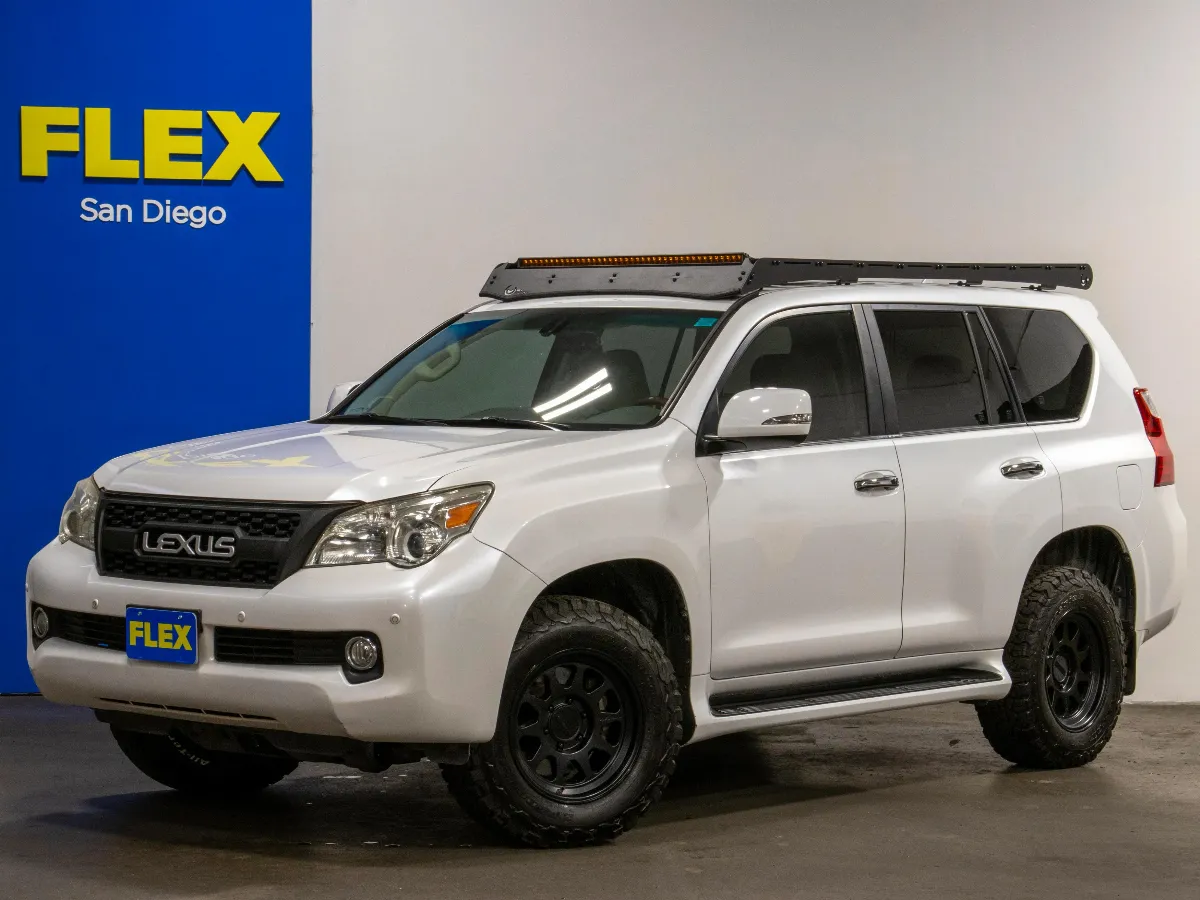
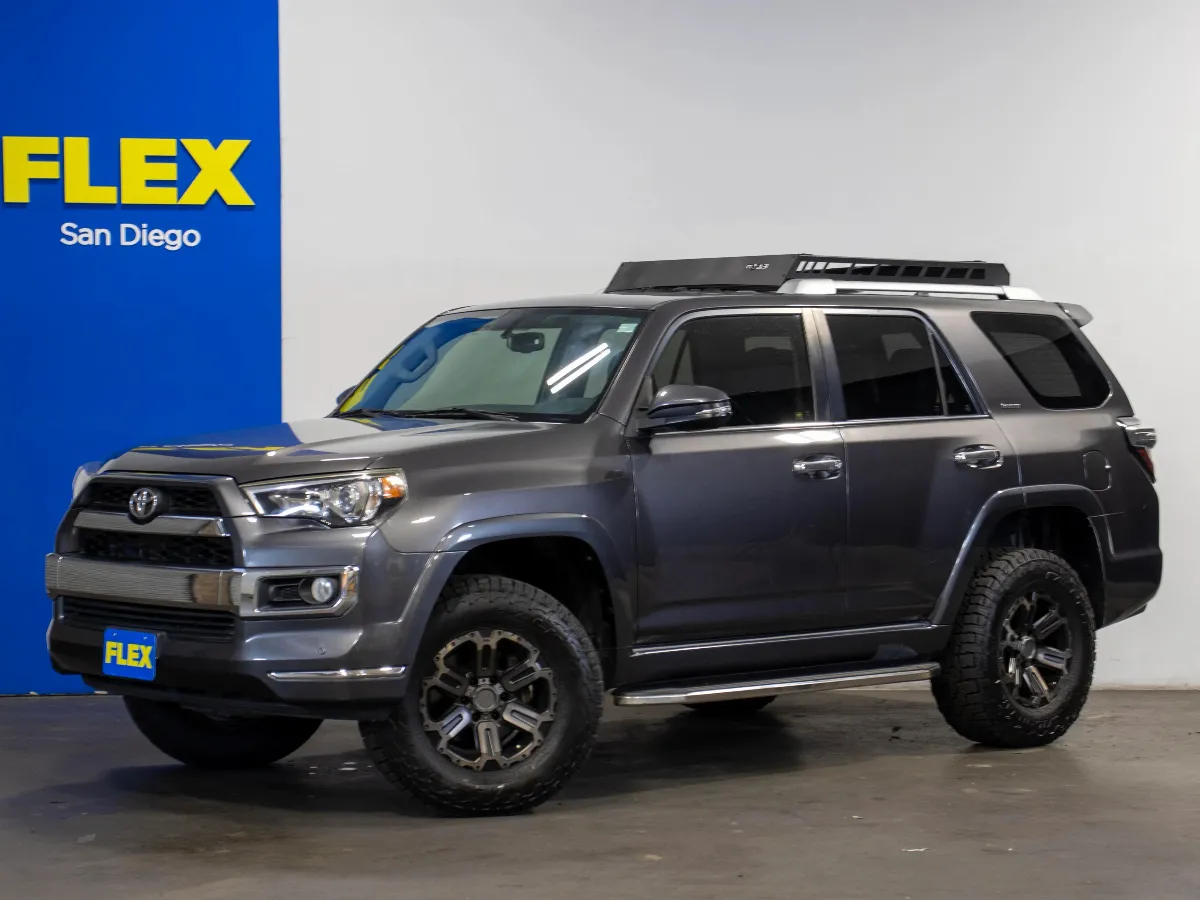
Cars that appeal to niche buyers—like a lifted Tacoma or a classic Land Cruiser—often perform well in private sales, as enthusiast buyers may be willing to pay a premium for specific modifications.
5. Do you want the easiest experience?
Trading in remains the simplest, most stress-free option because everything happens in one secure location.
Trade-In Tax Advantages (State Dependent)
One of the most overlooked benefits of trading in a vehicle is the potential tax savings. In many states, the trade-in value reduces the taxable purchase price of your next vehicle.
Example:
Vehicle price: $45,000
Trade-in value: $15,000
Tax is calculated on $30,000 instead of $45,000. At a 7% sales tax rate, this single rule reduces your tax bill by over $1,050.
According to the National Conference of State Legislatures, most U.S. states allow this deduction when purchasing from a licensed dealership.
Private sales typically do not provide this tax advantage. When you sell privately and then purchase another vehicle, the tax is calculated on the full purchase price of the new car. Because of this, the financial gap between trade-ins and private sales is often much smaller than buyers expect.
Why Trade In with FLEX
When choosing a dealership for a trade-in, transparency and experience matter. FLEX focuses on simplifying the trade-in process while providing highly competitive offers based on real-time market data.
Quick Online Estimate
Drivers can start with a quick estimate by submitting their vehicle details through the FLEX contact form. Providing information such as mileage, VIN, and condition helps us generate an approximate valuation before you even visit the dealership.
We Accept Financed Vehicles
Many customers still have active loans when upgrading. FLEX handles the loan payoff coordination directly with your lender. If the vehicle has positive equity, that value goes straight toward your next purchase. If there is a remaining balance, we can help incorporate it into the new financing.
Trade-In Value Applied to FLEX Inventory
Once the vehicle is inspected and the offer is finalized, your trade-in value can be applied directly toward any custom truck or SUV in the FLEX inventory, instantly lowering your purchase price.
Verdict
When upgrading your car, the decision between trading in, selling privately, or selling to a dealer comes down to your personal priorities.
Private sales generate the highest sticker price but require the most time, effort, and risk. Trade-ins and dealer buy-outs provide speed, convenience, and absolute safety. Plus, the tax rules in many states can narrow the price gap significantly by reducing the sales tax on your new vehicle.
If you are unsure which option makes the most sense, the best approach is simple: compare a private sale estimate with a dealership trade-in quote. Ready to see what your vehicle is worth and upgrade your ride? Contact FLEX today for a transparent, no-pressure valuation.
Vehicles for sale
Find Out What Your Car Is Worth
Get a competitive, no-obligation offer today. Whether you trade it in for a custom Toyota or sell directly to us, FLEX makes the process fast and hassle-free.