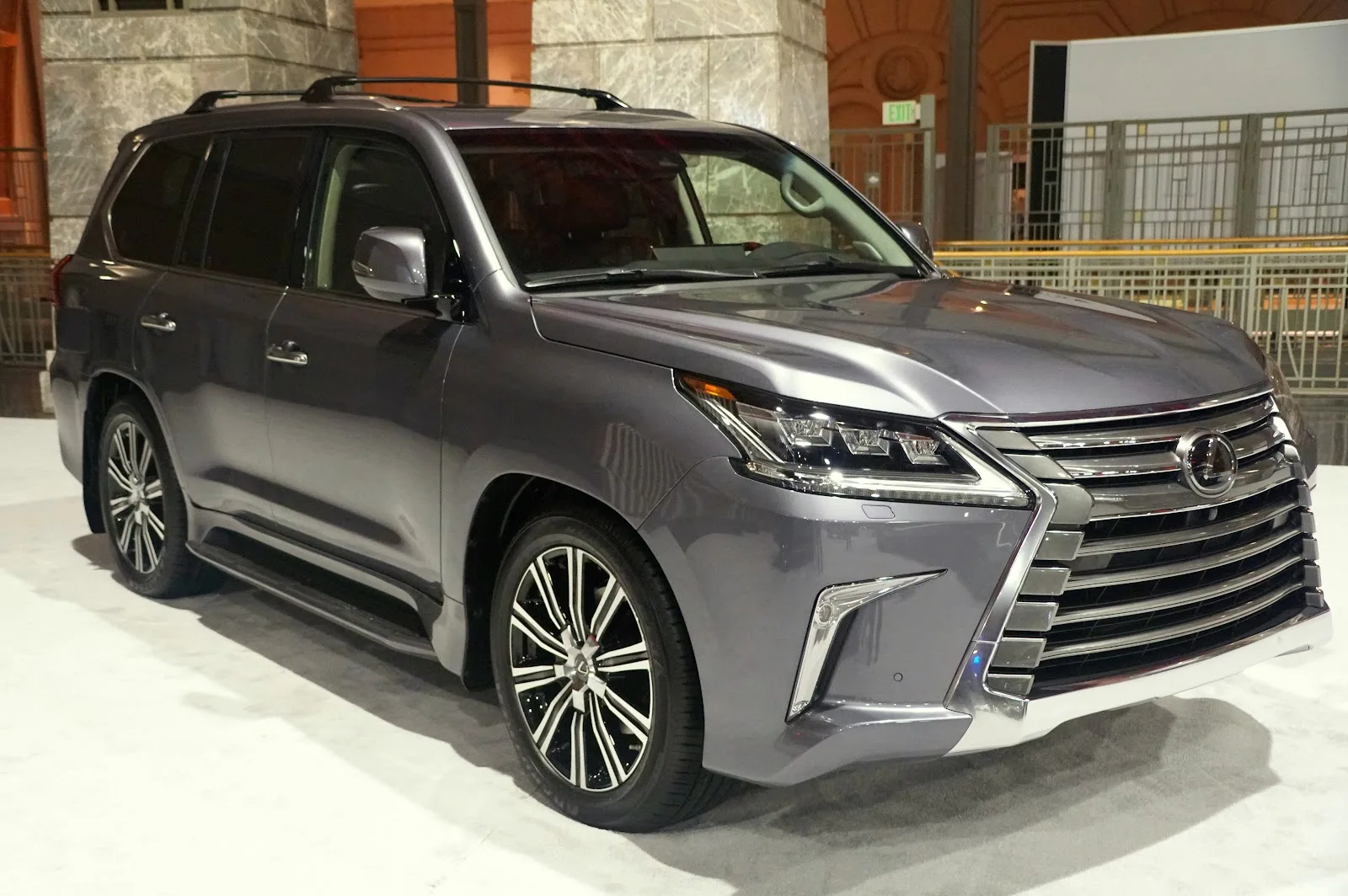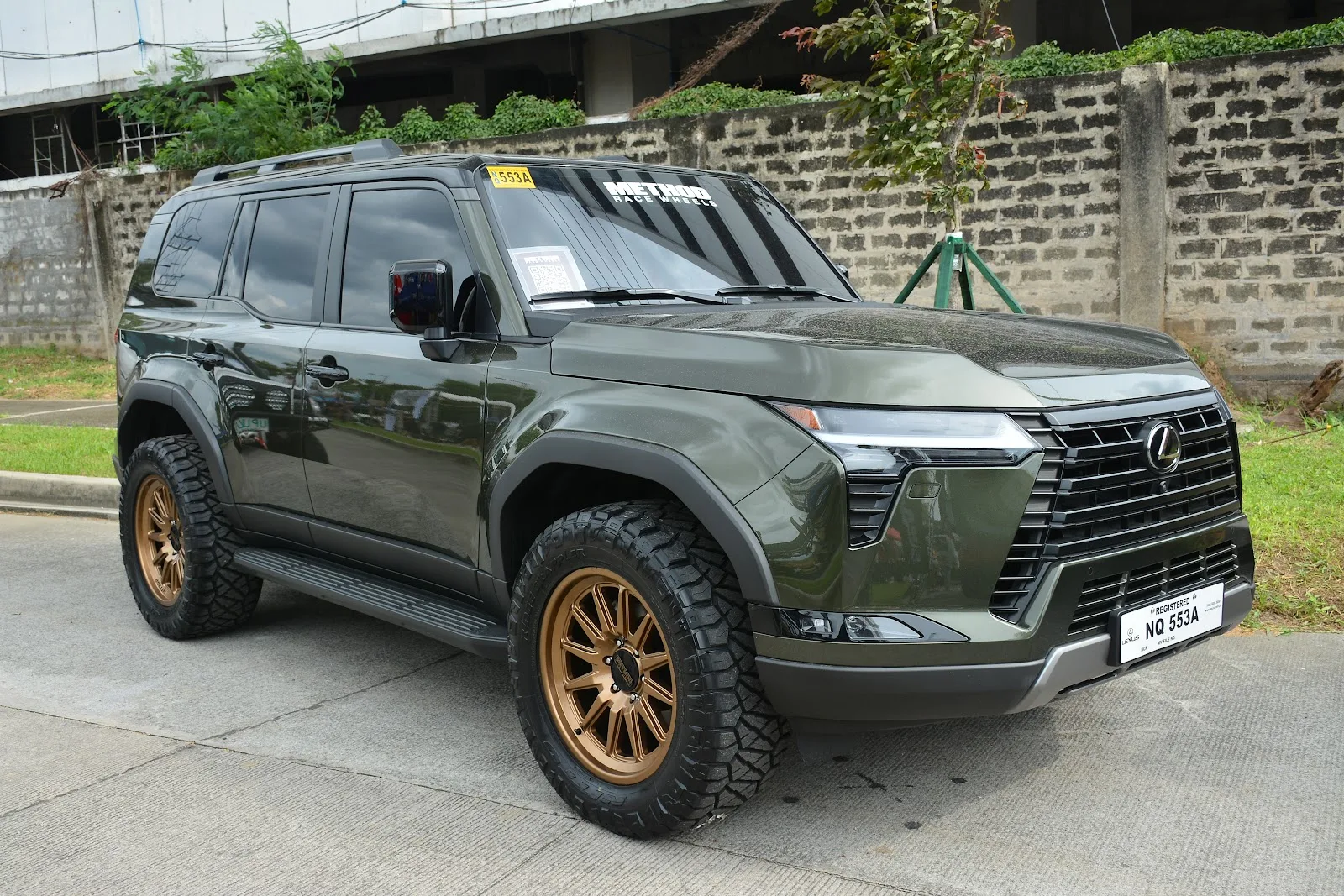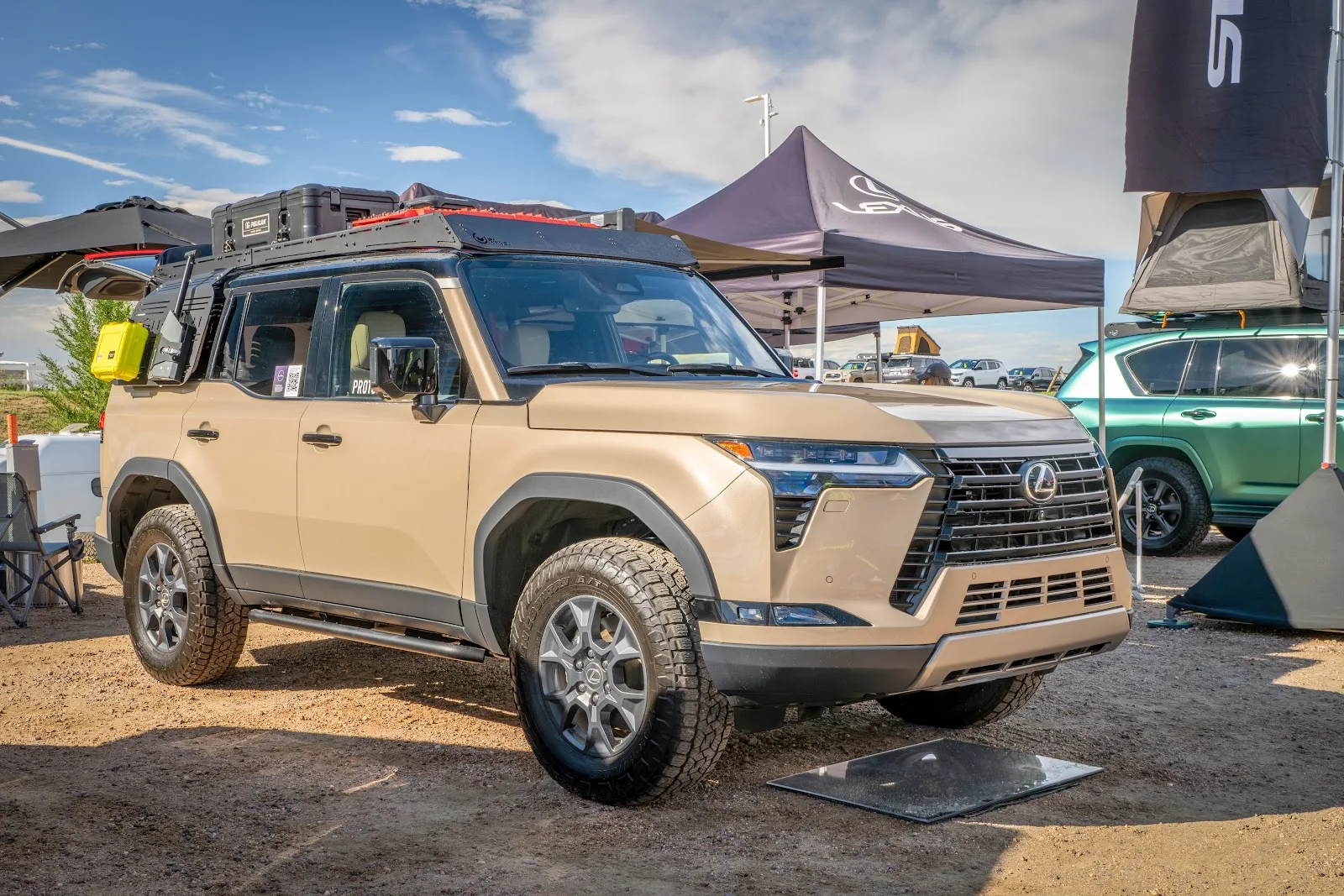


I still remember the first time I slid behind the wheel of a Lexus LS. It wasn’t the raw horsepower or the flashy exterior that struck me first—it was the absolute, undeniable refinement. Every part of that vehicle felt incredibly intentional, as if every bolt, seam, and stitch had a deeper story behind it.
That exact moment pushed me to look under the hood of the brand itself, leading to a question that countless drivers still ask today: Who makes Lexus?
Over the years, while reviewing, sourcing, and driving both Toyota and Lexus SUVs, I’ve come to appreciate how fascinating the relationship between these two automotive giants really is.
Lexus isn’t just a luxury badge slapped onto a standard Toyota frame. There is a completely independent ecosystem behind it, featuring dedicated engineering teams, stricter quality controls, and a design philosophy that has been evolving for decades.
In this guide, I’ll walk you through everything you need to know—who actually builds Lexus, where their engines come from, and whether this luxury brand is truly as reliable as its bulletproof mass-market parent.
So, Who Makes Lexus?
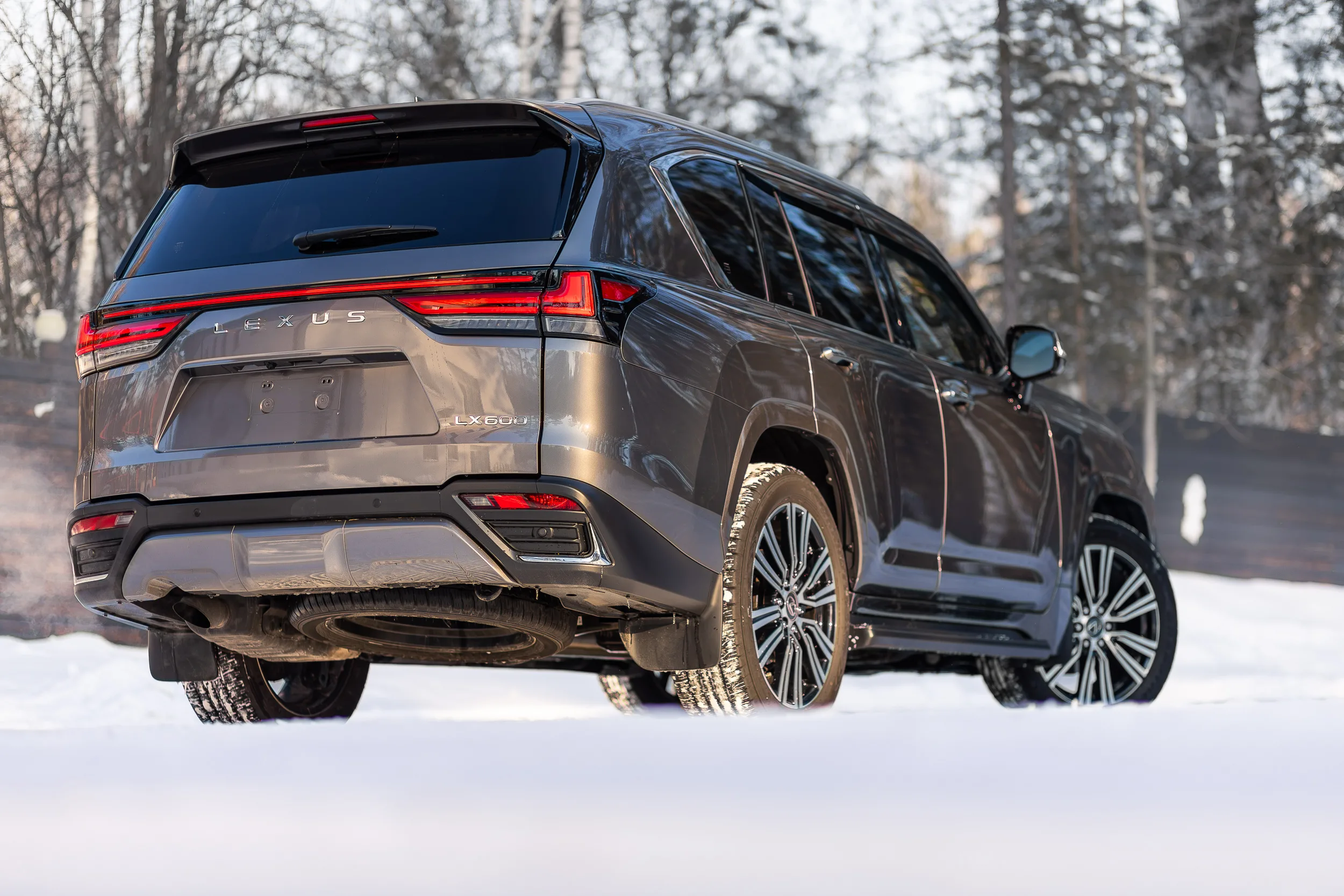
To answer the question directly, Lexus is made by Toyota Motor Corporation, the exact same automotive powerhouse behind the most reliable off-road and utility vehicles on the planet. But stopping there doesn’t tell the whole story.
From my experience studying the brand’s manufacturing process, Lexus functions almost like Toyota’s elite special forces unit. It operates with its own dedicated design studios, independent engineering groups, and specialized assembly lines.
Even though Toyota owns Lexus, the luxury division was born with a completely different objective. While Toyota perfected mass-market reliability and everyday utility, Lexus was created from the ground up to ruthlessly compete with Europe’s elite legacy brands—namely Mercedes-Benz, BMW, and Audi.
Achieving that goal required different factories, uncompromising craftsmanship standards, and the introduction of the legendary “Takumi” master craftsmen—artisans who train for decades before they are even allowed to touch flagship models on the production line.
Is Lexus Made by Toyota?
As we established, yes, Lexus is owned and manufactured by Toyota. However, the operational reality is far more nuanced. Many assume a Lexus is just a “premium Toyota package,” but the engineering pipeline proves otherwise.
While Toyota oversees the global supply chain, safety crash structures, shared platform architecture, and raw material sourcing, Lexus maintains absolute control over mechanical refinement, cabin ergonomics, acoustic insulation, and model-specific suspension tuning.
Having driven countless miles in both lineups, one thing stands out clearly: Toyota builds cars for unmatched practicality; Lexus builds vehicles for an elevated emotional experience. That’s exactly why the suspension calibration, acoustic glass technology, and drivetrain smoothness on a Lexus LX feel dramatically different, even though it shares its legendary off-road DNA with the Toyota Land Cruiser.
Lexus vehicles are assembled in specialized, high-tier production lines across Japan, Canada, and the U.S. For example, the LC coupe is built at the Motomachi Plant in Japan—the exact same pristine facility that hand-assembled the iconic LFA supercar.
The History Behind the Lexus Brand
Lexus was founded in 1989 after Toyota Chairman Eiji Toyoda issued a top-secret corporate challenge: build the world’s absolute best luxury car. The project was codenamed “F1” (Flagship One). The mission was incredibly ambitious—create a premium Japanese sedan that would outperform the dominant German rivals in comfort, speed, aerodynamics, and reliability.
After years of quiet development, billions of dollars spent, and thousands of prototypes tested across the globe, Toyota finally revealed the first Lexus LS 400. The global automotive industry was stunned.
The LS 400 redefined luxury benchmarks overnight. It was famous for a cabin so quiet and an engine so smooth that engineers could stack a pyramid of champagne glasses on the engine block while revving it on a dyno—without a single spill. From that defining moment, Lexus expanded heavily into premium SUVs like the RX, GX, and LX, forever changing our expectations of what a luxury vehicle should be.
Who Makes Lexus Engines?
Lexus engines are engineered and manufactured by Toyota Motor Corporation, utilizing Toyota’s advanced global powertrain facilities alongside Lexus-exclusive cleanroom assembly lines.
While Toyota is responsible for the core casting, block machining, and initial assembly, Lexus engineers step in to calibrate the powertrains differently, specifically targeting absolute NVH (Noise, Vibration, and Harshness) reduction.
For example, the legendary UR-series V8 engines found in the Lexus GX and LX share architecture with the Toyota Tundra, but the Lexus variants undergo tighter hand-inspection tolerances and specialized internal component balancing to ensure a whisper-quiet, buttery-smooth power delivery.
What is the Difference Between Lexus and Toyota Engines?
The biggest misconception in the automotive world is that a Lexus engine and a Toyota engine are 100% identical under the plastic engine cover. While they do share core block architecture, their software tuning and supporting hardware are entirely unique.
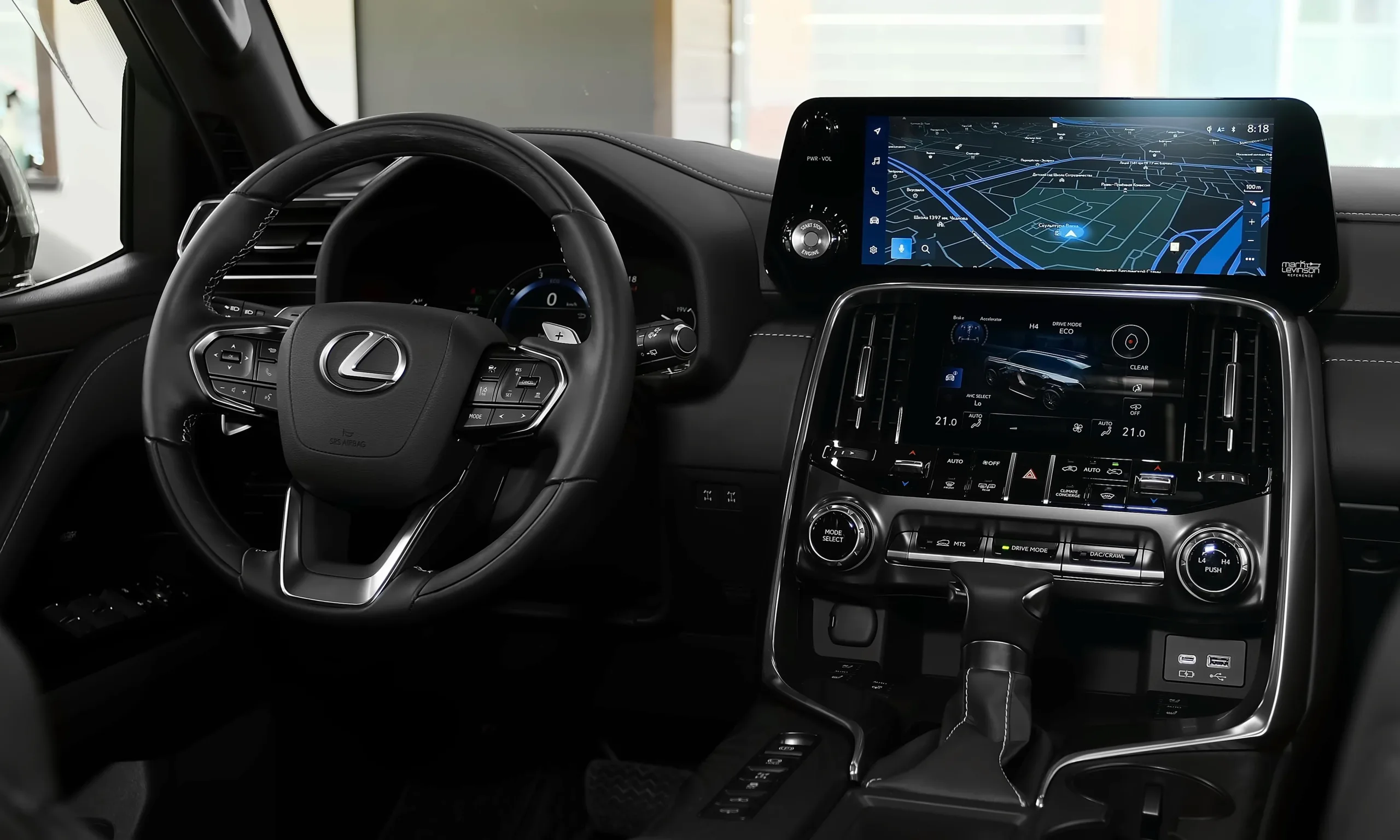
Key Differences You Feel Behind the Wheel:
- Acoustic Engineering & Insulation: Lexus platforms utilize heavier fluid-filled engine mounts, active noise cancellation software, and specialized intake baffling to eliminate engine roar from entering the cabin.
- Hybrid Powertrain Calibration: Lexus hybrid systems are tuned to prioritize seamless, imperceptible transitions between gas and electric power, whereas Toyota hybrids are calibrated strictly to squeeze out maximum MPG.
- Manufacturing Tolerances: High-performance Lexus components undergo stricter quality “binning,” ensuring only the most perfectly balanced internal pistons and valves make it into their luxury builds.
Is Lexus as Reliable as Toyota?
In an impressive twist, Lexus is consistently ranked even more reliable than Toyota in major automotive studies, such as the J.D. Power Vehicle Dependability Study. This isn’t just marketing fluff; it’s a proven metric heavily backed by long-term owners.
If you look through major enthusiast communities, the real-world sentiment is unanimous: Lexus models easily achieve the legendary 200,000 to 300,000-mile longevity of a Toyota, but they experience even fewer minor component failures over time due to the relentless quality checks enforced at the factory level.
Because Lexus uses Toyota’s bulletproof mechanical foundations but wraps them in premium assembly discipline, it represents the ultimate “cheat code” in the used car market. Buying a pre-owned Lexus GX or LX means you are getting true exotic luxury and off-road pedigree with absolutely zero mechanical anxiety.
Frequently Asked Questions
Is Lexus just a fancy Toyota?
No. While they share parent company ownership and core platforms, a Lexus features unique mechanical tuning, far superior cabin materials, advanced acoustic insulation, and tighter manufacturing tolerances that completely change the driving experience.
Which is better, Lexus or BMW?
BMW typically focuses on aggressive, sport-tuned track handling. However, Lexus heavily beats BMW in long-term reliability scores, overall resale value retention, and significantly lower annual maintenance costs.
Are Lexus and Toyota engines identical?
They share basic architecture blueprints, but Lexus engines use upgraded engine mounts, unique intake/exhaust setups, and customized software calibration to deliver a smoother, quieter drive.
Vehicles for sale
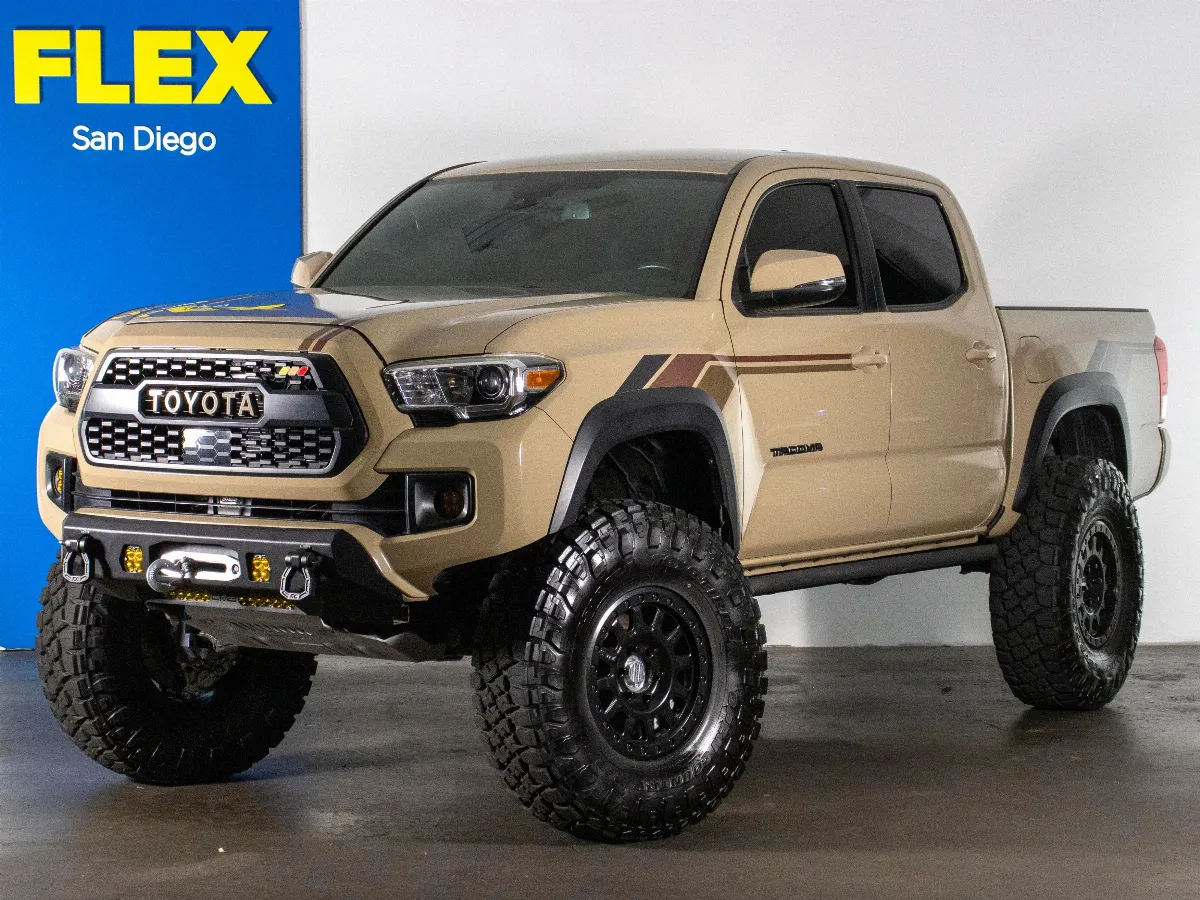 Featured Deal
2019 TOYOTA Tacoma Double Cab TRD Off-Road Pickup 4D 5 ft PRE OWNED
$90,080
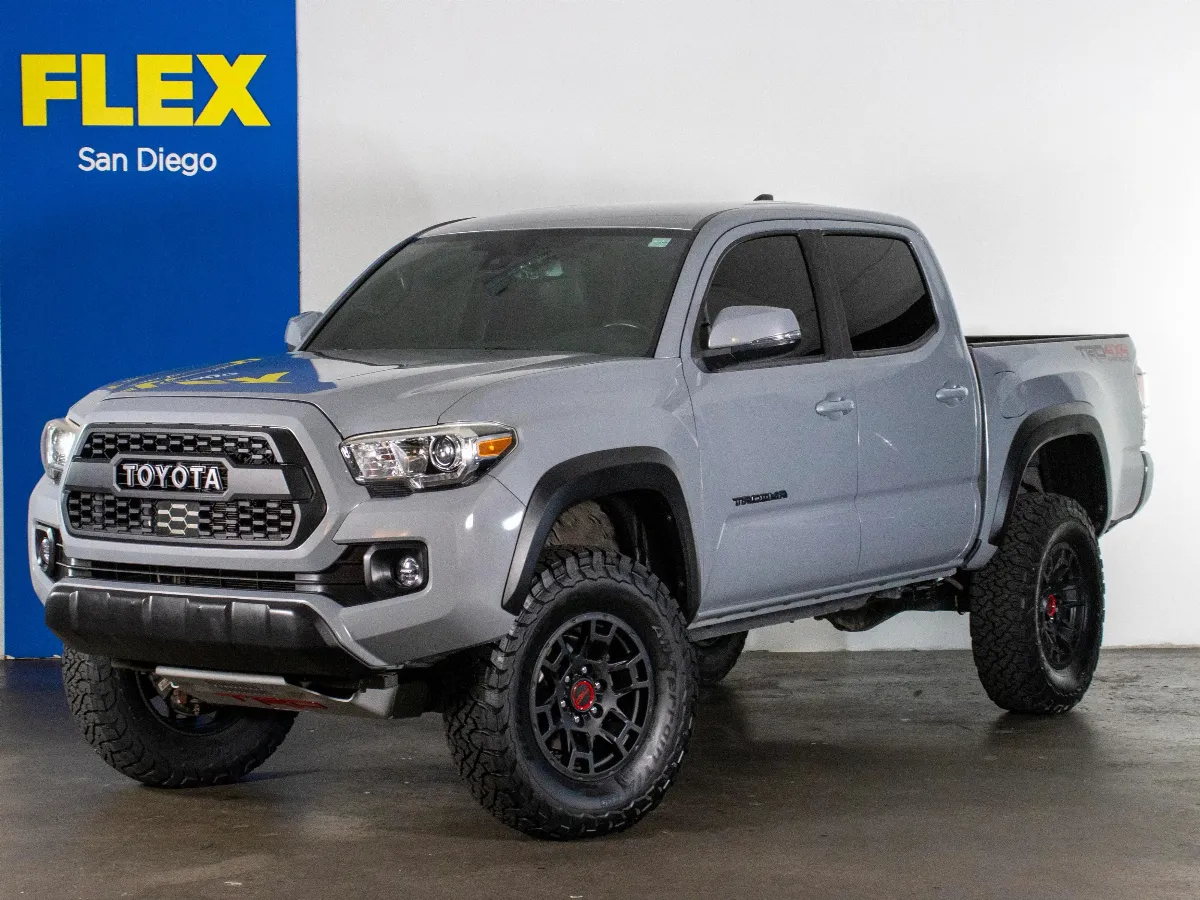 Featured Deal
2021 TOYOTA Tacoma Double Cab TRD Off-Road Pickup 4D 5 ft PRE OWNED
$59,080
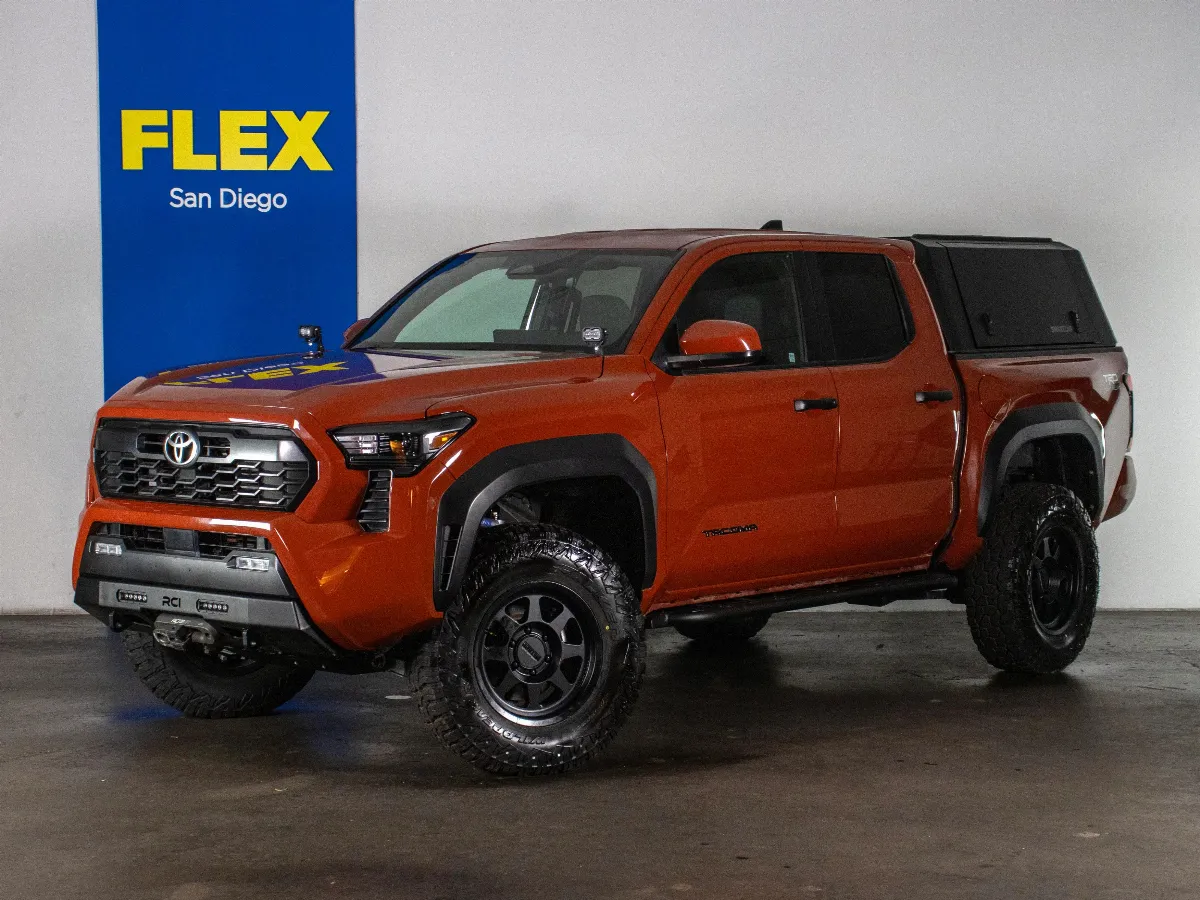 Featured Deal
2025 TOYOTA Tacoma Double Cab TRD Off-Road Pickup 4D 5 ft PRE OWNED
$75,080
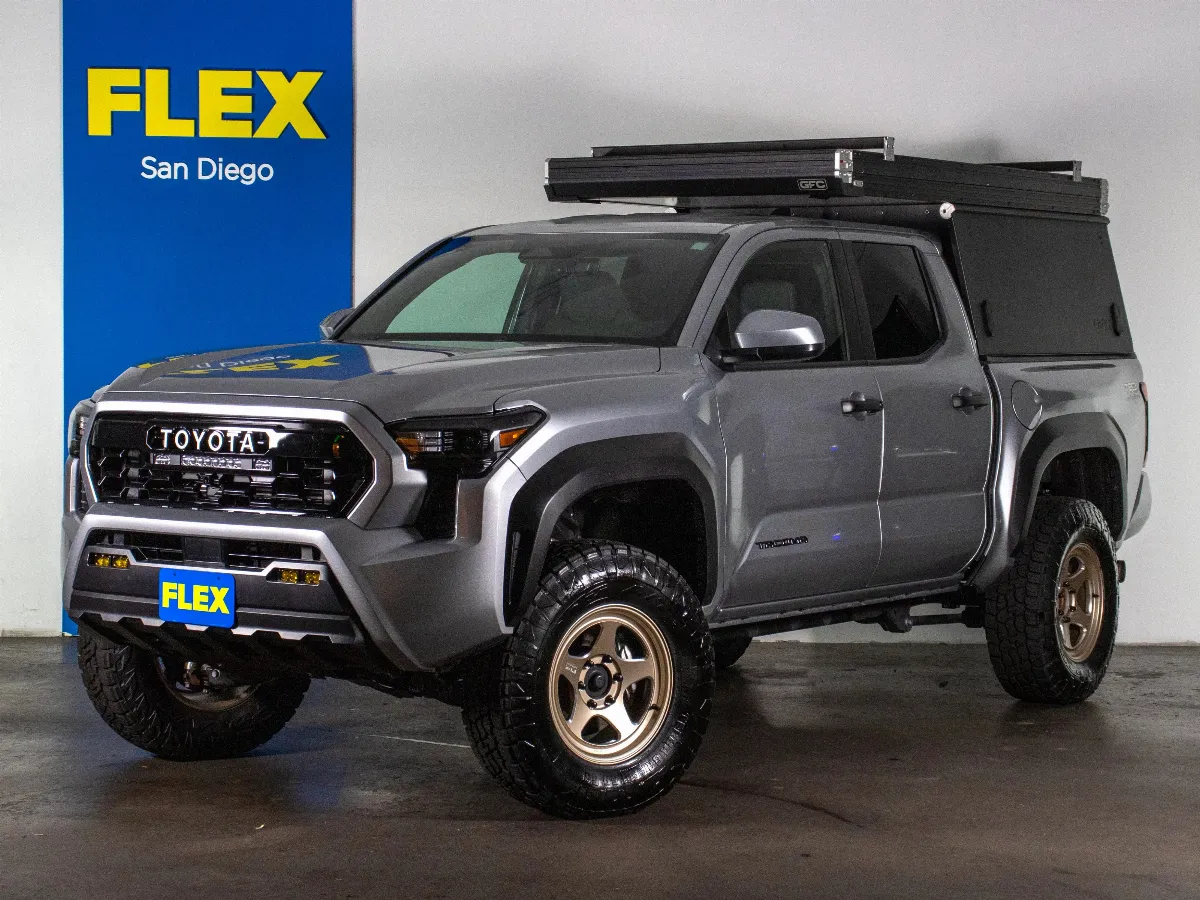 Featured Deal
2025 TOYOTA Tacoma Double Cab TRD Off-Road Pickup 4D 5 ft PRE OWNED
$68,080
Don’t Just Look — Feel the Drive
Take your favorite model for a spin through the streets of San Diego. Feel the performance firsthand.