



A few months ago, I was helping a friend diagnose a shifting issue in his older sedan. The gears felt hesitant, almost like the transmission was thinking twice before responding. His first question to me was, “Do you think I need a new transmission?”
But the real problem was something far more common: he hadn’t checked his transmission fluid in almost 80,000 miles. That moment reminded me how many drivers still don’t know when to change transmission fluid, especially since modern transmissions are more complex than ever.
Over the years, testing everything from Toyota SUVs to Honda sedans has taught me one thing: transmission fluid is the lifeblood of your drivetrain. Ignore it, and even the most reliable vehicle will eventually push back.
So, in this guide, I’ll break down when to change it, warning signs, costs, brand-specific intervals, and everything a responsible driver should know—without the complicated jargon.
- When To Change Transmission Fluid
- How Much Is a Transmission Fluid Change?
- What Happens If I Never Change Transmission Fluid?
- Is It Better to Flush or Just Change Transmission Fluid?
- How to Change Transmission Fluid on a Toyota (Steps)
- Final Thoughts
- Frequently Asked Questions

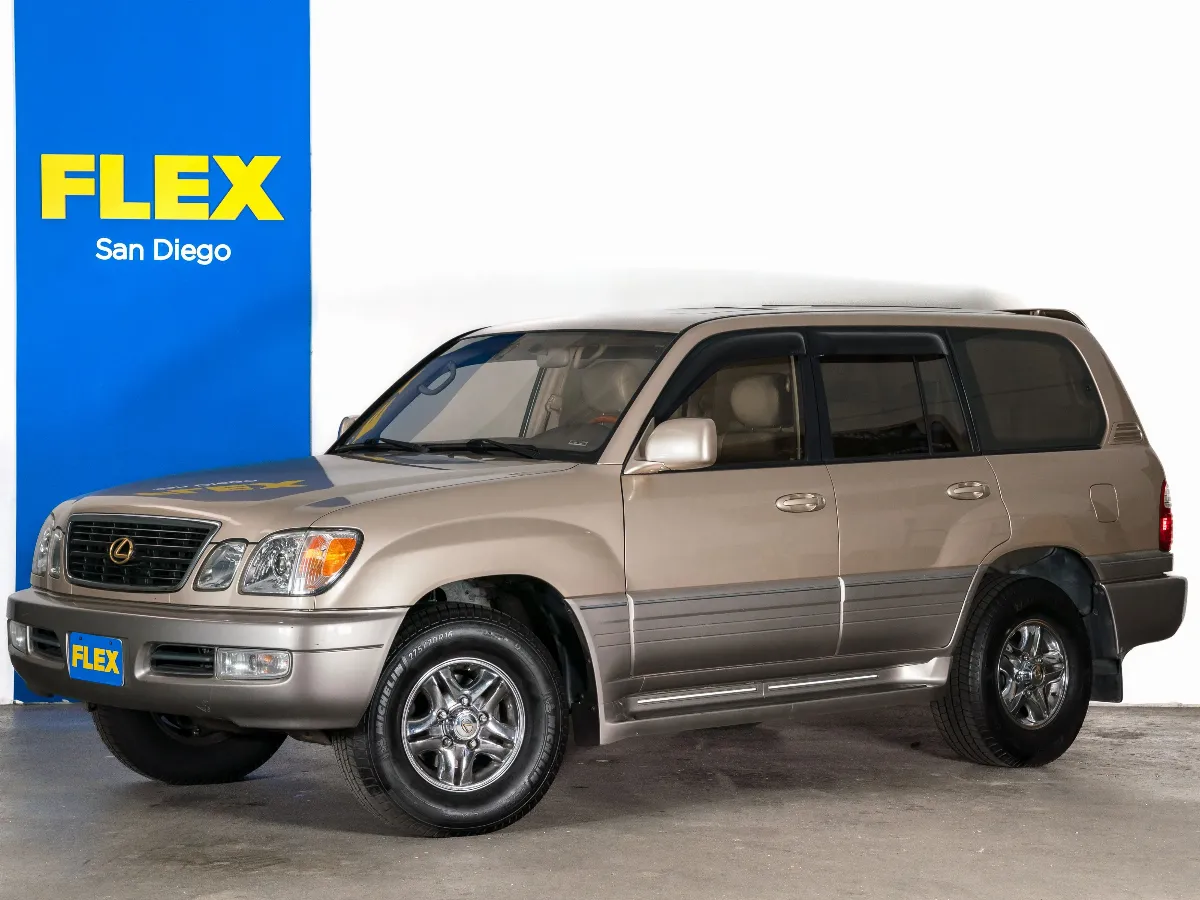
When To Change Transmission Fluid
Transmission fluid keeps your gears cool, lubricated, and shifting smoothly. Simply put, you should change it every 30,000–60,000 miles, depending on the vehicle and driving conditions. But mileage isn’t the only indicator—fluid condition and driving symptoms matter just as much.
Below are the key signs and situations that tell me it’s time to service it.
1. Delayed or Rough Shifting
If your gear changes feel slow, jerky, or inconsistent, the fluid may be old, contaminated, or losing viscosity. Transmission fluid becomes less effective over time, especially under heavy heat and load.
2. Dark, Dirty, or Burnt-Smelling Fluid
Healthy fluid is usually bright red or pink. Dark brown fluid or a burnt odor is a clear sign the transmission is running hotter than it should, and the fluid needs immediate replacement.
3. Transmission Hesitates Before Moving
If there’s a noticeable pause when shifting from Park to Drive, degraded fluid may not be building hydraulic pressure fast enough to engage the gears.
4. Slipping Gears
When engine RPMs climb but your car doesn’t accelerate accordingly, this usually points to low or failing fluid. This is one of the most dangerous symptoms to ignore.
5. Manufacturer Intervals
Whether you are trying to figure out when to change transmission fluid on a Toyota, a Honda, a modern CVT, or a traditional manual transmission, most experts and manuals recommend a 30k–60k mile interval for optimal longevity. While some brands claim their fluid is “lifetime,” routine changes are the secret to reaching 200,000+ miles safely.

How Much Is a Transmission Fluid Change?
The cost varies depending on the vehicle type, your location, and whether you drive a traditional automatic, a CVT, or a manual. In most U.S. regions, the average price for a basic drain-and-fill transmission fluid change is:
- $110–$250 for a standard automatic
- $150–$300 for a CVT (requires highly specific synthetic fluid types)
- $80–$150 for a manual transmission
Dealerships typically charge more, while reputable independent shops are usually on the lower end. Premium factory fluids (like Toyota WS or Honda Genuine ATF) can increase the cost slightly.
If you’re maintaining a Toyota SUV or truck, the price may lean toward the higher end because many require specific long-life synthetic fluids. Keep in mind, this pricing is for a drain-and-fill. A full fluid flush costs significantly more and isn’t always recommended, depending on the vehicle’s age and condition.
From my personal experience, drivers who stay on top of fluid changes spend far less long-term. Neglect can cause slipping, worn clutches, and overheating—leading to rebuilds or replacements that often exceed $3,000–$6,000.
What Happens If I Never Change Transmission Fluid?
If you never change your transmission fluid, the consequences build slowly—until the damage becomes irreversible. Old fluid thickens, loses its lubricating properties, and fails to provide the hydraulic pressure needed for proper shifting.
Over time, metal debris and clutch material contaminate the system, causing gear slips, overheating, and severe internal wear.
Based on discussions in U.S. Toyota and Honda forums, many drivers report issues starting around 120,000–150,000 miles when the fluid was never changed. Early symptoms included delayed shifts and harsh engagement. Later, owners experienced complete transmission failure—especially in vehicles pushed hard beyond their recommended intervals.
The biggest enemy here is heat. Transmissions operate under extreme temperatures, and degraded fluid simply can’t cool internal components effectively. The results often include worn clutch packs, damaged solenoids, warped plates, and metal shavings inside the pan.
One forum user summarized it perfectly: skipping fluid changes doesn’t kill your transmission fast—it kills it quietly. If you’re unsure about the fluid history of a used vehicle, inspecting and replacing it early is always the safest choice.
Is It Better to Flush or Just Change Transmission Fluid?
In most cases, a simple drain-and-fill is safer than a full flush—especially on higher-mileage vehicles. A flush uses a machine to replace nearly all the old fluid under pressure, but this can dislodge settled debris and push it into sensitive valve bodies, creating brand-new problems.
A drain-and-fill replaces around 40–60% of the fluid gradually without shocking the transmission. Many Toyota and Honda experts strongly recommend this gentle approach for longevity, unless the transmission is relatively new and has been perfectly maintained.
If your fluid is extremely burnt or heavily contaminated, a professional mechanic will often recommend doing multiple drain-and-fills over a few thousand miles rather than risking a harsh flush.
How to Change Transmission Fluid on a Toyota (Step-by-Step)
Since much of our work revolves around Toyota SUVs and pickup trucks, the process below is tailored to them. Different brands follow similar steps, but you should always consult your specific owner’s manual.
Step 1 — Warm Up the Vehicle Slightly
Warm fluid flows better and drains more thoroughly, pulling suspended contaminants out with it.
Step 2 — Lift the Vehicle & Locate the Drain Plug
The drain plug is typically located at the bottom of the transmission pan. Ensure the vehicle is perfectly level.
Step 3 — Drain the Old Fluid
Place a catch pan underneath and carefully remove the drain plug to let the old fluid out.
Step 4 — Replace the Crush Washer & Plug
Toyota transmissions seal best with fresh OEM crush washers. Never reuse an old one to avoid slow leaks.
Step 5 — Refill with Toyota WS or Correct ATF
Refill through the designated fill port using a fluid pump or funnel. Make sure you add the exact amount you drained out as a baseline.
Step 6 — Cycle Through the Gears
With the engine running and your foot firmly on the brake, slowly shift through each gear (P-R-N-D) pausing for a few seconds in each to circulate the new fluid.
Step 7 — Perform the Fluid Temperature Level Check
This is crucial: Many modern Toyotas (like Tacomas, 4Runners, and LC200s) do not have a traditional dipstick. Instead, you must check the fluid level through a specific overflow plug while the transmission fluid is within a very strict temperature range (usually between 95°F and 113°F). If it’s too hot or too cold, the level will be incorrect, which can cause shifting issues.
Final Thoughts
Transmission maintenance has taught me one universal truth: small, consistent steps prevent massive problems. Knowing when to change your transmission fluid isn’t just a minor maintenance detail—it’s the difference between a healthy, reliable drivetrain and a devastating repair bill.
Think of fresh transmission fluid as cheap insurance. Whether you drive a rugged Toyota truck, a reliable Honda, a smooth CVT, or a manual, staying ahead of those service intervals saves money, improves daily performance, and significantly extends the life of your vehicle.
You don’t need to be a master mechanic to recognize the warning signs. A little attention goes a very long way. Apply the guidelines above to your own vehicle, and you’ll avoid the expensive headaches I see far too often in neglected cars.
Check our inventory


Frequently Asked Questions
How many years does transmission fluid last?
Typically 3–6 years depending on usage, climate, and whether the vehicle is driven in heavy, hot traffic conditions or used for towing.
What are the symptoms of dirty transmission fluid?
Hard shifts, slipping, delayed engagement, dark or burnt-smelling fluid, and slight grinding or shuddering sensations are common warning signs.
Is it better to flush or just change transmission fluid?
A simple drain-and-fill is safer for most vehicles, especially high-mileage ones. Flushing is generally only recommended for very clean, consistently maintained transmissions.
Is it okay to do a full transmission flush at 70k miles?
Yes, but only if the transmission has been regularly serviced before and the fluid currently looks relatively healthy. Otherwise, play it safe and choose a drain-and-fill.
Why do people say not to flush a transmission?
High-pressure flushing can dislodge accumulated sludge and metallic debris, pushing it into the narrow passages of the valve body and causing catastrophic clogging in older or neglected transmissions.
Is it bad to change transmission fluid at 100k miles?
Not at all; in fact, it’s usually long overdue by then. Just make sure to request a basic drain-and-fill and absolutely avoid an aggressive machine flush if the vehicle is high-mileage and has been neglected.
Don’t Just Look — Feel the Drive
Take your favorite model for a spin through the streets of San Diego. Feel the performance firsthand.


Related Articles
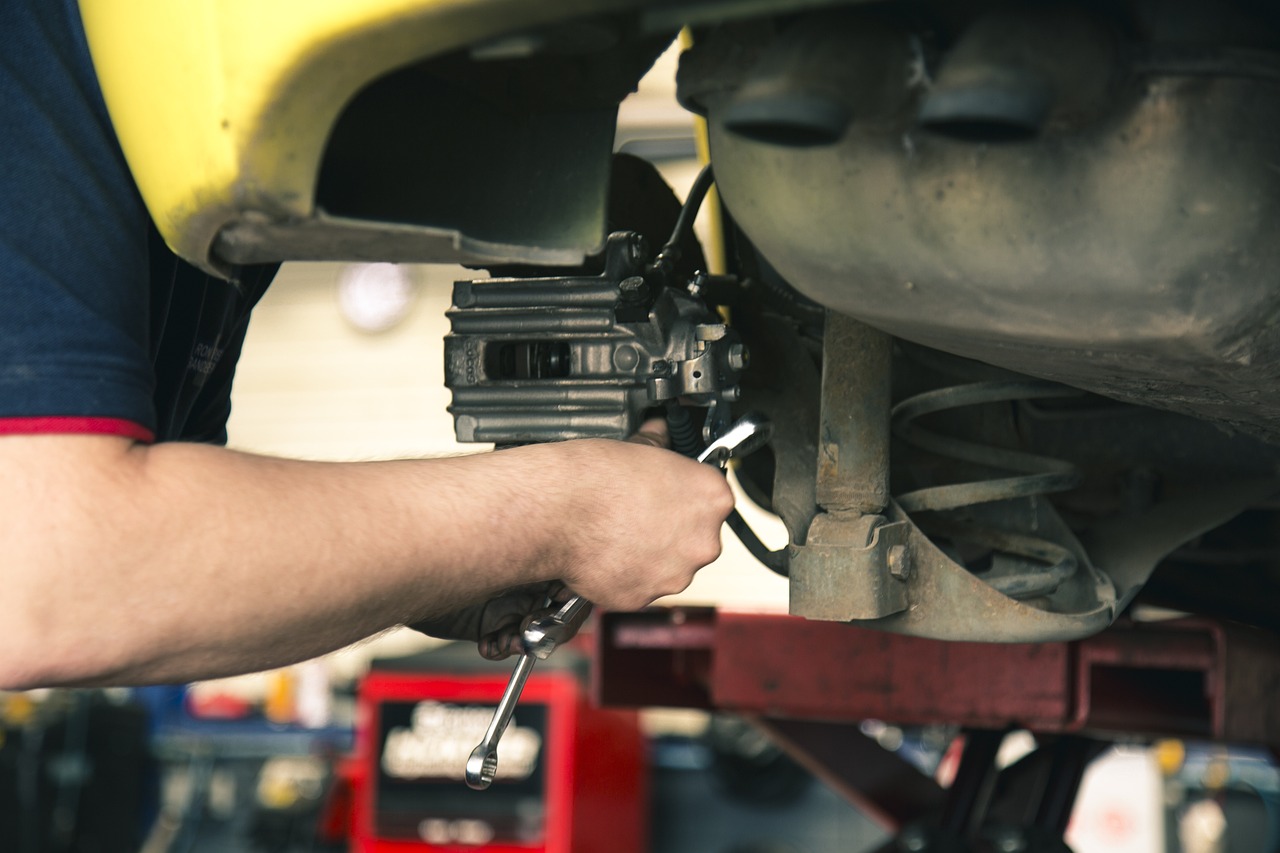
16 Easy Maintenance Tasks to Do on Your 80 Series Landcruiser: Tips and Tricks
June 7, 2023 // Guides & Advice
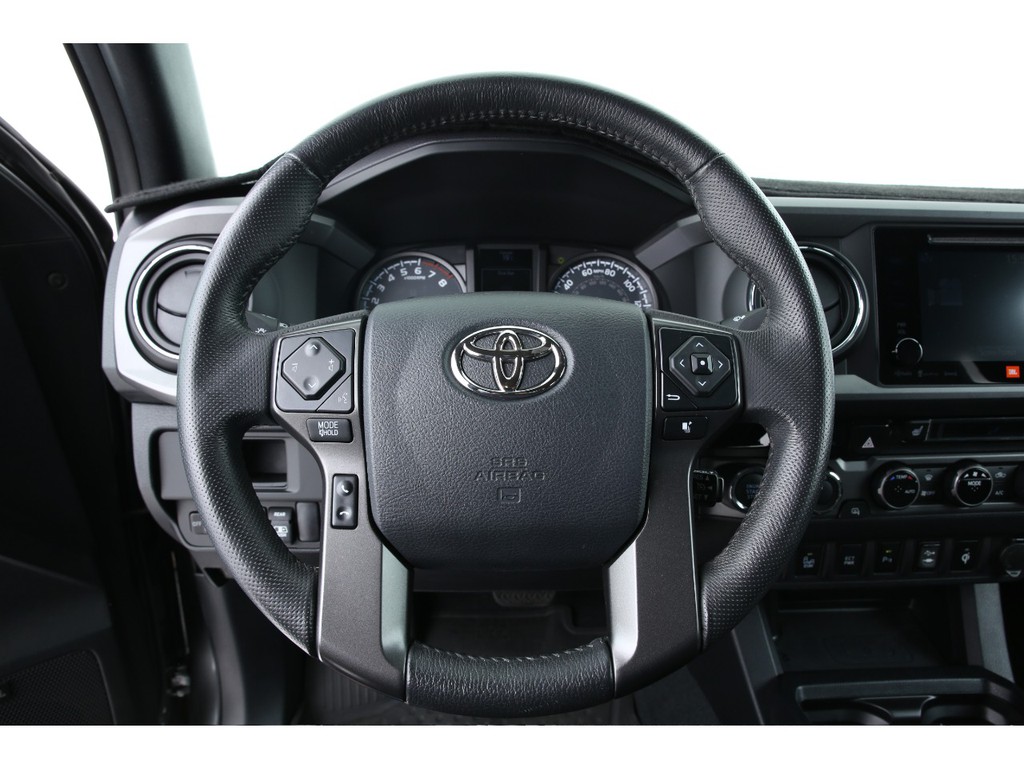
How to Reset the Maintenance Light on a Toyota Tacoma (All Generations Guide)
June 9, 2023 // Guides & Advice

How to Reset Maintenance Light on Toyota Tundra? A Comprehensive Guide!
February 24, 2025 // Guides & Advice